
Directing
Mark Rappaport
Born
1942-01-01 (84)
Place of birth
Brighton Beach, New York, USA
Known for
Directing
Credits
43 titles
Mark Rappaport, a native of New York, worked as a film editor before making his own films, including The Scenic Route (1978), Impostors (1980), Postcards (1990) and Exterior Night (1994). His fictional film-essays include Rock Hudson's Home Movies (1992), From the Journals of Jean Seberg (1995) and The Silver Screen / Color Me Lavender (1998). Many of his articles on cinema have been published in Trafic over the years, as well as in Cinema. The spectator who knew too much is the first collection of his writings. In 2008, his photomontage film was screened for the first time at the Lincoln Center in New York, as part of the New York Film Festival. Mark Rappaport currently lives in Paris.
Known for
 6.2
6.2One of Mark Rappaport's later narratives (which won the Gold Hugo for Best First Feature at the Chicago International Film Festival in 1979), Impostors is an off-kilter comedy/mystery focused on two magicians trying to find Egyptian jewels, their promiscuous assistant, and a man who loves the assistant.
Impostors
1979
 9.5
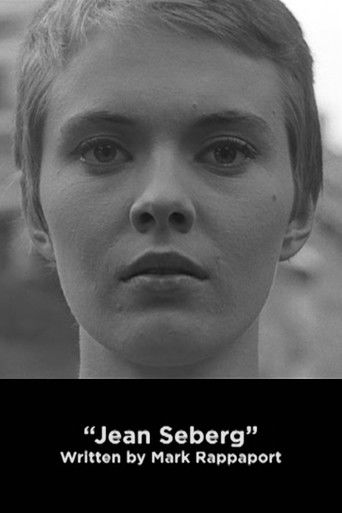
9.5After a much-publicized but brief stint in Hollywood, Jean Seberg was selected by Jean-Luc Godard to star in BREATHLESS. It was to become the legendary actress’s best-remembered role. This 2007 video essay by Mark Rappaport, director of the 1995 film FROM THE JOURNALS OF JEAN SEBERG, reveals the true story behind her iconic face.
Jean Seberg
2007
 5.3
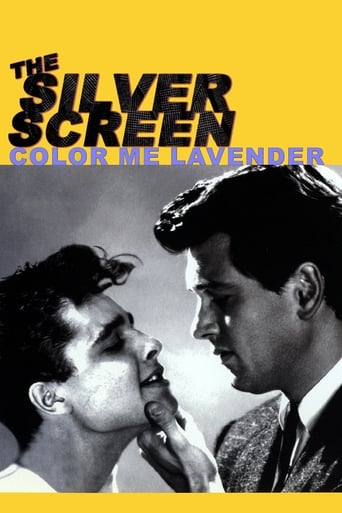
5.3A film scrapbook, images, phrases from our past, hiding their meanings behind veils. Let's lift those veils, one by one, to find how images, at one time seeming innocent, have revealed, after decades, to have homosexual overtones.
The Silver Screen: Color Me Lavender
1997
 5.6
5.6Shot in high-definition video using rear-screen process plates from classic Warner Bros. films noirs. A young man (in color) searches for his past through black-and-white scenes from "The Big Sleep," "Mildred Pierce," and "Strangers on a Train."
Exterior Night
1993
 6.0
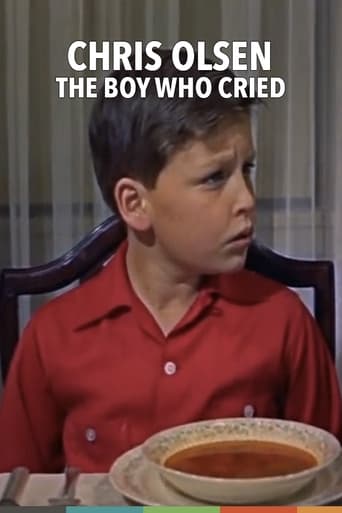
6.0In the movies since he was an infant, Chris Olsen appeared in films by some of the best directors of the 1950's. Even though he never became a famous child actor, he played a pivotal role in some of the most iconic movies of the era. Retired since the age of 14, he looks back on his life as a child actor, trying to find the thread that ties his movie roles together.
Chris Olsen: The Boy Who Cried
2016
 6.0
6.0Mark Rappaport's creative bio-pic about actress Jean Seberg is presented in a first-person, autobiographical format. He seamlessly interweaves cinema, politics, American society and culture, and film theory to inform, entertain, and move the viewer. Seberg's many marriages, as well as her film roles, are discussed extensively. Her involvement with the Black Panther Movement and subsequent investigation by the FBI is covered. Notably, details of French New Wave cinema, Russian Expressionist (silent) films, and the careers of Jane Fonda, Vanessa Redgrave, and Clint Eastwood are also intensively examined. Much of the film is based on conjecture, but Rappaport encourages viewers to re-examine their ideas about women in film with this thought-provoking picture.
From the Journals of Jean Seberg
1995
Film credits
2010s · 2 titles
 3.2
3.2A video essay where the author presumes motivations and insights in a fictionalized biography regarding Debra Paget, a contract player for 20th-Century Fox whom they groomed and coached for stardom.
Debra Paget, For Example
2016
 4.0
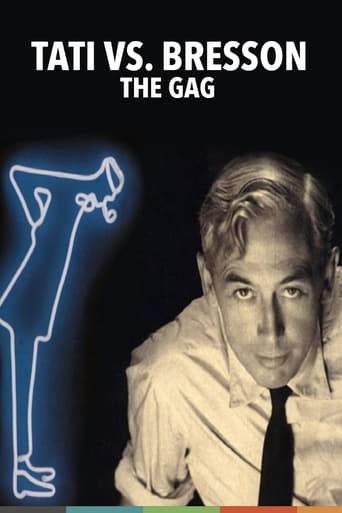
4.0Jacques Tati and Robert Bresson were very different directors, yet the way they structure a scene is very similar.
Tati vs. Bresson: The Gag
2016
Behind the camera
6.2One of Mark Rappaport's later narratives (which won the Gold Hugo for Best First Feature at the Chicago International Film Festival in 1979), Impostors is an off-kilter comedy/mystery focused on two magicians trying to find Egyptian jewels, their promiscuous assistant, and a man who loves the assistant.
Impostors
1979
6.2One of Mark Rappaport's later narratives (which won the Gold Hugo for Best First Feature at the Chicago International Film Festival in 1979), Impostors is an off-kilter comedy/mystery focused on two magicians trying to find Egyptian jewels, their promiscuous assistant, and a man who loves the assistant.
Impostors
1979
9.5After a much-publicized but brief stint in Hollywood, Jean Seberg was selected by Jean-Luc Godard to star in BREATHLESS. It was to become the legendary actress’s best-remembered role. This 2007 video essay by Mark Rappaport, director of the 1995 film FROM THE JOURNALS OF JEAN SEBERG, reveals the true story behind her iconic face.
Jean Seberg
2007
9.5After a much-publicized but brief stint in Hollywood, Jean Seberg was selected by Jean-Luc Godard to star in BREATHLESS. It was to become the legendary actress’s best-remembered role. This 2007 video essay by Mark Rappaport, director of the 1995 film FROM THE JOURNALS OF JEAN SEBERG, reveals the true story behind her iconic face.
Jean Seberg
2007
5.3A film scrapbook, images, phrases from our past, hiding their meanings behind veils. Let's lift those veils, one by one, to find how images, at one time seeming innocent, have revealed, after decades, to have homosexual overtones.
The Silver Screen: Color Me Lavender
1997
5.3A film scrapbook, images, phrases from our past, hiding their meanings behind veils. Let's lift those veils, one by one, to find how images, at one time seeming innocent, have revealed, after decades, to have homosexual overtones.
The Silver Screen: Color Me Lavender
1997
5.6Shot in high-definition video using rear-screen process plates from classic Warner Bros. films noirs. A young man (in color) searches for his past through black-and-white scenes from "The Big Sleep," "Mildred Pierce," and "Strangers on a Train."
Exterior Night
1993
5.6Shot in high-definition video using rear-screen process plates from classic Warner Bros. films noirs. A young man (in color) searches for his past through black-and-white scenes from "The Big Sleep," "Mildred Pierce," and "Strangers on a Train."
Exterior Night
1993
6.0In the movies since he was an infant, Chris Olsen appeared in films by some of the best directors of the 1950's. Even though he never became a famous child actor, he played a pivotal role in some of the most iconic movies of the era. Retired since the age of 14, he looks back on his life as a child actor, trying to find the thread that ties his movie roles together.
Chris Olsen: The Boy Who Cried
2016
6.0Mark Rappaport's creative bio-pic about actress Jean Seberg is presented in a first-person, autobiographical format. He seamlessly interweaves cinema, politics, American society and culture, and film theory to inform, entertain, and move the viewer. Seberg's many marriages, as well as her film roles, are discussed extensively. Her involvement with the Black Panther Movement and subsequent investigation by the FBI is covered. Notably, details of French New Wave cinema, Russian Expressionist (silent) films, and the careers of Jane Fonda, Vanessa Redgrave, and Clint Eastwood are also intensively examined. Much of the film is based on conjecture, but Rappaport encourages viewers to re-examine their ideas about women in film with this thought-provoking picture.
From the Journals of Jean Seberg
1995
6.0Mark Rappaport's creative bio-pic about actress Jean Seberg is presented in a first-person, autobiographical format. He seamlessly interweaves cinema, politics, American society and culture, and film theory to inform, entertain, and move the viewer. Seberg's many marriages, as well as her film roles, are discussed extensively. Her involvement with the Black Panther Movement and subsequent investigation by the FBI is covered. Notably, details of French New Wave cinema, Russian Expressionist (silent) films, and the careers of Jane Fonda, Vanessa Redgrave, and Clint Eastwood are also intensively examined. Much of the film is based on conjecture, but Rappaport encourages viewers to re-examine their ideas about women in film with this thought-provoking picture.
From the Journals of Jean Seberg
1995
6.0Mark Rappaport's creative bio-pic about actress Jean Seberg is presented in a first-person, autobiographical format. He seamlessly interweaves cinema, politics, American society and culture, and film theory to inform, entertain, and move the viewer. Seberg's many marriages, as well as her film roles, are discussed extensively. Her involvement with the Black Panther Movement and subsequent investigation by the FBI is covered. Notably, details of French New Wave cinema, Russian Expressionist (silent) films, and the careers of Jane Fonda, Vanessa Redgrave, and Clint Eastwood are also intensively examined. Much of the film is based on conjecture, but Rappaport encourages viewers to re-examine their ideas about women in film with this thought-provoking picture.
From the Journals of Jean Seberg
1995
 4.2
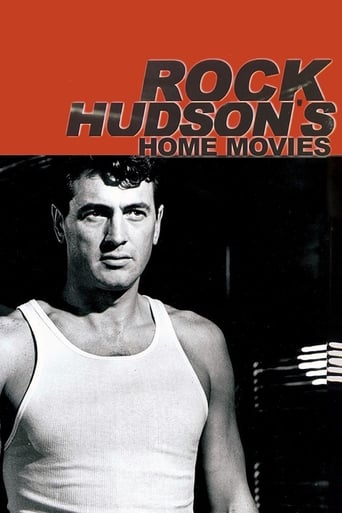
4.2In this revisionist documentary, actor Eric Farr re-creates the character of Rock Hudson in order to take a look back at his films. It compares the actor's screen (and public) image with his real life and shows certain scenes, lines and situations in his films to insinuate that Hudson may have been gay.
Rock Hudson's Home Movies
1992
4.2In this revisionist documentary, actor Eric Farr re-creates the character of Rock Hudson in order to take a look back at his films. It compares the actor's screen (and public) image with his real life and shows certain scenes, lines and situations in his films to insinuate that Hudson may have been gay.
Rock Hudson's Home Movies
1992
4.2In this revisionist documentary, actor Eric Farr re-creates the character of Rock Hudson in order to take a look back at his films. It compares the actor's screen (and public) image with his real life and shows certain scenes, lines and situations in his films to insinuate that Hudson may have been gay.
Rock Hudson's Home Movies
1992
 7.3
7.3A separated couple try to keep in touch through postcards of typically "American" sights: motels, monuments, parks; but their postcards cross in the mail. Misunderstandings arise; passion subsides; romance fades... Yet the postcards keep on coming.
Postcards
1990
 6.0
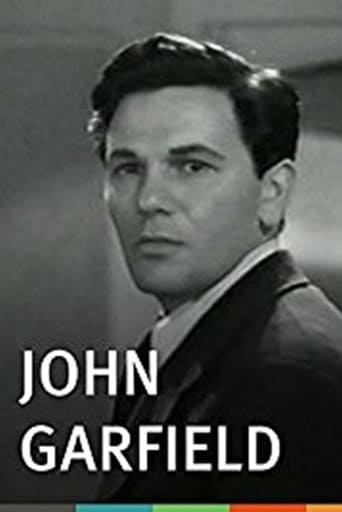
6.0Mark Rappaport's look at the life and work of actor John Garfield.
John Garfield
2002
6.0Mark Rappaport's look at the life and work of actor John Garfield.
John Garfield
2002
 5.5
5.5Nine Manhattanites receive a chain letter. Depending on their decision to either pass the letter on or to break the chain, the various characters can encounter romance, fulfillment -- and sudden death.
Chain Letters
1985
5.5Nine Manhattanites receive a chain letter. Depending on their decision to either pass the letter on or to break the chain, the various characters can encounter romance, fulfillment -- and sudden death.
Chain Letters
1985
5.5Nine Manhattanites receive a chain letter. Depending on their decision to either pass the letter on or to break the chain, the various characters can encounter romance, fulfillment -- and sudden death.
Chain Letters
1985
 NR
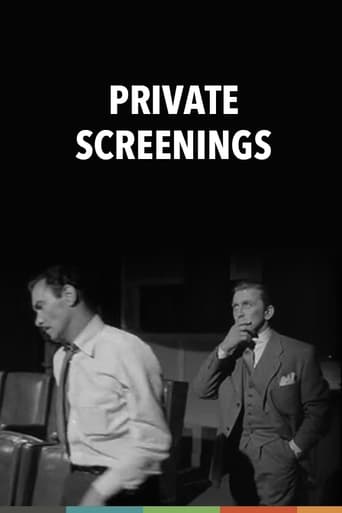
NRThe screening room used to be a microcosm of a larger world, filled with churning emotions and explosive temperaments. Welcome to the comfortable world of the private screening rooms where what is on the screen pales in comparison to what happens among the viewers.
Private Screenings
2017
NRThe screening room used to be a microcosm of a larger world, filled with churning emotions and explosive temperaments. Welcome to the comfortable world of the private screening rooms where what is on the screen pales in comparison to what happens among the viewers.
Private Screenings
2017
 5.8
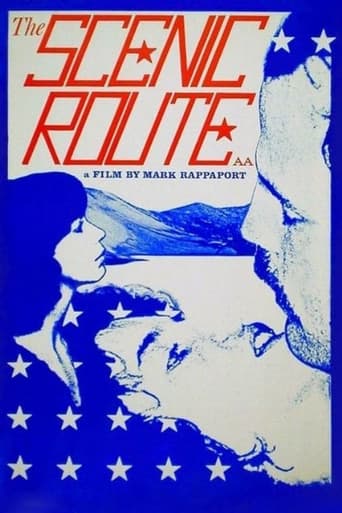
5.8An experimental drama that spins the tale of a woman, her sister, and the man who completes the triangle. Told through such fertile sources as grand opera, classical painting, and Victorian melodrama.
The Scenic Route
1978
5.8An experimental drama that spins the tale of a woman, her sister, and the man who completes the triangle. Told through such fertile sources as grand opera, classical painting, and Victorian melodrama.
The Scenic Route
1978
5.8An experimental drama that spins the tale of a woman, her sister, and the man who completes the triangle. Told through such fertile sources as grand opera, classical painting, and Victorian melodrama.
The Scenic Route
1978
 5.0
5.0An irreverent take on Mozart's relations with the three Weber sisters: Louisa, whom he loved, but who didn't love him; Constanza, whom he loved and married; and Sophie, who loved him but whom he didn't love. An anthology of arias from Mozart's operas, in which art comments on life through a cheeky use of back-projection and miming to records.
Mozart in Love
1975
5.0An irreverent take on Mozart's relations with the three Weber sisters: Louisa, whom he loved, but who didn't love him; Constanza, whom he loved and married; and Sophie, who loved him but whom he didn't love. An anthology of arias from Mozart's operas, in which art comments on life through a cheeky use of back-projection and miming to records.
Mozart in Love
1975
5.0An irreverent take on Mozart's relations with the three Weber sisters: Louisa, whom he loved, but who didn't love him; Constanza, whom he loved and married; and Sophie, who loved him but whom he didn't love. An anthology of arias from Mozart's operas, in which art comments on life through a cheeky use of back-projection and miming to records.
Mozart in Love
1975
 4.0
4.0Near Munich, in Bavaria, Germany, is the Schleißheim Palace, where French filmmaker Alain Resnais shot his film Last Year at Marienbad in 1960. Nearby is the Dachau concentration camp, where thousands of people were killed between 1933 and 1945. An essay about the present and the past, beauty and horror, life and death.
Last Year in Dachau
2020
4.0Near Munich, in Bavaria, Germany, is the Schleißheim Palace, where French filmmaker Alain Resnais shot his film Last Year at Marienbad in 1960. Nearby is the Dachau concentration camp, where thousands of people were killed between 1933 and 1945. An essay about the present and the past, beauty and horror, life and death.
Last Year in Dachau
2020
The great French actor, Marcel Dalio, who has the lead role in Jean Renoir's THE RULES OF THE GAME, also appears in Renoir's GRAND ILLUSION. In both films he plays a character who is Jewish, as Dalio was in real life. In fact, in most of the French films he's in the 1930s, he almost always plays shady characters, informers, blackmailers and gangsters. In other words, he is always "the Jew." When the Nazis invaded France in 1940, he fled to America and appeared in CASABLANCA and TO HAVE AND HAVE NOT. In America, he was no longer the Jew but The Frenchman. He became, in dozens of films, America's idea of a typical Frenchman. His film career has these two strands in which he has two different identities. Are you defined by other people and their perceptions of who you are? Are you always a creation of the way people want to see you? Or can you exist outside of the arbitrary boundaries which are placed on you?
I, Dalio
2015
 6.1
6.1Mark Rappaport's off center soap opera parody concerning several characters including a barber, his wife, and a pair of incestuous twins.
Local Color
1977
6.1Mark Rappaport's off center soap opera parody concerning several characters including a barber, his wife, and a pair of incestuous twins.
Local Color
1977
 3.0
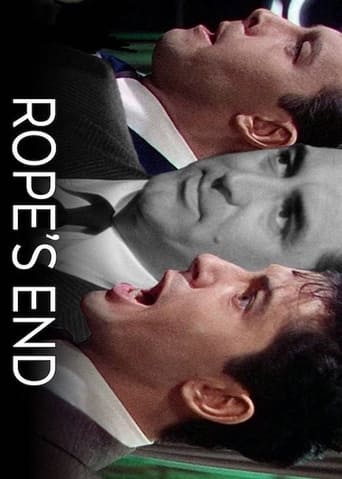
3.0A fictionalized biography on John Dall who was in two great movies - Alfred Hitchcock’s Rope (1948) and Joseph H. Lewis’ Gun Crazy (1950).
Rope’s End
2022
3.0A fictionalized biography on John Dall who was in two great movies - Alfred Hitchcock’s Rope (1948) and Joseph H. Lewis’ Gun Crazy (1950).
Rope’s End
2022
 5.5
5.5As a teenager, Sergei Eisenstein signed his drawings with "Sir Gay". Mark Rappaport sees clear signs of his sexual preferences throughout the Russian’s film oeuvre. Numerous asides illustrate how Hollywood productions likewise frequently played with nods and winks and typical motifs from gay culture.
Sergei/Sir Gay
2017
5.5As a teenager, Sergei Eisenstein signed his drawings with "Sir Gay". Mark Rappaport sees clear signs of his sexual preferences throughout the Russian’s film oeuvre. Numerous asides illustrate how Hollywood productions likewise frequently played with nods and winks and typical motifs from gay culture.
Sergei/Sir Gay
2017
5.5As a teenager, Sergei Eisenstein signed his drawings with "Sir Gay". Mark Rappaport sees clear signs of his sexual preferences throughout the Russian’s film oeuvre. Numerous asides illustrate how Hollywood productions likewise frequently played with nods and winks and typical motifs from gay culture.
Sergei/Sir Gay
2017
 6.0
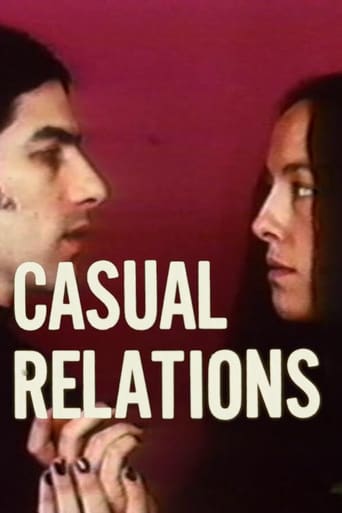
6.0In Rappaport’s dazzling and bizarre feature-length debut, he focuses on states of imaginative possession and dispossession, demonstrating how impossible it is to separate fantasies, dreams, and realities.
Casual Relations
1974