
Acting
Ultra Violet
Born — Died
1935-09-06 — 2014-06-14
Place of birth
Grenoble, France
Known for
Acting
Credits
34 titles
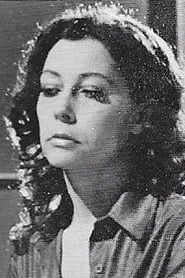
Isabelle Collin Dufresne was a French-American artist, author, and both a colleague of Andy Warhol and one of the pop artist's so-called superstars. Earlier in her career, she worked for and studied with surrealist artist Salvador Dalí. Dufresne lived and worked in New York City, and also had a studio in Nice, France.
Known for
 6.8
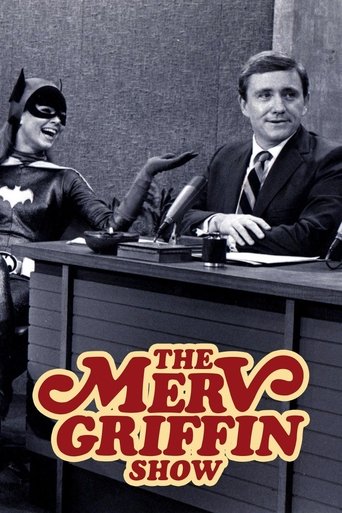
6.8No synopsis available yet.
The Merv Griffin Show
1962
 7.5
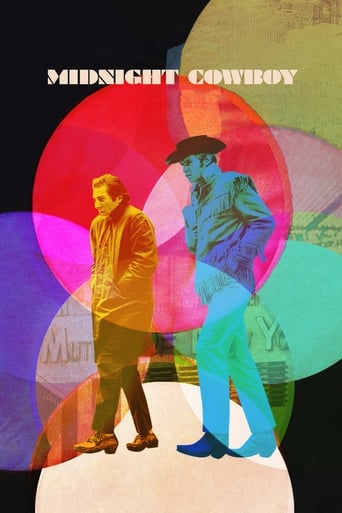
7.5Joe Buck is a wide-eyed hustler from Texas hoping to score big with wealthy New York City women; he finds a companion in Enrico "Ratso" Rizzo, an ailing swindler with a bum leg and a quixotic fantasy of escaping to Florida.
Midnight Cowboy
1969
 6.8
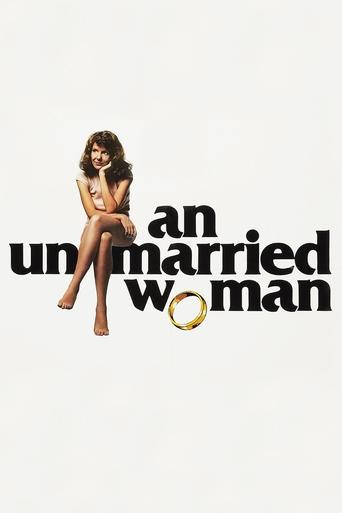
6.8A wealthy woman from Manhattan's Upper East Side struggles to deal with her new identity and her sexuality after her husband of 16 years leaves her for a younger woman.
An Unmarried Woman
1978
 6.9
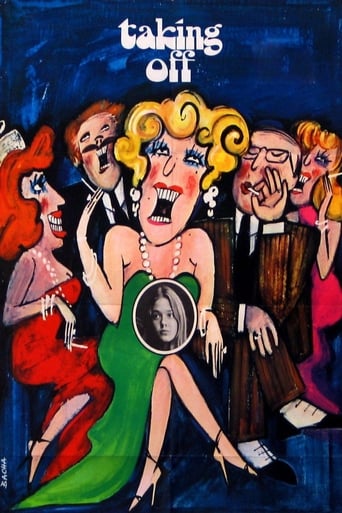
6.9Unable to deal with her parents, Jeannie Tyne runs away from home. Larry and Lynn Tyne search for her, and in the process meet other people whose children ran away. With their children gone, the parents are now free to rediscover/enjoy life.
Taking Off
1971
 4.9
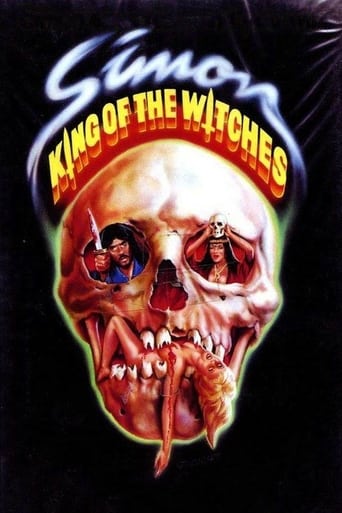
4.9Simon is a modern day warlock. Though he lives in a storm drain and sometimes talks to trees, he's deadly serious about his witchcraft. After being picked up for vagrancy, Simon spends a night in jail with Turk, a young hustler with connections to powerful people such as Hercules, an aging hipster who hires Simon to work one of his groovy parties. There he meets Linda, the DA's pill-popping daughter. In between romanic dalliances and colorful sex magic ceremonies, Simon must contend with those who dare to challenge his magical prowess causing him to summon the dark world for his revenge.
Simon, King of the Witches
1971
 7.0
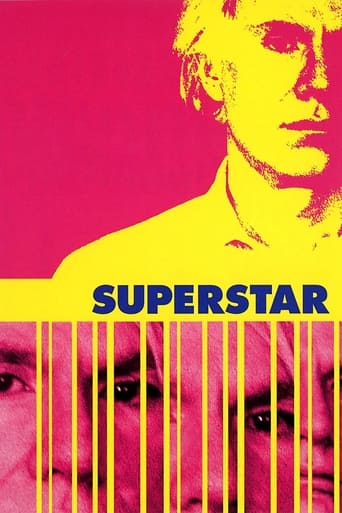
7.0Iconic American artist and filmmaker Andy Warhol is the subject of this documentary, which looks at both his life and his influence on pop culture. The film provides details about Warhol's upbringing in Pittsburgh and follows his move to New York City, where he found massive success turning pop imagery into art and eventually founded "The Factory," his famed studio and party venue. Among the many notables interviewed are Dennis Hopper, David Hockney, and Roy Lichtenstein.
Superstar: The Life and Times of Andy Warhol
1990
Film credits
2010s · 4 titles
 NR
NRWarhol Superstar Ultra Violet (Isabelle Colin Dufresne) and Lower East Side Icon Taylor Mead (Poet/Actor/Artist) share their stories of Manhattan in the 1960s.
Taylor & Ultra: On the 60s, The Factory, and Being a Warhol Superstar
2016
 9.0
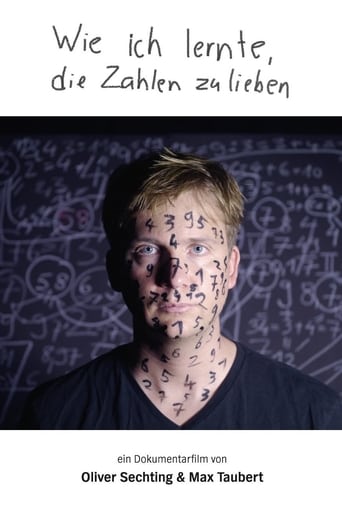
9.0A New York film and at the same time the study of a young man suffering from an obsessive-compulsive disorder (OCD). The Berlin filmmaker Oliver Sechting (37) and his co-director Max Taubert (23) travel to New York with the idea of documenting the art scene there. However, the project is quickly overshadowed by Oliver's OCD, and the two directors fall prey to a conflict that becomes the central theme of their film. Encounters with such artists as film directors Tom Tykwer (Cloud Atlas), Ira Sachs (Keep the Lights On), and Jonathan Caouette (Tarnation) or the transmedia artist Phoebe Legere seem more and more to resemble therapy sessions. At last, Andy Warhol-Superstar Ultra Violet succeeds in opening a new door for Oliver.
How I Learned to Love the Numbers
2014
 NR
NRAn astonishing journey of the images taken by William John Kennedy in the early 60's of Robert Indiana, Andy Warhol with their iconic works.
Full Circle: Before They Were Famous
2010
 NR
NRNew York Conversations is a documentary made of varied conversations revolving around cinema in New York. These conversations give us the opportunity to sketch some of the bad boys and girls -directors, actors or producers of New York cinema, whether they be famous, anonymous or blossoming talents. Young and impetuous for most, they are watched over by a few veterans. All share this iron will to remain independent, out of choice but above all, out of necessity. The necessity to create at any cost. Shot with a Super8 camera, this documentary groups together 15 short conversations about film making, life, independence, art and...New York.
New York Conversations
2010
2000s · 3 titles
Andy Warhol, one of the most influential artists of the 20th century (who also coined the immortal catchphrase "In the future, everyone will be famous for 15 minutes"), gets the definitive treatment. This film includes a look into his inner circle and examines both his artistic and personal impact on society. From day-glo Marilyns and Elvises to Campbell's Soup cans to the groovy 1960s and '70s, step into the limelight of the Warhol world.
Andy Warhol: The Complete Picture
2001
 2.9
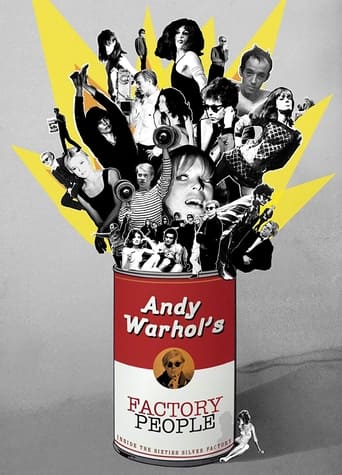
2.9Takes an in-depth look at the lives and times of the people who hung out with Andy Warhol and "worked" at the Silver Factory during the Sixties, making it all click as a new counter-culture arose and began to exert its influence throughout the arts.
Andy Warhol's Factory People... Inside the Sixties Silver Factory
2008
 NR
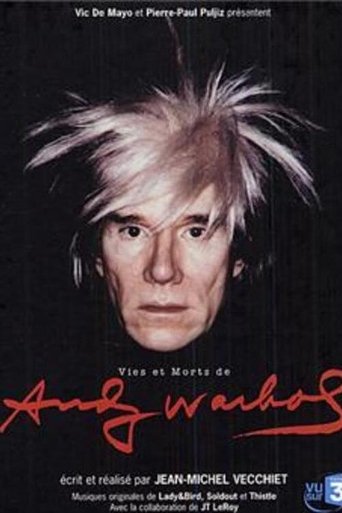
NRIcon of pop art, Andy Warhol has marked the 20th century. This film pays tribute to him with the exceptional participation of Ultraviolet, never-before-seen images of the "private" Warhol and archival documents from the Velvet Underground, Mick Jagger, David Bowie, Truman Capote.
Vies et morts d'Andy Warhol
2005
1990s · 2 titles
7.0Iconic American artist and filmmaker Andy Warhol is the subject of this documentary, which looks at both his life and his influence on pop culture. The film provides details about Warhol's upbringing in Pittsburgh and follows his move to New York City, where he found massive success turning pop imagery into art and eventually founded "The Factory," his famed studio and party venue. Among the many notables interviewed are Dennis Hopper, David Hockney, and Roy Lichtenstein.
Superstar: The Life and Times of Andy Warhol
1990
Three Young People go to the "Red Zone" of a futuristic London in this low budget underground feature.
Blackout
1994
1980s · 1 titles
1970s · 15 titles
6.8A wealthy woman from Manhattan's Upper East Side struggles to deal with her new identity and her sexuality after her husband of 16 years leaves her for a younger woman.
An Unmarried Woman
1978
6.9Unable to deal with her parents, Jeannie Tyne runs away from home. Larry and Lynn Tyne search for her, and in the process meet other people whose children ran away. With their children gone, the parents are now free to rediscover/enjoy life.
Taking Off
1971
4.9Simon is a modern day warlock. Though he lives in a storm drain and sometimes talks to trees, he's deadly serious about his witchcraft. After being picked up for vagrancy, Simon spends a night in jail with Turk, a young hustler with connections to powerful people such as Hercules, an aging hipster who hires Simon to work one of his groovy parties. There he meets Linda, the DA's pill-popping daughter. In between romanic dalliances and colorful sex magic ceremonies, Simon must contend with those who dare to challenge his magical prowess causing him to summon the dark world for his revenge.
Simon, King of the Witches
1971
 4.5
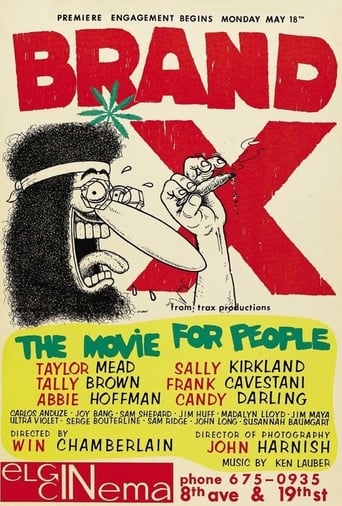
4.5In 1969, Taylor Mead complained to his friend artist Wynn Chamberlain that Andy Warhol had never paid him for any of the work he had done for him and Wynn said he would make a film especially for Taylor. Inspired by the banality of 1960's television, Chamberlain wrote and directed Brand X, an 87 minute series of faux television shows spoofing the politics and mass media of the day, complete with commercials for Sex, Sweat, Computer Dating and Peanut Butter. BRAND X follows Taylor Mead through a day in a wacky television studio as he portrays an exercise guru, a talk show host, a veteran returning from the American Civil War, a hospital patient in a soap opera, the President of the United States and a televangelist giving the Nightly Sermon. BRAND X satirizes President Nixon, the Vietnam War, sex, drugs, computers, money and race relations.
Brand X
1970
 4.9
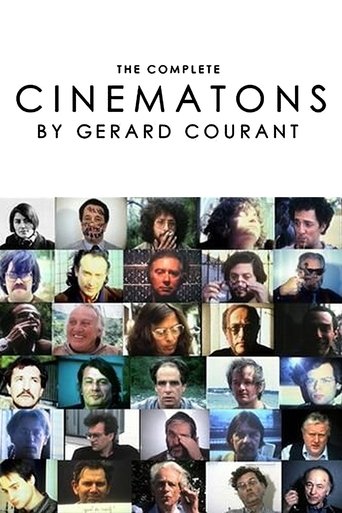
4.9Cinématon is a 156-hour long experimental film by French director Gérard Courant. It was the longest film ever released until 2011. Composed over 36 years from 1978 until 2006, it consists of a series of over 2,821 silent vignettes (cinématons), each 3 minutes and 25 seconds long, of various celebrities, artists, journalists and friends of the director, each doing whatever they want for the allotted time. Subjects of the film include directors Barbet Schroeder, Nagisa Oshima, Volker Schlöndorff, Ken Loach, Benjamin Cuq, Youssef Chahine, Wim Wenders, Joseph Losey, Jean-Luc Godard, Samuel Fuller and Terry Gilliam, chess grandmaster Joël Lautier, and actors Roberto Benigni, Stéphane Audran, Julie Delpy and Lesley Chatterley. Gilliam is featured eating a 100-franc note, while Fuller smokes a cigar. Courant's favourite subject was a 7-month-old baby. The film was screened in its then-entirety in Avignon in November 2009 and was screened in Redondo Beach, CA on April 9, 2010.
Cinématon
1978
 5.8
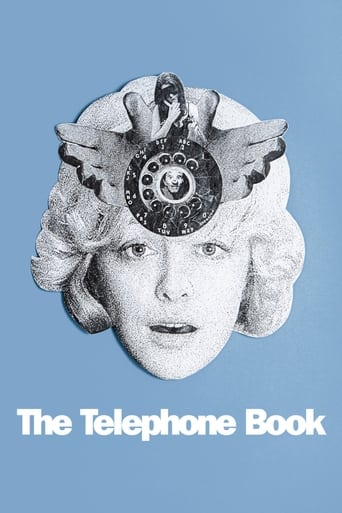
5.8A sexually voracious young woman receives a dirty phone call from a stranger; so satisfied by the experience, she sets out to find him somewhere in New York City.
The Telephone Book
1971
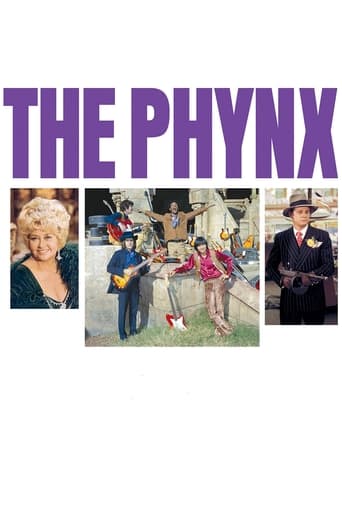 3.6
3.6A rock band is invented by the government as a cover to find hostages in a remote castle in Albania held by communist enemies of the USA.
The Phynx
1970
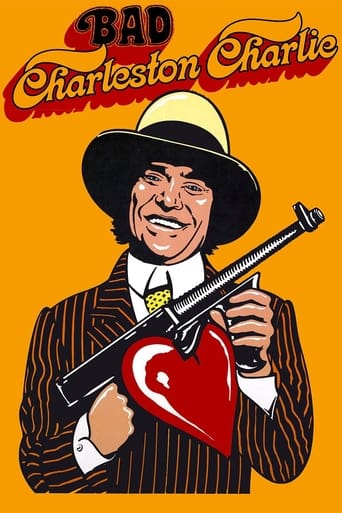 5.7
5.7A pair of miners attempt to muscle their way into a life of crime. 'Hilarity' ensues.
Bad Charleston Charlie
1973
 4.2
4.2Over a booze-fueled, increasingly hectic five-day shoot in East Hampton, Norman Mailer and his cast and crew spontaneously unloaded onto film the lurid and loony chronicle of U.S. presidential candidate and filmmaker Norman T. Kingsley debating and attacking his hangers-on and enemies. This gonzo narrative, “an inkblot test of Mailer’s own subconscious” (Time), becomes something like a documentary on its own making when costar Rip Torn breaks the fourth wall in one of cinema’s most alarming on-screen outbursts.
Maidstone
1971
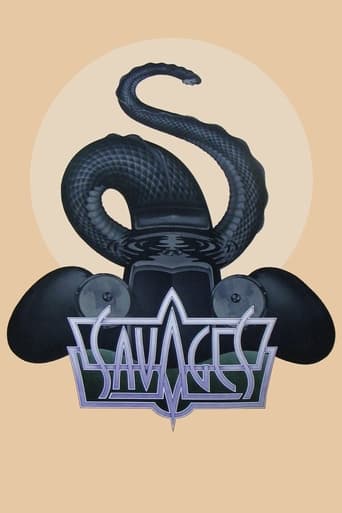 5.3
5.3A tribe of primitive "mudpeople" encounter a croquet ball, rolling through their forest. Following it, they find themselves on a vast, deserted Long Island estate. Entering, they begin to become civilized and assume the stereotypical roles and dress of people at a weekend party. There follows an allegory of upper-class behavior. At last, they begin to devolve toward their original status, and after a battle at croquet, they disappear into the woods.
Savages
1972
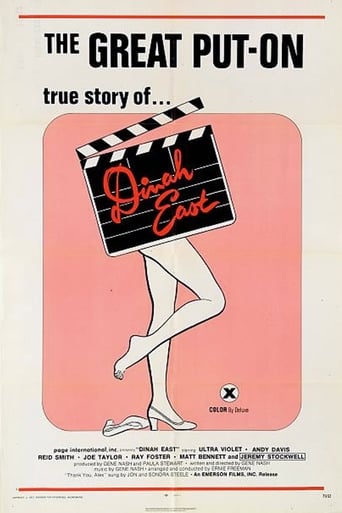 2.8
2.8A glamorous movie queen of the 1950s is revealed to be a man whose secret led to complicated relationships.
Dinah East
1970
 5.0
5.0Cleopatra situates itself in the same relationship to Hollywood as the Warhol/Morrisey films of the period. It corresponds to Joseph Mankiewicz's 1963 Cleopatra, starring Elizabeth Taylor and Richard Burton which Auder's cast watched and used as the starting point for scene by scene improvisation Auder drew his cast from Warhol's ensemble – including not only Viva and Louis Waldon, but also Taylor Mead, Ondine, Andrea Feldman, Gerard Melanga and others.
Cleopatra
1970
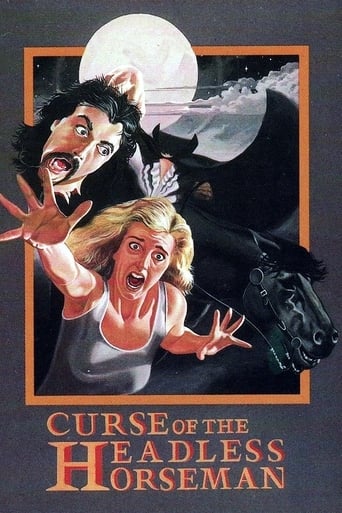 4.0
4.0A hippie medical student named Mark inherits his uncle's Wild West theme park. Mark and his stoner pals move in, only to find out that a violent ghost already lives there.
Curse of the Headless Horseman
1972
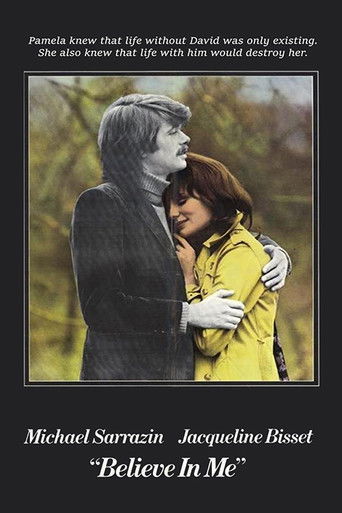 4.8
4.8Remy is a medical student who has a flair for making his patients comfortable. His genuine concern for the patients in his charge marks him as a hot prospect in his internship program. Pamela works at a children's book publishing company. The two meet via Pamela's brother, who is also Remy's good friend. They fall in love and get an apartment in the East Village of New York. Soon after, the couple begins to indulge in speed and barbiturates. They become heavily addicted. Remy is thrown out of medical school and Pamela quits her job. Remy soon finds himself in debt with the local dealer, Stutter, who introduces his customer to heroin as a revenge for his late bill. Pamela faces the prospect of getting sober at her brother's clinic, but must leave behind a destitute Remy in order to do it.
Believe in Me
1971
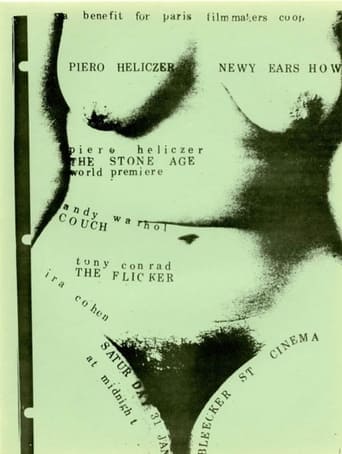 NR
NR"The question is, it is either going to be a stoned age or a new Stone Age" - Louis Brigante
The Stone Age
1970
1960s · 7 titles
7.5Joe Buck is a wide-eyed hustler from Texas hoping to score big with wealthy New York City women; he finds a companion in Enrico "Ratso" Rizzo, an ailing swindler with a bum leg and a quixotic fantasy of escaping to Florida.
Midnight Cowboy
1969
 5.0
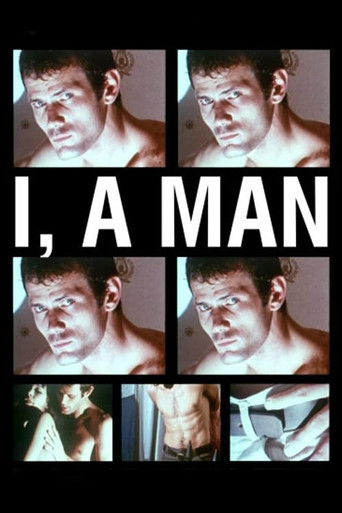
5.0Morrissey and Warhol's commercial take on the Swedish film I, A Woman. Somebody suggested to Warhol that they wanted a sexploitation film in the vein of I, A Woman, and so he and Morrissey concocted I, A Man. They created the story of this male hustler who talks with and sleeps with a series of women over the course of the film. The women are: a young woman who worries about parental acceptance of her sexuality, a woman who is on a couch, a woman with whom he does a seance, a woman who speaks French, a lesbian, and a married woman.
I, a Man
1967
 8.0
8.0The films were made between 1964 and 1966 at Warhol's Factory studio in New York City. Subjects were captured in stark relief by a strong key light, and filmed by Warhol with his stationary 16mm Bolex camera on silent, black and white, 100-foot rolls of film at 24 frames per second. The resulting two-and-a-half-minute film reels were then screened in 'slow motion' at 16 frames per second.
Andy Warhol Screen Tests
1965
 7.0
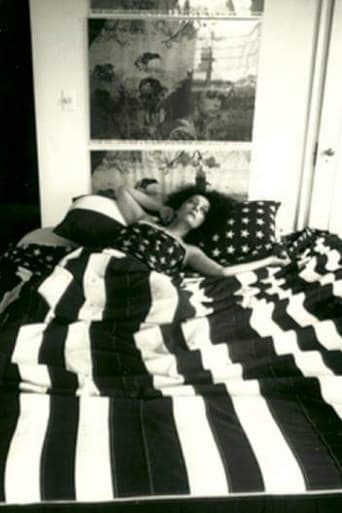
7.0A distinctly 1960s counterculture film presenting a series of odd sex-themed vignettes.
The Secret Life of Hernando Cortez
1969
 NR
NR"Desire Caught by the Tail" - Described as surrealistic, absurd, and weird. The narrative is nonlinear and the meaning nearly impossible to decipher, the work has been praised despite, and sometimes for, its lack of message.
Le Désir attrapé par la queue
1967
 4.7
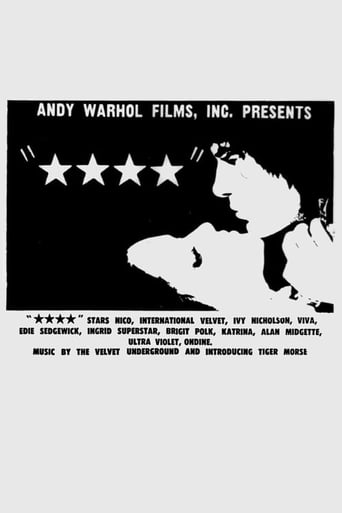
4.7Photographed entirely in color, Four Stars was projected in its complete length of nearly 25 hours (allowing for projection overlap of the 35-minute reels) only once, at the Film-Makers' Cinematheque in New York City. The imagery in the film is dense, wearying and beautiful, but ultimately hard to decipher, for, in contrast to his earlier, and more famous film Chelsea Girls, made in 1966, Warhol insisted that two reels be screened simultaneously on top of each other on a single screen, rather than side-by-side. The film's title is a pun on the rating system used by critics to rank films, with "four stars" being the highest rating. From Wikipedia.
Four Stars
1967
 6.9
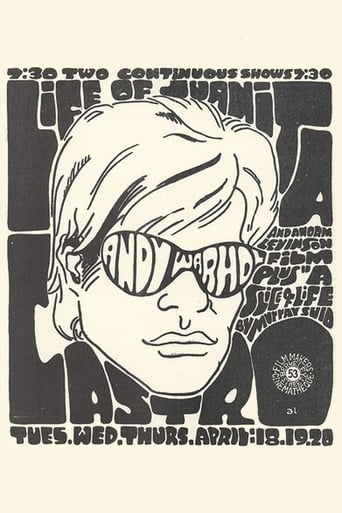
6.9A playwright taunts a number of actors into improvising a truly ridiculous but subtlely meaningful meditation on Fidel Castro and his family.
The Life of Juanita Castro
1965