
Known for
 6.7
Through oral histories, archival footage, photographs, and songs associated with the movement, "The Wobblies" tells the story of the Industrial Workers of the World, the radical union founded in Chicago in 1905 to organize workers across trades. Featuring interviews with aging Wobbly members alongside historical materials from early twentieth-century labor struggles, the film explores the union’s role in strikes, worker activism, and the broader fight for labor rights in the United States.
The Wobblies
1979
 7.0
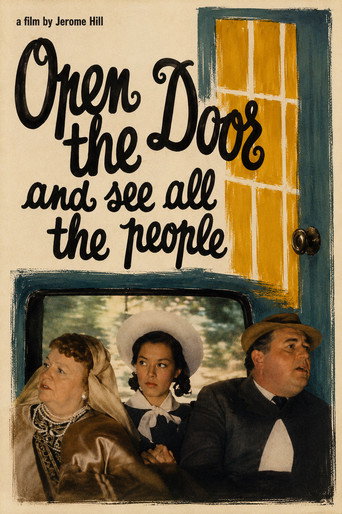
Based on Jerome Hill's unpublished novel, Peacock Feathers, this ensemble piece focuses on the relationship between two aging sisters.
Open the Door and See all the People
1964
 7.0
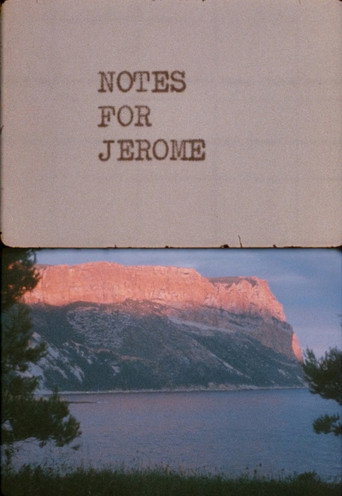
A tribute to Jonas Mekas' late friend and patron, Jerome Hill. Filmed on 16mm across three visits to Hill’s estate in Cassis, France, the film plays out as a tender visual diary of memory, passing time, and artistic exile. While the film focuses on daily life rather than explicit sexuality, it breathes with queer history. Hill was a closeted gay philanthropist who used his immense wealth to shelter and fund underground, heavily queer creatives. Mekas captures the warm, intimate atmosphere of this sanctuary, featuring legendary gay avant-garde icons like Warhol superstar Taylor Mead and actor Charles Rydell. Dedicated "to the wind of Lithuania" and featured in the 1979 Whitney Biennial, the film ultimately stands as a beautifully soft, authentic time capsule of a safe haven built by and for mid-century queer radicals.
Notes for Jerome
1978
 5.4
A 1950s accountant with a restless wife grows paranoid after hiding a milk thief's corpse next door.
Union City
1980
 7.7
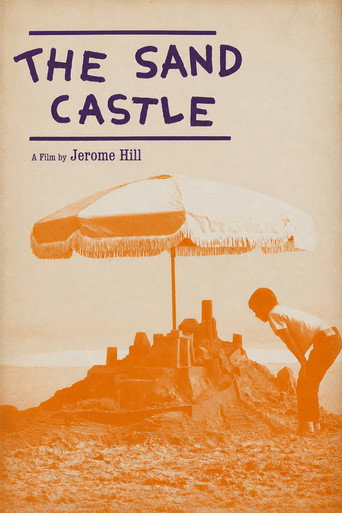
A little boy and his sister forced to spend a day at the beach build a sand castle, to the delight and interest of others. Rich black and white photography collides with a novel fantasy sequence combining color photography, stop motion and cutout animation. Equal parts Jacques Tati, A. Lamorisse and (Hill's perrenial favorite) C. G. Jung.
The Sand Castle
1961
 7.0
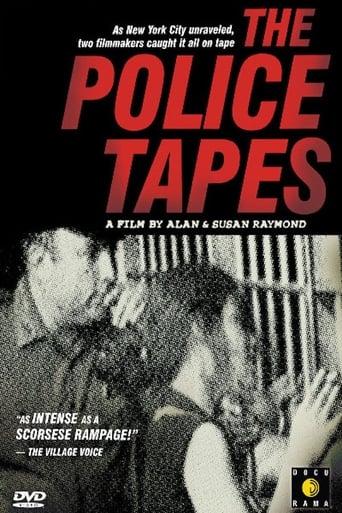
Filmmakers Alan and Susan Raymond spent three months in 1976 riding along with patrol officers in the 44th Precinct of the South Bronx, which had the highest crime rate in New York City at that time.
The Police Tapes
1977
Film credits
1980s · 1 titles
1970s · 4 titles
6.7Through oral histories, archival footage, photographs, and songs associated with the movement, "The Wobblies" tells the story of the Industrial Workers of the World, the radical union founded in Chicago in 1905 to organize workers across trades. Featuring interviews with aging Wobbly members alongside historical materials from early twentieth-century labor struggles, the film explores the union’s role in strikes, worker activism, and the broader fight for labor rights in the United States.
The Wobblies
1979
7.0A tribute to Jonas Mekas' late friend and patron, Jerome Hill. Filmed on 16mm across three visits to Hill’s estate in Cassis, France, the film plays out as a tender visual diary of memory, passing time, and artistic exile. While the film focuses on daily life rather than explicit sexuality, it breathes with queer history. Hill was a closeted gay philanthropist who used his immense wealth to shelter and fund underground, heavily queer creatives. Mekas captures the warm, intimate atmosphere of this sanctuary, featuring legendary gay avant-garde icons like Warhol superstar Taylor Mead and actor Charles Rydell. Dedicated "to the wind of Lithuania" and featured in the 1979 Whitney Biennial, the film ultimately stands as a beautifully soft, authentic time capsule of a safe haven built by and for mid-century queer radicals.
Notes for Jerome
1978
7.0Filmmakers Alan and Susan Raymond spent three months in 1976 riding along with patrol officers in the 44th Precinct of the South Bronx, which had the highest crime rate in New York City at that time.
The Police Tapes
1977
 6.5
An improvised hour-long fight between Brigid Berlin & Charles Rydell. Produced by Andy Warhol.
Fight
1973
1960s · 2 titles
7.0Based on Jerome Hill's unpublished novel, Peacock Feathers, this ensemble piece focuses on the relationship between two aging sisters.
Open the Door and See all the People
1964
7.7A little boy and his sister forced to spend a day at the beach build a sand castle, to the delight and interest of others. Rich black and white photography collides with a novel fantasy sequence combining color photography, stop motion and cutout animation. Equal parts Jacques Tati, A. Lamorisse and (Hill's perrenial favorite) C. G. Jung.
The Sand Castle
1961
