
Directing
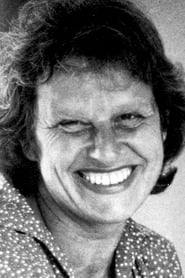
Faith Hubley
Born 1924-09-16 · New York, New York
Faith Hubley was an animator, known for her experimental work both in collaboration with her husband John Hubley, and on her own following her husband's death.
Acting credits
A documentary incorporating 13 weeks of teaching of film animation by Faith and John Hubley in the School of Art at Yale University including the conception and production of the film entitled Cockaboody. Made in collaboration with film students and faculty of the Yale Child Study Center, the film comprehends the realm of animation from the basic soundtrack of two small children to visualization and then execution in an art form
In Quest of Cockaboody
1974
 7.0
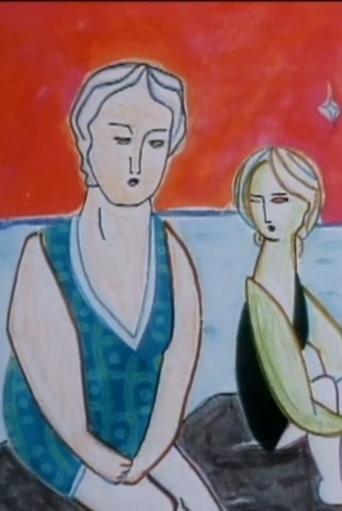
7.0A grandmother discusses past and present attitudes toward menstruation.
Her Grandmother's Gift
1995
Behind the camera
 6.0
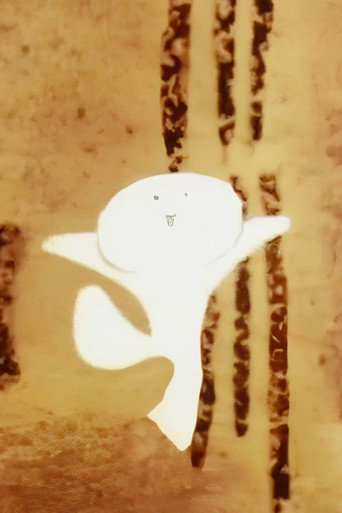
6.0Life drums the playfulness out of a boy as he grows up.
The Adventures of *
1957
 6.7
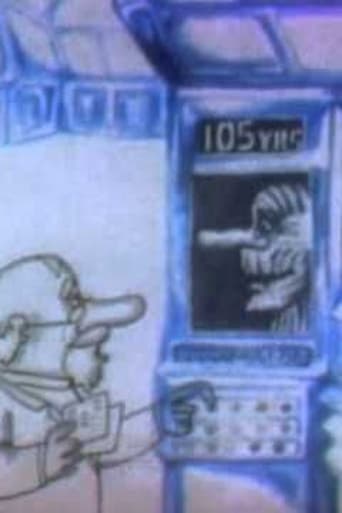
6.7The spirits of life and death go for a drive in this darkly humorous fantasia featuring an original score by Quincy Jones.
Eggs
1971
6.7The spirits of life and death go for a drive in this darkly humorous fantasia featuring an original score by Quincy Jones.
Eggs
1971
 5.9
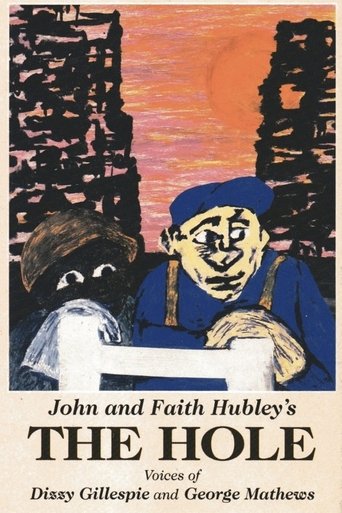
5.9Two men discuss the nature of accidents and the possibility of nuclear war.
The Hole
1962
 6.3
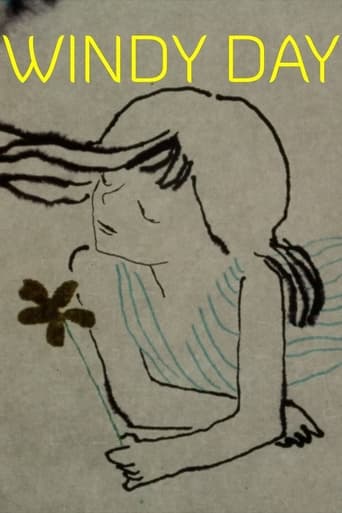
6.3Two little girls muse on marriage and babies, love and death as they create and act out plays in their backyard. Preserved by the Academy Film Archive in partnership with New York Women in Film & Television in 2006.
Windy Day
1968
6.3Two little girls muse on marriage and babies, love and death as they create and act out plays in their backyard. Preserved by the Academy Film Archive in partnership with New York Women in Film & Television in 2006.
Windy Day
1968
 6.0
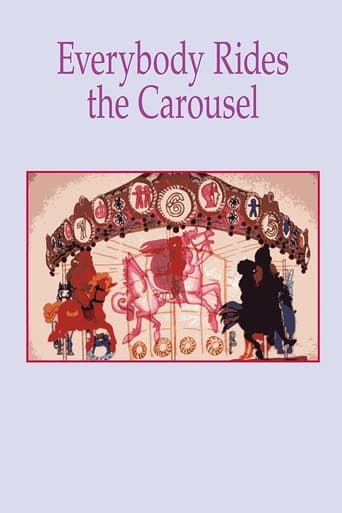
6.0"Everybody Rides the Carousel" invites the viewer along on eight "rides" through the different stages of life. Based on the work by Erik Erikson, one of the most influential psychoanalytic theorists of this century, the film explores the inner feelings and conflicted emotions experienced during each stage of personality development. With distinctive and poetic animation, John and Faith Hubley visualize the conflicts, joys, problems and delights we all experience on the carousel of life.
Everybody Rides the Carousel
1976
 6.8
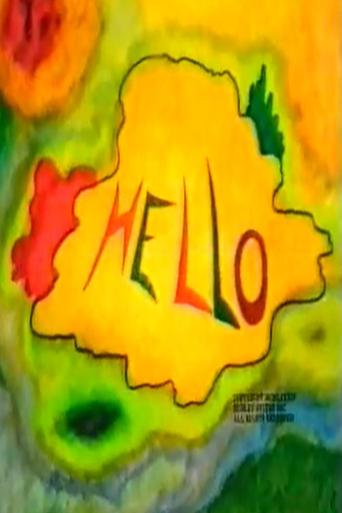
6.8Extraterrestrials contact earth in this delightful fable. Their message is "HELLO" in many languages, and there is a celebration.
Hello
1984
 5.4
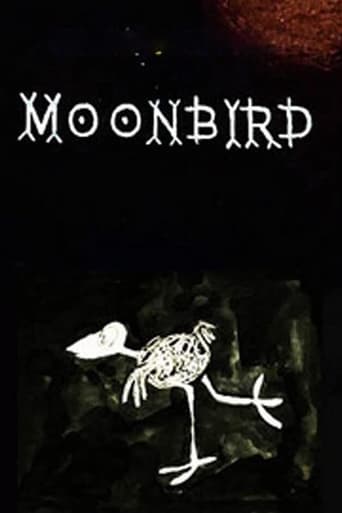
5.4Two boys go outside at night to capture a bird. Preserved by the Academy Film Archive in 2003.
Moonbird
1959
 7.5
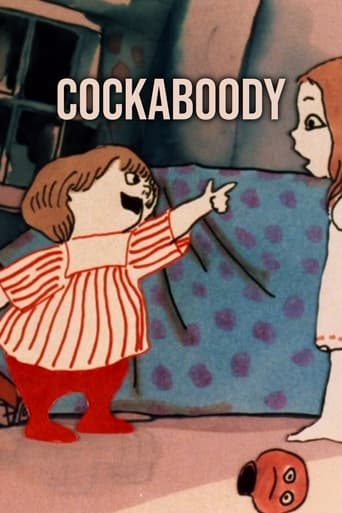
7.5John and Faith Hubley combined animation with the voices of their preschool daughters Georgia and Emily to make this award-winning short (New York Animation Festival), similar in concept to their earlier work "Moonbird".
Cockaboody
1974
7.5John and Faith Hubley combined animation with the voices of their preschool daughters Georgia and Emily to make this award-winning short (New York Animation Festival), similar in concept to their earlier work "Moonbird".
Cockaboody
1974
The dance floor of a cruise ship. As each passenger is chosen, they choose a song on the jukebox and dance to it. But one passenger, playing a joke on another, selects a different song first. He keeps choosing that song, and eventually fills the jukebox with coins. It plays the same song over and over, and everyone is compelled to dance with the ship itself getting sick, while the man who was the brunt of the joke escapes in a rowboat.
The Cruise
1966
Two soldiers patrolling opposite sides of the border between two countries speculate on what the world would be like if there were more cooperation between individuals and nations.
The Hat
1964
Two soldiers patrolling opposite sides of the border between two countries speculate on what the world would be like if there were more cooperation between individuals and nations.
The Hat
1964
 9.0
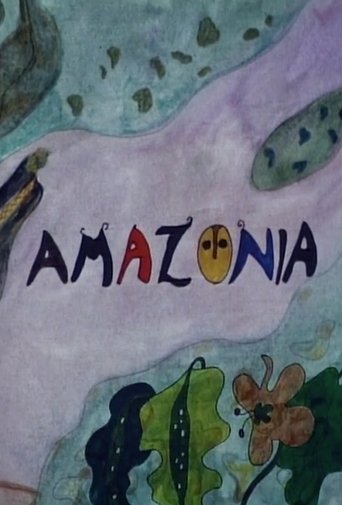
9.0Inspired by three South American myths, this film is a plea to save the tropical rain forest and its unique inhabitants.
Amazonia
1990
 5.6
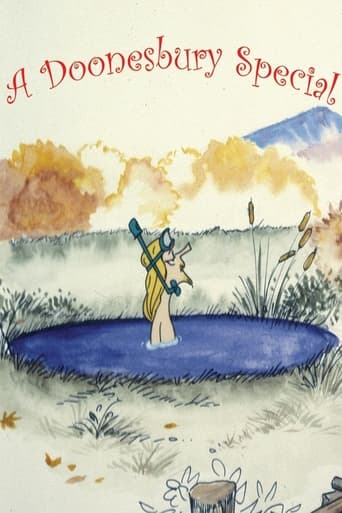
5.6Garry Trudeau's classic characters (Mike Doonesbury, Zonker, etc.) examine how their lifestyles, priorities, and concerns have changed since the end of their idealistic college days in the 1960s. Preserved by the Academy Film Archive in 2012.
A Doonesbury Special
1978
5.6Garry Trudeau's classic characters (Mike Doonesbury, Zonker, etc.) examine how their lifestyles, priorities, and concerns have changed since the end of their idealistic college days in the 1960s. Preserved by the Academy Film Archive in 2012.
A Doonesbury Special
1978
 8.0
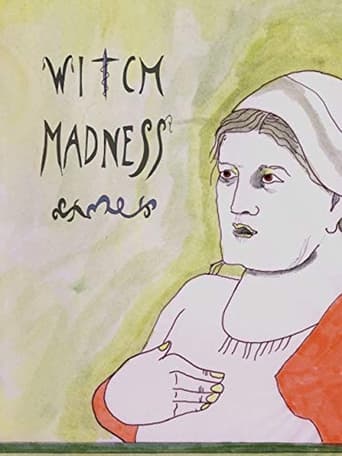
8.0Witch Madness depicts a neglected chapter of human history: Europe’s three centuries of fanatical witchhunts, which resulted in the genocide of perhaps as many as two million women. But ultimately, the film communicates a message of love and hope.
Witch Madness
2000
8.0Witch Madness depicts a neglected chapter of human history: Europe’s three centuries of fanatical witchhunts, which resulted in the genocide of perhaps as many as two million women. But ultimately, the film communicates a message of love and hope.
Witch Madness
2000
 5.3
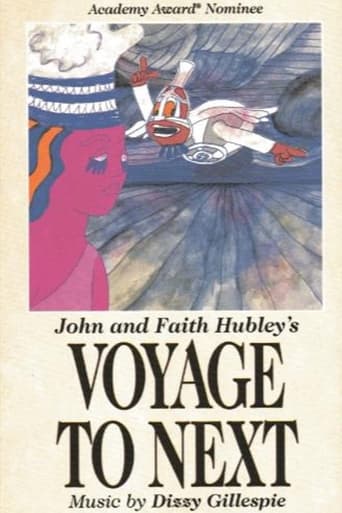
5.3Mother Earth and Father Time converse about the choices humans make. Preserved by the Academy Film Archive in 2010.
Voyage to Next
1974
5.3Mother Earth and Father Time converse about the choices humans make. Preserved by the Academy Film Archive in 2010.
Voyage to Next
1974
 10.0
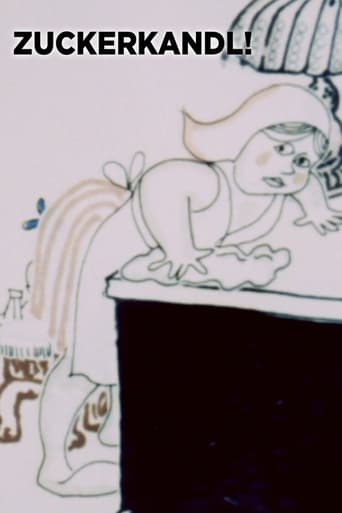
10.0Animated cartoon, in which philosopher and scholar Alexander Zuckerkandl proposes the view that detached, uninvolved existence is the best.
Zuckerkandl!
1968
 8.3
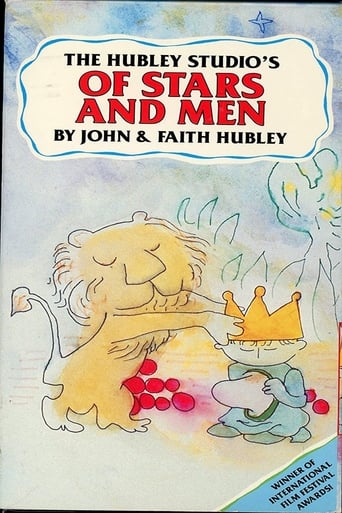
8.3Of Stars and Men is a 1964 animated film from the Hubley family of animators, based on the 1959 book of the same name by astronomer Harlow Shapley, who also narrates. Made in the style of a documentary, it tells of humankind's quest (in the form of a child) to find its place in the universe, through themes such as outer space, physical matter, the meaning of life and the periodic table. There are no character voices; instead, they "talk" through their actions. It has been cited as an example of an "animated documentary".
Of Stars and Men
1961
8.3Of Stars and Men is a 1964 animated film from the Hubley family of animators, based on the 1959 book of the same name by astronomer Harlow Shapley, who also narrates. Made in the style of a documentary, it tells of humankind's quest (in the form of a child) to find its place in the universe, through themes such as outer space, physical matter, the meaning of life and the periodic table. There are no character voices; instead, they "talk" through their actions. It has been cited as an example of an "animated documentary".
Of Stars and Men
1961