
Acting
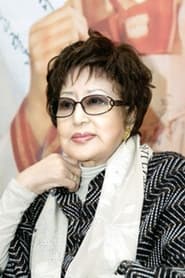
Choi Eun-hee
Born — Died
1926-11-20 — 2018-04-16
Place of birth
Gwangju, South Korea
Known for
Acting
Credits
68 titles
Choi Eun-hee (November 20, 1926 – April 16, 2018) was a South Korean actress, who was one of the country's most popular stars of the 1960s and 1970s. In 1978, Choi and her then ex-husband, movie director Shin Sang-ok, were abducted to North Korea, where they were forced to make films until they sought asylum at the US Embassy in Vienna in 1986. They returned to South Korea in 1999 after spending a decade in the United States.
Known for
 8.0
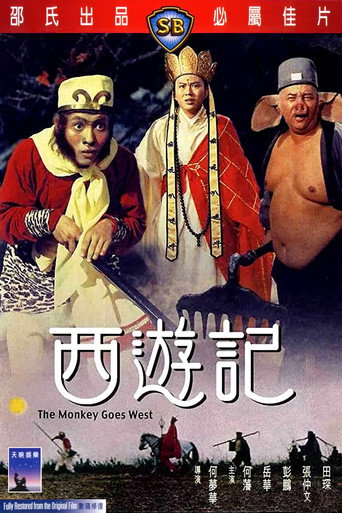
8.0THE MONKEY GOES WEST is the first entry in the studio’s epic, four-part screen adaptation of “Journey to the West,” a 16th-century novel recounting the efforts of a Buddhist monk and his magical companions to travel to India and bring back Buddhist sutras.
The Monkey Goes West
1966
 7.4
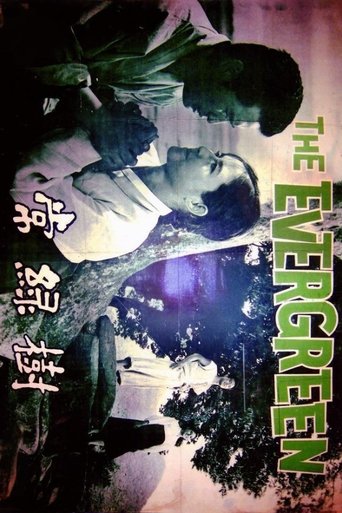
7.4Yeong-shin and Dong-hyuk graduate from college with a cause. They plan to bring education and modernization to farmers living in the rural area of their hometown. When they arrive, the pair immediately get to work, Dong-hyuk builds a village hall and starts aiding the farmers while Yeong-shin tries to gather the children to form a school. However, the villagers at first resent and resist the pair. It is not until one child, Ok-bun, takes the initiative and and learns to read under Yeong-shin’s care that the villages trust the pair and allow their children to be taken from the fields and taught reading, writing and math.
The Evergreen
1961
 6.7
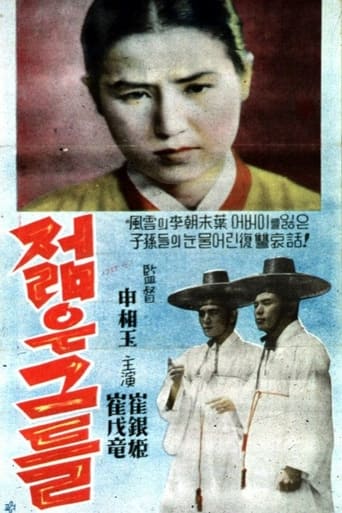
6.7In the latter years of the Korean Empire, Lee In Hwa, disguises herself as a man so she can join a group of young men determined to overthrow the colonial government. They fight together with young national activists presided by Hwal Min and supported by Daewon-gun, the Prince Regent, against Min Gyeom Ho and his peers. But Min and his team perform a surprise attack on Hwal Min and his peers.
The Youth
1955
 7.0
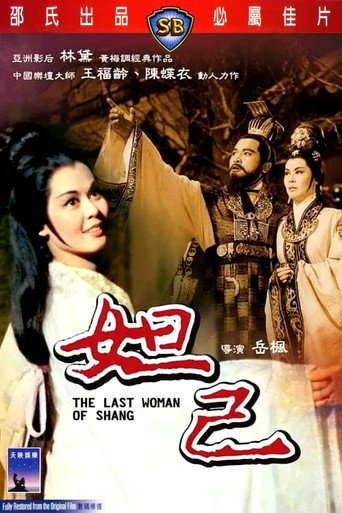
7.0In order to exact revenge upon him, a young woman (Lin Dai) marries the Emperor Chou (Shin Young-kyun), who killed her father.
The Last Woman of Shang
1964
 7.0
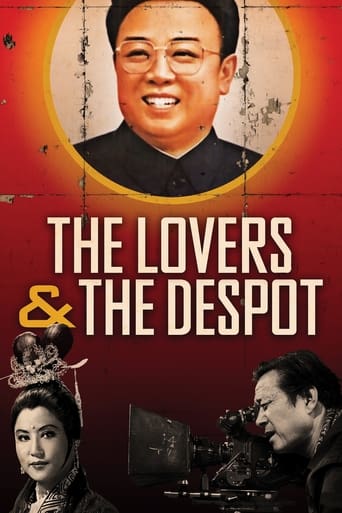
7.0Hong Kong, 1978. South Korean actress Choi Eun-hee is kidnapped by North Korean operatives following orders from dictator Kim Jong-il.
The Lovers and the Despot
2016
 6.2
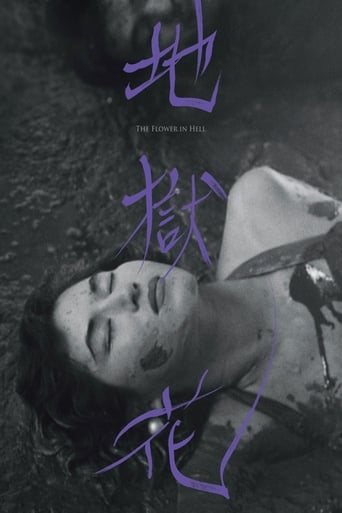
6.2In post-Korean War Seoul, a young man from the countryside discovers that his older brother has become romantically involved in a prostitute and has no intentions of returning home.
The Flower in Hell
1958
Film credits
2000s · 2 titles
 NR
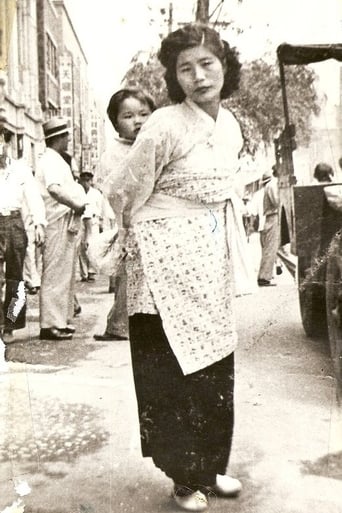
NRKeeping the Vision Alive is a documentary film containing the voices and images of Korean women filmmakers-both senior filmmakers and also the peers of director Yim. The film is Yim’s homage to both contemporary Korean women filmmakers, written by a filmmaker of the same age, and also to the history of women filmmakers in Korea. Yim does not reveal her own voice or opinion and lets the voices and images of the filmmakers speak for themselves through a non-interventionist camera. From the pioneers, Park Nam-ok, and Hwang Hye-mi, who directed First Experience in 70’s, to recent filmmakers, Byun Young-joo and Jang Hee-sun, the film traces their experiences, troubles, concerns and thoughts as women and women filmmakers. Keeping the Vision Alive calmly and enthusiastically encourages and celebrates the struggles, the resistance and the survival of women filmmakers in a conservative Korean film industry and a male-dominated and sexist social system. (Kwon Eun-sun)
Keeping the Vision Alive
2002
 NR
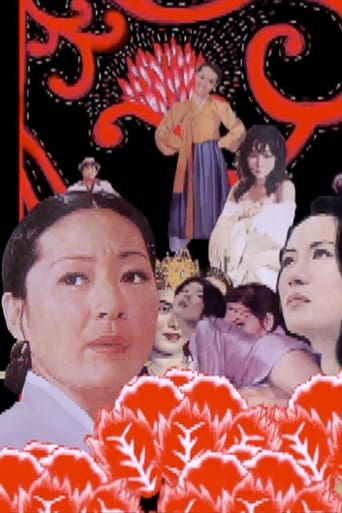
NR"I'll Be Seeing HER" is an approach to images of women in Korean cinema with a new genre, ‘Fanta Docu’, which shows beautiful and adventurous Korean actresses in the 1950s. The director, Kim Soyoung stated that “studying and teaching Korean cinema history, I felt sorry that most documentaries on Korean cinema had been made from the male perspective,” which led her to make a documentary on Korean cinema through women’s eyes. Kim So young directed ‘Women's History Trilogy’ (Koryu: Southern Women, South Korea, I'll Be Seeing Her: Women in Korean Cinema, New Woman: Her First Song) which was screened at many international film festivals including Yamagata International Documentary Film Festival.
I'll Be Seeing Her
2002
1980s · 4 titles
 10.0
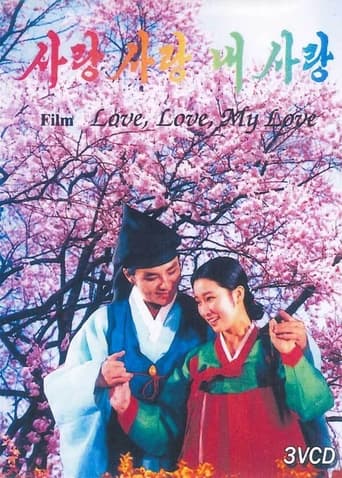
10.0The plot is based on the Korean folk tale, The Tale of Chunhyang. Chunhyang falls in love with the upper-class Ri Mong-ryong, but they must marry in secret. Mong-ryong is sent away to become a government official. While he is away, Chunhyang is imprisoned by a corrupt governor. Mong-ryong returns just in time to save her from execution and the two can publicly proclaim their love.
Love, Love, My Love
1985
 6.0
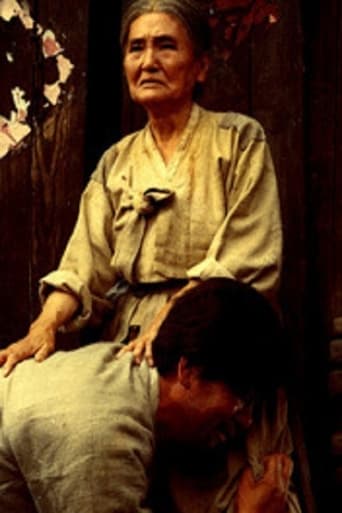
6.0Song Ryul returns to the countryside to see his ill father. After his cousin conspires with the Japanese occupiers to sell their crop, Song Ryul is forced to emigrate to Kando (Jiandao) in Manchuria. His family faces numerous adversities there and after a row with a local pharmacist, he is imprisoned. The prison is raided by Kim Il-sung and his guerrillas, who free the inmates, who take revenge on the Japanese by blowing up a railway.
Runaway
1984
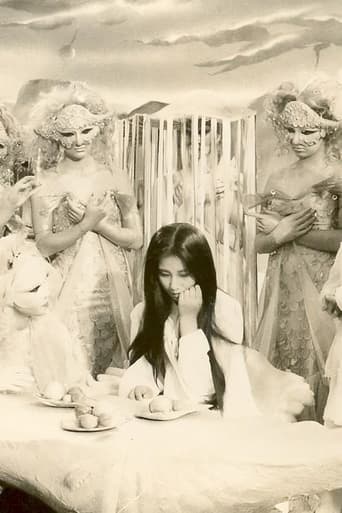 NR
NRMusical film based on the traditional story of the same name.
The Tale of Shim Cheong
1985
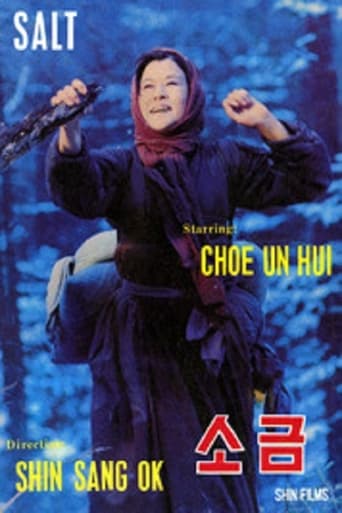 10.0
10.0Set in Gando in the 1930s, a family hides a wealthy Chinese-Korean merchant while the father is killed in a fight between the Japanese police and Chinese bandits. The wife believes the communists are the cause of her husband's death.
Salt
1985
1970s · 1 titles
1960s · 37 titles
8.0THE MONKEY GOES WEST is the first entry in the studio’s epic, four-part screen adaptation of “Journey to the West,” a 16th-century novel recounting the efforts of a Buddhist monk and his magical companions to travel to India and bring back Buddhist sutras.
The Monkey Goes West
1966
7.4Yeong-shin and Dong-hyuk graduate from college with a cause. They plan to bring education and modernization to farmers living in the rural area of their hometown. When they arrive, the pair immediately get to work, Dong-hyuk builds a village hall and starts aiding the farmers while Yeong-shin tries to gather the children to form a school. However, the villagers at first resent and resist the pair. It is not until one child, Ok-bun, takes the initiative and and learns to read under Yeong-shin’s care that the villages trust the pair and allow their children to be taken from the fields and taught reading, writing and math.
The Evergreen
1961
7.0In order to exact revenge upon him, a young woman (Lin Dai) marries the Emperor Chou (Shin Young-kyun), who killed her father.
The Last Woman of Shang
1964
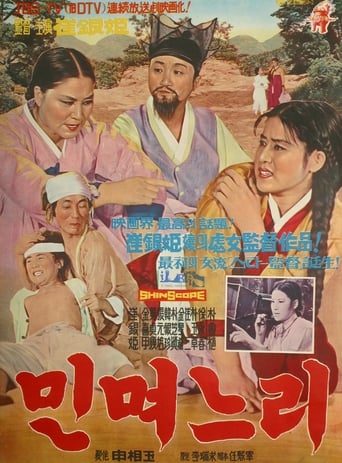 6.0
6.0Choi Eun-hee’s directorial debut The Girl Raised as a Future Daughter-In-Law is the story of ups and downs of a future daughter-in-law who, due to poverty, married an infant rich groom. A ruined widow’s daughter Jum-soon has no time to rest, as her mother-in-law treats her like a maid, leaving her with all the kitchen chores, house cleaning, grinding grain, and sewing, while the mother-in-law smokes a pipe and nitpicks on her. What allows Jum-soon to endure is her ‘duty as a woman’ taught to her since young and her child husband’s lovable yammering.
The Girl Raised as a Future Daughter-in-law
1965
 9.0
9.0No synopsis available yet.
The Moral of Youth
1960
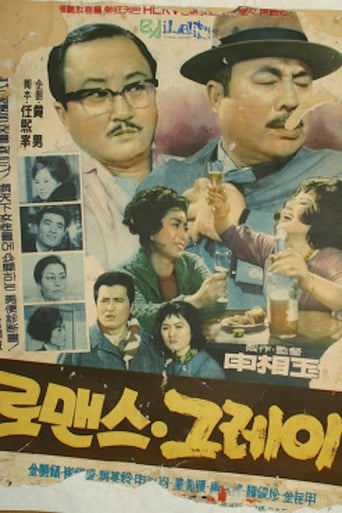 10.0
10.0When two wives realize that their wealthy and otherwise upstanding husbands have mistresses, they invite the 'other women' to stay in their houses for awhile. Realizing that they are breaking up happy families, the girls eventually agree to give up the married men.
Love Affair
1963
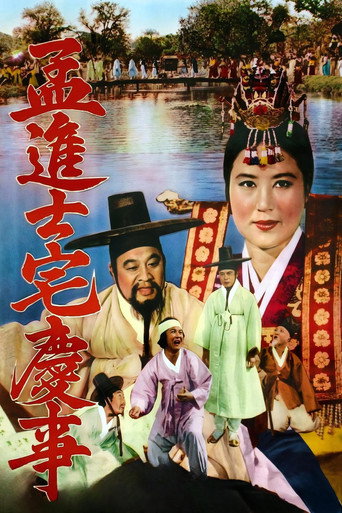 5.7
5.7Jinsa Maeng's daughter is contracted to marry a nobleman's son, however, Jinsa Maeng is upset when he hears about a rumor that the fiance of his daughter is lame. Finally, he decides to take on the idea of arranging his maid to take his daughter's place in the wedding.
A Happy Day of Jinsa Maeng
1962
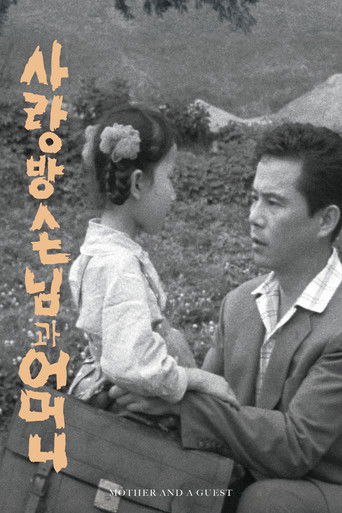 6.9
6.9Six-year-old Ok Hee is glad when Mr. Han comes to board at her house full of women. She plays messenger for Mr. Han and her widowed mother as they quietly fall in love, but is her support enough to guard their love?
Mother and a Guest
1961
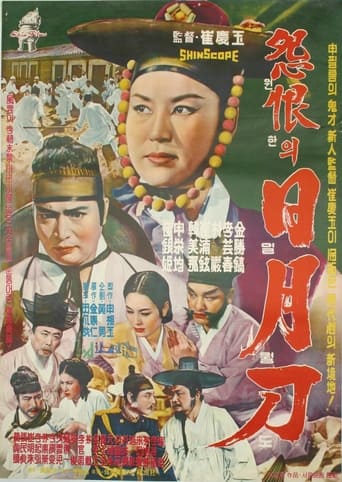 NR
NRNo synopsis available yet.
Revenge
1962
 6.5
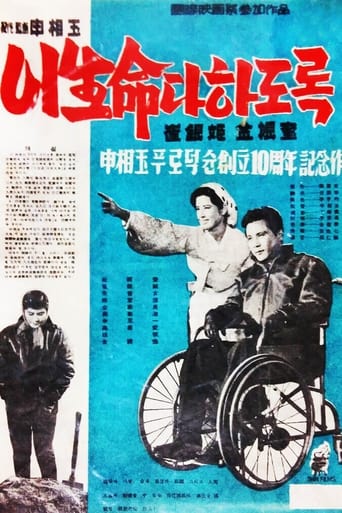
6.5Captain Kim is grievously wounded in the first days of the war. When the northern troops continue their advance, his wife and small daughters flee south to Taegu, dragging him along in a two-wheel handcart. His wife struggles to keep herself and their surviving daughter alive. Working as a market trader, she meets a kind young man -- who happens to be tall, dark and handsome.
To the Last Day
1960
 5.0
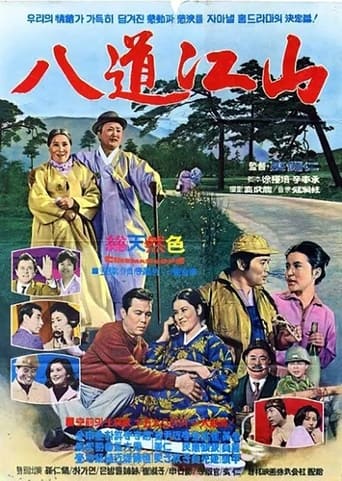
5.0An old couple who has a son and six daughters launch a journey to visit them around the nation as the seven children live throughout the country. During the nation-wide travel, they witness the modernization of Korea and feel satisfied with the children contributing to the national modernization directly or indirectly.
Six Daughters
1967
 7.7
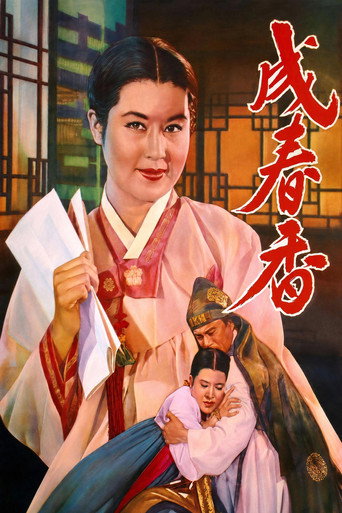
7.7Chun-hyang, the only daughter of an old gisaeng named Wolmae, falls in love with Lee Mong-nyong and promises to marry him. But Lee leaves for Seoul with his father who's an aristocrat, and the new governor, Byeon Hakdo, covets Chun-hyang because she is the most beautiful girl in town. When Chun-hyang rejects his order to serve him at night, Governor Byeon sends her to jail. In the mean time, Lee passes the state exam and becomes a special undercover agent of the king. He comes back to where Chun-hyang lives to save her and punishes Governor Byeon.
Seong Chun-hyang
1961
 7.0
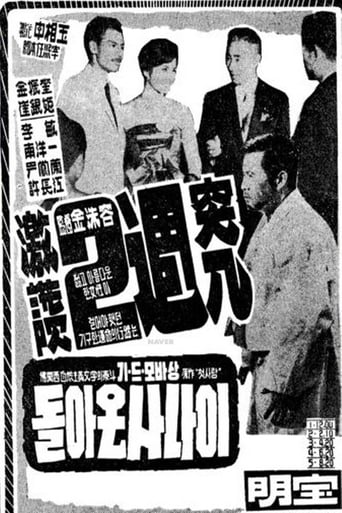
7.0Park Nam-ho works at a Japanese pharmaceutical company and lives happily with his wife, Gyeong-hui, in a house filled with beautiful white roses. Not long after hearing the wonderful news that his wife is pregnant, Park Nam-ho is drafted into the war in the Pacific. Posted in the Gwandong army, he survives the battle, though his face is burned. Back home, Gyeong-hui receives a telegram stating that her husband is dead. When she gives birth to their son, Cheol-soo, she goes to live in Seoul. When Nam-woo comes back to the country, he doesn't go to his wife, but rather goes to live in his hometown. On his way home, he encounters a child whose mother is dead, and takes her in as his own daughter.
A Returned Man
1960
 5.5
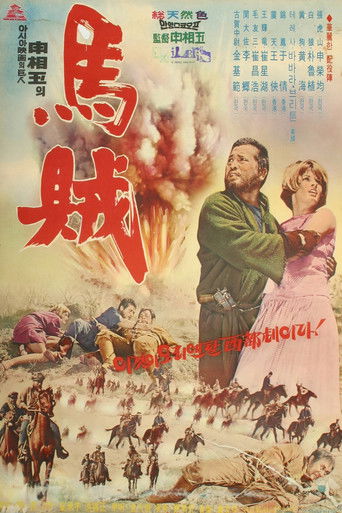
5.5During the Japanese occupation of Korea, the daughter of a British diplomat is kidnapped by bandits. A Japanese commander offers to free some Korean prisoners of war if the Korean Independence Army rescues the woman.
Mounted Bandits
1967
 7.2
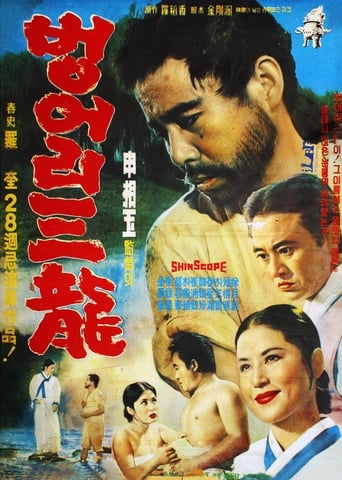
7.2The film is based on the 1925 short story of the same title by Na Do-hyang and revolves around the story of a deaf farm hand who is in love with a landlord's daughter-in-law.
Deaf Sam Yong
1964
 7.0
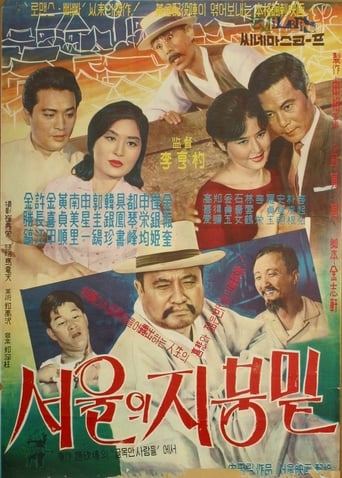
7.0An oriental doctor Kim Hak-gyu is a cantankerous man who is the longest-term householder in a small village in Seoul. He often causes domestic trouble by being nasty to his wife and his children. Kim Hyeon-ok, a daughter of a young widow who runs Nahana Beauty Shop, is in love with Choi Du-yeol, an obstetrician across the street. Kim Hak-gyu has great distaste for western medicine, and at the same time, is jealous of the obstetrician. He always gets in the way of Choi Du-yeol. Kim's son, Hyeon-gu, dates Jeom-ryae, a daughter of a bar owner.
Under the Sky in Seoul
1961
 NR
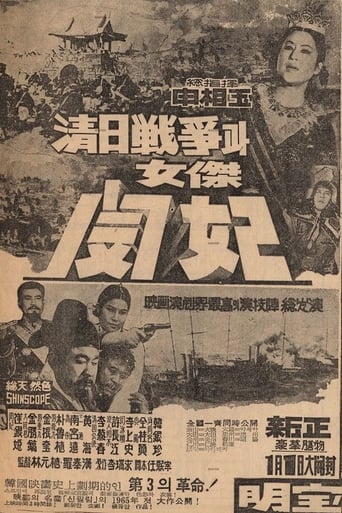
NRQueen Min makes regent Prince Daewon withdraw from ruling with the help of the Min Seung-ho Party.
The Sino-Japanese War and Queen Min the Heroine
1965
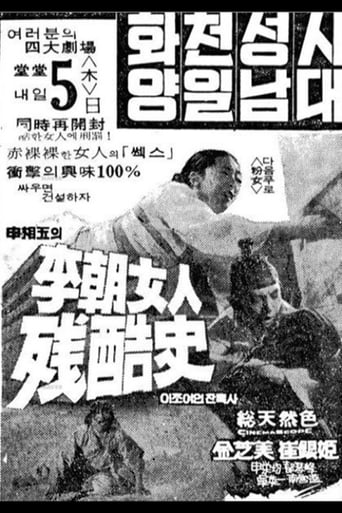 9.0
9.0Four short stories examing the lives of women in the last 18th and 19th century Story 1: 'Wives Should Be Submissive'--A father tries to marry his daughter into a wealthy family. Story 2: 'A Daughter-In-Law Is No Better Than A Stranger'--A woman thinks that her daughter-in-law has turned her son against her so she tries to kill the younger woman. Story 3: '7 Grounds For Divorce'--A wife begins an affair with her servant because of her husband's impotency Story 4: 'Prohibit Sex In Court'--A concubine's life is at risk when it is revealed that her infant child is not the king's.
Women of Yi-Dynasty
1969
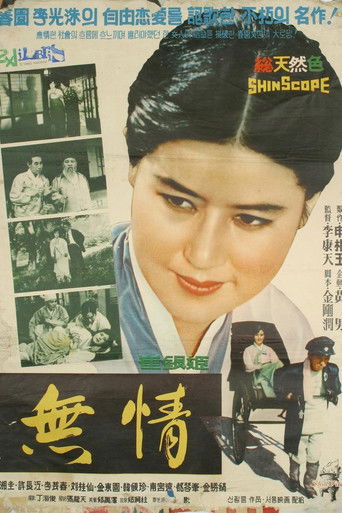 8.0
8.0No synopsis available yet.
Heartlessness
1962
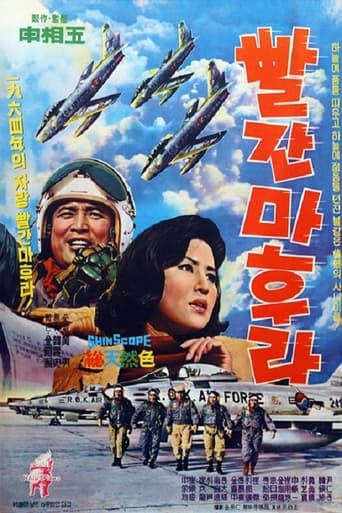 7.5
7.5South Korean Air Force pilots engage in perilous missions against Communist North Koreans during the Korean War.
Red Scarf
1964
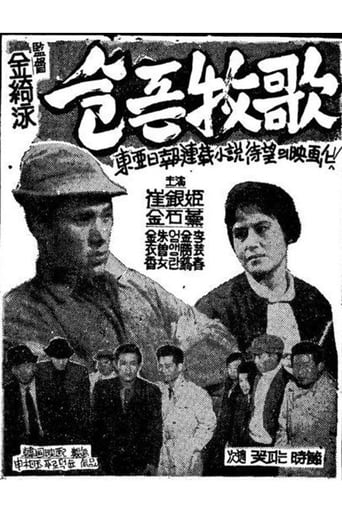 NR
NRNo synopsis available yet.
A Sad Pastorale
1960
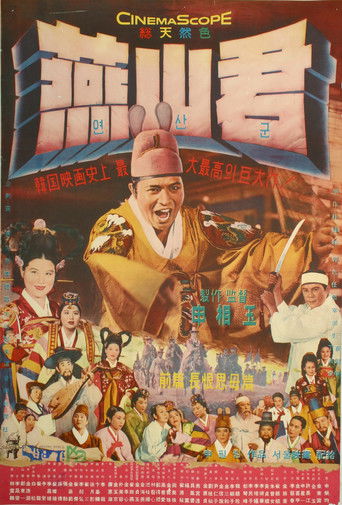 8.6
8.6A historical drama about Prince Yeon-san of Joseon as a prince trying to restore the status of his mother, the deposed and executed Queen Yun.
Prince Yeonsan
1961
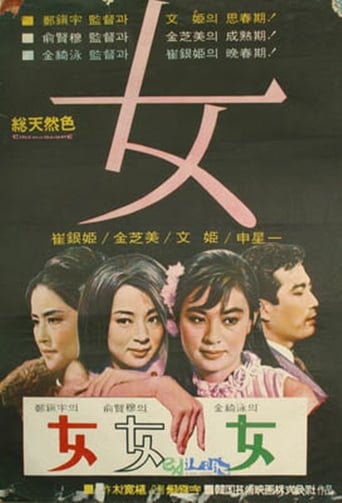 8.0
8.0A man meets a woman on his hiking trip to Mountain Seorak, but she suffers from incurable diseases. He becomes infatuated with her hair. When he tells her about his feeling she promises him that she would leave her hair after she dies as part his heritage for the man. But when he looks for her later she is already dead, and her hair was already sold to another person. He meets another woman he becomes intimate with, but finds that she is his biological mother.
Woman
1968
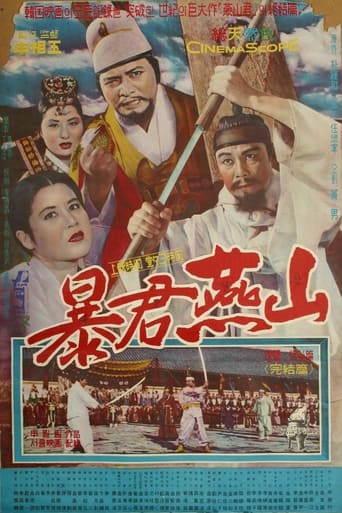 6.0
6.0Prince Yeonsan-gun turns into a tyrant out of grief for his mother's death. He orders beheadings of all the officials who displease him or who advised the previous king to depose the queen. He becomes crueler by the day. But in 10th year of his reign, he is kicked out of the throne and dies a tragic death.
Tyrant Yeonsan
1962
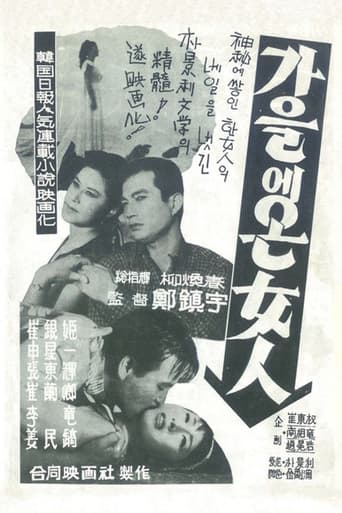 8.0
8.0No synopsis available yet.
The Woman Coming in Fall
1965
A royal delegation faces death when it returns with a document from the King of China with the royal signature spelled wrong. The leader of the delegation is sent back to China to correct the mistake before he and his associates are executed
The Cloud Bridge of Gratitude
1963
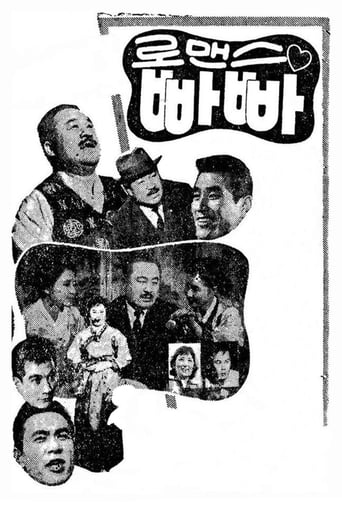 5.8
5.8A middle-aged man is laid off from work but is too proud to tell his family. His children, however, learn of the situation and take jobs of their own to help him save face.
Romance Papa
1960
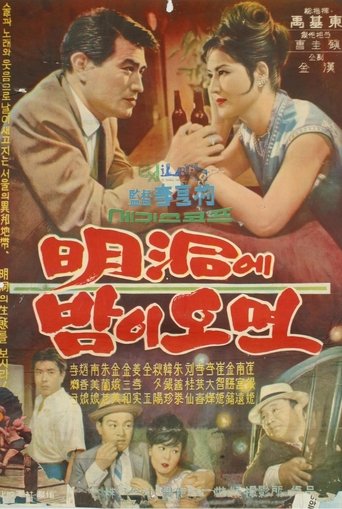 7.0
7.0A beautiful nightclub owner finds herself desired by many men, but she is saving herself for the one man she cannot have .
When Night Falls at Myeongdong
1964
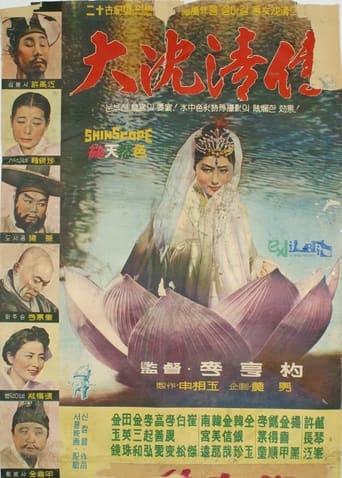 8.0
8.0Based on the traditional story of a girl who makes her blind father see by donating 300 bags of rice to Bongwon Temple.
The Story of Sim Cheong
1962
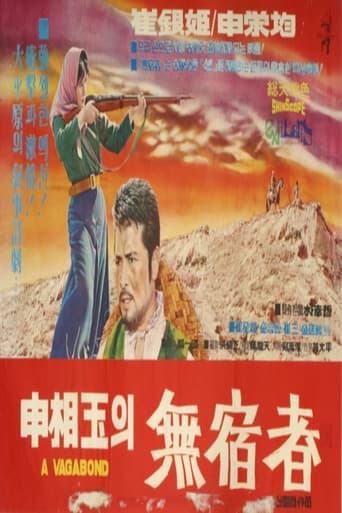 7.0
7.0A Manchurian Action movie modeled on George Stevens' "Shane."
The Homeless Wanderer
1968
 7.1
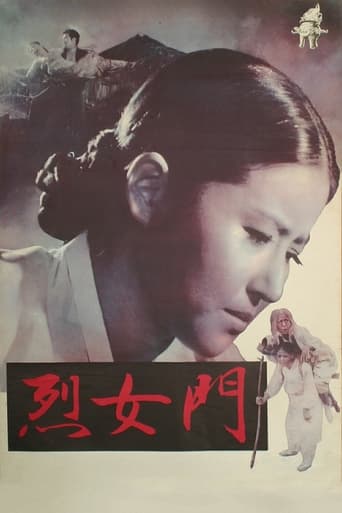
7.1The widow of a nobleman bears a son after having an affair with her servant. The servant and the baby are driven from the home by the woman's irate in-laws when the truth is discovered. Even after the child is grown, no contact is allowed between he and his mother who now denies the events of her past.
Bound by Chastity Rule
1962
 NR
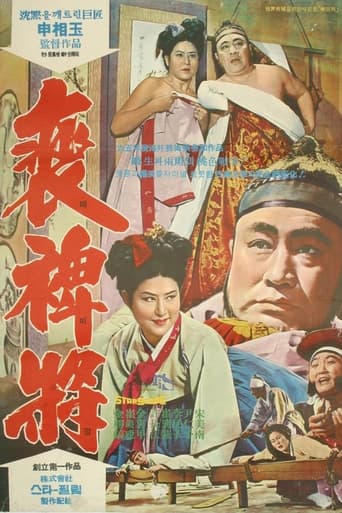
NRNo synopsis available yet.
The Story of Bae Local Offcial
1965
 NR
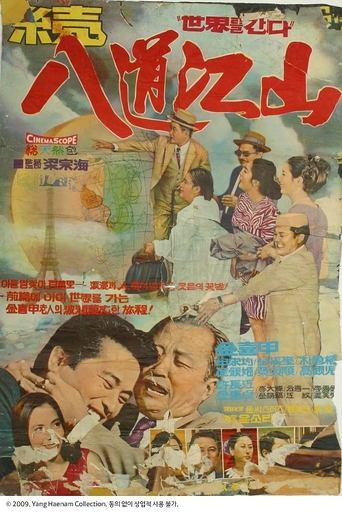
NRNo synopsis available yet.
The Land of Korea
1968
 7.0
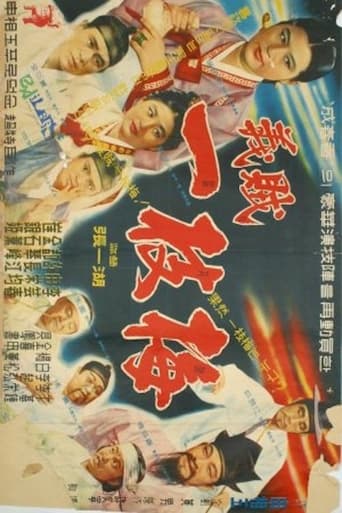
7.0Iljimae's parents were killed due to a conspiracy when he was young. Many years later he became a chivalrous robber, robbing corrupt officials and helping the poor. He eventually manages in taking revenge for his parents' deaths. But the police start to chase him, and he hides himself at a gisaeng's house. The gisaeng was his ex-fiancee. She also lost her parents to a conspiracy. She begs Iljimae to stay with her, but he leaves to do what he has to.
Iljimae the Chivalrous Robber
1961
 6.5
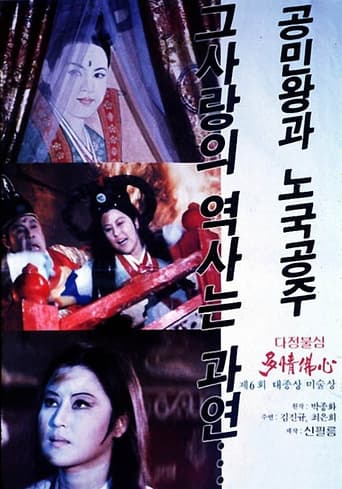
6.5King Kong-min tried to govern the country wisely but, after the death of his wife, he neglects hs state duties. Most of the important decisions to be made fall to the king's retainer Shin Dong, who is more interested in women than politics and the kingdom soon falls into chaos.
The Phantom Queen
1967
 7.9
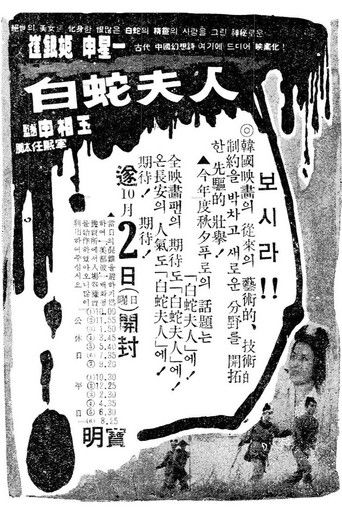
7.9A thousand-year-old snake that has transformed itself into a human, Madame White Snake (Choe Eun-hui), falls in love with a young pharmacist named Heo-Seon. Although they encounter difficulties, they are wed, and their love for each other does not change. However, Beophaeseonsa (a Zen priest) and Gwaneumbosal (the Buddhist goddess of mercy) order Madame White Snake, who had transformed into human without being granted permission to do so, to return back to the world of the gods before July 7. Grieving, she prepares to say goodbye to her beloved husband. But before she can return to the world of the gods in time, she falls into a trap set by Dae-yun (Choe Sam), who is attracted to her. Because of the trap, she is not able to keep the promised deadline, and ends up risking her life to save her husband.
Madam White Snake
1960
 9.0
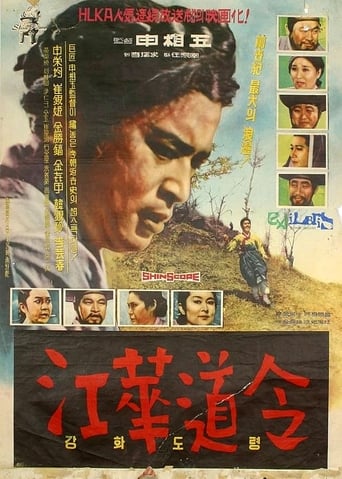
9.0When King Heon-kong falls ill, a power struggle erupts over who will inherit the throne. Tired of all the infighting, the ministers arrange for a branch of the king's family, which had lost all its wealth and was living on remote Ganghwa Island, to inherit. But the heir to the throne is reluctant to leave his island home.
A Reluctant Prince
1963
1950s · 11 titles
6.7In the latter years of the Korean Empire, Lee In Hwa, disguises herself as a man so she can join a group of young men determined to overthrow the colonial government. They fight together with young national activists presided by Hwal Min and supported by Daewon-gun, the Prince Regent, against Min Gyeom Ho and his peers. But Min and his team perform a surprise attack on Hwal Min and his peers.
The Youth
1955
6.2In post-Korean War Seoul, a young man from the countryside discovers that his older brother has become romantically involved in a prostitute and has no intentions of returning home.
The Flower in Hell
1958
 6.5
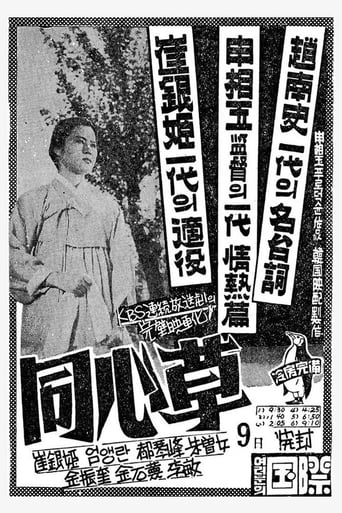
6.5Lee Suk-hui (Choe Eun-hui) lost her husband to the Korean War eight years ago. She runs a dressmaking shop that has fallen into debt. When Kim Sang-gyu (Kim Jin-gyu), the executive director of a publishing company, helps her pay off debts, she falls in love with him. He, however, is engaged to the daughter of his boss, Ok-ju (Do Geum-bong). His sister (Ju Jeung-nyeo) pushes him to marry the boss's daughter, hoping that will bring him rapid success. Meanwhile, Suk-hui's grown-up daughter Gyeong-hui, wanting her mother to be happy, urges her mother to marry Sang-gyu, but Suk-hui vacillates between social mores and her own happiness. Even though she and Sang-gyu truly love each other, she decides to leave him and heads for her country home after selling her house in Seoul. Hearing the news, he who is ill in bed hurries to Seoul station, but it is too late. All he can do is just to stand on the platform and to watch her train pulling away.
Dongsimcho
1959
 8.0
8.0After the woman who nearly killed her is brought to trial, Eun-hie finds that she must take the stand to give evidence. However, the defense attempts to turn the tables on her by revealing her sordid past and trying to make it seem as if she deserved what happened to her.
It's Not Her Sin
1959
 6.3
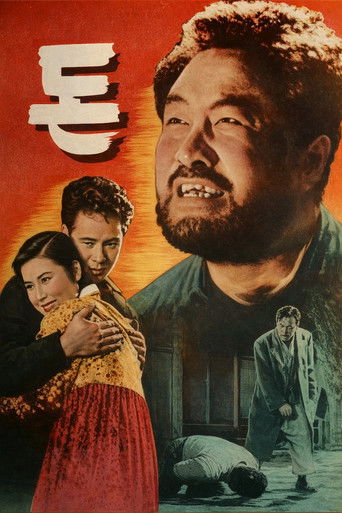
6.3The Money is about a poor farmer whose bid for a better life ends up bringing calamity to his family. At the urging of loan shark Eok Jo (Choi Nam Hyun), Bong Su (Kim Seung Ho) sells his cows to start a business but he loses everything to a conman (No Kyung Hee). Bong Su accidentally kills Eok Jo in a fight and takes his money, and the police trace the crime back to Bong Su's son.
The Money
1958
 6.0
6.0Dr. Nam, in his will, requests that his eldest daughter, Jeong-hui(Choe Eun-hui), marry a painter named Dong-su (Nam Gung-won). Jeong-hui is at risk of losing her house due to her father's debt, and a young physician Sun-cheol (Kim Seok-hun) who received his college education with the financial support of Dr. Nam, helps her by selling his own house. Despite his love for her, Sun-cheol cannot express his feelings because he knows of the request in her father's will. When Jeong-hui looks for a job to support her family, Bang, whom Dr. Nam once cured, offers her a position of saloon madam. Meanwhile, her younger sister Myeong-hui (Choe Ji-hui) promises Dong-su her hand in marriage. Jeong-hui, now running the saloon, wishes them happiness. It is only when she gets a proposal from Bang and decides to accept it that Sun-cheol confesses his love for her. Moved by Sun-cheol's true affection for her, Bang gives her up, and Sun-cheol and Jeong-hui exchange vows of marriage.
A Sister's Garden
1959
 6.5
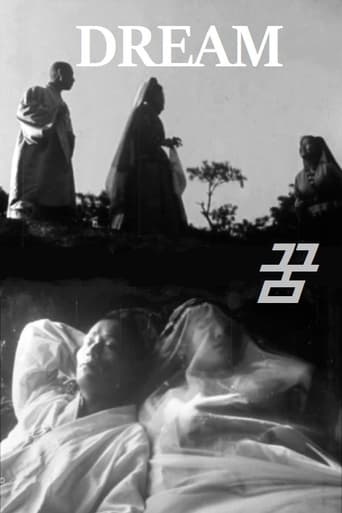
6.5A young Buddhist monk, Jo Sin, is attracted to Tae-su's daughter, Dal-lye. He hopes to marry her, but she becomes Mo-rye Hwa-rang's wife. One day she secretly leaves the temple and runs away with Jo Sin. Hwa-rang finds out about it and is ready to take revenge on him. Jo Sin shouts out loud and realizes that he had just had a dream.
Dream
1955
 6.3
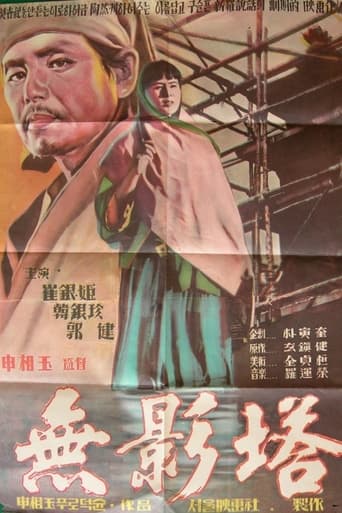
6.3On the eighth of April of King Gyoeng-deok's 10th year of the reign of the Unified Silla Period, Guseulagi, a daughter of Yu Jong, joins the king's parade to Bulguksa Temple, where she meets a stonemason named Asadal from Buyeo. Having a crush on him, she visits Sakyamuni Pagoda, a masonic site; only to find that Asadal had broken down from exhaustion. While she takes care of him, her love for him grows. But Asadal misses his wife who is waiting for him in Buyeo. Meanwhile, Geum Seong who has a crush on Guseulagi, asks his father, Geum Ji, to propose on behalf of him. But Yu Jong is so dissatisfied with Geum Ji because he is a treacherous subject, that he turns down the proposal, instead of hurrying up his daughter's marriage with Gyeongsin, a faithful subject. Asanyeo who has been waiting for her husband Asadal in Buyeo goes to Bulguksa Temple after her father-in-law had died.
The Shadowless Pagoda
1957
 7.3
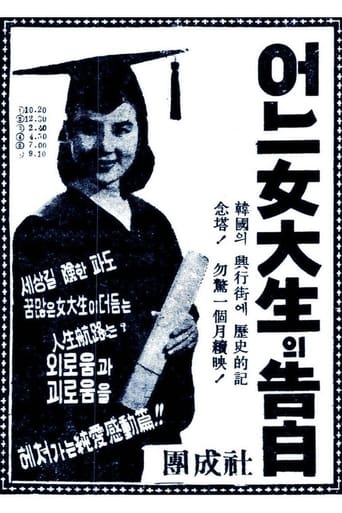
7.3Choi So-young (Choi Eun-hee), a poor female law student is in trouble because her grandmother, who had been sending her tuition money, passes away. With the help of her friend Hee-suk, (Kim Suk-il) who dreams of becoming a writer, So-young fools Choi Rim (Kim Seung-ho), a lawmaker, into believing she is his daughter and moves in his house.
A College Woman's Confession
1958
 7.0
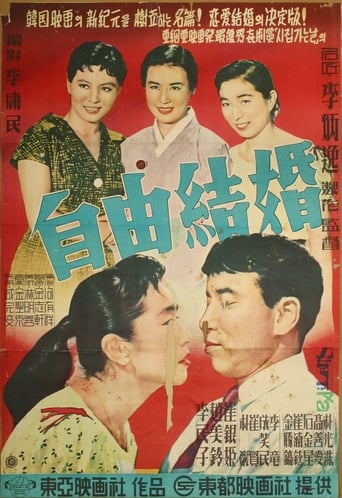
7.0A medical doctor, Ko, has three daughters. The first daughter, Suk-hee, confesses her past when her husband asks her to forgive his past, on the first night of their honeymoon. When he breaks off the marriage and goes to America, Suk-hee confines herself to her home for three years.
The Love Marriage
1958
 9.0
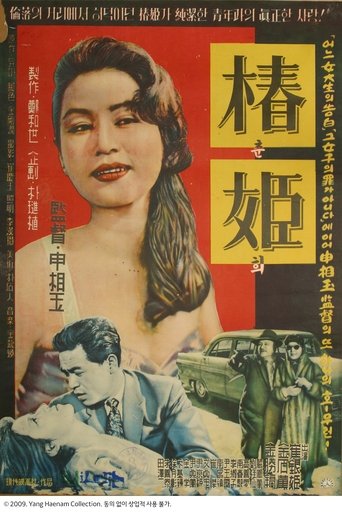
9.0A young man is in love with a waitress, but his father opposes their relationship. The father approaches the waitress telling her that if she truly loved his son, she would abandon him. She submits to the father's wish, though she is dying from tuberculosis.
Chun Hui
1959
1940s · 3 titles
 7.4
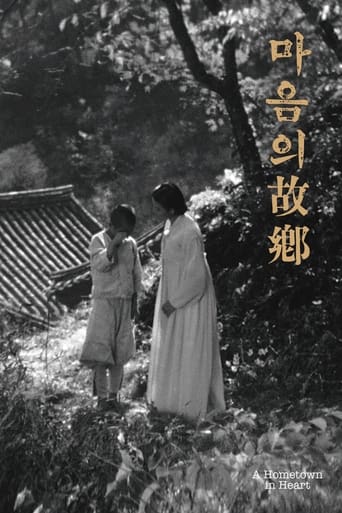
7.4An orphan left in the care of a Buddhist temple becomes attached to a young widow who arrives there to mourn her recently deceased son.
A Hometown in Heart
1949
 NR
NRA policy film aimed at eradicating smuggling, in which Detective Min-wan takes down a large-scale smuggling ring operating secretly using a cabaret as a hideout.
The Sun of Night
1948
 NR
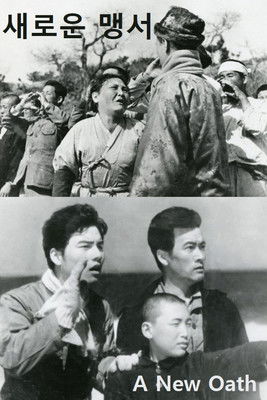
NRThree men who have been taken to the compulsory labour under the Japanese colonialism turn back to their hometown, a fishing village. They break the injustice and corrupt customs and rebuild the devastated village with the help of the village girls.
A New Oath
1947
Behind the camera
6.0Choi Eun-hee’s directorial debut The Girl Raised as a Future Daughter-In-Law is the story of ups and downs of a future daughter-in-law who, due to poverty, married an infant rich groom. A ruined widow’s daughter Jum-soon has no time to rest, as her mother-in-law treats her like a maid, leaving her with all the kitchen chores, house cleaning, grinding grain, and sewing, while the mother-in-law smokes a pipe and nitpicks on her. What allows Jum-soon to endure is her ‘duty as a woman’ taught to her since young and her child husband’s lovable yammering.
The Girl Raised as a Future Daughter-in-law
1965
 5.0
5.0A woman has just been newly christened in her job as a Pyongyang traffic supervisor. On her first assignment, she encounters a man who is using his work truck for personal use, along with driving unsafely. She detains him before eventually finding out that he was delivering the washing machine to her house. She attempts to hide in another room, but the man sees her. She immediately feels guilty for her actions.
A Traffic Controller on Crossroads
1986
 NR
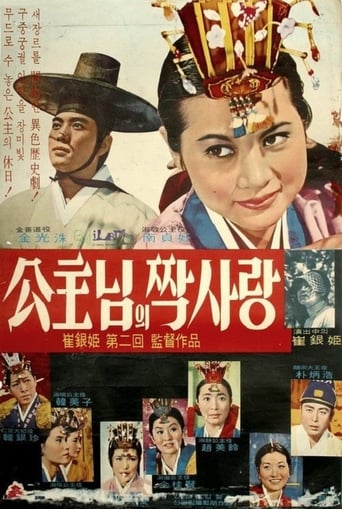
NRSook-kyung, the youngest tomboy princess, loves playing hide and seek with her same-aged court ladies and is extremely curious about the life outside the palace. An opportunity comes for her on queen mother’s birthday celebration. Princess Sook-kyung gets to explore the outside world with the help of her older sister princesses and falls in love with a Seonggyungwan scholar she meets coincidentally. The variety of character twists in this film which is reminiscent of romantic comedies such as Roman Holiday and Shakespeare’s Twelfth Night. The queen mother with a fancy royal costume but wears glasses because of her poor vision, and the court ladies who protect the princess day and night are usually slow and doze off but have the strength to push against male henchmen. The princes outside the palace walls seem like that of a naïve country girl who eats a rice cake at the marketplace because she thinks it’s free.
One-sided Love of Princess
1967
 5.2
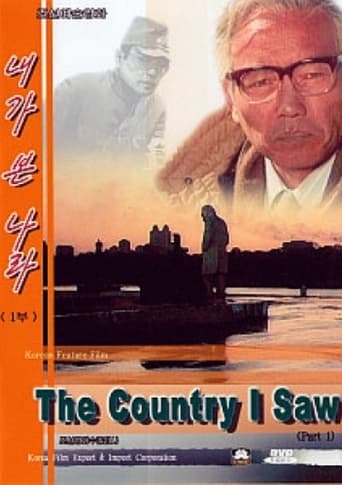
5.2While serving as a journalist in World War 2 for the Imperial Army of Japan, "Takahashi Minoru" (Pak Ki Ju) sees first-hand the impact on Koreans who have had their national identity forcibly taken from them by the Japanese occupation of their country. It's at this time that he adopts a mantra of viewing an incident before writing a newspaper editorial on it. Several years later he once again visits Korea as a war correspondent during the Korean War and takes home with him several more memories that have a great effect upon him as well. Years later he becomes a respected writer and while giving a speech on the Juche system has his perspective challenged by a young man in the auditorium. Having never seen North Korea he realizes that in order to meet his own high standard of journalism he must travel there and see for himself whether his opinion is valid or not.
The Country I Saw
1987
 NR
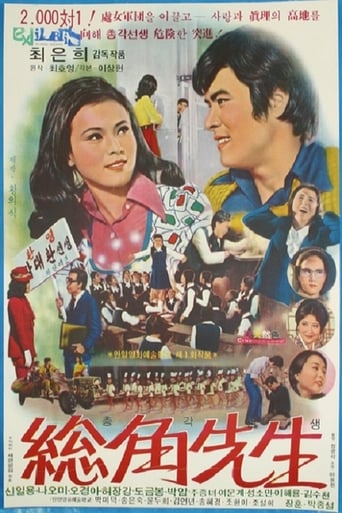
NRNo synopsis available yet.
An Unmarried Teacher
1973
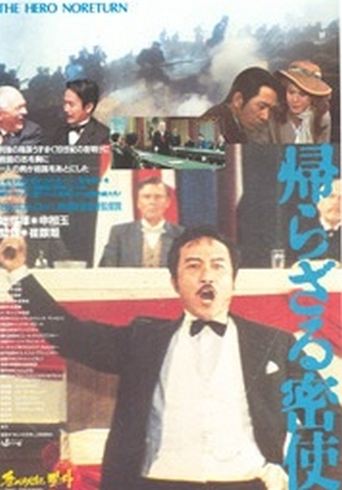 7.5
7.5An Emissary of No Return retells the story of a real historical event in 1907 known as the Hague Secret Emissary Affair. Korea had been colonized by Japan. In order to protest to the international community, the Korean emperor king Gojong sent three secret emissaries to the talks of the Hague Convention of 1907, to get the great powers to overturn the Japan–Korea Treaty of 1905.
An Emissary of No Return
1984
 NR
NRHaving already added to the tensions between North Korea and Japan, a university professor finds that her views are considered even more dangerous now. Things quickly take a turn for the worse when missiles are launched from North Korea directly over Japanese air space.
The Country I Saw, Part 3
2009
 NR
NRForty years after her father's return from North Korea a Japanese university professor is subject to harassment for advancing his views on this country. Just like her father, however, her commitment to the truth remain unwavering even though all around her fear for her health and safety.
The Country I Saw, Part 2
2009