
Acting
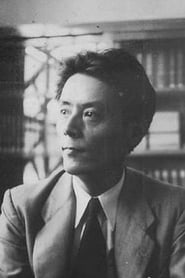
Hiroshi Akutagawa
Born — Died
1920-03-20 — 1981-10-25
Place of birth
Tokyo, Tokyo Prefecture, Japan
Known for
Acting
Credits
36 titles
Hiroshi Akutagawa (芥川比呂志) was born on March 20, 1920 in Tokyo, Japan. He was an actor, known for Where Chimneys Are Seen (1953), Gan (1953) and Tôkyô yawa (1961). He died on October 25, 1981 in Tokyo.
Known for
 NR
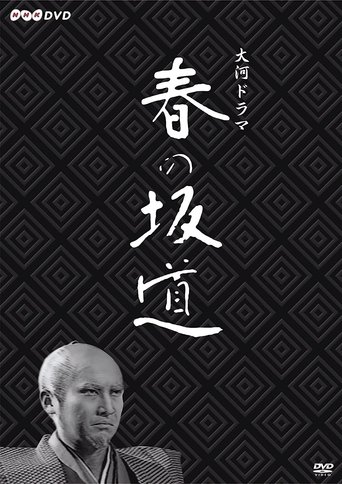
NRThe story chronicles the life of Yagyū Munenori.
Haru no Sakamichi
1971
 NR
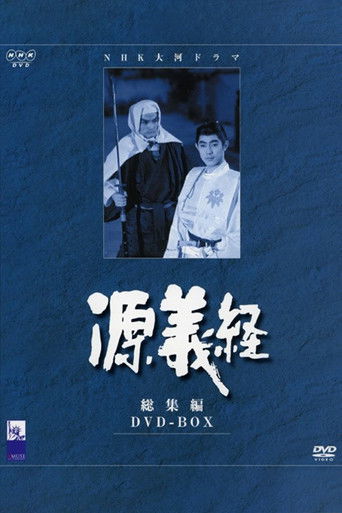
NRThe chronicles of the life of Minamoto no Yoshitsune (1159 - May 17th, 1189). He was a late Heian and early Kamakura general of the Minamoto clan of Japan. Yoshitsune was the ninth son of Minamoto no Yoshitomo. His older brother Minamoto no Yoritomo founded the Kamakura shogunate.
Minamoto no Yoshitsune
1966
 7.2
7.2In the summer of 1941, the United States and Japan seem on the brink of war after constant embargos and failed diplomacy come to no end. "Tora! Tora! Tora!", named after the code words used by the lead Japanese pilot to indicate they had surprised the Americans, covers the days leading up to the attack on Pearl Harbor, which plunged America into the Second World War.
Tora! Tora! Tora!
1970
 6.7
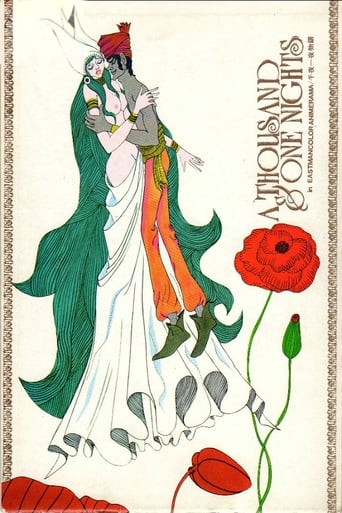
6.7Aldin, a vagabond water vendor, embarks of a series of fantastical and tragic misadventures through the Middle East in search of love, fortune, and power.
A Thousand and One Nights
1969
 7.1
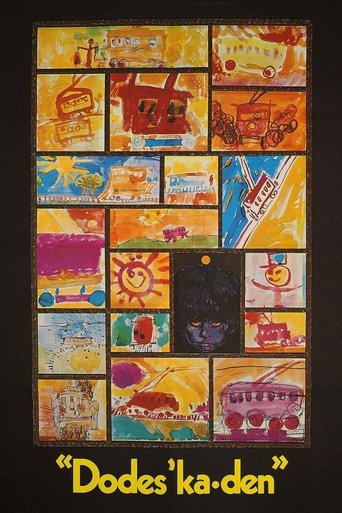
7.1On a Tokyo dump’s shantytown edge, interwoven vignettes follow residents scraping by: a boy who “drives” an imaginary trolley, a homeless father and son designing a dream house, a young woman brutalized at home, drunks, schemers, and saints of small kindnesses. Kurosawa crafts a ragged mosaic of hardship, fantasy, and flickers of grace that keep people moving forward.
Dodes'ka-den
1970
 NR
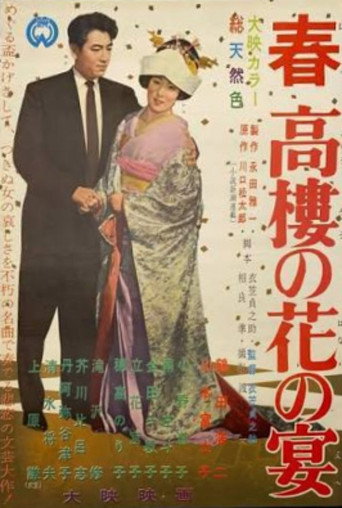
NRA romance between a young koto prodigy and the head of a koto school’s daughter.
Symphony of Love
1958
Film credits
1970s · 4 titles
7.2In the summer of 1941, the United States and Japan seem on the brink of war after constant embargos and failed diplomacy come to no end. "Tora! Tora! Tora!", named after the code words used by the lead Japanese pilot to indicate they had surprised the Americans, covers the days leading up to the attack on Pearl Harbor, which plunged America into the Second World War.
Tora! Tora! Tora!
1970
7.1On a Tokyo dump’s shantytown edge, interwoven vignettes follow residents scraping by: a boy who “drives” an imaginary trolley, a homeless father and son designing a dream house, a young woman brutalized at home, drunks, schemers, and saints of small kindnesses. Kurosawa crafts a ragged mosaic of hardship, fantasy, and flickers of grace that keep people moving forward.
Dodes'ka-den
1970
 7.1
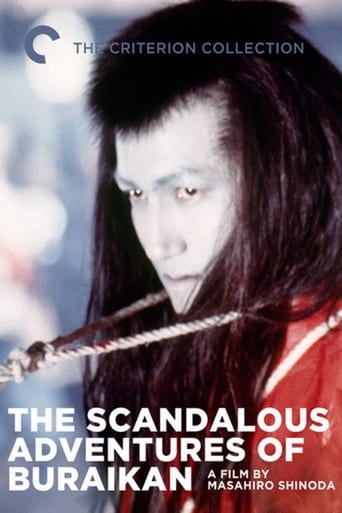
7.1An outlaw pushes the residents of Edo's red light district to rebel against a growing number of stifling, moralistic laws.
The Scandalous Adventures of Buraikan
1970
 NR
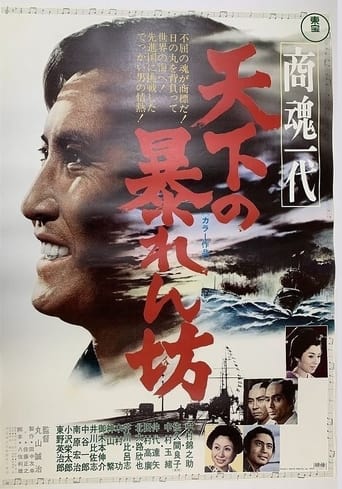
NRThe struggles of a low-ranking samurai (Nakamura) coming to terms with the end of the Tokugawa shogunate and the end of Japan's feudal age with the 1868 Restoration.
Will to Conquer
1970
1960s · 11 titles
6.7Aldin, a vagabond water vendor, embarks of a series of fantastical and tragic misadventures through the Middle East in search of love, fortune, and power.
A Thousand and One Nights
1969
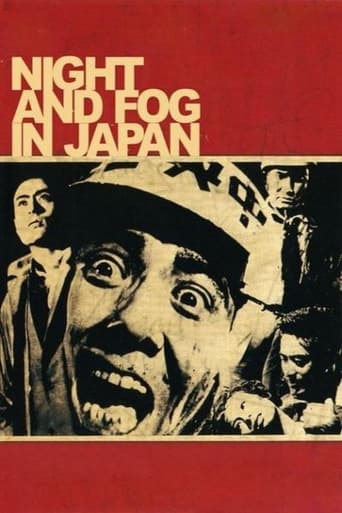 6.5
6.5Long takes and a highly theatrical visual approach combine to form a tense and confrontational look at the decline of a socialist student activists' movement in Japan.
Night and Fog in Japan
1960
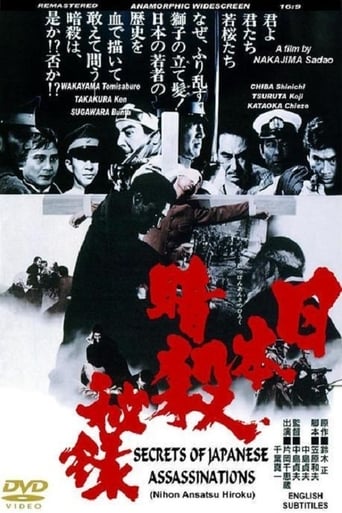 7.5
7.5This anthology film consists of nine incidents in the late 19th and early 20th centuries when assassins changed the course of Japanese history.
Memoir of Japanese Assassinations
1969
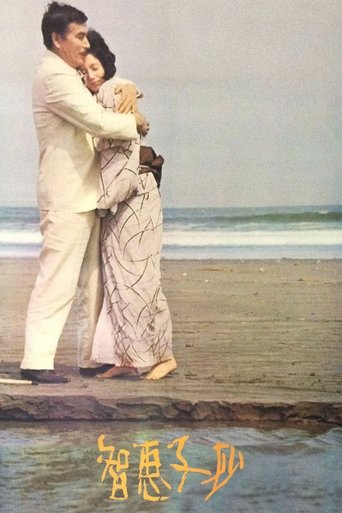 7.5
7.5Takamura, a poet and sculptor, marries a budding artist named Chieko who dreams of becoming an oil painter. When a series of hardships befall her family, she finds herself unable to confide in her husband, and the pain she carries within begins to weigh heavily on her sanity...
Portrait of Chieko
1967
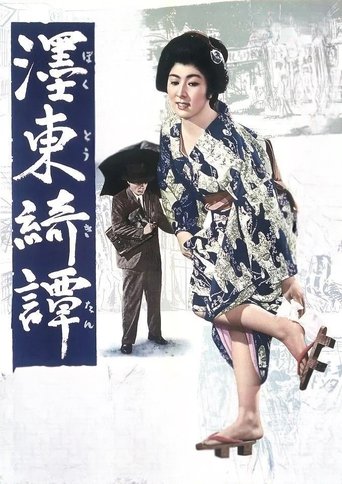 8.5
8.5In this Japanese drama, a village girl goes to Tokyo and becomes a sex worker to support her ailing mother. While there she meets a teacher and falls in love.
The Twilight Story
1960
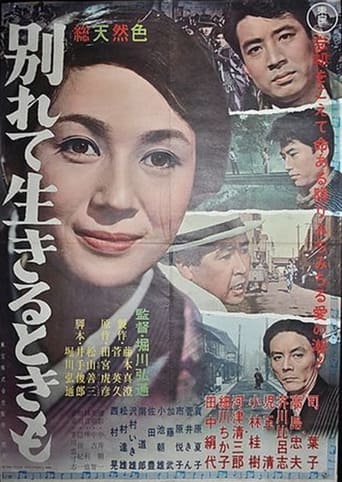 8.0
8.0A Hiromichi Horikawa movie
Eternity of Love
1961
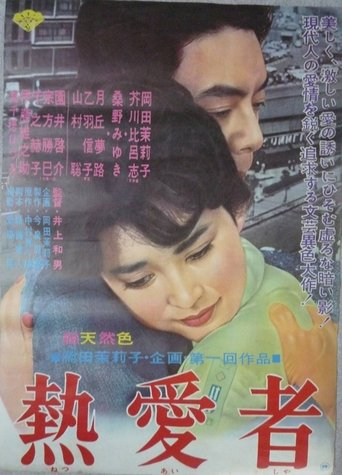 9.0
9.0No synopsis available yet.
Netsuai sha
1961
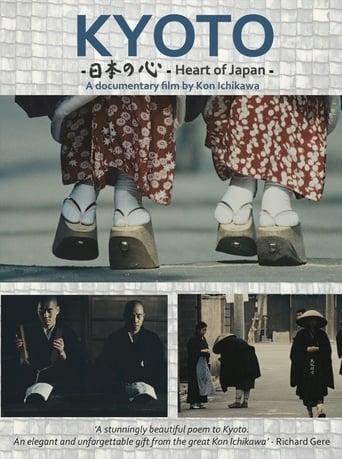 8.0
8.0Documentary on the city of Kyoto, Japan. Topics include the Ryoanji Temple stone garden, a geisha residence, the Katsura Imperial Villa, and the Gion Festival.
Kyoto
1969
 NR
NROn his way back to Japan after two years in the desert, oil company engineer Sakamoto visits his friend Katori in Hong Kong. Soon after, Sakamoto learns that Katori has disappeared.
Who Is Gomez?
1967
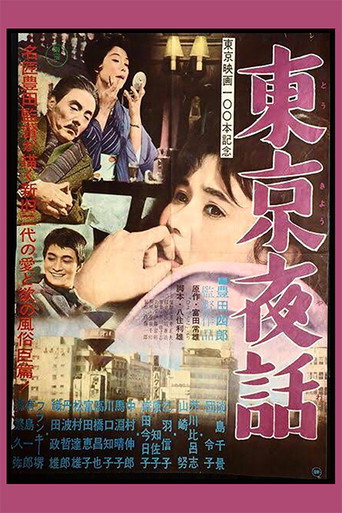 8.0
8.0A Japanese film from 1963, Directed by Shirô Toyoda.
The Diplomat's Mansion
1961
 6.5
6.5This is the sequel to Jose Torres (1959), the portrayal of Puerto Rican boxer Jose Torres, who won a silver medal in the 1956 Melbourne Olympics. We follow Torres from his training in preparation to challenge world lightweight champion Willie Pastrano, to the match and Torres’ victory in 1965. The contrast between the nervous Torres before the match, filmed in painstaking detail, and the first round, filmed in one shot, is striking.
Jose Torres II
1965
1950s · 18 titles
NRA romance between a young koto prodigy and the head of a koto school’s daughter.
Symphony of Love
1958
 NR
NRNo synopsis available yet.
Paper Pigeon
1959
 7.2
7.2A poor rickshaw driver finds himself helping a young woman and her son after the woman's husband dies suddenly.
The Rickshaw Man
1958
 6.7
6.7Saburo and Keiko fall in love with each other but the tide of war separates them.
Till We Meet Again
1950
 6.2
6.2A Japanese woman writes down three stories she has witnessed or heard of in her diary, each about the difficult situation a young woman finds herself in.
An Inlet of Muddy Water
1953
 6.5
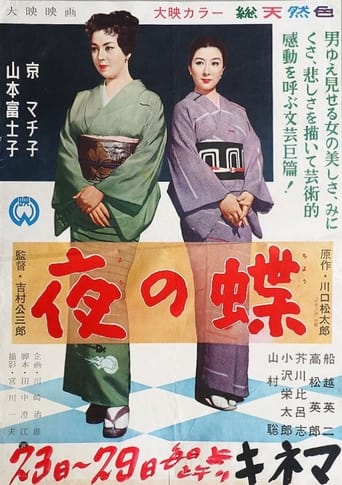
6.5A traditional bar mistress in Kyoto clashes with her Tokyo rival.
Night Butterflies
1957
The story of a novelist whose wife is confined in a mental hospital. His love for her drives him to write about her, though he runs into trouble when her parents accuse him of cashing in on her misfortune.
How Sorrowful
1956
 8.0
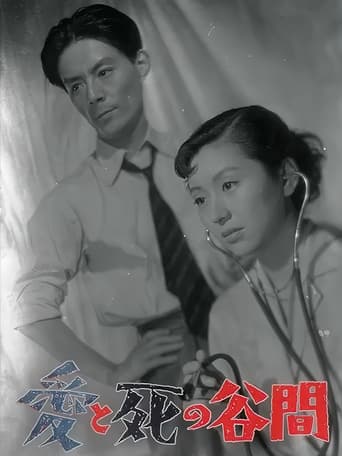
8.0A great ambition to portray with sharp satire and humor the course of modern anxiety and love that is about to be driven to despair.
The Valley Between Love and Death
1954
 NR
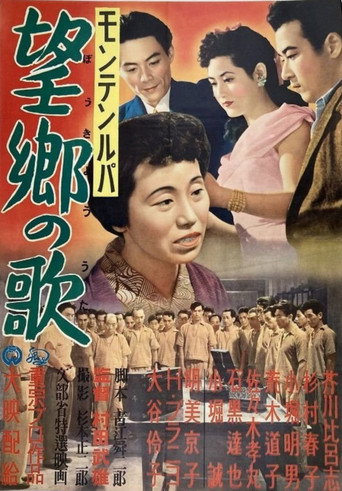
NRA moving episode in which a war criminal in the Philippines, having faced death, pleads earnestly while trembling with fear.
Muntinlupa: Song of Nostalgia
1953
 6.7
6.7A young woman, who must support her father as a middle-aged man's mistress, finds herself falling in love with a student closer to her age.
The Wild Geese
1953
 6.6
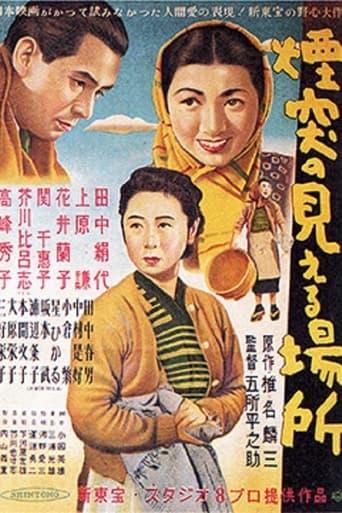
6.6Where Chimneys Are Seen focuses primarily on the interconnected lives of two couples in a lower-middle-class neighborhood in Senju, a poor industrial section of Tokyo.
Where Chimneys Are Seen
1953
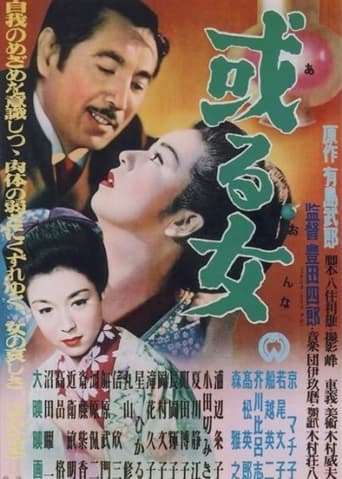 7.0
7.0No synopsis available yet.
A Certain Woman
1954
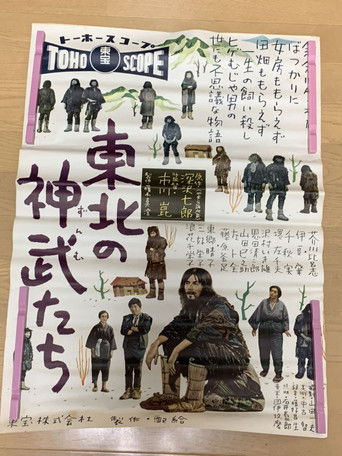 9.0
9.0Tragi-comedy about the inhabitants of a remote, mountain-locked village where only the first-born sons are allowed to marry and have children.
The Men of Toho-ku
1957
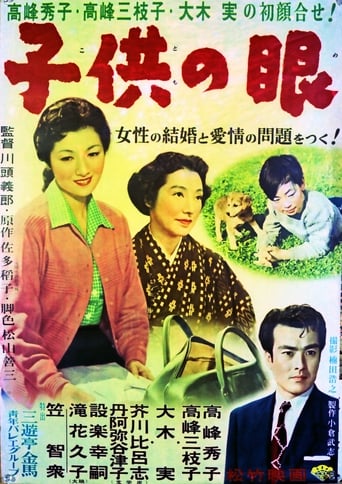 6.7
6.7Shunji Mitamura's wife died very early and left him a young son. Shunji's sister Hideko decided to fulfill her sisterly duty and moved to the main character to take care of the boy and the house. Time passes and Shunji marries Mieko Takamine. But since her father is often ill, she spends a lot of time in his dental clinic to do his work.
Eyes of Children
1956
 NR
NRPacific war documentary culled from approximately 40,000 feet of Nippon Eiga Shinsha wartime stock, as well from British and American sources. Film traces the war from the invasion and occupation of China to the dropping of the atomic bombs on Hiroshima and Nagasaki and the Japanese defeat. Included if footage of the attack on Pearl Harbor, the capture of Hong Kong, B-29 bombings of Japan, and kamikaze sinking of American warships.
The Pacific War
1958
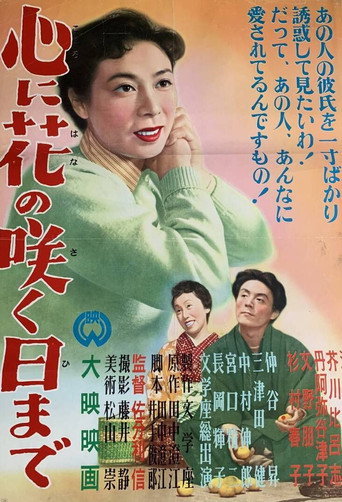 NR
NRNo synopsis available yet.
Kokoro ni hana no saku hi made
1955
 NR
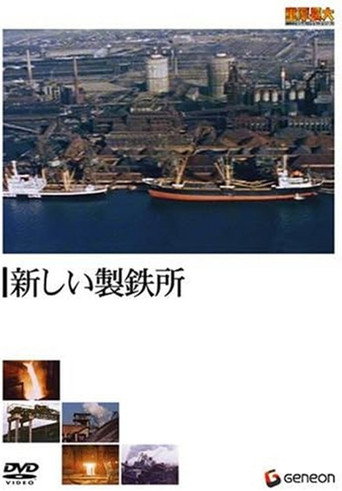
NRNo synopsis available yet.
Symphony in Steel
1959
 NR
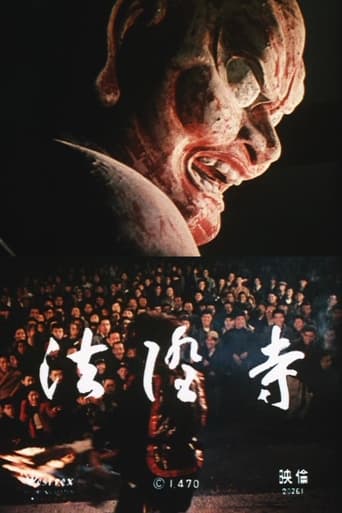
NRThis celebrated documentary, filmed in colour, depicts one of the most famous of all Japanese temples. Horyu-ji, in the small town of Ikaruga outside Japan’s ancient capital of Nara, was one of the first Buddhist places of worship established in Japan, and contains the oldest surviving wooden buildings in the world, dating from the seventh century.
Hōryū-ji
1958
Series credits
NRThe story chronicles the life of Yagyū Munenori.
Haru no Sakamichi
1971
NRThe chronicles of the life of Minamoto no Yoshitsune (1159 - May 17th, 1189). He was a late Heian and early Kamakura general of the Minamoto clan of Japan. Yoshitsune was the ninth son of Minamoto no Yoshitomo. His older brother Minamoto no Yoritomo founded the Kamakura shogunate.
Minamoto no Yoshitsune
1966
No synopsis available yet.
ゴメスの名はゴメス
1967