
Writing
Friedrich Wolf
Place of birth
Neuwied, Rhineland-Palatinate, Germany
Known for
Writing
Credits
9 titles
Known for
 6.4
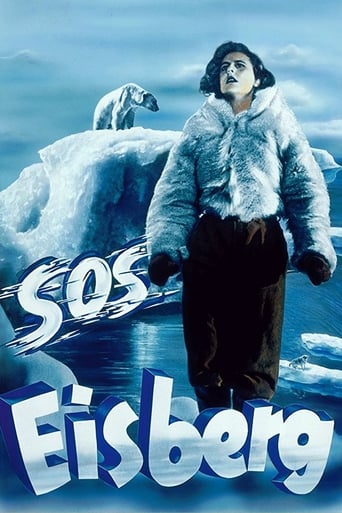
6.4An expedition goes in search of a party lost in the Arctic a year earlier.
S.O.S. Iceberg
1933
 8.0
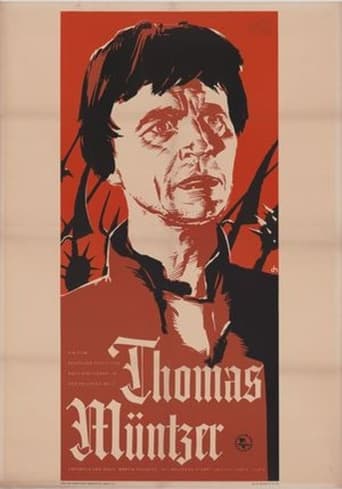
8.0In 1523, young Thomas Müntzer arrives with his wife Ottilie in the Thuringian village Allstedt to assume the rectorate. As a follower of Luther′s teachings, he finds in the Bible not only reasons for clerical, but also for secular reforms. But when Luther turns away from the rural population after a discord with Müntzer, it is Müntzer who becomes the peoples′ spokesman. He is forced to go to Southern Germany, where he convenes with revolting farmers. But his way leads him back to Thuringia. In 1525, he and Heinrich Pfeiffer form the centre of the Thuringian peasant uprising in Mühlhausen, but their success is diminished by the fact that peasants and craftsmen don′t seem to be able to work together. In Frankenhausen, Müntzer becomes the leader of a peasants′ army that is set to fighting the ruler′s army – and sustains a devastating loss. Müntzer is arrested and sentenced to death by decapitation for his insurgency.
Thomas Müntzer
1956
 10.0
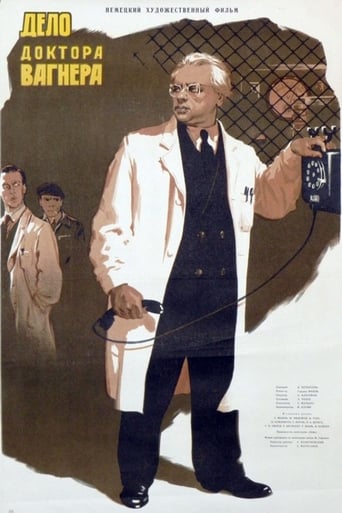
10.0Dr. Wagner is a scientist currently working on an experiment for the Asta plant in East Berlin. If the experiment is successful its a brilliant new invention. But Wagner is the target of sabotage, and all the decisive experiment fails. Wagner can not explain this setback.
The Case of Dr Wagner
1954
 6.6
6.6Based on the records of the Nuremberg trial of the chemical giant IG Farben; a story about the collaboration between international corporations and Nazi scientists, whose research contributed to the death of millions. The chemist Dr. Hans Scholz lives through a tortuous political transformation and maturation process. Eventually, he adopts political neutrality and closes his eyes to the fact that the poison being produced in his factory is being used in the extermination camps. Standing before the judges at the Nuremberg trials, he must face the fact that he is implicated in the deaths of millions in the gas chambers of the concentration camps.
Council of the Gods
1950
 10.0
10.0At the end of the 1980s, a film team is about to visit Lukas Wolf, Friedrich Wolf's eldest son, who lives in the state of New York, USA. They carry with them a letter from his half-brother Markus Wolf the Stasi chief from GDR. The brothers have not seen each other since 1933; on the other hand, Lukas met his other half-brother Konrad Wolf once in New York City, where they got along very well, after many years of separation. Johanna and Lukas come from Friedrich Wolf's first marriage with Käthe Gumpold, Markus and Konrad, from the second wife Else Dreibholz.
Verzeiht, daß ich ein Mensch bin
1988
 NR
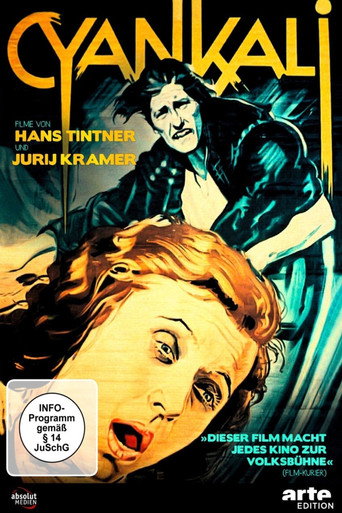
NRBerlin, end of the 1920s. Young factory workers Hete and Paul are expecting a child. When first Paul and then Hete become unemployed, the two look for ways to terminate the pregnancy. Hete goes to a doctor, but he refuses to give her the necessary document for the abortion. As a result, Hete and Paul want to carry out the abortion themselves, using a stolen instrument. Fearing for Hete, Paul aborts the attempt. So Hete turns to an illegal abortionist, who sends the feverish girl away with a bottle of cyanide, which is supposed to help in small doses. Hete goes to her mother, who takes care of her and also gives her the cyanide drops. But Hete exceeds the dose.
Cyankali
1977
Film credits
1950s · 2 titles
10.0Dr. Wagner is a scientist currently working on an experiment for the Asta plant in East Berlin. If the experiment is successful its a brilliant new invention. But Wagner is the target of sabotage, and all the decisive experiment fails. Wagner can not explain this setback.
The Case of Dr Wagner
1954
 10.0
10.0Spain 1936: Despite the victory of the Popular Front, nothing has changed for the peasants; the grandees continue to oppress them. The poor peasant son Pablo fights back and encourages the others to demand their rights. The grandees flee. Students from Madrid arrive and help the rural population to democratize. Pablo falls in love with Magdalena and learns to read and write from her. When Franco begins his bloody attack on the young republic, they defend the village together. When Magdalena dies in a bombing raid by German planes, Pablo begins to hate the Germans. However, fighting together with the International Brigades, he realizes that there are other Germans too, and that they share a common enemy.
Mich dürstet
1956
Behind the camera
6.4An expedition goes in search of a party lost in the Arctic a year earlier.
S.O.S. Iceberg
1933
8.0In 1523, young Thomas Müntzer arrives with his wife Ottilie in the Thuringian village Allstedt to assume the rectorate. As a follower of Luther′s teachings, he finds in the Bible not only reasons for clerical, but also for secular reforms. But when Luther turns away from the rural population after a discord with Müntzer, it is Müntzer who becomes the peoples′ spokesman. He is forced to go to Southern Germany, where he convenes with revolting farmers. But his way leads him back to Thuringia. In 1525, he and Heinrich Pfeiffer form the centre of the Thuringian peasant uprising in Mühlhausen, but their success is diminished by the fact that peasants and craftsmen don′t seem to be able to work together. In Frankenhausen, Müntzer becomes the leader of a peasants′ army that is set to fighting the ruler′s army – and sustains a devastating loss. Müntzer is arrested and sentenced to death by decapitation for his insurgency.
Thomas Müntzer
1956
6.6Based on the records of the Nuremberg trial of the chemical giant IG Farben; a story about the collaboration between international corporations and Nazi scientists, whose research contributed to the death of millions. The chemist Dr. Hans Scholz lives through a tortuous political transformation and maturation process. Eventually, he adopts political neutrality and closes his eyes to the fact that the poison being produced in his factory is being used in the extermination camps. Standing before the judges at the Nuremberg trials, he must face the fact that he is implicated in the deaths of millions in the gas chambers of the concentration camps.
Council of the Gods
1950
NRBerlin, end of the 1920s. Young factory workers Hete and Paul are expecting a child. When first Paul and then Hete become unemployed, the two look for ways to terminate the pregnancy. Hete goes to a doctor, but he refuses to give her the necessary document for the abortion. As a result, Hete and Paul want to carry out the abortion themselves, using a stolen instrument. Fearing for Hete, Paul aborts the attempt. So Hete turns to an illegal abortionist, who sends the feverish girl away with a bottle of cyanide, which is supposed to help in small doses. Hete goes to her mother, who takes care of her and also gives her the cyanide drops. But Hete exceeds the dose.
Cyankali
1977
 7.2
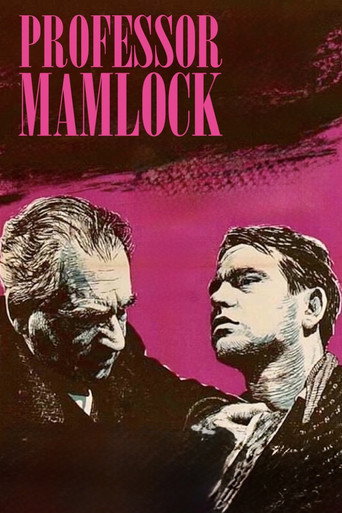
7.2A Jewish chief of surgery in 1933 Germany remains blind to the rising Nazi threat, dismissing political dissent from his son and a patient, until his family faces increasing anti-Semitic persecution.
Professor Mamlock
1961
 6.0
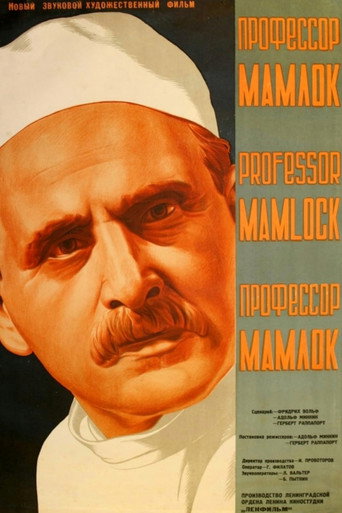
6.0Based on a play by a German-Jewish exile in Moscow, Friedrich Wolf, and directed by an Austrian-Jewish exile in Moscow, Herbert Rappaport, the film tells with the story of an apolitical humanitarian Jewish doctor and his politically-aware, fascism-resisting son, an intern, as their lives become entangled with the Nazis’ rise to power in 1930s Germany, where they live and practice. Things come to a head when the Nazi organization takes control of their hospital, and place a rabid antisemitic physician in charge over Mamlock and his staff.
Professor Mamlock
1938