
Directing
Stephan Koester
Known for
Directing
Credits
8 titles
Known for
 NR
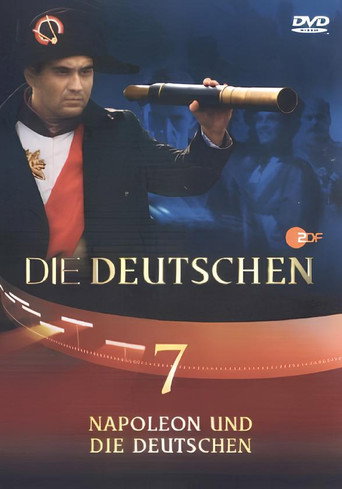
NAPOLEON UND DIE DEUTSCHEN shows that it was, of all people, a foreign emperor—the French ruler who dominated the continent for a century—who catapulted the Germans into their national era through conquest and reform. Bonaparte, in collaboration with the German princes, put an end to the Old Empire and its territorial fragmentation. Fundamental changes take place—both with and against Napoleon. In the end, larger German states emerge from the territorial fragmentation. As a reformer, Napoleon sows the desire for freedom; as a tyrant, he awakens German national sentiment. Hardly any emperor before him has ever contributed so much to bringing the Germans closer together. Against his will, he becomes the awakener of the “nation.”
Napoleon und die Deutschen
2008
For 1000 years, Christian Byzantium was considered the epitome of faith, power and wealth. But in the end, it sank into violence, resentment, war and catastrophe. Who were these Byzantines? How did Byzantium become the new world power after Rome? And what role did Constantinople play in the emergence of the Christian West?
Mythos Byzanz
2015
No synopsis available yet.
Paulus: Gefährliche Mission
2017
 NR
No synopsis available yet.
Das Imperium der weißen Mönche
2016
 10.0
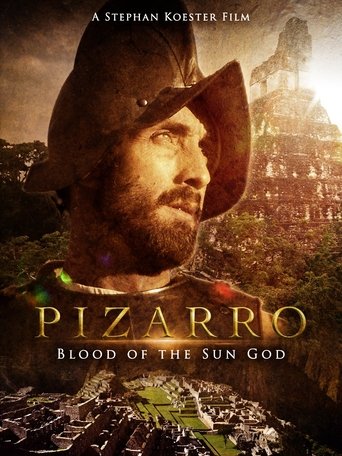
In 1532, Francisco de Pizarro defeated the great Inca emperor Atahualpa's army of 30,000 warriors with just 180 men. Who was this man who brought the powerful empire to its knees? What drove him to pioneer his way to the elevated plains of the Andes, and with a force of just a few men, take on the powerful Inca army?
Pizarro: The Blood of the Sun-God
2001
 NR
The Taj Mahal: Symbol of India, architectural jewel, and monument to a grand passion. Built in the 17th century by the Great Mogul Shah Jahan in honor of Mumtaz Mahal, the love of his life. Before she died, legend says, Mumtaz Mahal made a wish for a mausoleum, more sublime than any the world had seen. Built on the banks of the Yamuna River in Agra, it is said to have required over 20,000 workers including the best craftsmen of the Empire. Millions of bricks were baked on site only to disappear forever under flawless white marble. A heavenly memorial to the Queen of the World, or as a poet described it: "A teardrop on the cheek of time". A love poem set in stone and the most perfect building in the world.
Secrets of the Taj Mahal
2010
Behind the camera
NRNAPOLEON UND DIE DEUTSCHEN shows that it was, of all people, a foreign emperor—the French ruler who dominated the continent for a century—who catapulted the Germans into their national era through conquest and reform. Bonaparte, in collaboration with the German princes, put an end to the Old Empire and its territorial fragmentation. Fundamental changes take place—both with and against Napoleon. In the end, larger German states emerge from the territorial fragmentation. As a reformer, Napoleon sows the desire for freedom; as a tyrant, he awakens German national sentiment. Hardly any emperor before him has ever contributed so much to bringing the Germans closer together. Against his will, he becomes the awakener of the “nation.”
Napoleon und die Deutschen
2008
For 1000 years, Christian Byzantium was considered the epitome of faith, power and wealth. But in the end, it sank into violence, resentment, war and catastrophe. Who were these Byzantines? How did Byzantium become the new world power after Rome? And what role did Constantinople play in the emergence of the Christian West?
Mythos Byzanz
2015
No synopsis available yet.
Paulus: Gefährliche Mission
2017
NRNo synopsis available yet.
Das Imperium der weißen Mönche
2016
10.0In 1532, Francisco de Pizarro defeated the great Inca emperor Atahualpa's army of 30,000 warriors with just 180 men. Who was this man who brought the powerful empire to its knees? What drove him to pioneer his way to the elevated plains of the Andes, and with a force of just a few men, take on the powerful Inca army?
Pizarro: The Blood of the Sun-God
2001
NRThe Taj Mahal: Symbol of India, architectural jewel, and monument to a grand passion. Built in the 17th century by the Great Mogul Shah Jahan in honor of Mumtaz Mahal, the love of his life. Before she died, legend says, Mumtaz Mahal made a wish for a mausoleum, more sublime than any the world had seen. Built on the banks of the Yamuna River in Agra, it is said to have required over 20,000 workers including the best craftsmen of the Empire. Millions of bricks were baked on site only to disappear forever under flawless white marble. A heavenly memorial to the Queen of the World, or as a poet described it: "A teardrop on the cheek of time". A love poem set in stone and the most perfect building in the world.
Secrets of the Taj Mahal
2010