
Directing
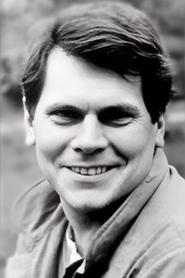
Juris Podnieks
Born — Died
1950-12-05 — 1992-06-23
Place of birth
Riga, Latvian SSR, USSR
Known for
Directing
Credits
22 titles
Juris Podnieks was born in Riga, Latvia in 1950. He graduated from the celebrated Soviet film school, VGIK, in 1975. He went to work at the Riga studio, first as assistant cameraman, then as cameraman before finally becoming a director in 1979. His first production "The Cradle" won a prize at the Leipzig Festival, and shortly afterwards "The Brothers Kokari” took first prize at the Kiev Youth Festival in 1981. In the same year he received wide recognition inside and outside of the Soviet Union for his film „Constellation of Riflemen” which won honours in the 17th All State Festival in Leningrad, and also the Latvian Kosovo prize. The film which first won him international recognition was …
Known for
 10.0
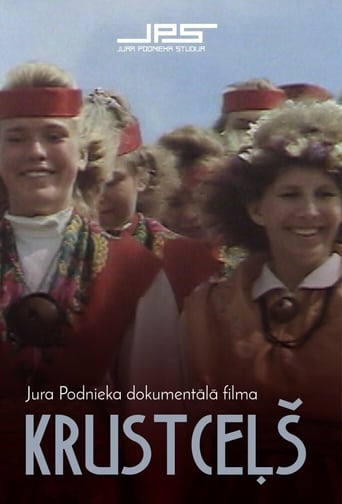
10.0The film is an emotional story about fateful historical events in the 20th century, which took place in three Baltic countries- Latvia, Lithuania and Estonia. The story is also about their efforts to regain independence.
Homeland
1990
 5.8
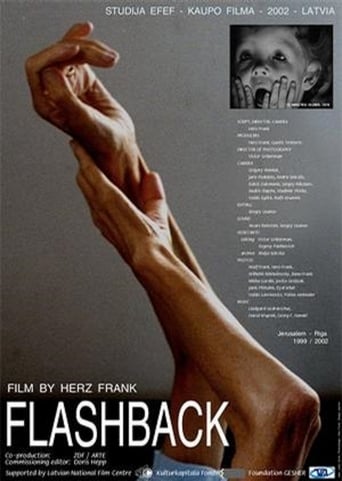
5.8An autobiographical work from Herz Frank. Images guide us through the countries in which he worked, interspersed with fragments from his earlier films: births, autopsies, circumcisions, prisoners awaiting execution and other shocking themes.
Flashback
2003
 NR
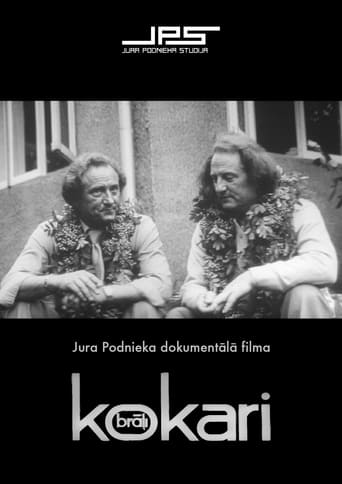
NRA film about the well-known Latvian artists, choir conductors - Imants and Gido Kokars.
Brāļi Kokari
1978
 9.0
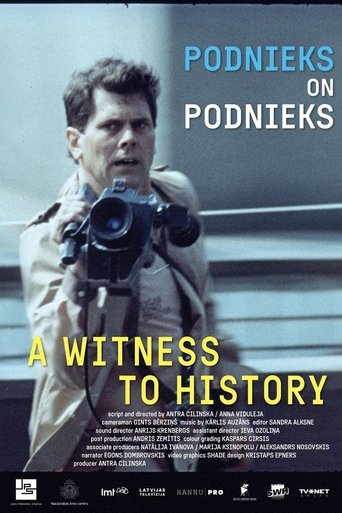
9.0A film about the outstanding Latvian film director Juris Podnieks, who during his lifetime gained the fame of a fighter for justice and an "eye-opener". Podnieks has created testimonies about the most important events of the twentieth century in the post-Soviet territory. He always saw a bigger picture, it was not just Latvia what interested him. His ability to cover such a wide spectrum of themes - wars, lost freedom of his own country, the Soviet regime and its collapse, young people, artists. But most importantly, he was always focusing on the human soul. Juris creates an emotional bond between the author and his characters, the characters and the viewer - he was talking to each individual. Perhaps this is why his films made such an effect on the viewer. Juris Podnieks has clearly been able to influence millions of viewers with his films. Juris himself died in the summer of 1992 in a diving accident. Did he manage to fulfill his mission in this life?
Podnieks On Podnieks. A Witness To History
2024
 NR
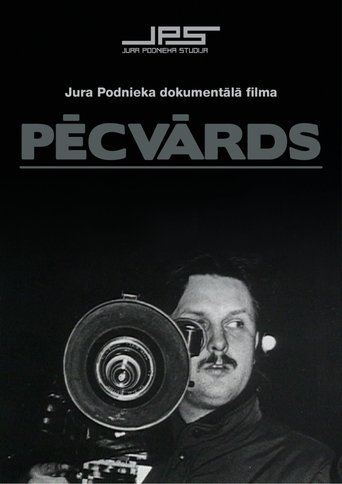
NRAfterword for the film "Homeland" - January 1991. Death of Andris Slapiņš and Gvido Zvaigzne.
Afterword
1991
 NR
NRA film about teenagers- pentathlates and their coaches.
Puikas, zirgos!
1979
Film credits
Behind the camera
10.0The film is an emotional story about fateful historical events in the 20th century, which took place in three Baltic countries- Latvia, Lithuania and Estonia. The story is also about their efforts to regain independence.
Homeland
1990
10.0The film is an emotional story about fateful historical events in the 20th century, which took place in three Baltic countries- Latvia, Lithuania and Estonia. The story is also about their efforts to regain independence.
Homeland
1990
10.0The film is an emotional story about fateful historical events in the 20th century, which took place in three Baltic countries- Latvia, Lithuania and Estonia. The story is also about their efforts to regain independence.
Homeland
1990
NRA film about the well-known Latvian artists, choir conductors - Imants and Gido Kokars.
Brāļi Kokari
1978
NRAfterword for the film "Homeland" - January 1991. Death of Andris Slapiņš and Gvido Zvaigzne.
Afterword
1991
NRA film about teenagers- pentathlates and their coaches.
Puikas, zirgos!
1979
NRA film about teenagers- pentathlates and their coaches.
Puikas, zirgos!
1979
 5.2
5.2Portrayal of a generation of rebellious teenagers growing up under Communist rule in Latvia.
Is It Easy to Be Young?
1986
5.2Portrayal of a generation of rebellious teenagers growing up under Communist rule in Latvia.
Is It Easy to Be Young?
1986
 NR
NRA film about the former partisan commander Vilis Samsons.
Komandieris
1984
 NR
NRThe director mixes excerpts from his documentaries Soviets and Homeland with footage of the collapse of the Soviet Union.
End of Empire
1991
NRThe director mixes excerpts from his documentaries Soviets and Homeland with footage of the collapse of the Soviet Union.
End of Empire
1991
 2.0
2.0A collective portrait of the Latvian Red Riflemen is made up of memories told by the old men themselves. Unique and harsh are their destinies during the World War I and the revolution, at the opposite fronts of civil war, in 1930s. The victories of the Riflemen, their courage, confidence, pain and tragedy. The authors of the film have been able to save these tales from the relentless flow of time and make everyone realise the role of the Latvian Riflemen in history and nation.
The Constellation of Riflemen
1982
2.0A collective portrait of the Latvian Red Riflemen is made up of memories told by the old men themselves. Unique and harsh are their destinies during the World War I and the revolution, at the opposite fronts of civil war, in 1930s. The victories of the Riflemen, their courage, confidence, pain and tragedy. The authors of the film have been able to save these tales from the relentless flow of time and make everyone realise the role of the Latvian Riflemen in history and nation.
The Constellation of Riflemen
1982
 7.0
7.0
Red Hot
1990
The last film of Juris Podnieks, it is dedicated to the memory of cameramen Andris Slapins and Gvido Zvaigzne, who died tragically during the shooting by OMON forces in the center of Riga in 1991.
Hour of Silence
1992
The last film of Juris Podnieks, it is dedicated to the memory of cameramen Andris Slapins and Gvido Zvaigzne, who died tragically during the shooting by OMON forces in the center of Riga in 1991.
Hour of Silence
1992
 NR
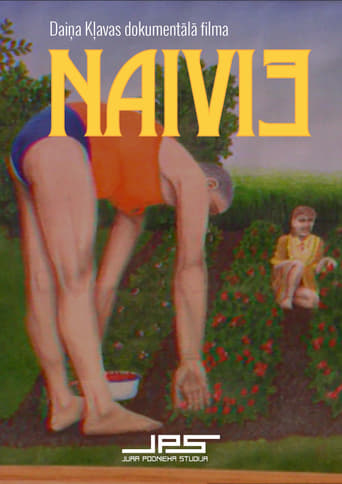
NRA documentary on elderly Naivist painters in 90ies Latvia. These people find a lot of joy and harmony in their amazing creations even if they might not know a lot about the conventional art.
The Naives
1992
 NR
NRA dialogue about fate and mission between sculptors Arta Dumpe, Aivars Gulbis, Oļegs Skrastiņš and the authors of this film.
The Stone of Sisyphus
1985
NRA dialogue about fate and mission between sculptors Arta Dumpe, Aivars Gulbis, Oļegs Skrastiņš and the authors of this film.
The Stone of Sisyphus
1985