
Directing
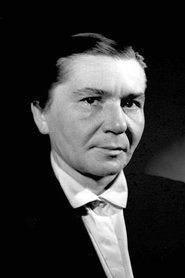
Wanda Jakubowska
Born — Died
1907-10-10 — 1998-02-24
Place of birth
Warszawa, Rosja (obecnie Polska)
Known for
Directing
Credits
26 titles
Wanda Jakubowska (10 November 1907 – 25 February 1998) was a Polish film director. She is best known for her work on the Holocaust. Her 1948 film "The Last Stage" was an early and influential depiction of concentration camps. It was filmed on location at Auschwitz, where Jakubowska had been interned. She was an ardent Communist whose films were often heavily politicized.
Known for
 7.3
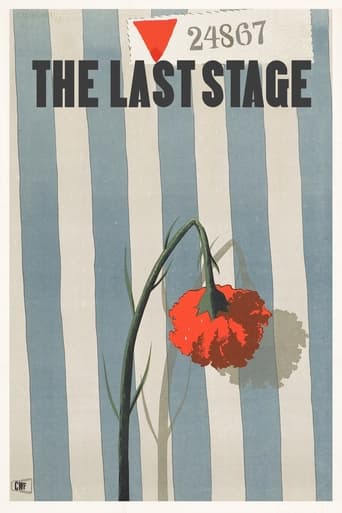
7.3Poland, during World War II. Martha Weiss, a Jewish woman, arrives at the Auschwitz extermination camp with her family. She is assigned the role of interpreter, but her loved ones are much less fortunate.
The Last Stage
1948
No synopsis available yet.
Moment
—
 7.0
7.0The Sea [Morze] is a 1933 Polish short documentary film directed by Wanda Jakubowska. It was nominated for an Academy Award in 1933 for Best Short Subject (Novelty).
The Sea
1933
 7.0
7.0Young Marcin wishes to escape his life in a village and make a career in a city.
150km Per Hour
1972
 6.0
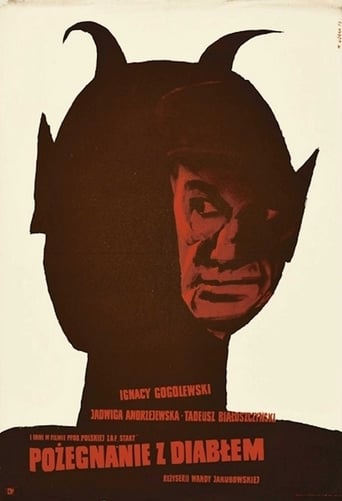
6.0A journalist investigates a mysterious murder in the countryside.
Farewell to the Devil
1957
 10.0
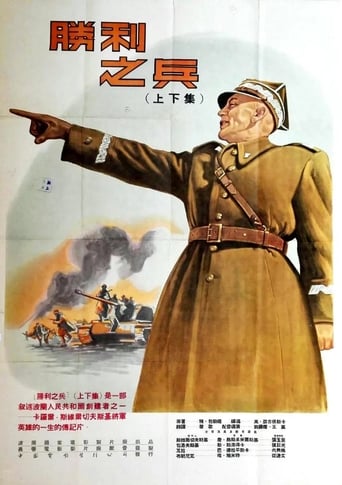
10.0Two-part biopic about General Karol Świerczewski, living embodiment of the party line, and the group of party members from his hometown fighting the fascist forces towards the socialist state of affairs.
Soldier of Victory
1953
Film credits
Undated · 1 titles
Behind the camera
7.3Poland, during World War II. Martha Weiss, a Jewish woman, arrives at the Auschwitz extermination camp with her family. She is assigned the role of interpreter, but her loved ones are much less fortunate.
The Last Stage
1948
7.3Poland, during World War II. Martha Weiss, a Jewish woman, arrives at the Auschwitz extermination camp with her family. She is assigned the role of interpreter, but her loved ones are much less fortunate.
The Last Stage
1948
7.0The Sea [Morze] is a 1933 Polish short documentary film directed by Wanda Jakubowska. It was nominated for an Academy Award in 1933 for Best Short Subject (Novelty).
The Sea
1933
7.0Young Marcin wishes to escape his life in a village and make a career in a city.
150km Per Hour
1972
6.0A journalist investigates a mysterious murder in the countryside.
Farewell to the Devil
1957
6.0A journalist investigates a mysterious murder in the countryside.
Farewell to the Devil
1957
10.0Two-part biopic about General Karol Świerczewski, living embodiment of the party line, and the group of party members from his hometown fighting the fascist forces towards the socialist state of affairs.
Soldier of Victory
1953
10.0Two-part biopic about General Karol Świerczewski, living embodiment of the party line, and the group of party members from his hometown fighting the fascist forces towards the socialist state of affairs.
Soldier of Victory
1953
 8.0
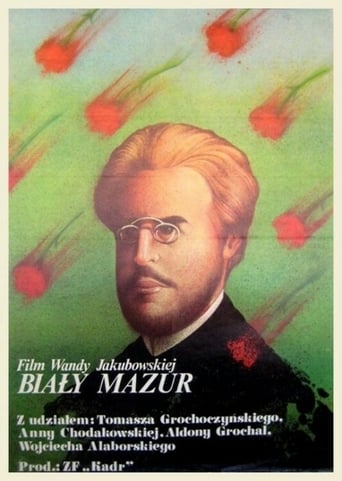
8.0A film about the life and activities of the Polish revolutionary Ludwik Waryński. In his memoirs, Ludwik returns to his student years in St. Petersburg, to Warsaw, to Krakow, where he was arrested and put on trial. After the end of the process in Krakow, Waryński leaves for Geneva, where he meets with Russian revolutionaries. In 1881, he returned to his homeland and created the first party of workers in Poland...
The White Mazurka
1979
8.0A film about the life and activities of the Polish revolutionary Ludwik Waryński. In his memoirs, Ludwik returns to his student years in St. Petersburg, to Warsaw, to Krakow, where he was arrested and put on trial. After the end of the process in Krakow, Waryński leaves for Geneva, where he meets with Russian revolutionaries. In 1881, he returned to his homeland and created the first party of workers in Poland...
The White Mazurka
1979
 6.5
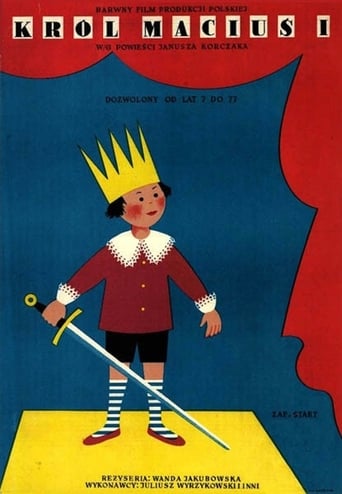
6.5A 10-year old boy becomes a king after the death of his father and tries to bring reforms to the country, with varying results
Król Maciuś I
1958
6.5A 10-year old boy becomes a king after the death of his father and tries to bring reforms to the country, with varying results
Król Maciuś I
1958
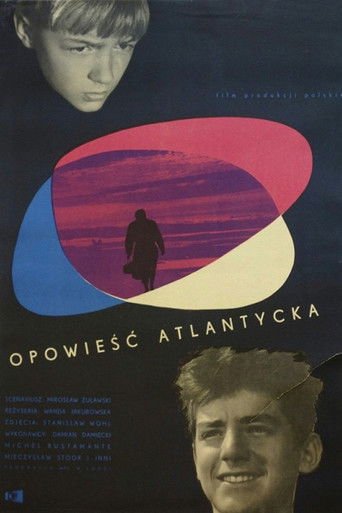 9.0
9.0The fate of a German found by the French peasants - a deserter from the Legion of Foreign Affairs fighting in Vietnam.
Atlantic Story
1955
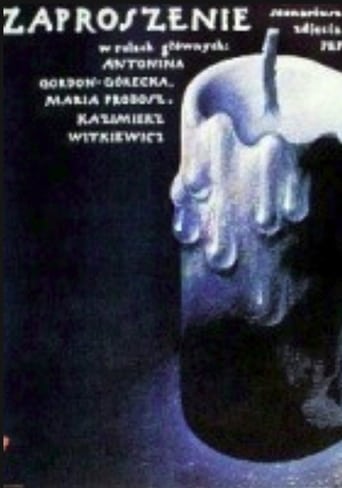 6.5
6.5The main character is Anna, an outstanding pediatrician. She survived the harsh years of war in a concentration camp and cannot accept the behavior of her daughter Natalia, who uses her connections and cares only about material goods. Anna is reminded of 1939, when Piotr, who had been missing for forty-five years, arrives in Poland. Together, they visit places that are important to them: Auschwitz, Sachsenhausen, and Ravensbruck.
Invitation
1986
6.5The main character is Anna, an outstanding pediatrician. She survived the harsh years of war in a concentration camp and cannot accept the behavior of her daughter Natalia, who uses her connections and cares only about material goods. Anna is reminded of 1939, when Piotr, who had been missing for forty-five years, arrives in Poland. Together, they visit places that are important to them: Auschwitz, Sachsenhausen, and Ravensbruck.
Invitation
1986
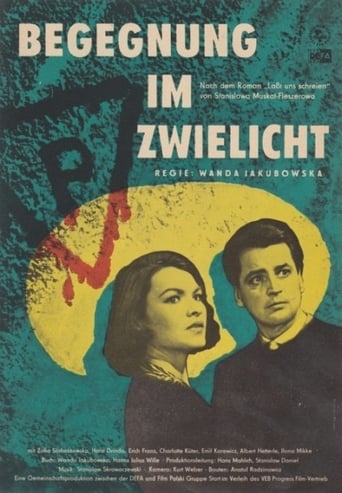 8.0
8.0A pianist from Poland visits a town in West Germany and starts to remember details about her life during the war.
Meetings In The Dark
1960
8.0A pianist from Poland visits a town in West Germany and starts to remember details about her life during the war.
Meetings In The Dark
1960
 7.0
7.0The document illustrates the reconstruction and modernization of Polish villages after the destruction during World War II.
We Are Building New Villages
1946
7.0The document illustrates the reconstruction and modernization of Polish villages after the destruction during World War II.
We Are Building New Villages
1946
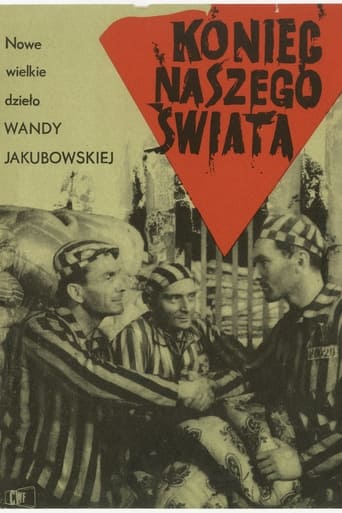 10.0
10.0Henryk Matula has flashbacks to being imprisoned in Auschwitz after he gives a lift to an American tourist who wants to see it
The End of Our World
1964
10.0Henryk Matula has flashbacks to being imprisoned in Auschwitz after he gives a lift to an American tourist who wants to see it
The End of Our World
1964
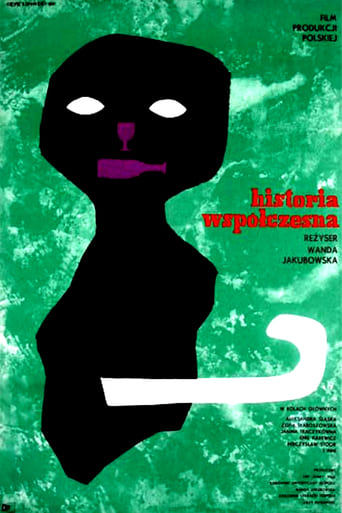 8.0
8.0Based on real events story of stealing methyl alcohol causing mass poisoning in town.
It Started Yesterday
1961
Polish feature film from 1939 , directed by Wanda Jakubowska with a screenplay by Jarosław Iwaszkiewicz , based on the novel by Eliza Orzeszkowa of the same title. The film was lost during World War II.
On The Niemen
—
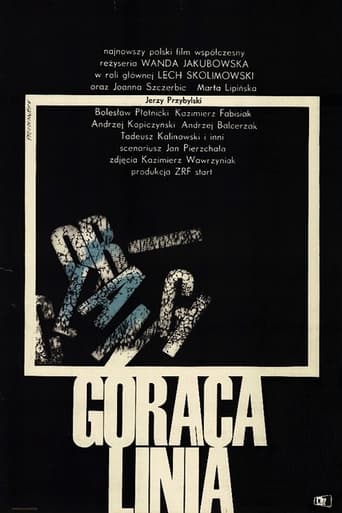 9.0
9.0Przybora, an engineer, undertakes the construction of a modern mine. His fiancée supports him in the hardships of his work.
The Hot Line
1965