

Directing
Alice Guy-Blaché
Born — Died
1873-07-01 — 1968-03-24
Place of birth
Saint-Mandé, Val-de-Marne, France
Known for
Directing
Credits
52 titles
Alice Guy-Blaché (July 1, 1873 – March 24, 1968) is generally considered to be the world's first female director. French-born Alice Guy entered the film business as a secretary at Gaumont-Paris in 1896. The next year Gaumont changed from manufacturing cameras to producing movies, and Guy became one of its first film directors. She impressed the company so much with the output (she averaged two two-reelers a week) and quality of her productions that by 1905 she was made the company's production director, supervising the company's other directors. In 1907 she married Herbert Blaché, an Englishman who ran the company's British and German offices. The pair soon went to the U.S. to set up the com…
Known for
 8.7
8.7No synopsis available yet.
Cinépanorama
1956
 7.1
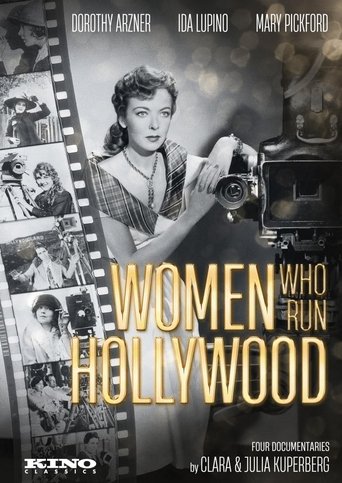
7.1The first talkie was directed by Alice Guy, the first color film was produced by Lois Weber, who directed more than 300 films over 10 years. Frances Marion wrote screenplays for the Hollywood Star Mary Pickford and won two Oscars, Dorothy Arzner was the most powerful film director in Hollywood. And what do all of them have in common? They are all women and they have all been forgotten. Incredibly, it also took until 2010 for the first woman, Kathryn Bigelow, to win the Oscar for Best Director. Even if underrepresented women have always played a big part in Hollywood and it is this part of the film history left untold that this documentary sets out to uncover.
The Women Who Run Hollywood
2016
 7.2
7.2The epic life story of Alice Guy-Blaché (1873–1968), a French screenwriter, director and producer, true pioneer of cinema, the first person who made a narrative fiction film; author of hundreds of movies, but banished from history books. Ignored and forgotten. At last remembered.
Be Natural: The Untold Story of Alice Guy-Blaché
2018
 6.4
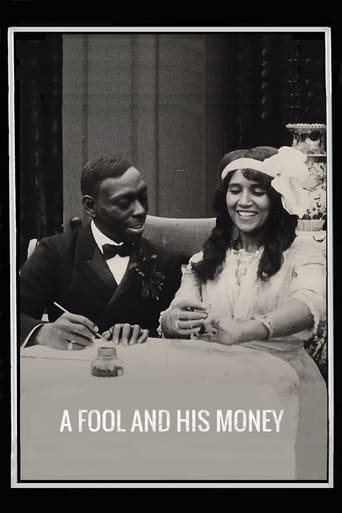
6.4Sam the white-washer pines for the affluent Lindy, but she has dumped him in favor of another. Sam finds a large sum of money, and goes to New York to enjoy a shopping spree, buying new clothes, jewelry and a car with a driver. Back home, Lindy flips for Sam and his newfound wealth, and dumps the rival. Sam throws an engagement party where he indulges in a friendly game of cards with his former rival and another man, who unbeknownst to Sam, is a card shark.
A Fool and His Money
1912
 7.0
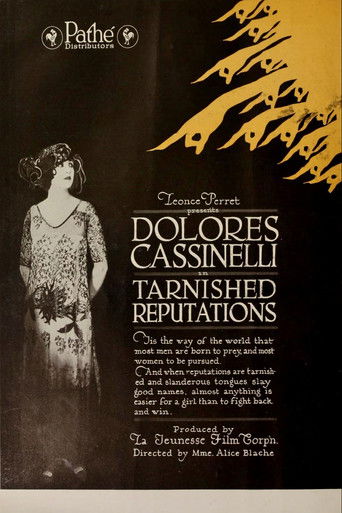
7.0While visiting a small village, popular young artist Robert Williams meets innocent country girl Helen Sanderson and, enchanted by her beauty, induces the girl to pose for him. An attraction develops between them, but just as the portrait is completed, Robert is called back to the city. Helen fails to hear from him again and Robert's neglect draws her to the city, where she is sent to a reformatory on a false charge. Once released, she begs Judge Princeton for help and, feeling sorry for the unfortunate girl, he introduces her to playwright George Wendbourg, who adopts Helen and makes her a great actress. Seeing Helen on stage reawakens Robert's love for her and he begs her for forgiveness. After initially snubbing him, Helen relents and the two finally are reunited.
Tarnished Reputations
1920
 3.0
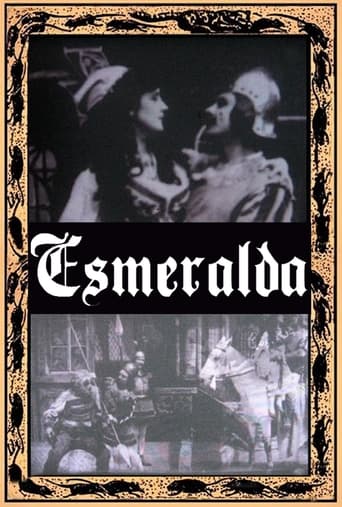
3.0It was the first film version of the Hunchback of Notre Dame.
Esmeralda
1905
Film credits
2010s · 2 titles
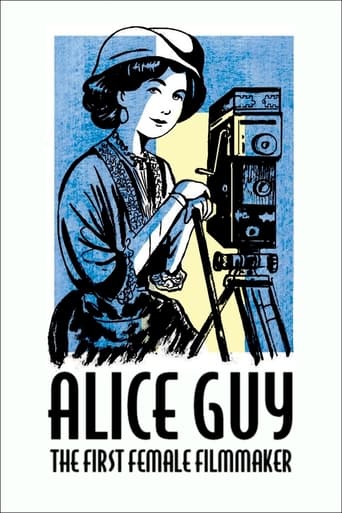
7.1The first talkie was directed by Alice Guy, the first color film was produced by Lois Weber, who directed more than 300 films over 10 years. Frances Marion wrote screenplays for the Hollywood Star Mary Pickford and won two Oscars, Dorothy Arzner was the most powerful film director in Hollywood. And what do all of them have in common? They are all women and they have all been forgotten. Incredibly, it also took until 2010 for the first woman, Kathryn Bigelow, to win the Oscar for Best Director. Even if underrepresented women have always played a big part in Hollywood and it is this part of the film history left untold that this documentary sets out to uncover.
The Women Who Run Hollywood
2016
7.2The epic life story of Alice Guy-Blaché (1873–1968), a French screenwriter, director and producer, true pioneer of cinema, the first person who made a narrative fiction film; author of hundreds of movies, but banished from history books. Ignored and forgotten. At last remembered.
Be Natural: The Untold Story of Alice Guy-Blaché
2018
1900s · 3 titles
 6.2
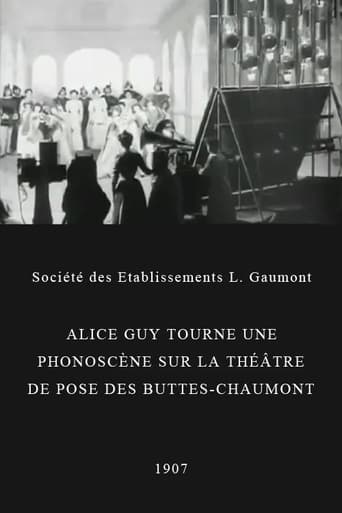
6.2Behind-the-scenes footage showing Alice Guy directing an early sound film.
Alice Guy Films a 'Phonoscène' in the Studio at Buttes-Chaumont, Paris
1907
 5.6
5.6This is a compilation of some of the films that Alice Guy filmed in Spain from mid-October to the end of November, 1905 (catalogue numbers 1371 to 1384) that were individually released in early 1906.
Spain
1905
"Mireille" was filmed at the end of May, 1906, by a small team including Alice Guy, Herbert Blaché, Louis Feuillade and Yvonne Mugnier-Serand at the estate of the Marquis Folco de Baroncelli-Javon in Camargue, during their visit to Nîmes to attend the Gran Corrida organized by the local press association. Ultimately, the film never saw the light of day due to technical problems. (Maurice Gianati et Laurent Mannoni (dir.), Alice Guy, Léon Gaumont et les débuts du film sonore, New Barnet, John Libbey Publishing, 2012, p. 45).
Mireille
1906
1890s · 2 titles
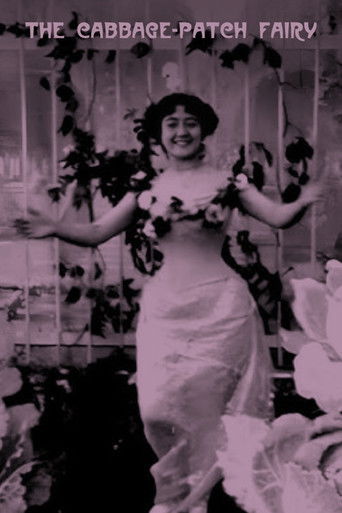 5.2
5.2A brief fantasy tale involving a strange fairy who can produce and deliver babies coming out of cabbages. Note: This is a LOST film; the existing film of the same name is the remake from 1900.
The Cabbage-Patch Fairy
1896
 NR
NRAn early Kinora demonstration film.
Animated Portrait Shot by L and A Lumière
1895
Series credits
Behind the camera
6.4Sam the white-washer pines for the affluent Lindy, but she has dumped him in favor of another. Sam finds a large sum of money, and goes to New York to enjoy a shopping spree, buying new clothes, jewelry and a car with a driver. Back home, Lindy flips for Sam and his newfound wealth, and dumps the rival. Sam throws an engagement party where he indulges in a friendly game of cards with his former rival and another man, who unbeknownst to Sam, is a card shark.
A Fool and His Money
1912
6.4Sam the white-washer pines for the affluent Lindy, but she has dumped him in favor of another. Sam finds a large sum of money, and goes to New York to enjoy a shopping spree, buying new clothes, jewelry and a car with a driver. Back home, Lindy flips for Sam and his newfound wealth, and dumps the rival. Sam throws an engagement party where he indulges in a friendly game of cards with his former rival and another man, who unbeknownst to Sam, is a card shark.
A Fool and His Money
1912
7.0While visiting a small village, popular young artist Robert Williams meets innocent country girl Helen Sanderson and, enchanted by her beauty, induces the girl to pose for him. An attraction develops between them, but just as the portrait is completed, Robert is called back to the city. Helen fails to hear from him again and Robert's neglect draws her to the city, where she is sent to a reformatory on a false charge. Once released, she begs Judge Princeton for help and, feeling sorry for the unfortunate girl, he introduces her to playwright George Wendbourg, who adopts Helen and makes her a great actress. Seeing Helen on stage reawakens Robert's love for her and he begs her for forgiveness. After initially snubbing him, Helen relents and the two finally are reunited.
Tarnished Reputations
1920
7.0While visiting a small village, popular young artist Robert Williams meets innocent country girl Helen Sanderson and, enchanted by her beauty, induces the girl to pose for him. An attraction develops between them, but just as the portrait is completed, Robert is called back to the city. Helen fails to hear from him again and Robert's neglect draws her to the city, where she is sent to a reformatory on a false charge. Once released, she begs Judge Princeton for help and, feeling sorry for the unfortunate girl, he introduces her to playwright George Wendbourg, who adopts Helen and makes her a great actress. Seeing Helen on stage reawakens Robert's love for her and he begs her for forgiveness. After initially snubbing him, Helen relents and the two finally are reunited.
Tarnished Reputations
1920
3.0It was the first film version of the Hunchback of Notre Dame.
Esmeralda
1905
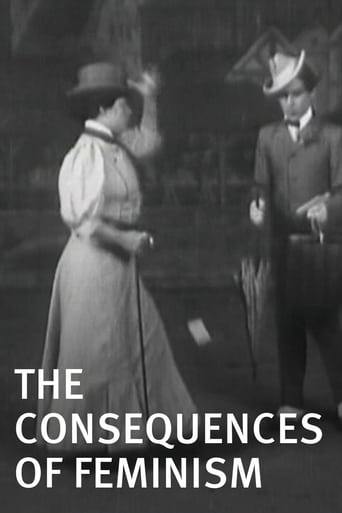 6.2
6.2It's a society in which gender roles are switched. Will men stand to be unequal?
The Consequences of Feminism
1906
6.2It's a society in which gender roles are switched. Will men stand to be unequal?
The Consequences of Feminism
1906
A pregnant young heiress discovers her suitor is already married. She decides to marry a struggling lawyer to protect her reputation.
A Man and the Woman
1917
A pregnant young heiress discovers her suitor is already married. She decides to marry a struggling lawyer to protect her reputation.
A Man and the Woman
1917
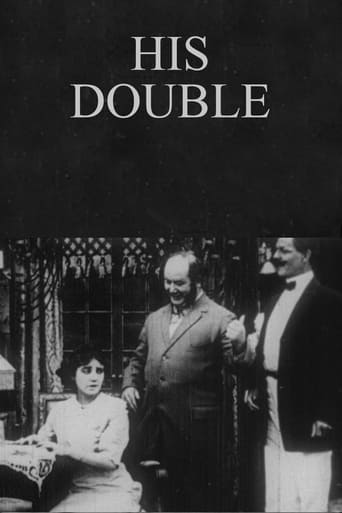 7.0
7.0A father who is determined his daughter should marry a count leading the boyfriend to dress up as the count to thwart his plans.
His Double
1912
 5.0
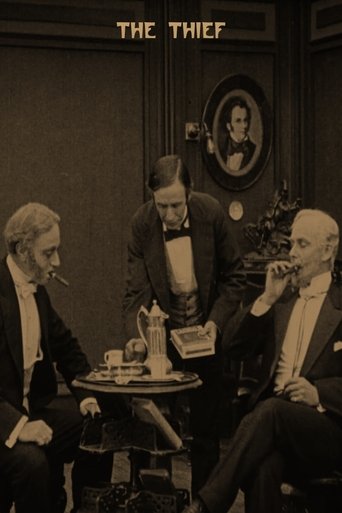
5.0Three wartime friends, two wealthy, and one poor, reunite at an upscale dinner party. Things take a turn when the poor man is accused of stealing something.
The Thief
1913
An heiress is saved from the predations of a gang of gentleman crooks by a female detective and her father.
The Rogues of Paris
1913
An heiress is saved from the predations of a gang of gentleman crooks by a female detective and her father.
The Rogues of Paris
1913
 5.3
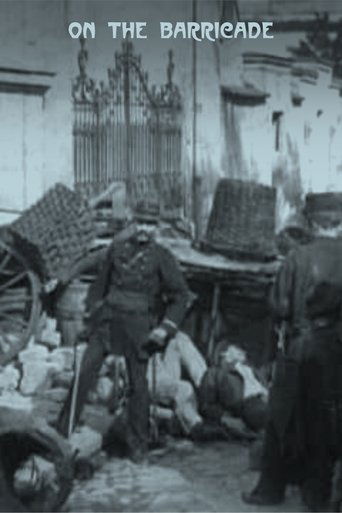
5.3During the Paris Commune, a boy runs across trouble at the barricade. The film is now attributed to Alice Guy-Blaché by the Gaumont company, although there is some debate about whether it was directed by Étienne Arnaud.
On the Barricade
1907
 5.7
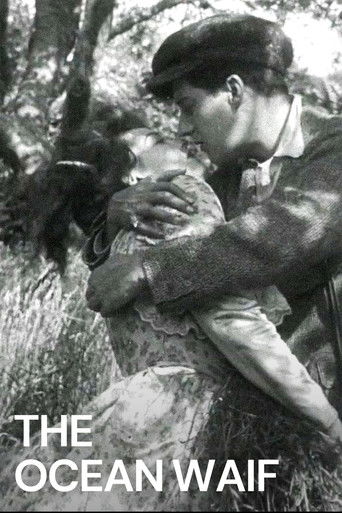
5.7An abused young woman finds safety and love in the arms of a famous novelist.
The Ocean Waif
1916
5.2A brief fantasy tale involving a strange fairy who can produce and deliver babies coming out of cabbages. Note: This is a LOST film; the existing film of the same name is the remake from 1900.
The Cabbage-Patch Fairy
1896
5.2A brief fantasy tale involving a strange fairy who can produce and deliver babies coming out of cabbages. Note: This is a LOST film; the existing film of the same name is the remake from 1900.
The Cabbage-Patch Fairy
1896
 6.0
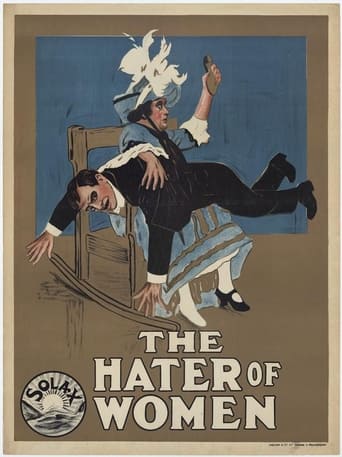
6.0Bob Burton is a misogynist who spends time with other men who share his views, but Bob's friends play a role when he shows that he's not completely disgusted by his friend Harry's sister.
The Hater of Women
1912
No synopsis available yet.
Burstup Homes
1913
Two apprentice violin makers are in love with the same girl, who happens to be the daughter of their mentor. A violin competition is scheduled, with the winner being the one who will marry the girl.
The Violin Maker of Nuremberg
1911
 4.8
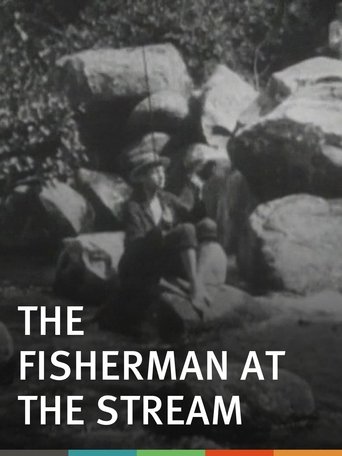
4.8A boy is fishing in a stream when some others see an opportunity for mischief.
The Fisherman at the Stream
1897
 5.8
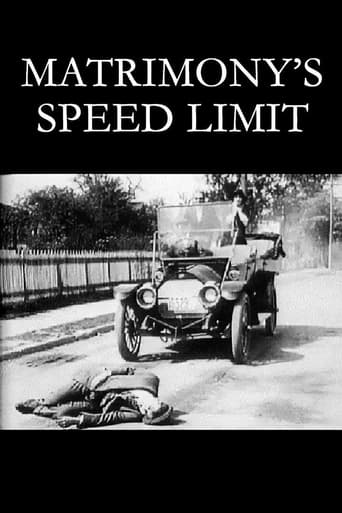
5.8A man must marry by noon or lose his inheritance. It's 11:50 a.m. and he can't find his fiancée.
Matrimony's Speed Limit
1913
5.8A man must marry by noon or lose his inheritance. It's 11:50 a.m. and he can't find his fiancée.
Matrimony's Speed Limit
1913
 4.3
4.3A bullfighter dances with a woman.
The Malagueña and the Bullfighter
1905
 5.9
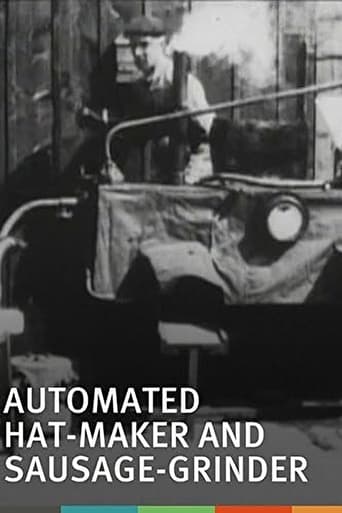
5.9A machine churns out sausages on one side and spits out hats on the other. The director of this film is not credited in any contemporary catalogues or trade publications, or attributed to anyone by scholars or primary sources, however Alice Guy-Blaché is the most probable candidate.
Automated Hat-Maker and Sausage-Grinder
1900
No synopsis available yet.
The Woman Behind the Man
1912
 5.0
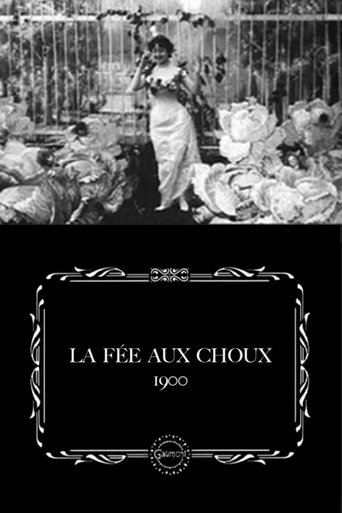
5.0The fairy at a cabbage patch hovers over the babies. This is a remake of Guy's 1896 film on the same subject, this time shot in 35 mm.
The Cabbage-Patch Fairy
1900
5.0The fairy at a cabbage patch hovers over the babies. This is a remake of Guy's 1896 film on the same subject, this time shot in 35 mm.
The Cabbage-Patch Fairy
1900
 5.5
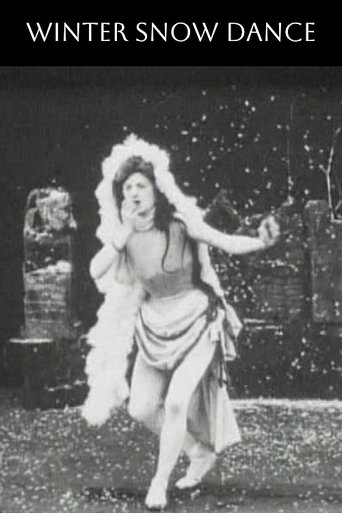
5.5A dancer personifying Winter, dances in the snow. "L'Hiver: Danse de la neige" is the fourth and last film of the series DANSE DES SAISONS. "Le Printemps: Danse des roses", "L'Eté: Danse de la moisson" and "L'Automne: Danse des vendanges" are lost or unlocated.
Dance of the Seasons: Winter, Snow Dance
1900
 5.7
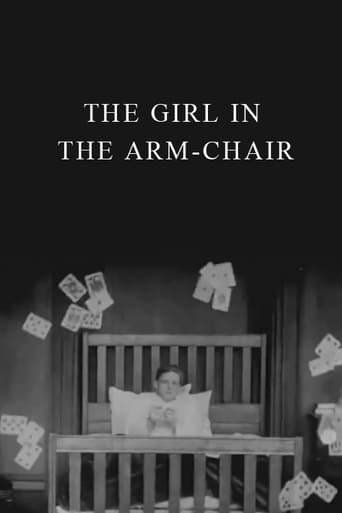
5.7Peggy Wilson has recently become an orphan and a ward of the Waston family. She’s also inherited the late Robert Wilson’s vast fortune, which puts her very much in Mr. Waston’s favor. He would like his son, Frank, to marry Peggy, but Peggy “is not his style” and “her money is no inducement”.
The Girl in the Arm-Chair
1912
5.7Peggy Wilson has recently become an orphan and a ward of the Waston family. She’s also inherited the late Robert Wilson’s vast fortune, which puts her very much in Mr. Waston’s favor. He would like his son, Frank, to marry Peggy, but Peggy “is not his style” and “her money is no inducement”.
The Girl in the Arm-Chair
1912
Selection of hand-painted films made from serpentine dance performances between 1895 and 1907, with original music by Carol Robinson. Produced for ARTE / Lobster Films.
Butterfly Dances
2007
 4.9
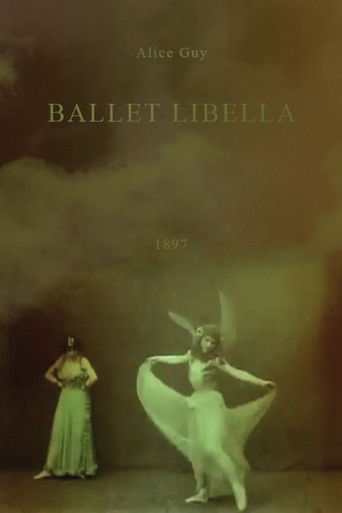
4.9A woman wearing dragonfly wings performs a romantic dreamlike dance.
Ballet Libella
1897
 4.9
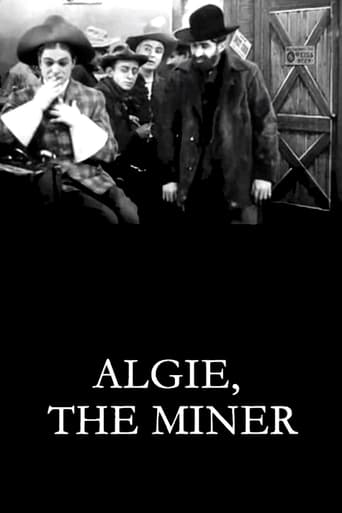
4.9When Algie Allmore asks to marry Clarice, the young woman's father gives him one year to prove that he's a man.
Algie, the Miner
1912
4.9When Algie Allmore asks to marry Clarice, the young woman's father gives him one year to prove that he's a man.
Algie, the Miner
1912
 NR
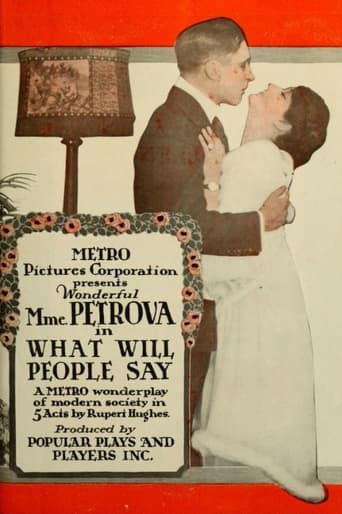
NRPersis Cabot, the daughter of a multi-millionaire meets young officer Harvey Forbes and falls in love but cannot marry him because of her father’s financial reverses. She enters a marriage of convenience, but her husband is a philander who makes her miserable. Despite his faithlessness he is possessive of Persis and driven by jealousy he attempts to kill her, but Harvey rescues her, and they are united at last.
What Will People Say?
1916
 5.8
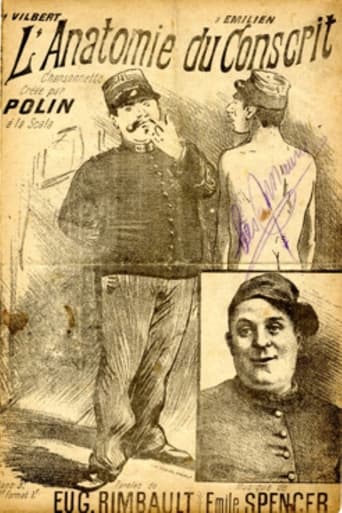
5.8Polin performs a song.
Polin Performs "The Anatomy of a Draftee"
1905
 4.9
4.9Felix Mayol performs Théodore Botrel's 'Lilas-blanc'.
Félix Mayol Performs "White Lilacs"
1905
 4.7
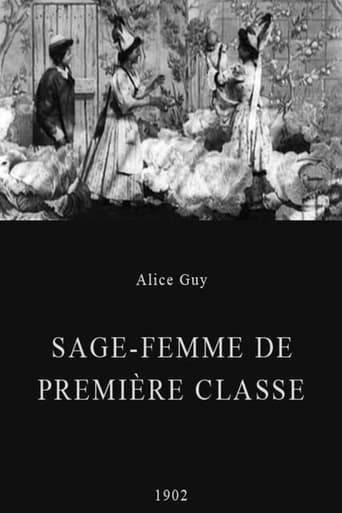
4.7A wonderful midwife helps a rich couple pick out a baby from her cabbage patch.
Midwife to the Upper Class
1902
4.7A wonderful midwife helps a rich couple pick out a baby from her cabbage patch.
Midwife to the Upper Class
1902