
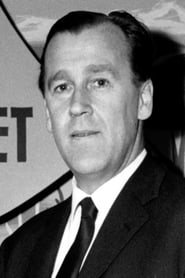
Directing
Arne Sucksdorff
Born — Died
1917-02-03 — 2001-05-04
Place of birth
Stockholm, Sweden
Known for
Directing
Credits
49 titles
Arne Edvard Sucksdorff (3 February 1917 – 4 May 2001) was a Swedish film director, considered one of cinema's greatest documentary filmmakers. He was particularly celebrated for his visually poetic and scenic nature documentaries. His works include Pojken i trädet (The Boy in the Tree) and the Academy Award-winning Människor i Stad (Symphony of a City).
Known for
 5.0
5.0No synopsis available yet.
Reflets de Cannes
1954
 5.5
5.5The Guldbagge Awards is an official and annual Swedish film awards ceremony honoring achievements in the Swedish film industry. Winners are awarded a statuette depicting a rose chafer, better known by the name Guldbaggen. The awards, first presented in 1964 at the Grand Hôtel in Stockholm, are overseen by the Swedish Film Institute. It is described as the Swedish equivalent of the Academy Awards. The awards ceremony was first televised in 1981.
The Guldbagge Awards
1981
 6.8
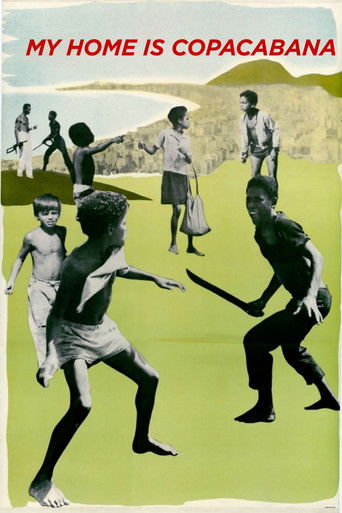
6.8Arne Sucksdorff’s drama follows four homeless children—Jorginho, Rico, Lici, and Paulinho—struggling to survive in the Rio de Janeiro slums. They shine shoes, scavenge food, and pickpocket while dreaming of escape from the streets. When Rico, once escaped from a brutal institution in Caxambu, falls ill, he chooses to return there rather than die outside. A somber portrait of poverty and resilience, the film was selected for the 1965 Cannes Film Festival.
My Home Is Copacabana
1965
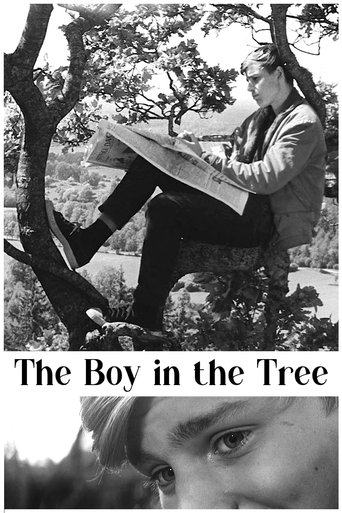 6.9
6.9Göte is a young teen who seems to be at odds with his family and may not know his own mind that well either. Discontented and rebellious, Göte joins up with two mean-spirited game poachers in spite of the fact that he loves animals and nature. This contradiction between his own feelings and his need to rebel reaches a climax when a forest ranger starts to track down the young men in ever-tightening circles.
The Boy in the Tree
1961
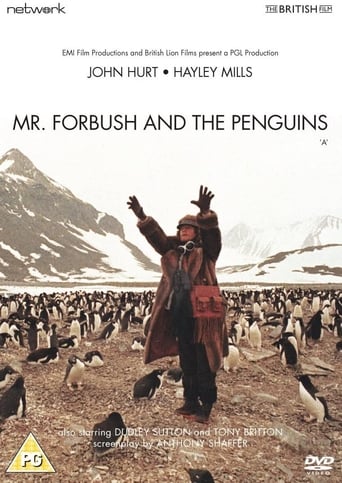 5.0
5.0A self-absorbed young biologist takes on a six-month research post in Antarctica to study a penguin colony. Alone in Shackleton’s abandoned hut, with only radio contact and letters to his distant girlfriend, he endures the harsh winter and gradually forms a bond with the penguins—discovering resilience, humility, and a new sense of purpose.
Mr. Forbush and the Penguins
1971
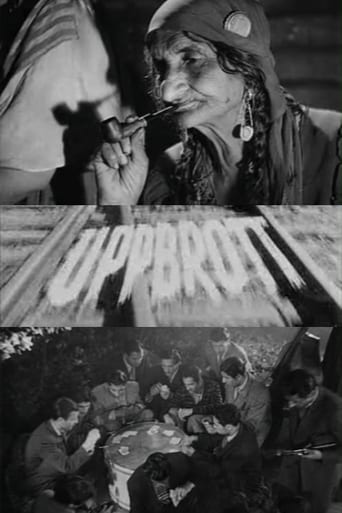 5.7
5.7A short about Romanis in Sweden breaking up camp and moving on.
Break Up
1949
Film credits
2000s · 2 titles
 6.0
6.0No synopsis available yet.
Arne Sucksdorff: Uma Vida Documentando a Vida
2004
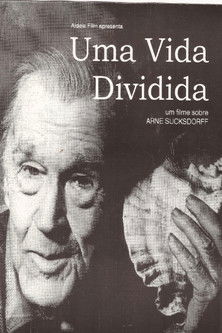
A documentary about the Swedish film-maker, photographer and writer Arne Sucksdorff by his apprentice Stefan Jarl. The documentary includes several scenes from Sucksdorff's work and reveals the intimacy between two of Sweden's most important film-makers.
En film om Arne Sucksdorff
2000
1990s · 1 titles
1970s · 2 titles
 NR
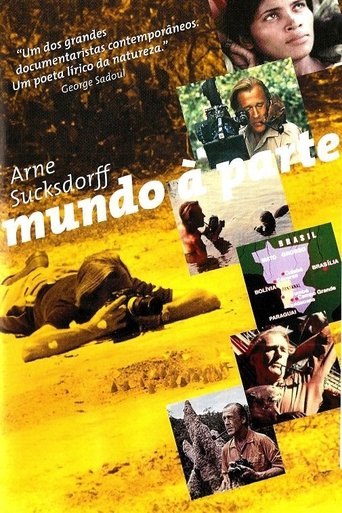
NRAlso known as A World Apart, this Brazilian documentary series by Arne Sucksdorff was produced during his years living in Mato Grosso with his wife Maria da Graça and local collaborators. Filmed between 1970 and 1976, it records everyday life, landscapes, and wildlife of the Pantanal wetlands, highlighting both the beauty of the region and the pressures facing its environment. Combining observational footage with an ecological perspective, Mundo à Parte extends Sucksdorff’s work in På jordens baksida (1972), continuing his exploration of Brazil’s natural world and the communities who live within it.
A World Apart
1976
 6.0
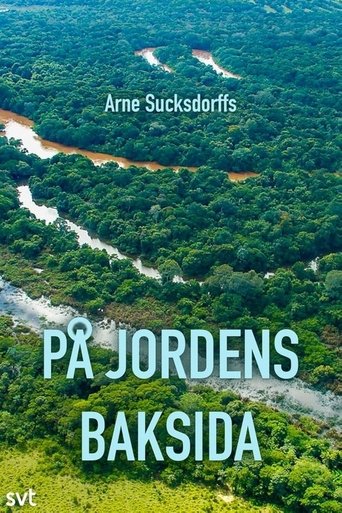
6.0This four-episode Swedish documentary series by Arne Sucksdorff draws on footage shot over four years in Brazil—especially in the Pantanal wetlands—and is narrated from Sucksdorff’s personal diary. It combines images of plants, animals, landscapes, and daily camp life with moments of tension (e.g. threats to wildlife) and reflection on humanity’s relationship with nature.
On the Far Side of the Earth
1972
Series credits
5.0No synopsis available yet.
Reflets de Cannes
1954
5.5The Guldbagge Awards is an official and annual Swedish film awards ceremony honoring achievements in the Swedish film industry. Winners are awarded a statuette depicting a rose chafer, better known by the name Guldbaggen. The awards, first presented in 1964 at the Grand Hôtel in Stockholm, are overseen by the Swedish Film Institute. It is described as the Swedish equivalent of the Academy Awards. The awards ceremony was first televised in 1981.
The Guldbagge Awards
1981
 NR
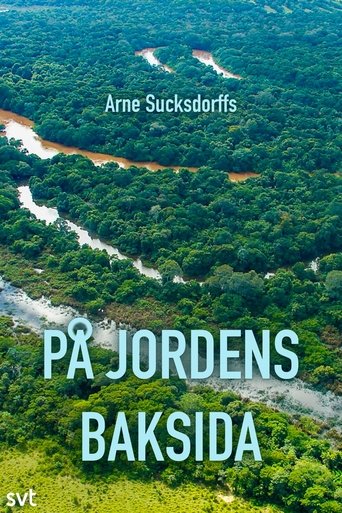
NRThis four-episode Swedish documentary series by Arne Sucksdorff draws on footage shot over four years in Brazil—especially in the Pantanal wetlands—and is narrated from Sucksdorff’s personal diary. It combines images of plants, animals, landscapes, and daily camp life with moments of tension (e.g. threats to wildlife) and reflection on humanity’s relationship with nature.
On the Far Side of the Earth
1972
Behind the camera
6.8Arne Sucksdorff’s drama follows four homeless children—Jorginho, Rico, Lici, and Paulinho—struggling to survive in the Rio de Janeiro slums. They shine shoes, scavenge food, and pickpocket while dreaming of escape from the streets. When Rico, once escaped from a brutal institution in Caxambu, falls ill, he chooses to return there rather than die outside. A somber portrait of poverty and resilience, the film was selected for the 1965 Cannes Film Festival.
My Home Is Copacabana
1965
6.8Arne Sucksdorff’s drama follows four homeless children—Jorginho, Rico, Lici, and Paulinho—struggling to survive in the Rio de Janeiro slums. They shine shoes, scavenge food, and pickpocket while dreaming of escape from the streets. When Rico, once escaped from a brutal institution in Caxambu, falls ill, he chooses to return there rather than die outside. A somber portrait of poverty and resilience, the film was selected for the 1965 Cannes Film Festival.
My Home Is Copacabana
1965
6.9Göte is a young teen who seems to be at odds with his family and may not know his own mind that well either. Discontented and rebellious, Göte joins up with two mean-spirited game poachers in spite of the fact that he loves animals and nature. This contradiction between his own feelings and his need to rebel reaches a climax when a forest ranger starts to track down the young men in ever-tightening circles.
The Boy in the Tree
1961
6.9Göte is a young teen who seems to be at odds with his family and may not know his own mind that well either. Discontented and rebellious, Göte joins up with two mean-spirited game poachers in spite of the fact that he loves animals and nature. This contradiction between his own feelings and his need to rebel reaches a climax when a forest ranger starts to track down the young men in ever-tightening circles.
The Boy in the Tree
1961
5.0A self-absorbed young biologist takes on a six-month research post in Antarctica to study a penguin colony. Alone in Shackleton’s abandoned hut, with only radio contact and letters to his distant girlfriend, he endures the harsh winter and gradually forms a bond with the penguins—discovering resilience, humility, and a new sense of purpose.
Mr. Forbush and the Penguins
1971
5.7A short about Romanis in Sweden breaking up camp and moving on.
Break Up
1949
5.7A short about Romanis in Sweden breaking up camp and moving on.
Break Up
1949
 7.0
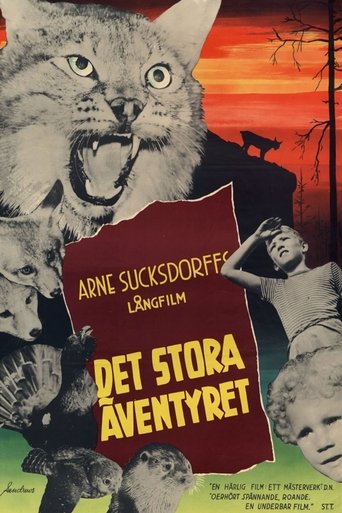
7.0Arne Sucksdorff’s celebrated nature film follows two brothers in rural Sweden as they witness a fox raid and secretly raise an orphaned otter. Told through an adult’s memories, it reflects on childhood, nature, and the fragile balance between wilderness and civilization. The film won the International Prize at the 1954 Cannes Film Festival.
The Great Adventure
1953
7.0Arne Sucksdorff’s celebrated nature film follows two brothers in rural Sweden as they witness a fox raid and secretly raise an orphaned otter. Told through an adult’s memories, it reflects on childhood, nature, and the fragile balance between wilderness and civilization. The film won the International Prize at the 1954 Cannes Film Festival.
The Great Adventure
1953
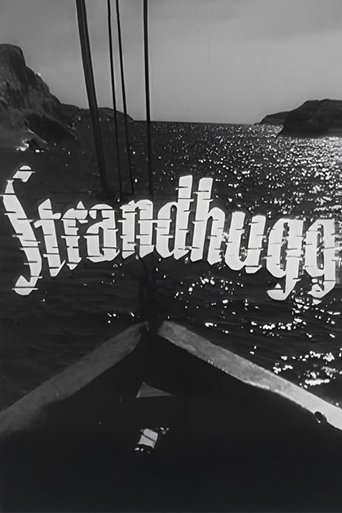 6.0
6.0A documentary about the fishing industry on the west coast of Sweden.
Shore
1950
6.0A documentary about the fishing industry on the west coast of Sweden.
Shore
1950
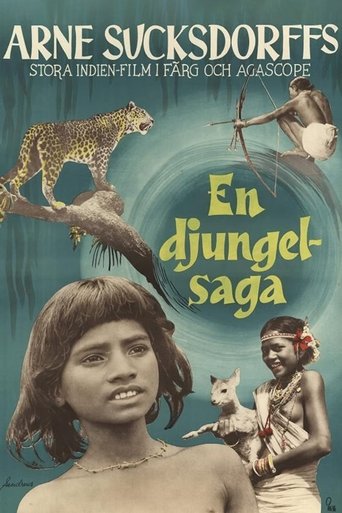 6.9
6.9Arne Sucksdorff’s ethnographic feature documents the life and rituals of the Muria people in the Bastar jungle of central India, focusing on their traditions, music, and relationship to the natural environment. Presented with Sucksdorff’s lyrical visual style, the film was selected for the 1958 Cannes Film Festival.
The Flute and the Arrow
1957
6.9Arne Sucksdorff’s ethnographic feature documents the life and rituals of the Muria people in the Bastar jungle of central India, focusing on their traditions, music, and relationship to the natural environment. Presented with Sucksdorff’s lyrical visual style, the film was selected for the 1958 Cannes Film Festival.
The Flute and the Arrow
1957
6.9Arne Sucksdorff’s ethnographic feature documents the life and rituals of the Muria people in the Bastar jungle of central India, focusing on their traditions, music, and relationship to the natural environment. Presented with Sucksdorff’s lyrical visual style, the film was selected for the 1958 Cannes Film Festival.
The Flute and the Arrow
1957
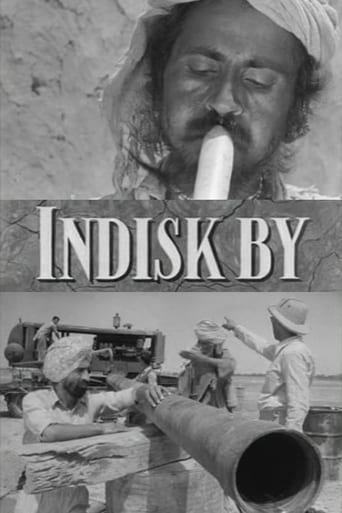 5.8
5.8A short documentary by Swedish filmmaker Arne Sucksdorff portraying everyday life in a rural Indian village. Through carefully composed images of people, landscapes, and communal rhythms, the film offers an intimate view of village life. It was awarded the Special Jury Prize at the 1952 Cannes Film Festival.
Indian Village
1951
5.8A short documentary by Swedish filmmaker Arne Sucksdorff portraying everyday life in a rural Indian village. Through carefully composed images of people, landscapes, and communal rhythms, the film offers an intimate view of village life. It was awarded the Special Jury Prize at the 1952 Cannes Film Festival.
Indian Village
1951
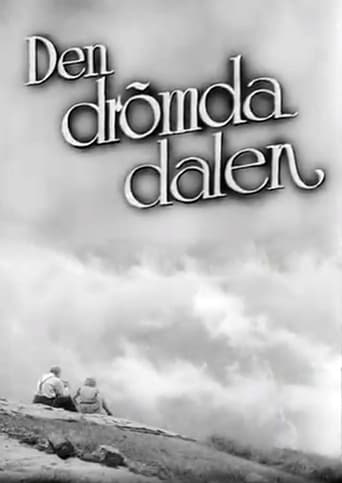 5.7
5.7In the Norwegian mountains, young Ragnhild drifts into daydreams of the fairytale castle Soria Moria when she is supposed to be fetching milk, blurring the line between chores and imagination.
The Dreamed Valley - Soria Moria
1948
5.7In the Norwegian mountains, young Ragnhild drifts into daydreams of the fairytale castle Soria Moria when she is supposed to be fetching milk, blurring the line between chores and imagination.
The Dreamed Valley - Soria Moria
1948
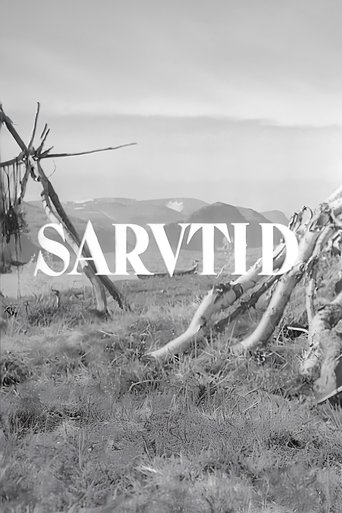 NR
NRAlso known as Reindeer Time and Inheritance, this 9-minute short by Arne Sucksdorff documents the Sámi people’s autumn migration as they guide their reindeer herds back to the forest lands. Blending ethnographic observation with lyrical nature imagery, the film follows the reindeer through mountain landscapes, calving, herding, and branding, underscoring the deep interdependence of humans, animals, and the northern environment.
Time for Common Rudd
1944
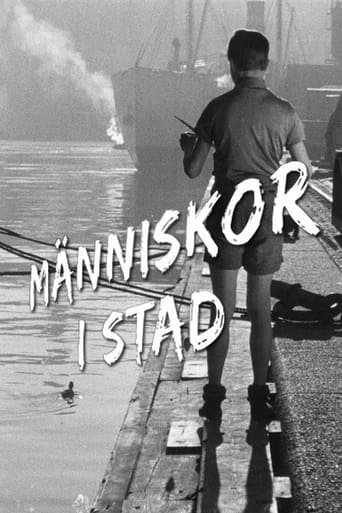 6.9
6.9An impressionistic short film celebrating Stockholm’s rhythms of life, blending images of its streets, waterways, people, and architecture into a visual “symphony.” Winner of the Academy Award (Oscar) for Best Short Subject, One-Reel in 1949 — the first Swedish film ever to receive an Oscar.
Symphony of a City
1947
6.9An impressionistic short film celebrating Stockholm’s rhythms of life, blending images of its streets, waterways, people, and architecture into a visual “symphony.” Winner of the Academy Award (Oscar) for Best Short Subject, One-Reel in 1949 — the first Swedish film ever to receive an Oscar.
Symphony of a City
1947
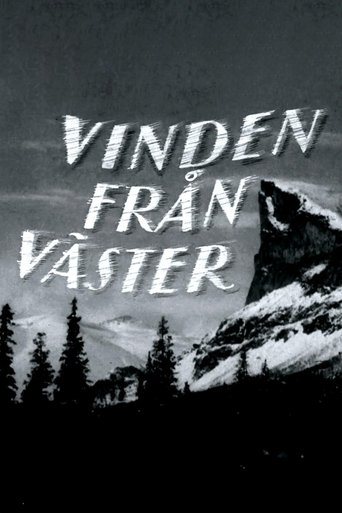 6.5
6.5A short drama documentary about the life of a Sami family in the northernmost part of Sweden, Lappland.
The Wind from the West
1942
6.5A short drama documentary about the life of a Sami family in the northernmost part of Sweden, Lappland.
The Wind from the West
1942
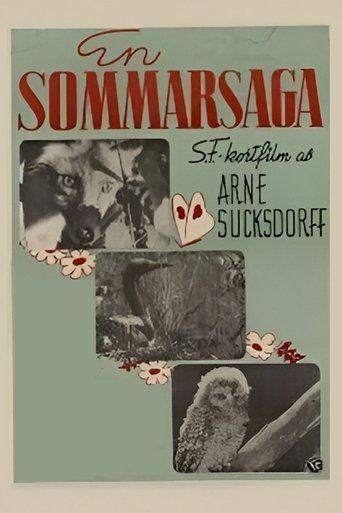 6.6
6.6Arne Sucksdorff’s first film for Svensk Filmindustri, this lyrical short follows a fox cub through his playful explorations and predatory instincts in the Swedish forest. Blending moments of enchantment with unsentimental depictions of cruelty, the film captures the cycle of survival among animals with striking rhythmic editing and sensuous close-ups of fur, eyes, and forest textures. Rich in light and detail, Summer’s Tale became an enormously popular nature film and established Sucksdorff’s reputation for poetic documentary.
Summer's Tale
1941
6.6Arne Sucksdorff’s first film for Svensk Filmindustri, this lyrical short follows a fox cub through his playful explorations and predatory instincts in the Swedish forest. Blending moments of enchantment with unsentimental depictions of cruelty, the film captures the cycle of survival among animals with striking rhythmic editing and sensuous close-ups of fur, eyes, and forest textures. Rich in light and detail, Summer’s Tale became an enormously popular nature film and established Sucksdorff’s reputation for poetic documentary.
Summer's Tale
1941
NRAlso known as A World Apart, this Brazilian documentary series by Arne Sucksdorff was produced during his years living in Mato Grosso with his wife Maria da Graça and local collaborators. Filmed between 1970 and 1976, it records everyday life, landscapes, and wildlife of the Pantanal wetlands, highlighting both the beauty of the region and the pressures facing its environment. Combining observational footage with an ecological perspective, Mundo à Parte extends Sucksdorff’s work in På jordens baksida (1972), continuing his exploration of Brazil’s natural world and the communities who live within it.
A World Apart
1976
NRAlso known as A World Apart, this Brazilian documentary series by Arne Sucksdorff was produced during his years living in Mato Grosso with his wife Maria da Graça and local collaborators. Filmed between 1970 and 1976, it records everyday life, landscapes, and wildlife of the Pantanal wetlands, highlighting both the beauty of the region and the pressures facing its environment. Combining observational footage with an ecological perspective, Mundo à Parte extends Sucksdorff’s work in På jordens baksida (1972), continuing his exploration of Brazil’s natural world and the communities who live within it.
A World Apart
1976
6.0This four-episode Swedish documentary series by Arne Sucksdorff draws on footage shot over four years in Brazil—especially in the Pantanal wetlands—and is narrated from Sucksdorff’s personal diary. It combines images of plants, animals, landscapes, and daily camp life with moments of tension (e.g. threats to wildlife) and reflection on humanity’s relationship with nature.
On the Far Side of the Earth
1972
 7.5
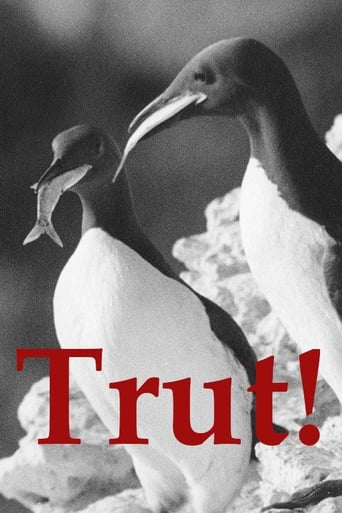
7.5Arne Sucksdorff’s short documentary observes gulls raiding nests and stealing eggs with ruthless persistence. Though presented as pure nature study, the film was widely read as an allegory of Nazism—a symbolic parable of predation and violence during wartime. Sucksdorff himself denied such intent, but remarked that “a film that is not open to interpretation is a dead film.”
The Gulls
1944
7.5Arne Sucksdorff’s short documentary observes gulls raiding nests and stealing eggs with ruthless persistence. Though presented as pure nature study, the film was widely read as an allegory of Nazism—a symbolic parable of predation and violence during wartime. Sucksdorff himself denied such intent, but remarked that “a film that is not open to interpretation is a dead film.”
The Gulls
1944
 9.0
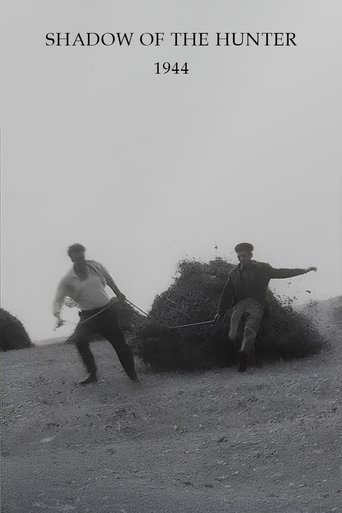
9.0Gryning is a short Swedish film by Arne Sucksdorff, presented without narration or dialogue. It follows a hunter tracking animals through the forest at daybreak, but as the dawn light transforms the landscape, he lowers his rifle, overcome by the beauty of the morning, and walks away. The film is also known by the English titles The Shadow of the Hunter and Dawn.
Shadow of the Hunter
1944
9.0Gryning is a short Swedish film by Arne Sucksdorff, presented without narration or dialogue. It follows a hunter tracking animals through the forest at daybreak, but as the dawn light transforms the landscape, he lowers his rifle, overcome by the beauty of the morning, and walks away. The film is also known by the English titles The Shadow of the Hunter and Dawn.
Shadow of the Hunter
1944
 NR
NROne of the so-called “Marshall films,” Living Storm was produced under the U.S.-backed European Recovery Program to illustrate postwar reconstruction. It presents images of business and industry in Denmark, Norway, and Sweden, emphasizing the interdependence of the Scandinavian countries and their economic ties to the wider world.
Living Storm
1951
NROne of the so-called “Marshall films,” Living Storm was produced under the U.S.-backed European Recovery Program to illustrate postwar reconstruction. It presents images of business and industry in Denmark, Norway, and Sweden, emphasizing the interdependence of the Scandinavian countries and their economic ties to the wider world.
Living Storm
1951
 6.9
6.9A ten-minute study of wild animal life in a Swedish forest; stoat, fox, hare, and owl, who stalk and savage one another, are photographed with extraordinary vividness and intimacy. It is perhaps the most striking of Sucksdorff's animal studies, in spite of an abrupt introduction and ending.
A Divided World
1948
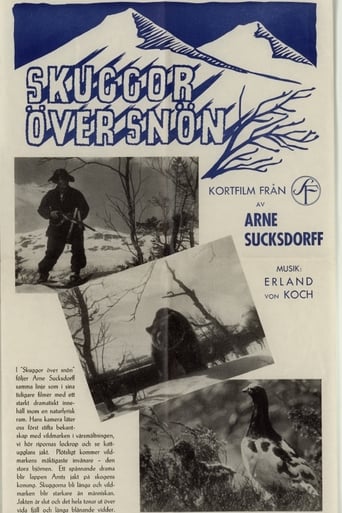 6.0
6.0A nature documentary about the predators in the Swedish winter mountains: the owl, the bear and man.
Shadows on the Snow
1946
 6.8
6.8Arne Sucksdorff’s debut—made when he was 23— is a lyrical short about Sweden’s late-summer crayfish fishery: night-time trapping on water, daybreak on the shore, and the rhythms of August nature rendered in carefully composed images. Often grouped with This Land Is Full of Life as one of Sucksdorff’s “hymns to the Swedish summer,” the film distills a 24-hour cycle into a seven-minute nature rhapsody.
An August Rhapsody
1940
A short Swedish documentary directed by Arne Sucksdorff, produced for the Royal Swedish Waterfalls Board (Kungliga Vattenfallsstyrelsen). With appearances by Kalle Signal and Nicke Strindlund, the 11-minute film was released in 1948.
Litsälven
1948
 6.0
6.0A lyrical short documentary by Arne Sucksdorff about life along the Jhelum River in Kashmir. Through images of the people who live and work on its banks, the film captures the interplay between daily labor, the landscape, and the rhythms of the river itself.
The Wind and the River
1953
6.0A lyrical short documentary by Arne Sucksdorff about life along the Jhelum River in Kashmir. Through images of the people who live and work on its banks, the film captures the interplay between daily labor, the landscape, and the rhythms of the river itself.
The Wind and the River
1953