
Known for
 8.0
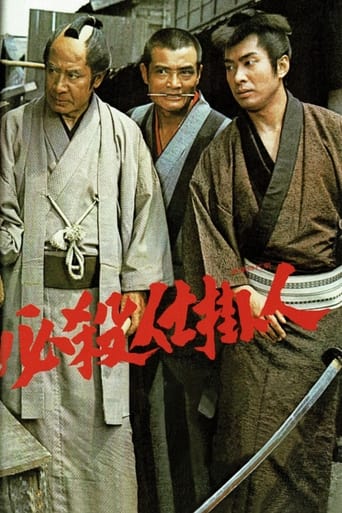
8.0A shikakenin was an under-the-cover trade that undertook killing in Edo. Hanemon of Otowa, an agency that introduced laborers and maids, was also one of these. Katsugoro Iseya was a timber dealer who had come in as a client. His target was the constructions magistrate Hanno, and the Tatsumiya who sipped on the benefits. Hanemon who had a stong code towards killing, where he would only kill those who do no good to be in the world, accepts this request. Baian Fujieda, a needle doctor would carry out the killing. However, the professional killer Baian fails to bring down Tatsumiya. Hanemon then looks to another shikakenin, the ronin Sanai Nishimura for the role. Although Sanai's ability with the sword is good, he lives poorly in a tenement, and accepts this commission on the condition that it is kept a secret from his wife and child. Here, they close in on Hanno and Tatsumiya again...
Professional Killers
1972
 7.0
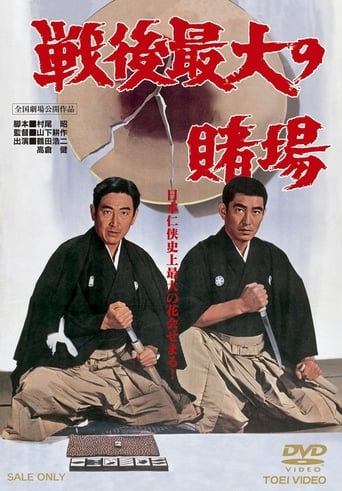
7.0When Honjo is selected as Kansai district's chairman, Iwasa of the rival gang asks Itsuki to do everything possible to have Honjo step down, which puts Itsuki between a rock and a hard place.
The Biggest Gamble
1969
 7.5
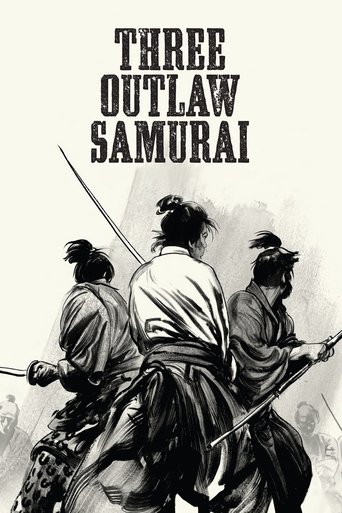
7.5Shiba, a wandering ronin, encounters a band of peasants who have kidnapped the daughter of their dictatorial magistrate, in hopes of coercing from him a reduction in taxes. Shiba takes up their fight, joined by two renegades from the magistrate's guard, Sakura and Kikyo. The three outlaws find themselves in a battle to the death.
Three Outlaw Samurai
1964
 7.2
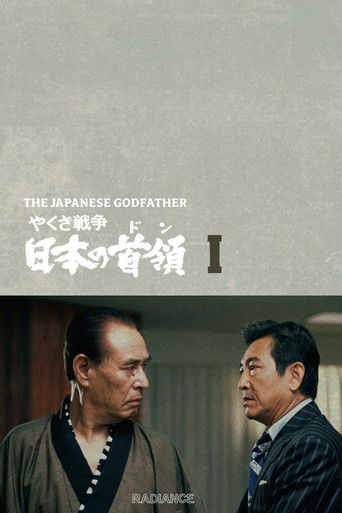
7.2A yakuza leader must balance his violent tactics necessary for the rough streets of 1960s Tokyo with the domestic needs of his daughters.
Japan's Don
1977
 7.1
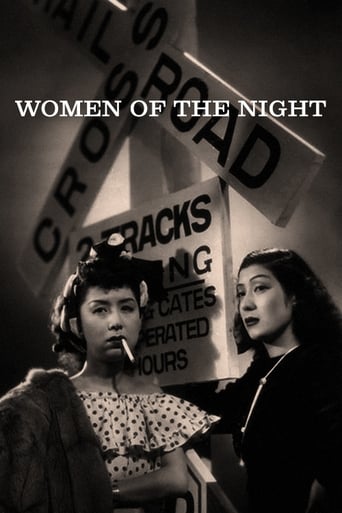
7.1In early post-war Osaka, three women—war widow Fusako, her Korean expat sister Natsuko, and Kumiko, Fusako's sister-in-law—descend into prostitution, all for their individual reasons.
Women of the Night
1948
 7.1
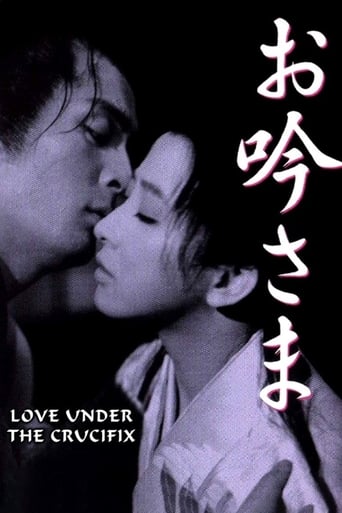
7.1A tea master and his daughter Ogin are both Christians in feudal Japan. Ogin falls in love with a married feudal prince who shares her faith. When the Shogun bans Christianity, the situation worsens.
Love Under the Crucifix
1962
Film credits
1980s · 2 titles
 NR
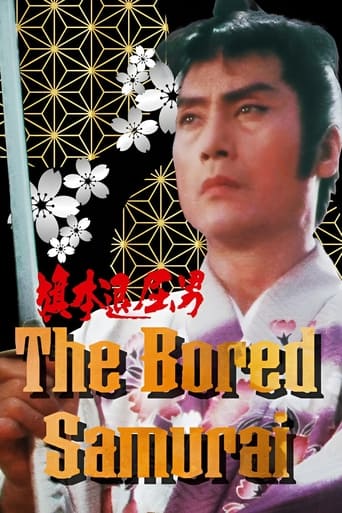
NRSaotome Mondonosuke is Hatamoto (a high-class warrior who is allowed to see the Shogun in person) who has a crescent-moon-shaped scar on his forehead with flashy clothes and a handsome face, and is proficient in all the military arts and called Bored Hatamoto. Mikijiro Hira acts as such a hero in history. Mondonosuke is secretly ordered to look into the suspicious movement in Nagoya castle by the Ometsuke, and he found out about the misconduct and sole it. This is a period movie about the hero!
The Bored Samurai
1983
 NR
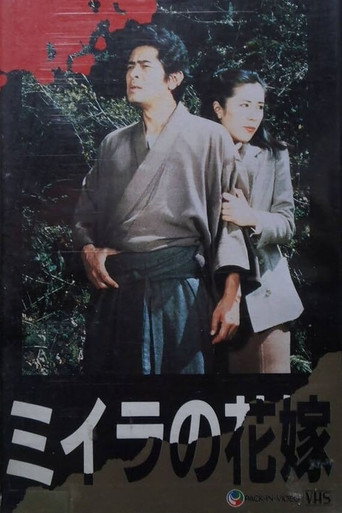
NRThe second standalone TV drama in the Kōsuke Kindaichi series, starring Ikko Furuya. Fresh blood drips from the ceiling onto a bride’s gown… Kindaichi takes on the challenge of solving this mysterious case.
The Kōsuke Kindaichi Series 2: The Mummy Bride
1983
1970s · 3 titles
7.2A yakuza leader must balance his violent tactics necessary for the rough streets of 1960s Tokyo with the domestic needs of his daughters.
Japan's Don
1977
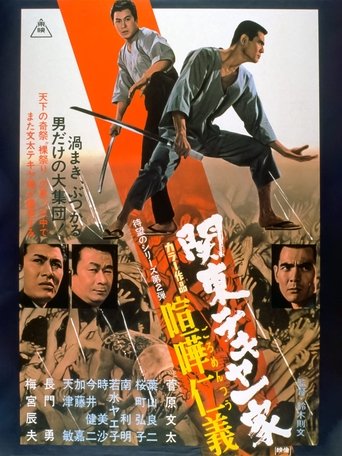 NR
NRThe second film in the Kanto Street Peddlers Clan series starring Bunta Sugawara.
Kanto Street Peddlers: Clan Violent Loyalty
1970
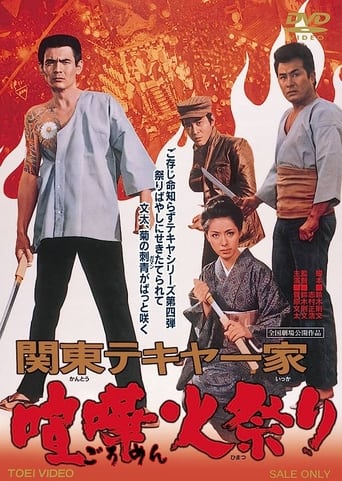 NR
NRThe fourth film in the Kanto Street Peddlers series. The protagonist, played by Bunta Sugawara sides with female boss Yumiko Nogawa to fight evil Hiroshi Nawa, who at one point employs rebellious young hood Tsunehiko Watase and Kagawa. Tatsuo Umemiya also shows up as a cool, leather jacket gunman who gains Sugawara’s respect despite playing for the opposing team. What eventually keeps this film from being as good as the first is the loose script that doesn’t really tie all the fun stuff into a coherent package. Much is forgiven however when the last 20 minutes arrives with several visually striking set pieces (including one death scene stylized to the point of ridiculousness) and a terrific final massacre. This was Suzuki’s last contribution to the series; the fifth and final picture would be helmed by Takashi Harada.
Kanto Street Peddlers: Violent Fire Festival
1971
1960s · 18 titles
7.0When Honjo is selected as Kansai district's chairman, Iwasa of the rival gang asks Itsuki to do everything possible to have Honjo step down, which puts Itsuki between a rock and a hard place.
The Biggest Gamble
1969
7.5Shiba, a wandering ronin, encounters a band of peasants who have kidnapped the daughter of their dictatorial magistrate, in hopes of coercing from him a reduction in taxes. Shiba takes up their fight, joined by two renegades from the magistrate's guard, Sakura and Kikyo. The three outlaws find themselves in a battle to the death.
Three Outlaw Samurai
1964
7.1A tea master and his daughter Ogin are both Christians in feudal Japan. Ogin falls in love with a married feudal prince who shares her faith. When the Shogun bans Christianity, the situation worsens.
Love Under the Crucifix
1962
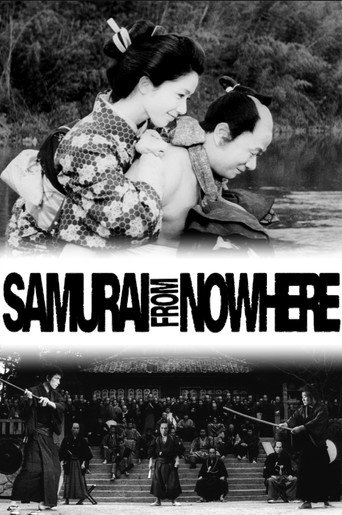 7.1
7.1Misawa Ihei (Nagato) is traveling with his wife Tae (Iwashita Shima) who abhors the practice of sword fighting for prize money. Tae is the daughter of the clan's chief counselor who married the low-ranking Ihei to avoid becoming the clan lord's mistress. Into the mix comes Oba Gunjuro (Tetsurō Tamba), a mysterious ronin who will do anything for money. This leads to a fitting climax as the forces of hate and love converge while the couple attempt to break through the border!
Samurai from Nowhere
1964
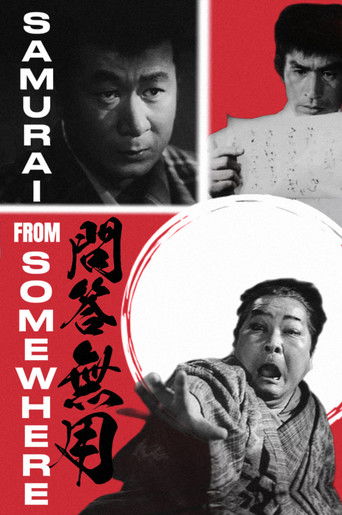 6.5
6.5Young Lord Takenaka stands to succeed his father until a series of violent actions lead his retainers to think that he has gone mad with blood-lust. Never offering any explanation, he continues his seemingly unprovoked attacks until he is sent away from his domain.
Samurai from Somewhere
1964
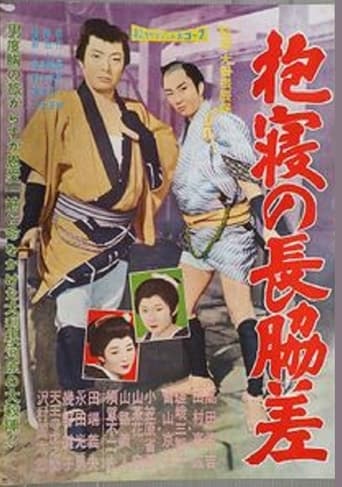 NR
NRTatsuo Osone movie
Dakine no nagawakizashi
1960
 6.2
6.2The plot is based on the novel "Akechi Samanosuke no Koi," the final work in a trilogy by Hiroshi Kato about the forced suicide of Oda Nobunaga at the temple Honnoji. Historically, the general Akechi Mitsuhide is credited with causing Nobunaga's downfall. Kato's novel focuses on Mitsuhide's nephew Samanosuke, who fought alongside his uncle during the assault on Honnoji.
Honno-Ji in Flames
1960
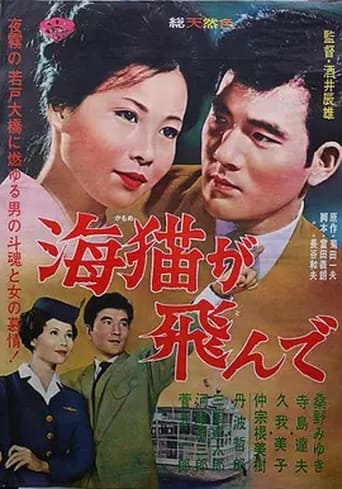 NR
NRNo synopsis available yet.
Umineko ga tonde
1962
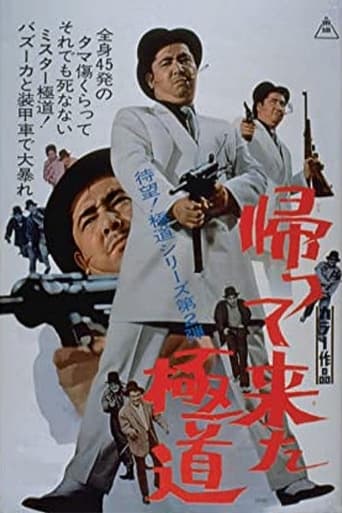 9.0
9.0Second film of the Gokudo series starring Tomisaburô Wakayama
Return of the Outlaw
1968
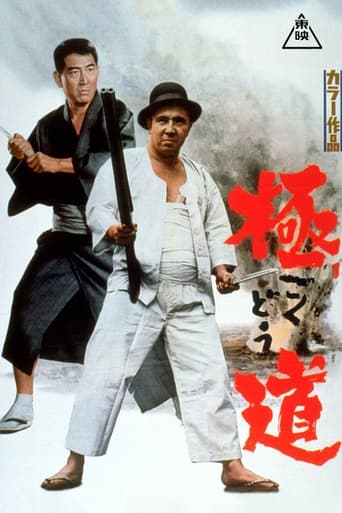 7.0
7.0Shimamura is a violent street thug who joins the yakuza & is merciless & unscrupulous on his rise, lacking any sense of either duty or chivalry. When imprisoned, he is repeatedly transferred from one prison to another, because no one can handle him.
Scoundrel
1968
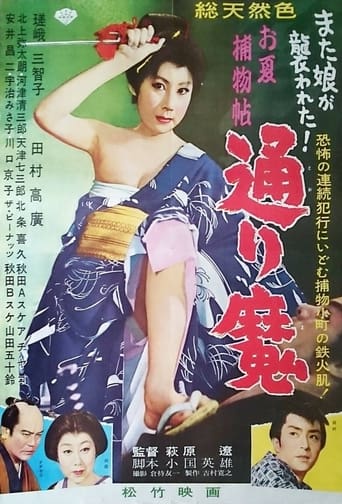 NR
NRJapanese crime film
Onatsu Detective Case: Mad Slasher
1960
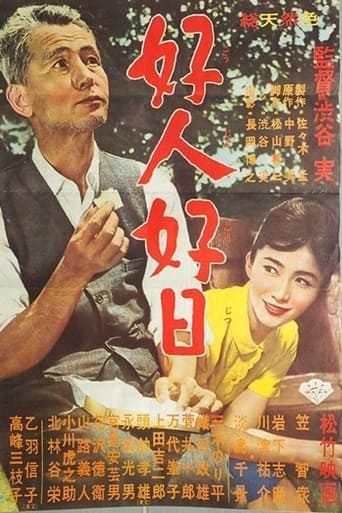 NR
NRThe university professor Ozeki Hitoshi (Ryu Chishu) is regarded as an eccentric by people in his surroundings. When his daughter Tokiko is asked to marry a colleague, she and her mother are overjoyed, but Hitoshi is not satisfied with the situation.
A Good Man, A Good Day
1961
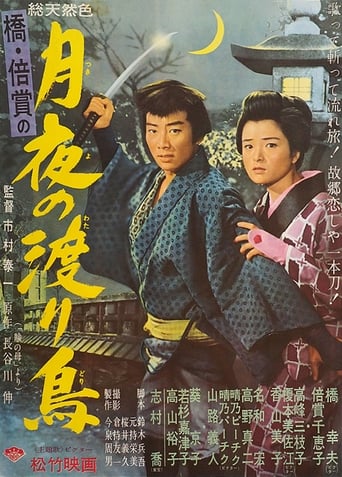 NR
NRA resolute young man searching for his mother, whom he was separated from as a child, defies a family who mistreat the poor and homeless.
The Image of Mother
1963
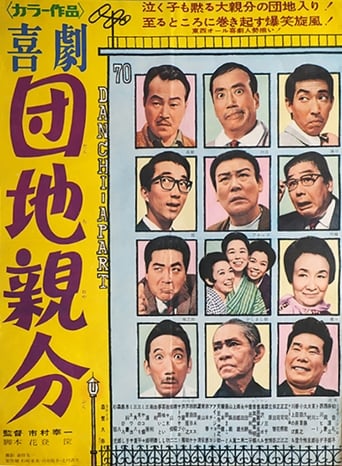 NR
NRA country boss gives up his way of life because of his daughter's marriage.
A Country Boss
1962
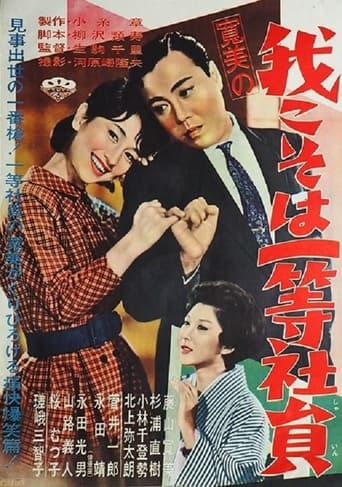 NR
NR1962 Japanese movie
Kanbi no ware koso wa ittō shain
1962
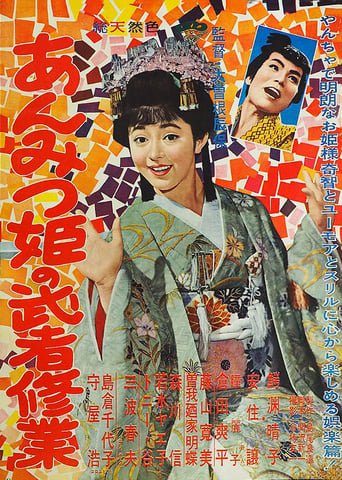 10.0
10.0No synopsis available yet.
Adventures of Princess Anmitsu
1960
 10.0
10.0A 16-year-old boy is ordered to commit ritual suicide to follow his deceased lord into death and preserve the honor of his clan. His elder brother's wife, who has raised him as if he were her own child, asks her husband for permission to spend a single night with the young man and teach him the pleasures of the flesh, out of motherly mercy and desire. However, the following day, a newly issued official decree changes everything...
The Tragedy of Bushido
1960
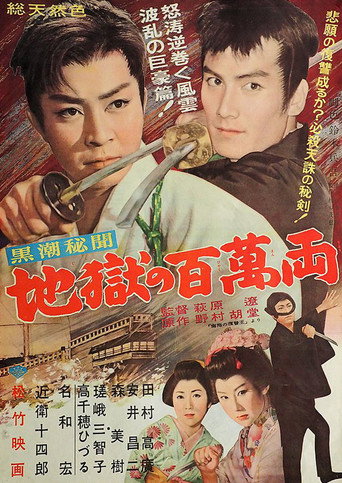 NR
NRNo synopsis available yet.
Kuroshio hibun: Jigoku no hyakuman ryō
1960
1950s · 32 titles
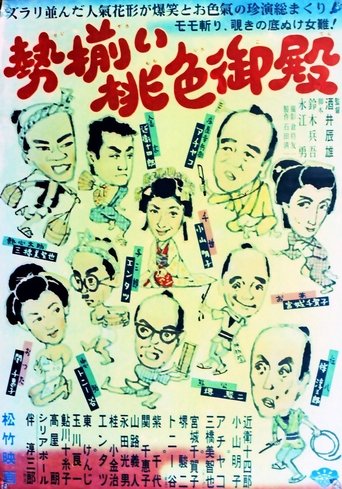 NR
NR1957 Japanese movie
Seizoroi momoiro goten
1957
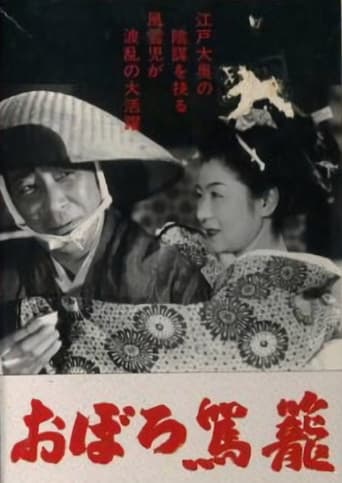 8.0
8.0A period mystery in which an unconventional priest exposes the truth behind the bizarre death of a maid in the shogun's harem. Kinuyo Tanaka stylishly plays a constantly intoxicated geisha in this all-star entertainment film.
The Inner Palace Conspiracy
1951
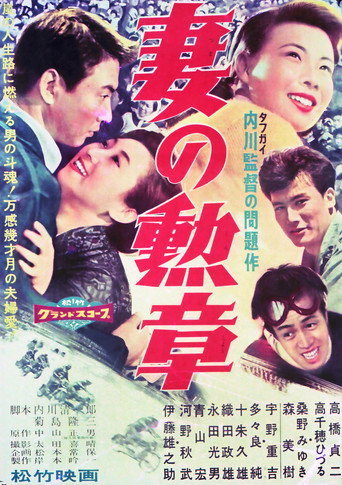 NR
NRNo synopsis available yet.
Tsuma no kunshō
1959
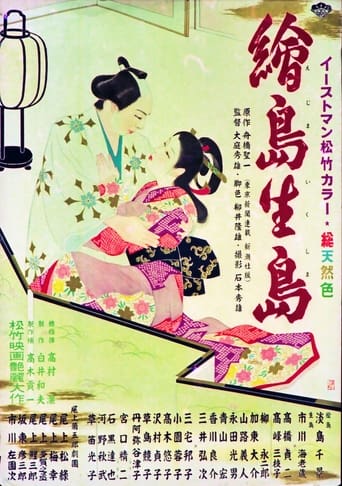 NR
NRThis period film is inspired by one of the most notorious scandals to have taken place in Edo-period Japan. The heroine, Ejima, was a lady of the Ooku, the harem of Edo Castle in which the Shogun’s mother, wife and concubines resided, forbidden from contact with any other man except in the presence of the Shogun. The institution played a key role in the Byzantine world of Japanese court politics during the Edo era. In 1714, Lady Ejima was sent to pay her respects at a Buddhist temple in the city, and chose to pay an unauthorised visit to the kabuki theatre – a violation of protocol that was to have tragic consequences.
Ejima and Ikushima
1955
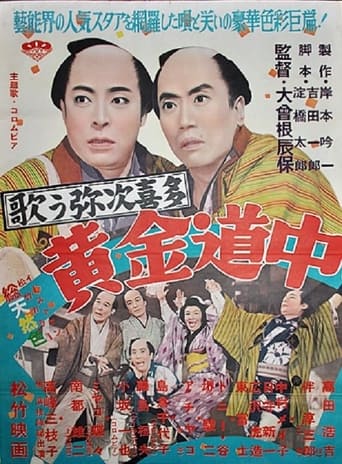 NR
NR1957 Japanese movie
Utau yajikita kogane dōchū
1957
 NR
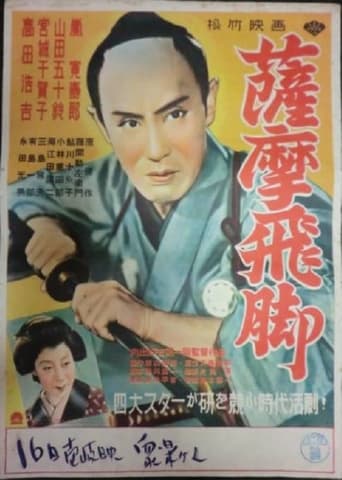
NRNo synopsis available yet.
Satsuma-bikyaku
1951
 6.0
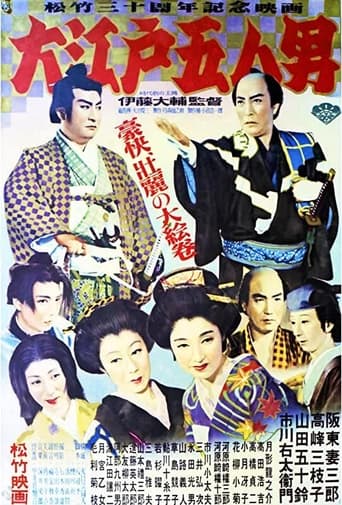
6.0During the 17th Century roving bands of hatamoto were causing trouble in the new capital city of Edo and constantly fought with the townspeople at every turn. The leader of these ruthless samruai was Mizuno Jirozaemon, who despite his high rank was in deep financial distress, thus leading to a tragedy that shook the very streets of the city.Opposing him was Banzui-in Chobei, the ‘Protector of the Weak’ who was willing to put his life on the line to save the 808 districts of Edo from the 80,000 hatamoto whose violent behavior threatened to destroy the fabric of society. Starring Bando Tsumasaburo, the first great star of the silver screen along with mega-star Ichikawa Utaemon, this is a story not to be missed. Torn from the pages of history, this true story has been told many times, but never as powerfully as this!
Five Men of Edo
1951
 NR
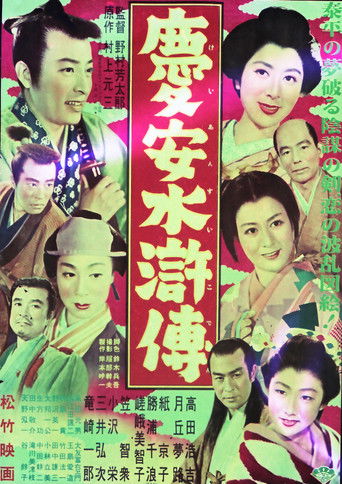
NRChikuzen, a ronin named Yoh Daisuke, after pacifying some ruffians at the theater of Onna-Kata Ogino Sawanojiki, formed a bond with the theater's bodyguard, Maruhashi Tadayasu, and Kaku, a priest. He ended up settling at the Kasugaya, the house of Oko, whom he had saved. When Oko decided to go to Edo, where her biological father lived, Daisuke accompanied her. Along the way, at Suruga Abe River, they encountered Sawanojiki's theater group, which had departed from Osaka earlier heading to Edo. A scuffle initiated by Tadayasu over a ferry boat with the students of Yui Masayuki but was amicably resolved through Masayuki's intervention.
慶安水滸傳
1954
 NR
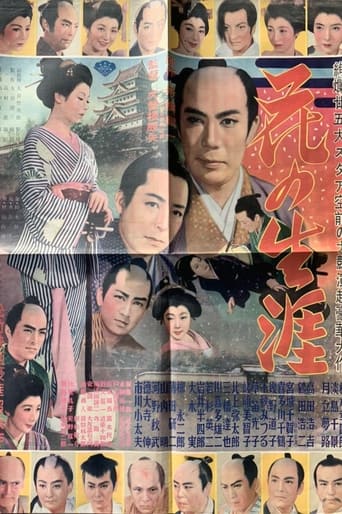
NRIn 1842, in the Umemoku Mansion within Hikone Castle, Naosuke Ii, despite the tumultuous times, was engrossed in the world of tea ceremony. His friend, the Kokugaku scholar Nagano Shuzen, introduced him to a captivating shamisen master named Murayama Taka. Naosuke became deeply infatuated with her, disregarding the jealousy of his consort Shizu and the warnings of his senior retainer, Gaiji. However, upon discovering Taka's relationship with Shuzen, Naosuke promptly ended his ties with her.
Hana no shôgai
1953
 7.0
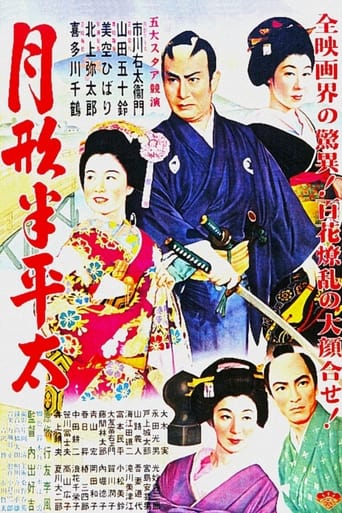
7.0During the ultra-violent era of the downfall of the Tokugawa Shogunate one man rose above the rest with his ideas of how to overthrow the corrupt government and end the bloodshed between the Choshu and Satsuma clans which would ultimately lead to the alliance of these 2 clans and restoration of the emperor to full power. Based on the play that made Sawada Shojiro famous, this is the story of Tsukigata Hanpeita, a forward looking samurai from Choshu, who along with Katsura Kogoro and Sakamoto Ryoma of Tosa worked to bring their dream of a new era in Japan.
Tsukigata Hanpeita
1952
 NR
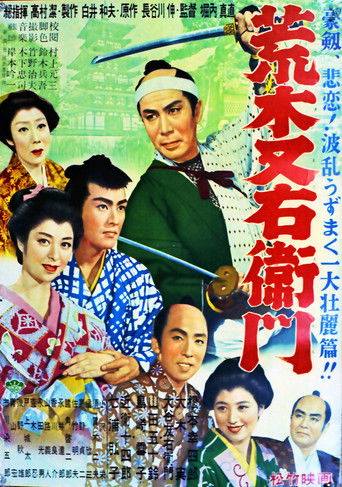
NRWatanabe Kazuma and Kawai Matagorō from the Bizen Okayama Ikeda clan were close friends, but they inevitably became enemies after Matagorō killed Kazuma's younger brother, Gentayū, and fled. Seeking assistance, Kazuma asked his brother-in-law, Araki Mataemon, for help, but Mataemon refused, saying that it was against the code for a brother to avenge another brother's death. On the other hand, the lord of the clan, Ikeda Tadao, ordered a search for Matagorō, who was found to be sheltered by the Hatamoto, including Andō Jiemon, in Edo. Tadao was furious but unable to act. Matagorō, in Edo, came to regret his birth as a samurai. He met and fell in love with Okō, a bathhouse maid. As the discord between the Hatamoto and the Ikeda clan deepened, Tadao died of illness. Seizing the opportunity to ease the conflict, the shogunate ordered the Ikeda clan to be succeeded by the young lord Katsugorō and to relocate to the Ikeda clan of Inshū Tottori. Meanwhile, Matagorō was exiled from Edo.
荒木又右衛門
1955
 NR
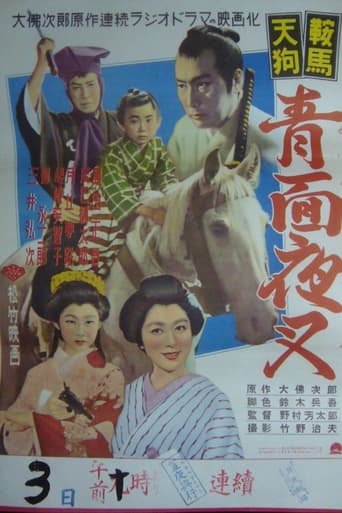
NRAt the end of the Edo period - On his way back after being invited by the three Mikados of Higashi Shirakawa, Kurama Tengu was attacked by the Shinsengumi. Given the circumstances, he began to suspect a connection between the Mikado and the Shinsengumi.
Kurama tengu: Aomen yasha
1953
 NR
NRNo synopsis available yet.
Ushiwakamaru
1952
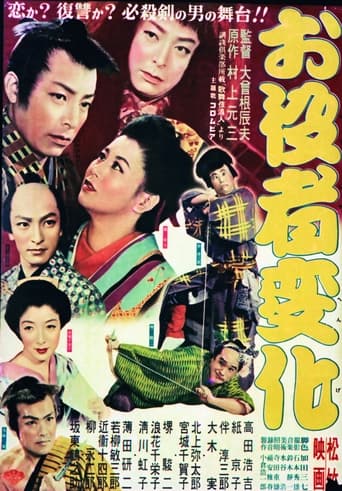 NR
NRDuring the Genroku era, Azusa Gennosuke, renowned in Nara as a top swordsman and a scholar, crossed swords with the Magistrate Kurobane Yatayu, who tried to force himself on Gennosuke's beloved foster-sister, Kikuno. As a result, Gennosuke's younger brother, Shichisaburo, was killed. Separated from his mother, Gennosuke found himself on the run from the officials.
お役者変化
1954
 NR
NRA parody based on Kabuki plays about thieves led by the famous Soshun Kochiyama.
Six Men Mustered in Great Edo
1953
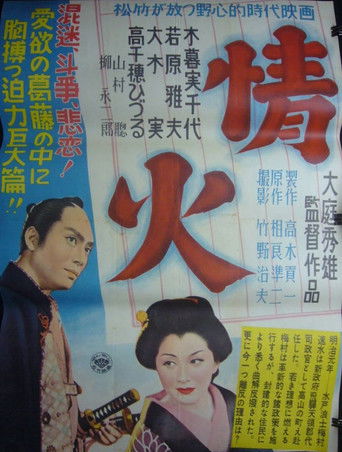 NR
NRThe time was the first year of Keio (1865). Upon hearing the news that the Imperial Army was approaching Hida Takayama, the district head Shimizu Uzen fled to Edo. Local officials like Yoshida Bunsuke and Yoshizumi Hironoshin showed their allegiance by welcoming them. The commander at the time, Umemura Hayami, was a former member of the Tengu Party and had previously been pursued in the town. He took refuge in a restaurant named Kabuya, and owing to a tip-off from a woman named Oraku, he was almost captured for her lover, Yoshizumi. Oraku and Yoshizumi probably feared revenge from that previous encounter, but Umemura had come back to Hida because he couldn't forget Oraku.
Passion Fire
1952
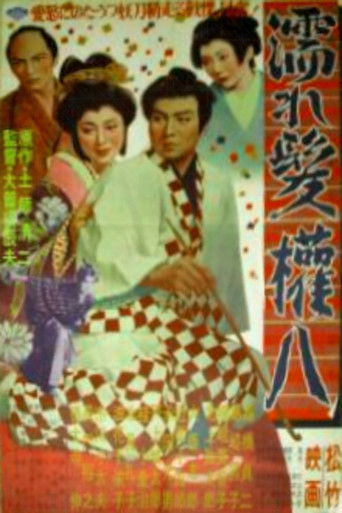 NR
NRA foot soldier from Tottori domain named Shirai Gonpachi showcased exceptional swordsmanship that even surpassed the domain's champion Honjo Sukehichi during a ceremonial match. Though Gonpachi was promised a promotion to samurai status due to his skills, Sukehichi's father Sukezaemon's intervention out of jealousy prevented this. In anger, Gonpachi killed Sukezaemon and, without realizing it, also mistakenly killed Tomoe, his lover's brother Tsushimo Uemon. Following this, he fled to Kyoto, seeking shelter at the "Murasa" inn operated by Uemon's aunt.
Beautiful Gonpati
1954
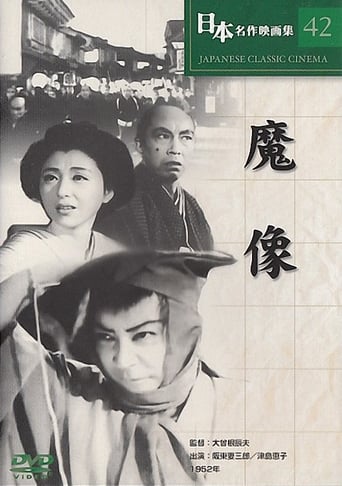 8.0
8.0A gallant swordsman takes on the forces of evil with the help of his trusty friends.
Devil’s Statue
1952
No synopsis available yet.
愛情の旋風
1951
 6.2
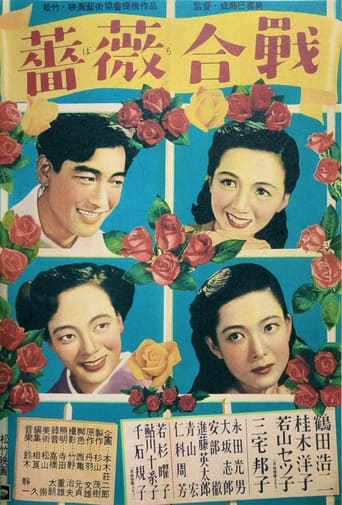
6.2Following the death of Mr Masago, his wife Satomi loses the family's cosmetics company to Mr Mogy due to huge amount of withdrawal debt caused by her husband. Mogy blackmails Satomi's sister Hinako into marrying him, so he will not send Masago to jail, and Satomi wrongly understands that Hinako is dating Mogy.
Battle of Roses
1950
 NR
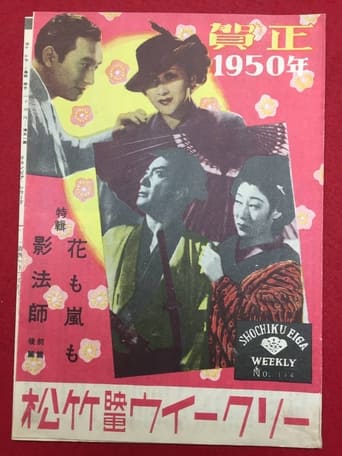
NROn the night the shogunate's treasury was breached, the guard Utsugi had already been taken down. His colleague Ryunosuke felt responsible and decided to catch the culprit, not only for the sake of the beautiful wife of Utsugi, Chika, but also for his own honor. Chika's younger brother Shinjiro and the powerful Uechi family living near Ryunosuke's abode, join hands to support Ryunosuke. Counterfeit coins begin to surface—a scheme by the corrupt faction led by Yanagisawa. The henchman behind this is Koyamada Tesshin, who gathers ronin to amplify Yanagisawa's power. Among those ronin is Tendo Sakon—a man who drinks silently and plays the flute when in a mood.
Kagebōshi
1950
 NR
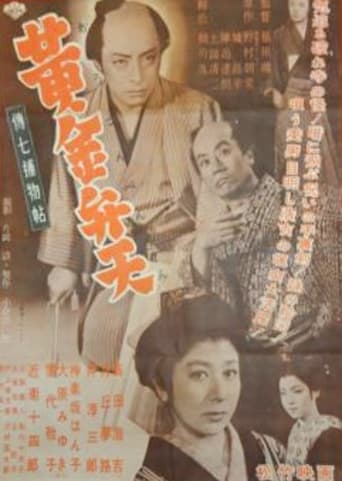
NRA samurai detective film.
Denshichi Torimonocho: The Case of the Golden Goddess
1954
 NR
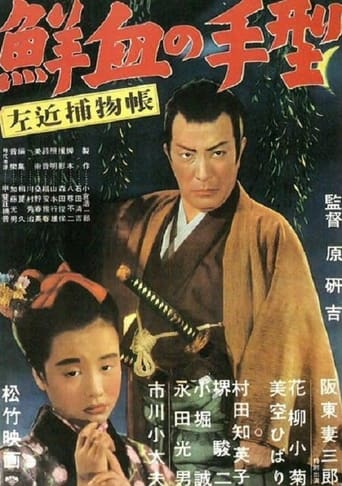
NRNo synopsis available yet.
Sakon Detective Story: Handprint in Fresh Blood
1950
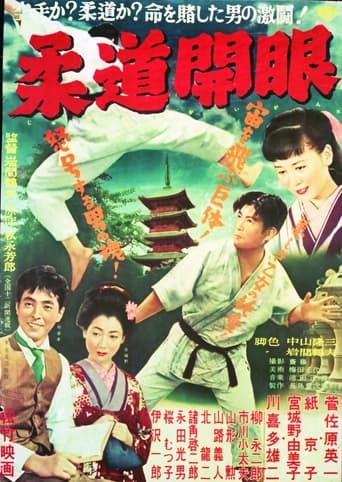 NR
NRNo synopsis available yet.
The Dawn of Judo
1955
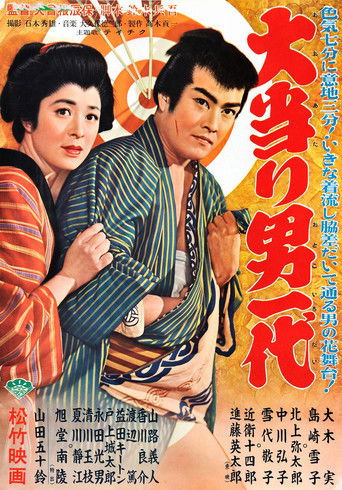 NR
NRShinzō, the heir of the prominent Edo lumber dealer Yamashiroya, left home when his stubborn father, Chōzaemon, dismissed his lover, the maid Oyasu. Shinzō and Oyasu set up a household near a soba shop in Fukagawa, but Shinzō struggled financially, turning to gambling and fighting, while Oyasu worked as a tea server in a theater, constantly harassed by a small-time gangster, Rikichi, for cigarette money. The only ones concerned about Shinzō and Oyasu were Shinzō’s sister, Omitu, and her dance teacher, Oyoshi. Later, Shinzō managed to get a job at another lumber dealer, but after a conflict with the detective Hansuke, who was also infatuated with Oyasu, Shinzō accidentally dropped lumber into the river and was fired. Unaware that Oyasu had borrowed money from a bar to repay the lumber dealer, Shinzō left to earn money in the Mito clan's crew quarters and ended up rescuing Rikichi from a dice game trouble.
大当り男一代
1956
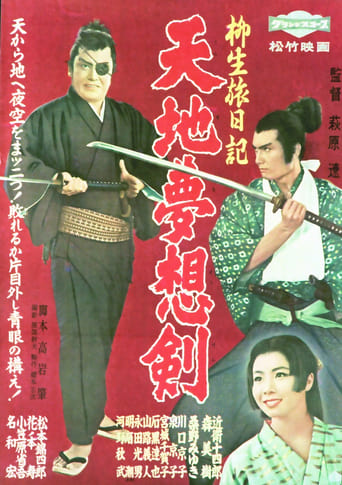 9.0
9.0Yagyu Jubei proves his skills in this early adventure film.
Sword of Vision
1959
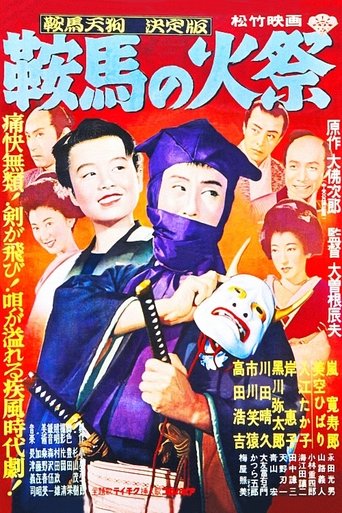 NR
NRThe masked avenger Kurama Tengu is linked to a plot to bring down the Tokugawa shogunate, but is it really our hero, or an imposter?
Kurama Tengu: The Fire Festival
1951
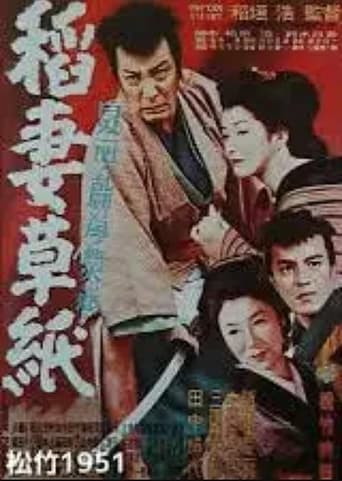 10.0
10.0Gensaburo Funaki and Oyuki were childhood friends, but Gensaburo misunderstood that Oyuki was hesitant to get married because he had to feed his father and younger brother. I left the town.
Story of Lightning
1951
 NR
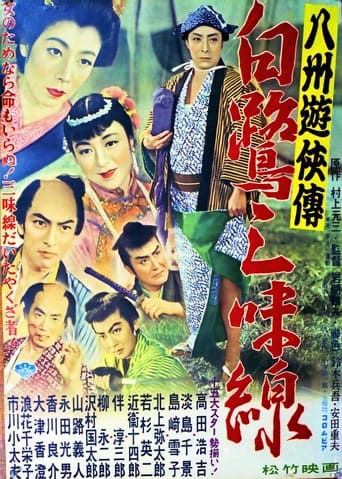
NRHatamoto Ooka Gentaro was deeply committed to a future with a beautiful girl named Omachi, a relationship facilitated by his love of the shamisen. Omachi was stalked by a ronin named Akiyama Kanosuke, and at one point, Gentaro and Akiyama dueled at Matanuiyama, but the confrontation was left unresolved when Omachi, sensing urgency, called the authorities. Meanwhile, Gentaro's uncle, Kii-no-kami, concerned about Gentaro's whereabouts, ordered him to investigate a conspiracy by Tachibana Tadama, a tyrannical director of Hachijo who exercised his power oppressively in Shimousa Iioka. Gentaro attempted to leave on a journey with Omachi but was obstructed by his uncle's retainers.
八州遊侠伝 白鷺三味線
1955
 NR
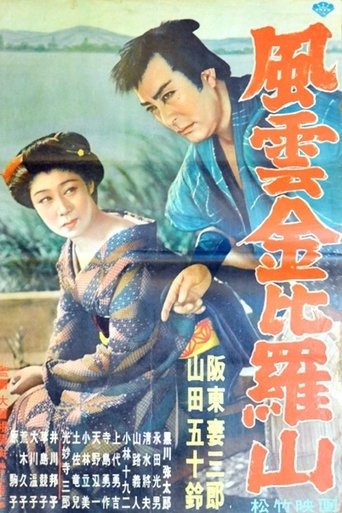
NRNo synopsis available yet.
風雲金毘羅山
1950
 NR
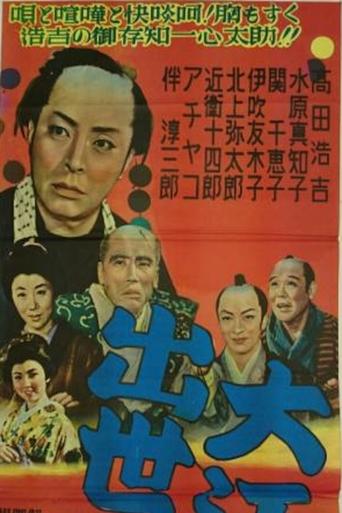
NRIsshin Tasuke, a friend of Ōkubo Hikozōemon, the esteemed public arbitrator of the realm, saved the maid Onatsu from punishment after she accidentally broke a plate gifted by Lord Ieyasu. Tired of the strict samurai service, Tasuke moved to the Genbei tenements and opened a fish shop. This tenement housed various characters, including the landlord's daughter Osen who had a crush on Tasuke, the midwife Okan, the blind masseur Oyone and her husband, the carpenter-loving couple Yoshigorō and Ohama, the rōnin Takeuchi Yogoemon, and the siblings Ochika and Shin'nosuke who cared for their sick mother.
大江戸出世双六
1955
 7.0
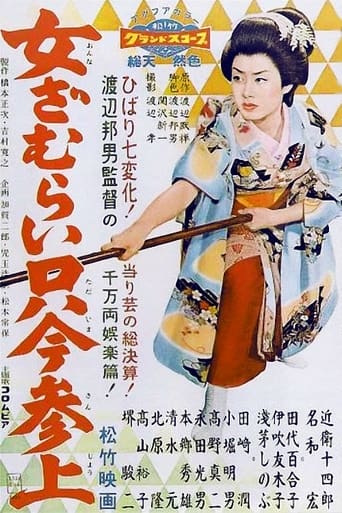
7.0The beautiful daughter of a merchant with a penchant for danger proves to be too much to handle for her worried father. Disguising herself as a man and changing her name, she heads for the capital...
Tomboy Samurai
1958
1940s · 5 titles
7.1In early post-war Osaka, three women—war widow Fusako, her Korean expat sister Natsuko, and Kumiko, Fusako's sister-in-law—descend into prostitution, all for their individual reasons.
Women of the Night
1948
 7.0
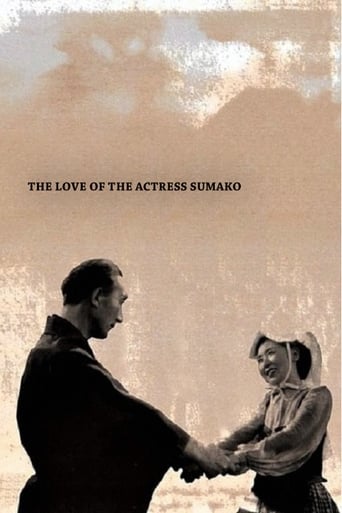
7.0Stage director Shimamura, who is bringing western theatre to Japan, falls in love with outspoken actress Sumako Matsui, and leaves his family to be with her, while trying to keep his Art Theatre solvent.
The Love of the Actress Sumako
1947
 6.7
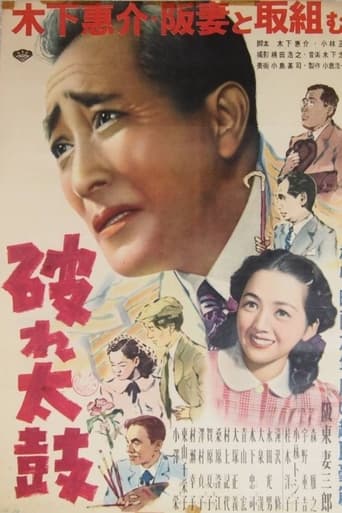
6.7When the future of his construction company falls into danger, a controlling father pushes his children into unsatisfying marriages and careers in order to regain financial stability.
Broken Drum
1949
 7.0
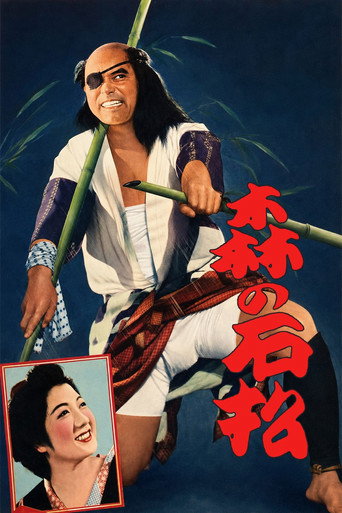
7.0The tale of a feudal swordsman who cynically takes no responsibility for anything, relegating it to others, and then taking the credit.
Ishimatsu of the Forest
1949
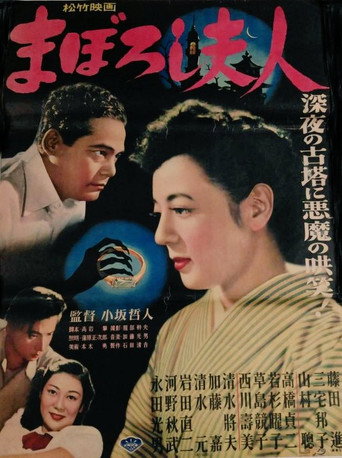 NR
NRNo synopsis available yet.
Maboroshi fujin
1949