
Directing
Jim Hubbard
Acting credits
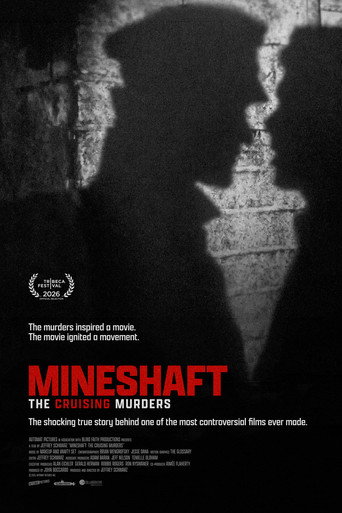 NR
NR“Mineshaft: The Cruising Murders" peels back the layers of controversy surrounding the making of the 1980 thriller, "Cruising." Directed by William Friedkin, the film triggered fierce protests from the LGBTQ+ community for its portrayal of a serial killer targeting gay men in New York's leather bars. Friedkin drew inspiration from the brutal murder of Variety reporter Addison Verrill, blurring the boundaries between cinematic fiction and real-life tragedy.
Mineshaft: The Cruising Murders
2026
Winner of the Best Short Film at the Hamburg Lesbian & Gay Film Festival in 1995, Hubbard’s highly personal experimental work, Memento Mori, is a moving, queer meditation that individualizes the immeasurable collective trauma left in the wake of the AIDS epidemic. Stylistically, Hubbard powerfully departs from the small film gauge formats that dominate his documentary work, instead utilizing widescreen Cinemascope that serves to illuminate the enormous scale of loss for each individual that has perished. Through the artful juxtaposition of universal imagery of death and ritual, deliberate close-ups of a human skull to the scattering of ashes, Hubbard’s dream-like elegy transports the viewer to a deep, universal state-of-consciousness that anyone that has lost a loved one will instantly recognize. The resulting depth of emotion and empathy serves as both a mournful prayer and an indelible filmic monument to the dead.
Memento Mori
1995
Behind the camera
 NR
NRA meditation on ambition and careerism utilizing altered footage from All About Eve, with a soupçon of reflection on the themes of memory, film within gay culture and video image processing.
Footsteps on the Ceiling
2013
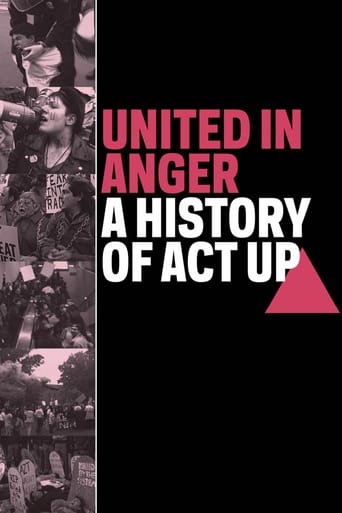 6.9
6.9United in Anger: A History of ACT UP is an inspiring documentary about the birth and life of the AIDS activist movement from the perspective of the people in the trenches fighting the epidemic. Utilizing oral histories of members of ACT UP, as well as rare archival footage, the film depicts the efforts of ACT UP as it battles corporate greed, social indifference, and government negligence.
United in Anger: A History of ACT UP
2012
6.9United in Anger: A History of ACT UP is an inspiring documentary about the birth and life of the AIDS activist movement from the perspective of the people in the trenches fighting the epidemic. Utilizing oral histories of members of ACT UP, as well as rare archival footage, the film depicts the efforts of ACT UP as it battles corporate greed, social indifference, and government negligence.
United in Anger: A History of ACT UP
2012
 NR
NRScenes shot at two national gay marches on Washington, DC are juxtaposed to reveal some of the devastating changes in the gay movement from 1979 to 1987, as hope is replaced by frustration and mourning. In Hubbard's roving footage we follow the shifts in spirit, age and racial composition of the demonstrators and witness the growing organization of the protest spectacle, as ragtag bunches of rebellious marchers give way to marching bands and the unfurling of the Names Project AIDS Quilt.
Two Marches
1991
Winner of the Best Short Film at the Hamburg Lesbian & Gay Film Festival in 1995, Hubbard’s highly personal experimental work, Memento Mori, is a moving, queer meditation that individualizes the immeasurable collective trauma left in the wake of the AIDS epidemic. Stylistically, Hubbard powerfully departs from the small film gauge formats that dominate his documentary work, instead utilizing widescreen Cinemascope that serves to illuminate the enormous scale of loss for each individual that has perished. Through the artful juxtaposition of universal imagery of death and ritual, deliberate close-ups of a human skull to the scattering of ashes, Hubbard’s dream-like elegy transports the viewer to a deep, universal state-of-consciousness that anyone that has lost a loved one will instantly recognize. The resulting depth of emotion and empathy serves as both a mournful prayer and an indelible filmic monument to the dead.
Memento Mori
1995
 NR
NRAn intimate portrait of songwriters, performance artists, and lovers Dan Martin and Michael Biello, “The Dance” explores the interconnectedness of their domestic life, artwork, and selfless devotion to a community of artists they have helped to create and support. The film uses hand-processed footage to convey the emotional intensity of their lives. The handmade quality of the film imparts a sense of poignancy and brotherly loving in the era of AIDS. Based on "The Dance," a song about living on in the face of loss, with music by Dan Martin and lyrics by Michael Biello.
The Dance
1992
Angry and beautiful gay demonstration in Times Square.
Blues
1982
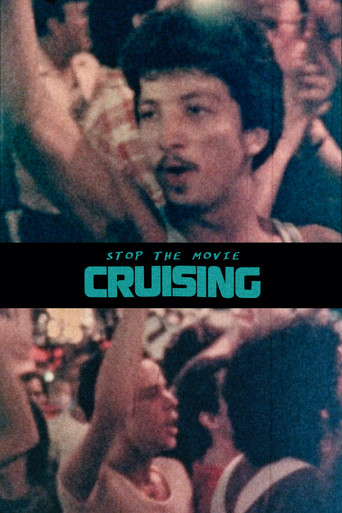 NR
NRA short film documenting street protests against the filming of William Friedkin's Cruising (1980)
Stop the Movie (Cruising)
1980
A feature-length Super-8 film documenting gay life in Minnesota from June 1980 – June 1981.
Homosexual Desire in Minnesota
—
A response to the clean-up of Times Square by the Giuliani administration. I love dirty bookstores and other furtive sex locations and I miss them terribly.
Don't Do It!
1999
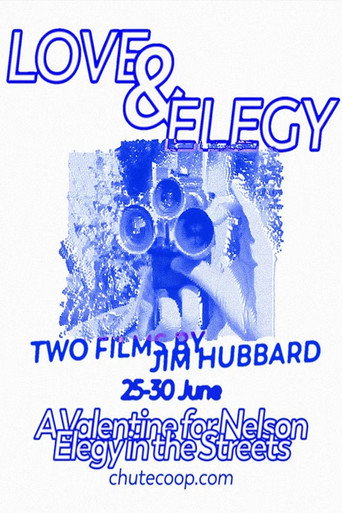 NR
NRHand-processed 16mm. Exploring the AIDS crisis from both a personal and a political perspective, the film intertwines two main motifs: memories of Roger Jacoby, a filmmaker who died of AIDS, and the development of a mass response to AIDS. The collective response begins with mourning at a candlelight vigil and the deep sadness of the AIDS Quilt and then progresses toward a much more determined reaction by ACT-UP: first, in the Gay Pride March in New York City, then in separate demonstrations that build in militancy -- with a corresponding increasingly heavy-handed response by the police -- culminating in a demonstration during a baseball game and the thumbs-up sign of a teenager sporting a Silence = Death button.
Elegy in the Streets
1989
 NR
NRThis Kiss-In took place the evening of April 29, 1988. It was cold and pouring rain, but the demonstrators soldiered on. The Kiss-In was a favorite tactic of ACT UP because it defied the homophobia of the larger society, demonstrated a lack of fear and stigma around AIDS and fostered camaraderie among the demonstrators and within the group as a whole. It was also a whole lot of fun, which is evident from the footage.
ACT UP Kiss-In (April 29, 1988)
1988
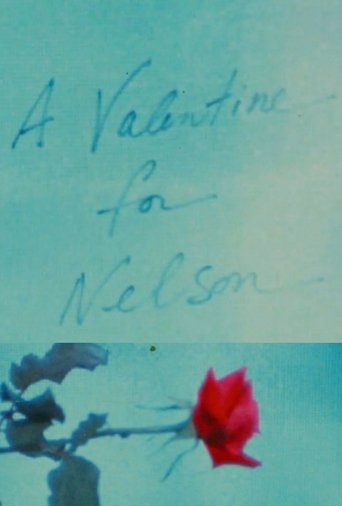 NR
NRA long overdue love letter. A relationship is as hard to build as a cathedral -- it takes more than one lifetime. A film in which virtually every shot is intended as a metaphor. Tender, loving and unsentimental.
A Valentine for Nelson
1990