
Directing
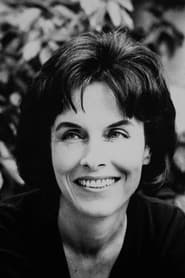
María Luisa Bemberg
Born — Died
1922-04-14 — 1995-05-07
Place of birth
Buenos Aires, Argentina
Known for
Directing
Credits
21 titles
María Luisa Bemberg (April 14, 1922 – May 7, 1995) was an Argentine film writer, director and actress. She was one of the first Argentine female directors with a powerful presence both in the filmmaking and the intellectual world of Latin America, particularly during her most active period, from 1970 to 1990. In her work, she specialized in portraying famous Argentinian women and exploring issues of class and gender. Bemberg rejected being labelled a feminist, stating it was a bourgeois ideology. Her vast legacy extends to the 21st Century, with Bemberg being hailed as arguably Argentina’s foremost female director.
Known for
 6.0
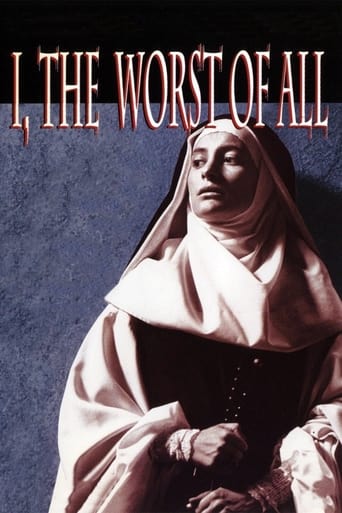
6.0A 17th-century Mexican nun defies expectations by becoming a renowned intellectual and writer during the Spanish Inquisition.
I, the Worst of All
1990
 7.2
7.2In 1847 Buenos Aires, a young noblewoman and a young Jesuit fall in love, much to the disapproval of her family and the Church.
Camila
1984
 7.0
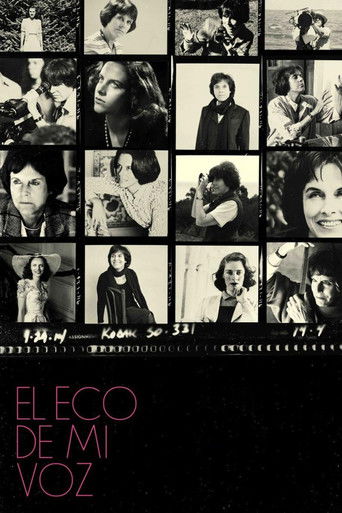
7.0María Luisa Bemberg was born into the highest echelons of Argentina’s society. Her family founded Quilmes, the nation’s biggest brewery, which expanded into a multinational. Bemberg, home-schooled by the best teachers and tutors, grew up in a social bubble. And she never made a secret of this, in as far as many of her films are set in the upper classes of different eras and narrate the politics of their respective periods through the prism of female opportunity, or the lack thereof – what could a woman do, behaviour in extramarital affairs included? Class, more often than not, was a trap, even if it might offer opportunities that many are denied. With María Luisa Bemberg: El eco de mi voz, Alejandro Maci paints a detailed and multifaceted picture of Argentina’s greatest female filmmaker, in which family and colleagues get their say as much as Bemberg herself, thanks to myriads of private and public recordings.
María Luisa Bemberg: The Echo of My Voice
2021
 6.5
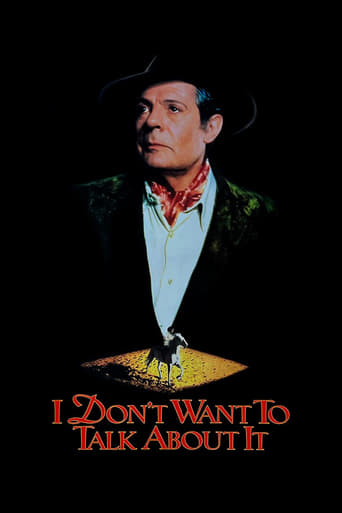
6.5In an Argentine village in the 1930s, the willful Leonor discovers that her beloved daughter, Charlotte, has dwarfism. Attempting to let her have as normal a childhood as possible, Leonor never discusses Charlotte's lack of stature, nor lets anyone else in the village ever mention it. As Charlotte grows up into a smart and self-possessed young woman, local eccentric Ludovico, who collects miniatures, becomes smitten with her.
I Don't Want to Talk About It
1993
 4.7
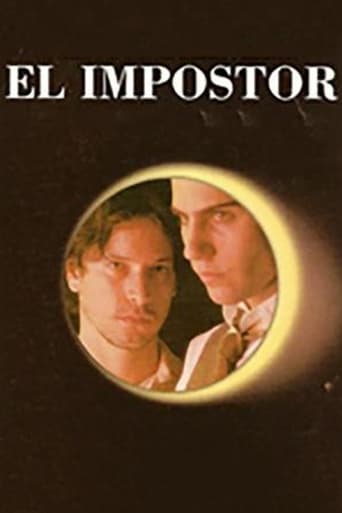
4.7This drama is based on a novel and incomplete screenplay by the late Maria Luis Bemberg. In 1930s Argentina, wealthy Sebastian (Antonio Birabent) leaves his Buenos Aires home for the family estate on the pampas. His family, concerned for his physical and mental health, arranges for Sebastian's childhood friend Juan (Walter Quiroz) to check on Sebastian's situation. Juan finds the highly erratic Sebastian caught in a doomed relationship with the Danish daughter of religious sect members. Unfortunately, Juan also becomes obsessed with the young woman, and Sebastian's suspicions increase.
The Impostor
1997
 5.9
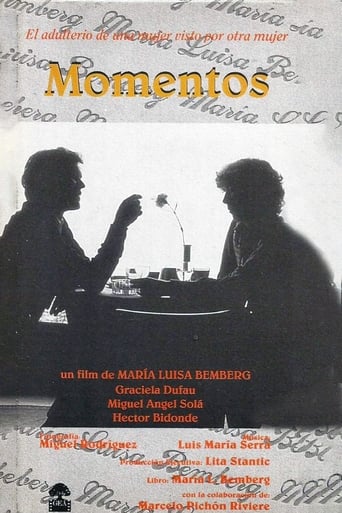
5.9A married woman with a traumatic past embarks on an affair with a younger married man.
Momentos
1981
Film credits
2020s · 2 titles
7.0María Luisa Bemberg was born into the highest echelons of Argentina’s society. Her family founded Quilmes, the nation’s biggest brewery, which expanded into a multinational. Bemberg, home-schooled by the best teachers and tutors, grew up in a social bubble. And she never made a secret of this, in as far as many of her films are set in the upper classes of different eras and narrate the politics of their respective periods through the prism of female opportunity, or the lack thereof – what could a woman do, behaviour in extramarital affairs included? Class, more often than not, was a trap, even if it might offer opportunities that many are denied. With María Luisa Bemberg: El eco de mi voz, Alejandro Maci paints a detailed and multifaceted picture of Argentina’s greatest female filmmaker, in which family and colleagues get their say as much as Bemberg herself, thanks to myriads of private and public recordings.
María Luisa Bemberg: The Echo of My Voice
2021
 6.5
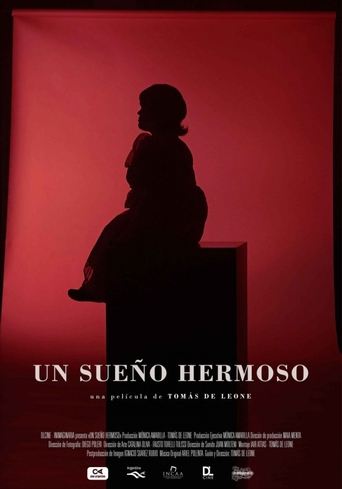
6.5"For her next movie, De eso no se habla, María Luisa Bemberg needs a dwarf". That was an ad on local media during the pre-production of the movie that would become the director's last. Among the people who responded to the ad was Alejandra Podestá, who ended up getting the leading role alongside Marcello Mastroianni. Through testimonies of various friends, members of the crew, and the words of Alejandra herself, who was brutally murdered in 2011, A Beautiful Dream tells us the story of the making of the film and the relationship between Bemberg and Podestá, which winds up being a tribute to both women.
A Beautiful Dream
2020
1990s · 1 titles
Behind the camera
6.0A 17th-century Mexican nun defies expectations by becoming a renowned intellectual and writer during the Spanish Inquisition.
I, the Worst of All
1990
6.0A 17th-century Mexican nun defies expectations by becoming a renowned intellectual and writer during the Spanish Inquisition.
I, the Worst of All
1990
7.2In 1847 Buenos Aires, a young noblewoman and a young Jesuit fall in love, much to the disapproval of her family and the Church.
Camila
1984
7.2In 1847 Buenos Aires, a young noblewoman and a young Jesuit fall in love, much to the disapproval of her family and the Church.
Camila
1984
6.5In an Argentine village in the 1930s, the willful Leonor discovers that her beloved daughter, Charlotte, has dwarfism. Attempting to let her have as normal a childhood as possible, Leonor never discusses Charlotte's lack of stature, nor lets anyone else in the village ever mention it. As Charlotte grows up into a smart and self-possessed young woman, local eccentric Ludovico, who collects miniatures, becomes smitten with her.
I Don't Want to Talk About It
1993
6.5In an Argentine village in the 1930s, the willful Leonor discovers that her beloved daughter, Charlotte, has dwarfism. Attempting to let her have as normal a childhood as possible, Leonor never discusses Charlotte's lack of stature, nor lets anyone else in the village ever mention it. As Charlotte grows up into a smart and self-possessed young woman, local eccentric Ludovico, who collects miniatures, becomes smitten with her.
I Don't Want to Talk About It
1993
4.7This drama is based on a novel and incomplete screenplay by the late Maria Luis Bemberg. In 1930s Argentina, wealthy Sebastian (Antonio Birabent) leaves his Buenos Aires home for the family estate on the pampas. His family, concerned for his physical and mental health, arranges for Sebastian's childhood friend Juan (Walter Quiroz) to check on Sebastian's situation. Juan finds the highly erratic Sebastian caught in a doomed relationship with the Danish daughter of religious sect members. Unfortunately, Juan also becomes obsessed with the young woman, and Sebastian's suspicions increase.
The Impostor
1997
5.9A married woman with a traumatic past embarks on an affair with a younger married man.
Momentos
1981
5.9A married woman with a traumatic past embarks on an affair with a younger married man.
Momentos
1981
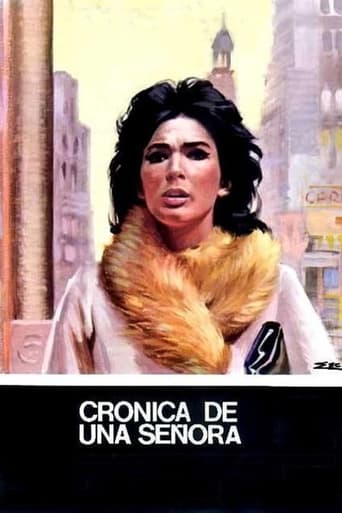 6.0
6.0Following the death of a close friend, a woman caught in an unhappy marriage looks for ways to improve her life.
Crónica de una señora
1971
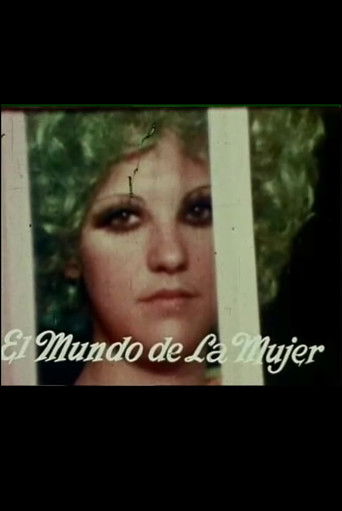 8.0
8.0Centered on a trade fair of products for women, the work's sarcastic and biting perspective falls on both the men who build that "world" (workers and businessmen) and the women who support them. Through techniques of distancing, mostly of image from sound, the artist developed a poignant reflection on the social debasement of and discrimination against women carried out by products that supposedly exalt and distinguish them.
Woman's World
1972
 8.0
8.0This short film, filmed at the Rural Exhibition, is a testimony that, based on 70 interviews with girls and boys of 9 and 10 years old, investigates the behavior guidelines imposed by conventional education and the results obtained. Boys are educated in a specific way, with very different life goals, and toys reflect this discrimination: kitchens, dolls, hairdryers, cosmetic equipment, the whole domestic world for girls. Creative games, those that awaken the imagination (trains, cars, building games, men in space), are intended for boys.
Toys
1978
8.0This short film, filmed at the Rural Exhibition, is a testimony that, based on 70 interviews with girls and boys of 9 and 10 years old, investigates the behavior guidelines imposed by conventional education and the results obtained. Boys are educated in a specific way, with very different life goals, and toys reflect this discrimination: kitchens, dolls, hairdryers, cosmetic equipment, the whole domestic world for girls. Creative games, those that awaken the imagination (trains, cars, building games, men in space), are intended for boys.
Toys
1978
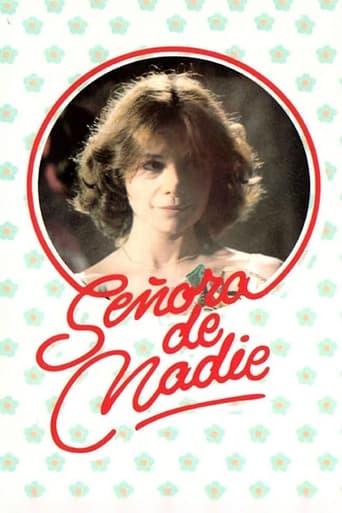 7.0
7.0It is the story of Eleanor, a good housewife who lives with her husband, Fernando, and their two children. Deeply loves her husband and does not question the reciprocity of love and fidelity. One day, circumstantially, discovers her husband is cheating. Leonor emotionally feels betrayed and realizes that his world, based on a lie, has collapsed like a house of cards. With more fear than conviction, leaving the house, leaving little signs with instructions for their march and trust their children to the care of her husband.
Nobody's Wife
1982
7.0It is the story of Eleanor, a good housewife who lives with her husband, Fernando, and their two children. Deeply loves her husband and does not question the reciprocity of love and fidelity. One day, circumstantially, discovers her husband is cheating. Leonor emotionally feels betrayed and realizes that his world, based on a lie, has collapsed like a house of cards. With more fear than conviction, leaving the house, leaving little signs with instructions for their march and trust their children to the care of her husband.
Nobody's Wife
1982
 6.7
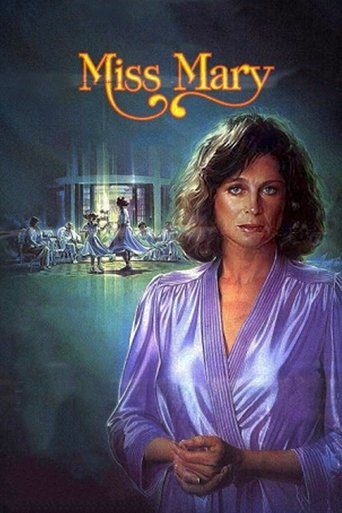
6.7A young British woman is hired as a governess by a wealthy Argentine family. Through her position, she slowly sees how the upper class of society is slowly crumbling, and how a fascist movement is preparing to install itself in power.
Miss Mary
1986
6.7A young British woman is hired as a governess by a wealthy Argentine family. Through her position, she slowly sees how the upper class of society is slowly crumbling, and how a fascist movement is preparing to install itself in power.
Miss Mary
1986
 8.0
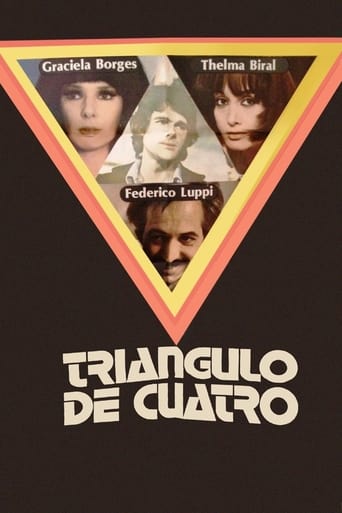
8.0In a boring marriage a model-photographer attracts the husband and a young man to the woman.
Triangle of Four
1975