
Directing
Norman McLaren
Born — Died
1914-04-11 — 1987-02-27
Place of birth
Stirling, Stirlingshire, Scotland
Known for
Directing
Credits
64 titles
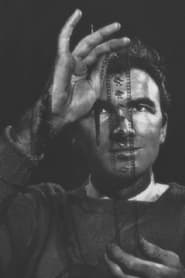
Norman McLaren, CC, CQ (11 April 1914 – 27 January 1987) was a Scottish-born Canadian animator and film director known for his work for the National Film Board of Canada (NFB). He was a pioneer in a number of areas of animation and filmmaking, including drawn-on-film animation, visual music, abstract film, pixilation and graphical sound. His awards included an Oscar for the Best Documentary in 1952 for Neighbours, a Silver Bear for best short documentary at the 1956 Berlin International Film Festival Rythmetic and a 1969 BAFTA Award for Best Animated Film for Pas de deux.
Known for
 7.1
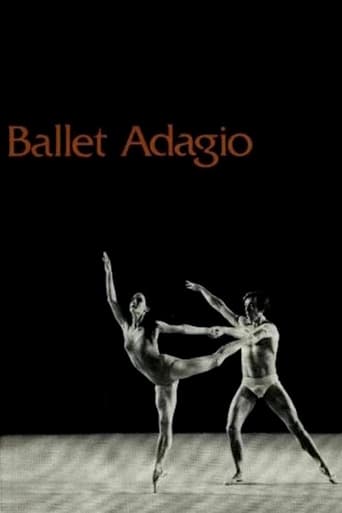
7.1A slow-motion study by Norman McLaren of the pas-de-deux adagio, one of the most exacting and difficult dances of classical ballet. A ballet originally choreographed by the Russian ballet master Asaf Messerer is performed for this film by the internationally known Canadian pair, David and Anna Marie Holmes, to the music of Albinoni’s Adagio. A film to heighten the aesthetic appreciation of classical ballet and to afford observation of the technique and mechanics of the adagio movements.
Ballet Adagio
1972
 5.8
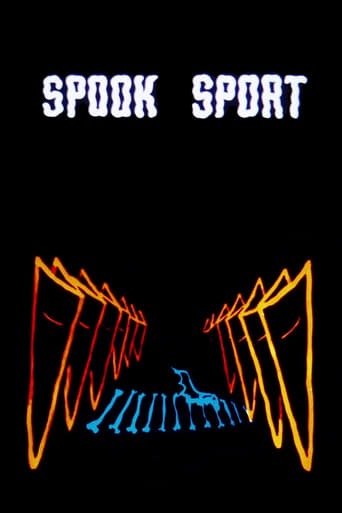
5.8It's midnight in a graveyard. The principal characters are spooks, ghosts, bats, bells, and, at the end, the sun. As midnight strikes, 12 spooks appear, then two ghosts. They move to the music's rhythm. Against the black night, they are blue and yellow. Bats appear as does a xylophone of bones. Mist rises, spooks swirl. A bell tolls. The sky turns light blue, the ghosts' dance slows. Then black night returns bringing intimations of frenzy. Bones play snare drums; spooks peek out of square graves. Scary faces appear. Frenetic movement takes over. A rooster crows and all return to earth as the sun's light appears.
Spook Sport
1940
 7.0
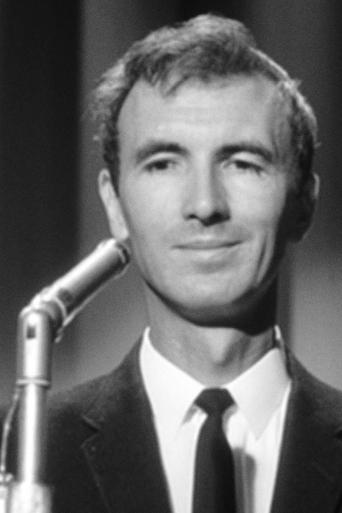
7.0Norman McLaren attempts to give the opening speech for the first Montreal International Film Festival, but his microphone won't cooperate.
Opening Speech
1969
 7.5
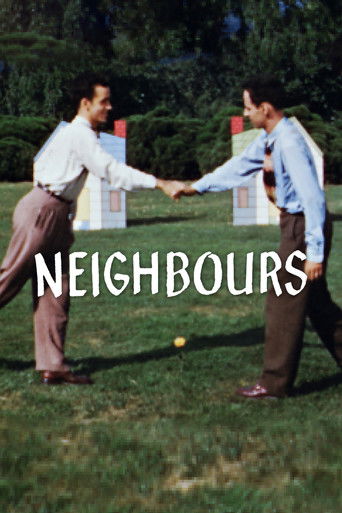
7.5In this Oscar-winning short film, Norman McLaren employs the principles normally used to put drawings or puppets into motion to animate live actors. The story is a parable about two people who come to blows over the possession of a flower.
Neighbours
1952
 7.3
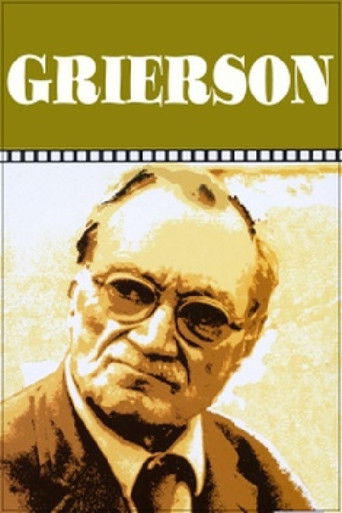
7.3A portrait of John Grierson, the first Canadian Government Film Commissioner and founder of the National Film Board in 1939. Interweaving archival footage, interviews with people who knew him and footage of Grierson himself, this film is a sensitive and informative portrait of a dynamic man of vision. Grierson believed that the filmmaker had a social responsibility, and that film could help a society realize democratic ideals. His absolute faith in the value of capturing the drama of everyday life was to influence generations of filmmakers all over the world. In fact, he coined the term 'documentary film'.
Grierson
1973
 NR
NRThis documentary is a portrait of the animator of Le Paysagiste, from his childhood in Eastern Quebec to his career at the NFB. Trained at the École des beaux-arts de Montréal and the University of California at Los Angeles (UCLA), Drouin became in some ways the heir to Alexandre Alexeïeff when he began working with the Alexeïeff-Parker pinhole screen in 1974. Recounting his relationship with the filmmaker and inventor, coming back with lucidity and precision on the whole of his own filmography, Jacques Drouin delivers here a precious testimony on creation. Enriched with numerous excerpts and unpublished images from the filmmaker's personal archives, Jacques Drouin en relief is both the adventure of a lifetime and a valuable lesson in cinema.
Jacques Drouin: In Relief
2009
Film credits
2000s · 11 titles
NRThis documentary is a portrait of the animator of Le Paysagiste, from his childhood in Eastern Quebec to his career at the NFB. Trained at the École des beaux-arts de Montréal and the University of California at Los Angeles (UCLA), Drouin became in some ways the heir to Alexandre Alexeïeff when he began working with the Alexeïeff-Parker pinhole screen in 1974. Recounting his relationship with the filmmaker and inventor, coming back with lucidity and precision on the whole of his own filmography, Jacques Drouin delivers here a precious testimony on creation. Enriched with numerous excerpts and unpublished images from the filmmaker's personal archives, Jacques Drouin en relief is both the adventure of a lifetime and a valuable lesson in cinema.
Jacques Drouin: In Relief
2009
The fifth thematic mini documentary about revolutionary filmmaker Norman McLaren; this time with a focus on his collaborator Evelyn Lambart.
Evelyn Lambart
2006
Compilation of McLaren's Blurr technique.
Blurr Test
2006
 NR
NRThis documentary short illustrates the thematic role of war in the works of filmmaker Norman McLaren, from his traumatic experiences in the Spanish Civil War to the Korean conflict, which inspired him to make Neighbours.
War and Peace
2005
The first thematic mini documentary about revolutionary filmmaker Norman McLaren.
Beginnings
2006
This 1967 footage shows McLaren at a computer with Evelyn Lambart, Rene Pardo and two other technicians, followed by the animation test some call Birdlings. McLaren found computers still too primitive for his needs and continued to explored the optical printer in Pas De Deux, Synchromy and Narcissus. Silent film.
Birdlings
2006
Featuring a voiceover. 1944 test inspired by surrealist painter Yves Tanguy, an improvised moving growing landscape in a surrealistic manner.
Tanguy Landscape Test
2006
The fourth thematic mini documentary about revolutionary filmmaker Norman McLaren.
The Art of Motion
2006
The second thematic mini documentary about revolutionary filmmaker Norman McLaren.
McLaren and Space
2006
The third thematic mini documentary about revolutionary filmmaker Norman McLaren.
Painting with Light
2006
Stop-motion, pixillation and other trick photography methods are used to depict situations on a farm.
On the Farm
2003
1980s · 2 titles
So is this what the kids of today are into? Well, as long as it’s safe.
Norman McLaren and Claude Jutra Safer Sex Short
1985
 6.5
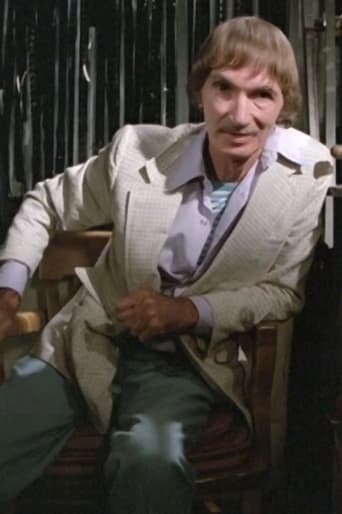
6.5An opening address, a tribute and highlights of a long and productive career--McLaren on McLaren is Norman McLaren on camera. The occasion is the opening of a prestigious festival in Arnhem, the Netherlands, in November, 1983, marking the tenth anniversary of Holland Animation. The renowned animator pays homage to those who merged their arts with his, and to the National Film Board, which gave him forty-two years of artistic freedom.
McLaren on McLaren
1983
1970s · 5 titles
7.3A portrait of John Grierson, the first Canadian Government Film Commissioner and founder of the National Film Board in 1939. Interweaving archival footage, interviews with people who knew him and footage of Grierson himself, this film is a sensitive and informative portrait of a dynamic man of vision. Grierson believed that the filmmaker had a social responsibility, and that film could help a society realize democratic ideals. His absolute faith in the value of capturing the drama of everyday life was to influence generations of filmmakers all over the world. In fact, he coined the term 'documentary film'.
Grierson
1973
 6.2
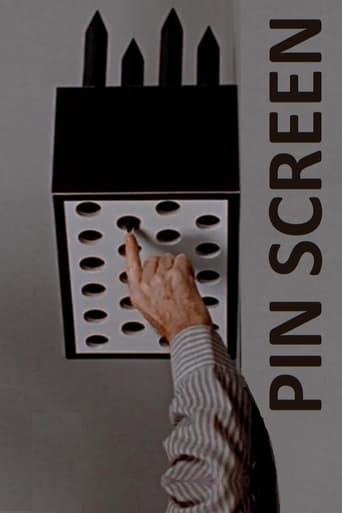
6.2Pinscreen animation makes use of a screen filled with movable pins, which can be moved in or out by pressing an object onto the screen. The screen is lit from the side so that the pins cast shadows.
Pinscreen
1973
For all who enjoy ballet, this English-language film presents an insight into the dance that only dancers ordinarily see. It is an engaging film portrait of the famous Canadian husband-and-wife team, Anna Marie and David Holmes. We see their busy lives as international dance stars, their private interests and, above all, their dedication to the absolute refinement of ballet movement.
Tour en l'air
1973
 8.0
8.0The Eye Hears, the Ear Sees is a 1970 documentary exploring the career of Norman McLaren, a Scots-Canadian animator known for his pioneering work in experimental animation, using innovative techniques to blend visual art with sound design.
The Eye Hears, the Ear Sees
1970
 6.0
6.0No synopsis available yet.
Cinéastes de notre temps : Norman McLaren
1972
1960s · 3 titles
7.0Norman McLaren attempts to give the opening speech for the first Montreal International Film Festival, but his microphone won't cooperate.
Opening Speech
1969
 5.5
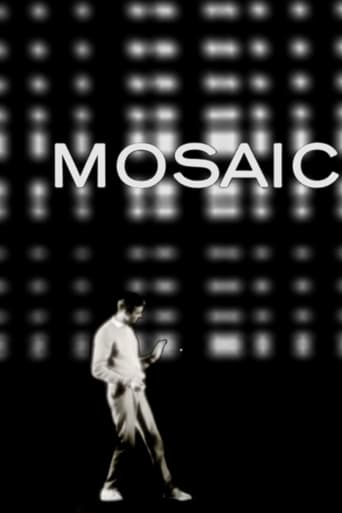
5.5A man sets a ping-pong ball into motion and it becomes fruitful and multiplies.
Mosaic
1965
New Yorkers watch as Norman McLaren's animated promotional film for Canadian tourism plays on the giant pixelboard overlooking Times Square. The caption below the board reads: "Canada... Wonderful World At Your Doorstep". McLaren himself is a member of the crowd.
New York Lightboard Record
1961

Behind the camera
7.1A slow-motion study by Norman McLaren of the pas-de-deux adagio, one of the most exacting and difficult dances of classical ballet. A ballet originally choreographed by the Russian ballet master Asaf Messerer is performed for this film by the internationally known Canadian pair, David and Anna Marie Holmes, to the music of Albinoni’s Adagio. A film to heighten the aesthetic appreciation of classical ballet and to afford observation of the technique and mechanics of the adagio movements.
Ballet Adagio
1972
7.1A slow-motion study by Norman McLaren of the pas-de-deux adagio, one of the most exacting and difficult dances of classical ballet. A ballet originally choreographed by the Russian ballet master Asaf Messerer is performed for this film by the internationally known Canadian pair, David and Anna Marie Holmes, to the music of Albinoni’s Adagio. A film to heighten the aesthetic appreciation of classical ballet and to afford observation of the technique and mechanics of the adagio movements.
Ballet Adagio
1972
5.8It's midnight in a graveyard. The principal characters are spooks, ghosts, bats, bells, and, at the end, the sun. As midnight strikes, 12 spooks appear, then two ghosts. They move to the music's rhythm. Against the black night, they are blue and yellow. Bats appear as does a xylophone of bones. Mist rises, spooks swirl. A bell tolls. The sky turns light blue, the ghosts' dance slows. Then black night returns bringing intimations of frenzy. Bones play snare drums; spooks peek out of square graves. Scary faces appear. Frenetic movement takes over. A rooster crows and all return to earth as the sun's light appears.
Spook Sport
1940
5.8It's midnight in a graveyard. The principal characters are spooks, ghosts, bats, bells, and, at the end, the sun. As midnight strikes, 12 spooks appear, then two ghosts. They move to the music's rhythm. Against the black night, they are blue and yellow. Bats appear as does a xylophone of bones. Mist rises, spooks swirl. A bell tolls. The sky turns light blue, the ghosts' dance slows. Then black night returns bringing intimations of frenzy. Bones play snare drums; spooks peek out of square graves. Scary faces appear. Frenetic movement takes over. A rooster crows and all return to earth as the sun's light appears.
Spook Sport
1940
7.0Norman McLaren attempts to give the opening speech for the first Montreal International Film Festival, but his microphone won't cooperate.
Opening Speech
1969
7.0Norman McLaren attempts to give the opening speech for the first Montreal International Film Festival, but his microphone won't cooperate.
Opening Speech
1969
7.5In this Oscar-winning short film, Norman McLaren employs the principles normally used to put drawings or puppets into motion to animate live actors. The story is a parable about two people who come to blows over the possession of a flower.
Neighbours
1952
7.5In this Oscar-winning short film, Norman McLaren employs the principles normally used to put drawings or puppets into motion to animate live actors. The story is a parable about two people who come to blows over the possession of a flower.
Neighbours
1952
7.5In this Oscar-winning short film, Norman McLaren employs the principles normally used to put drawings or puppets into motion to animate live actors. The story is a parable about two people who come to blows over the possession of a flower.
Neighbours
1952
6.2Pinscreen animation makes use of a screen filled with movable pins, which can be moved in or out by pressing an object onto the screen. The screen is lit from the side so that the pins cast shadows.
Pinscreen
1973
 6.8
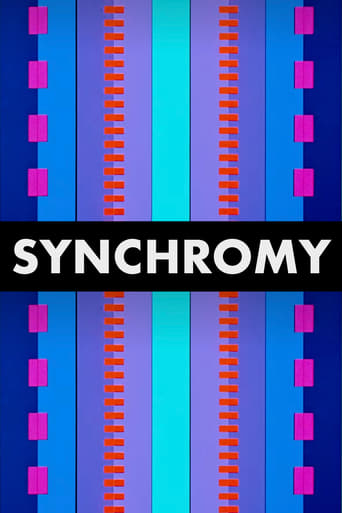
6.8The film's soundtrack is an original musical composition produced with synthetic sound - through photographing unusual geometric shapes and running them through an optical sound head. The images are an artistic rendering of this soundtrack.
Synchromy
1971
 6.7
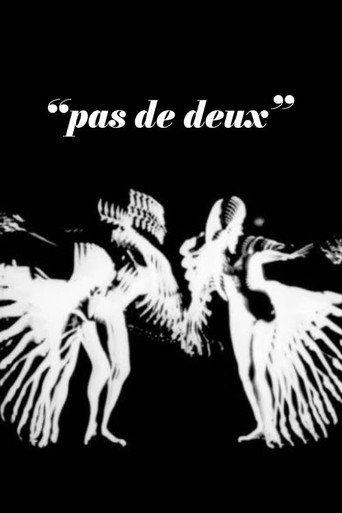
6.7Two ballet dancers perform a dance enhanced with surreal after-image visuals.
Pas de Deux
1968
5.5A man sets a ping-pong ball into motion and it becomes fruitful and multiplies.
Mosaic
1965
5.5A man sets a ping-pong ball into motion and it becomes fruitful and multiplies.
Mosaic
1965
Compilation of McLaren's Blurr technique.
Blurr Test
2006
 5.3
5.3A brisk GPO Film Unit promo for the Post Office Savings Bank: pub talk and daydream vignettes tout penny-by-penny thrift, peaking in a playful Norman McLaren passage where household furniture springs to life—selling the idea that “many a little makes a lot.”
Mony a Pickle
1938
 4.2
4.2In this pre-Christmas reminder to mail early, filmmaker Norman McLaren used an electric vibra-drill to engrave the images on black film, and included the occasional "subliminal" burst of lettering, which he hand-scratched on a few frames.
Mail Early for Christmas
1959
4.2In this pre-Christmas reminder to mail early, filmmaker Norman McLaren used an electric vibra-drill to engrave the images on black film, and included the occasional "subliminal" burst of lettering, which he hand-scratched on a few frames.
Mail Early for Christmas
1959
 6.4
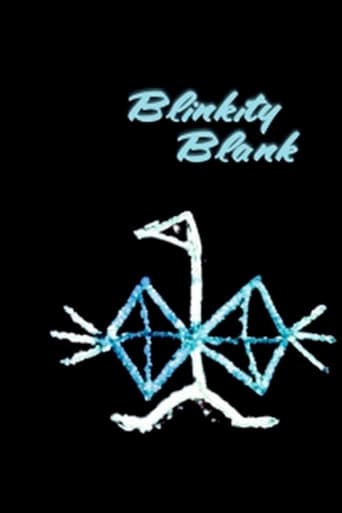
6.4A playful exercise in intermittent animation and spasmodic imagery. Playing with the laws relating to persistence of vision and after-image on the retina of the eye, McLaren engraves pictures on blank film creating vivid, percussive effects.
Blinkity Blank
1955
6.4A playful exercise in intermittent animation and spasmodic imagery. Playing with the laws relating to persistence of vision and after-image on the retina of the eye, McLaren engraves pictures on blank film creating vivid, percussive effects.
Blinkity Blank
1955
6.4A playful exercise in intermittent animation and spasmodic imagery. Playing with the laws relating to persistence of vision and after-image on the retina of the eye, McLaren engraves pictures on blank film creating vivid, percussive effects.
Blinkity Blank
1955
This publicity clip for Canada Post is Norman McLaren's first film for the NFB. For this animated short, McLaren drew symbols by pen onto clear 35 mm stock, which was then superimposed on a photographed painted background. Benny Goodman's rendition of Jingle Bells provides the accompaniment. (NFB)
Mail Early
1941
This publicity clip for Canada Post is Norman McLaren's first film for the NFB. For this animated short, McLaren drew symbols by pen onto clear 35 mm stock, which was then superimposed on a photographed painted background. Benny Goodman's rendition of Jingle Bells provides the accompaniment. (NFB)
Mail Early
1941
Norman McLaren instructs Grant Munro on the movements he is to make. The film technique for Two Bagatelles is pixillation, where the actor is animated frame by frame, as in the film Neighbours/Voisins.
Two Bagatelles
1953
 5.2
5.2This wartime publicity trailer by Norman McLaren focuses on wartime inflation and the role of price control. Single-frame animation is used with pen drawings made directly on 35mm film stock. Music is by Louis Applebaum, a leading composer and advocate for the arts in Canada.
Dollar Dance
1943
This uncompleted film uses a technique invented by McLaren in the 1930s; the travelling zoom. McLaren's intention was to make the corridor gradually disappear so that the viewer's initial imprisonment would give way to the freedom of infinite space.
The Corridor
1950
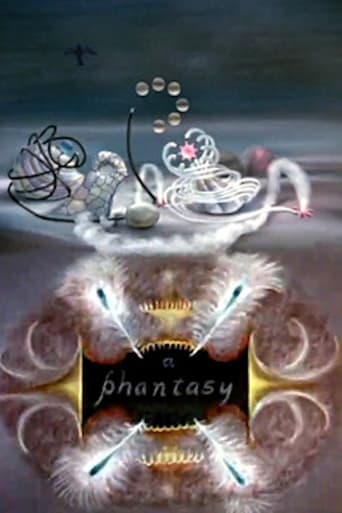 6.2
6.2An animated film drawn entirely in pastels. Various fantastical plant-like things "grow" from the ground, eventually launching five spheres. The spheres drift in space while changing shapes and come back down to another setting, which eventually becomes more fantastical and symbolic than the opening one. The soundtrack has a jazz slant, with an ensemble of four saxophones and synthetic sound (i.e. sound created by drawing directly on the soundtrack).
A Phantasy
1952
6.2An animated film drawn entirely in pastels. Various fantastical plant-like things "grow" from the ground, eventually launching five spheres. The spheres drift in space while changing shapes and come back down to another setting, which eventually becomes more fantastical and symbolic than the opening one. The soundtrack has a jazz slant, with an ensemble of four saxophones and synthetic sound (i.e. sound created by drawing directly on the soundtrack).
A Phantasy
1952
Shows the production of the London telephone directory.
Book Bargain
1937
In 1966, McLaren began a metamorphic film in which he explored the light and colour of Canada in this unfinished film.
The Seasons
2006
 NR
NRAn hand drawn animation of Frogs.
Leapfrog
1949
 7.0
7.0Alexandre Alexeïeff illustrated the song "Et moi je m'enfouiyais" (En passant) using the pinscreen technique. Norman McLaren illustrated "C'est l'aviron" using drawings on a fixed background, with the characters pasted in as they were drawn.
Chants populaires nº 5
1943
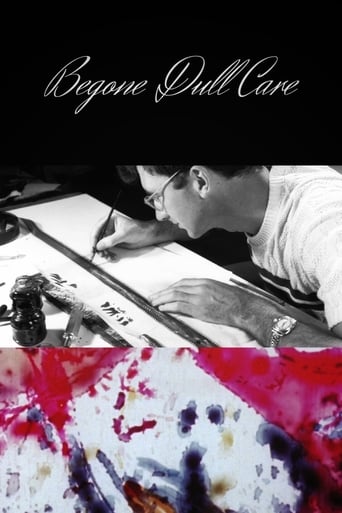 7.0
7.0In this extraordinary short animation, Evelyn Lambart and Norman McLaren painted colours, shapes, and transformations directly onto their filmstrip. The result is a vivid interpretation, in fluid lines and colour, of jazz music played by the Oscar Peterson Trio.
Begone Dull Care
1949
Norman McLaren's first film with a drawn soundtrack.
Allegro
1939
 NR
NRImages supered on a revolving barrel.
Barrel Zoom
1943
 NR
NRAmateur footage, probably filmed by Norman McLaren, of a group of his friends on a visit to his parents' home in Stirling.
McLaren Homemovie
1936
In this fourth film, Norman McLaren explains and illustrates composite motion, where two of the categories of motion occur simultaneously in one action, such as the motions of jointed or pivoted parts (as occur in animal and human movements). Also shown is a human gesture with increasing amounts of emotion; and finally, the phenomenon of 'strobing' in animation is examined.
Animated Motion: Part 4
1977
In this fifth part, Norman McLaren deals not with motion (if motion is defined as a change of location in two- or three-dimensional space) but with change--change in the amount and color of light within an otherwise static screen. Normally, the animator combines such change with motion, but here it is studied in isolation.
Animated Motion: Part 5
1978
 6.3
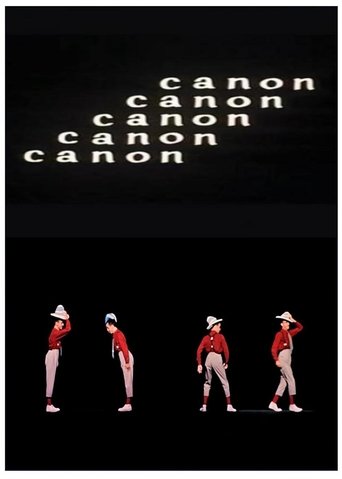
6.3Perhaps the only film whose content is totally based on the musical form known as canon. The first sequence is a simple demonstration of the canon "Frere Jacques" where four cubes dance and combine with one another on a checkerboard. The second sequence show four little human-like figures dancing in space. The third and most elaborate sequence shows a human going through several strange gesticulations. Through multiple printing we realize that the man, as in the previous sequences, is part of a visual canon and is making the gestures to himself. As we hear variations on the canonic theme so too do we witness visual variations: a woman and cat enters the canon. To show the musical technique of inversion, the image of the man is printed upside down.
Canon
1964
 NR
NRAn animated short film about The Four Seasons by Norman McLaren.
The Seasons
1950