
Directing
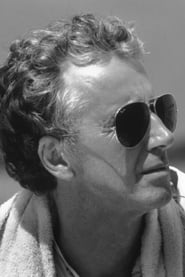
Michael Grigsby
Known for
Directing
Credits
21 titles
Michael Kenneth Christian Grigsby (7 June 1936 – 12 March 2013) was an English documentary filmmaker. With a filmography spanning six decades and nearly 30 films, Grigsby occupies a unique position in British documentary filmmaking, having witnessed and commented on many of the dramatic changes in British society (and beyond) from the late 1950s into the next century. As a critic noted, "from Michael Grigsby back to John Grierson runs an unbroken tradition in British documentary-making: a passionate commitment to the poetry of everyday life."
Known for
 7.0
7.0State of the Nation documentary concerning 1980s Britain.
Living on the Edge
1987
 NR
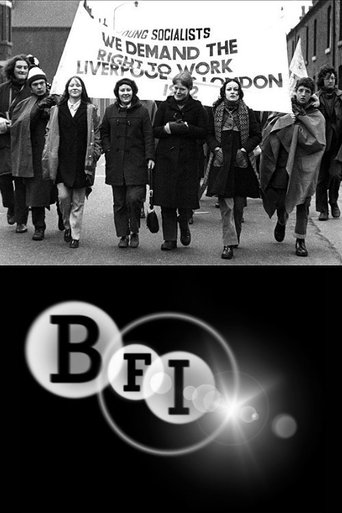
NRThey're young, unemployed and on the march - from Glasgow, Liverpool and Swansea to London.
Right to Work March
1972
 NR
NRWhen teacher Tony Scannell decides he wants to be ordained as a Catholic Priest his decision has wide ranging effects on his family and loved ones.
Bag of Yeast
1976
 NR
NRNo synopsis available yet.
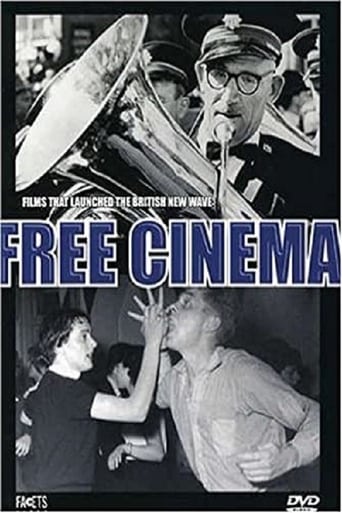
Small Is Beautiful: The Story of the Free Cinema Films Told by Their Makers
2006
A young boy's first trip to sea on a Grimsby deep-sea trawler.
Deckie Learner
1965
For the Eskimos of Pond Inlet - a new village in North Baffin Island in which they have been settled by the Canadian Government – the life of the semi-nomadic hunter has given way to that of wage-labourer, in what appears as a pre-fabricated 'township'. Although hunting provides an important supplement to the Eskimos' income, it is now a part-time activity, and since 1975 (ten years after the start of the government's housing programme) nobody has lived all year round in hunting camps. For the older inhabitants of Pond Inlet, the old way of life is still vivid (in 1935 only 37 Eskimos lived in the village) and their reminiscences and recollections form part of a powerful statement about the present situation. These statements take the form of monologues, or comments addressed to friends and family about the effects of fifty years of contact with whites.
The People’s Land, Eskimos of Pond Inlet
1976
Film credits
Behind the camera
7.0State of the Nation documentary concerning 1980s Britain.
Living on the Edge
1987
NRWhen teacher Tony Scannell decides he wants to be ordained as a Catholic Priest his decision has wide ranging effects on his family and loved ones.
Bag of Yeast
1976
A young boy's first trip to sea on a Grimsby deep-sea trawler.
Deckie Learner
1965
For the Eskimos of Pond Inlet - a new village in North Baffin Island in which they have been settled by the Canadian Government – the life of the semi-nomadic hunter has given way to that of wage-labourer, in what appears as a pre-fabricated 'township'. Although hunting provides an important supplement to the Eskimos' income, it is now a part-time activity, and since 1975 (ten years after the start of the government's housing programme) nobody has lived all year round in hunting camps. For the older inhabitants of Pond Inlet, the old way of life is still vivid (in 1935 only 37 Eskimos lived in the village) and their reminiscences and recollections form part of a powerful statement about the present situation. These statements take the form of monologues, or comments addressed to friends and family about the effects of fifty years of contact with whites.
The People’s Land, Eskimos of Pond Inlet
1976
 6.5
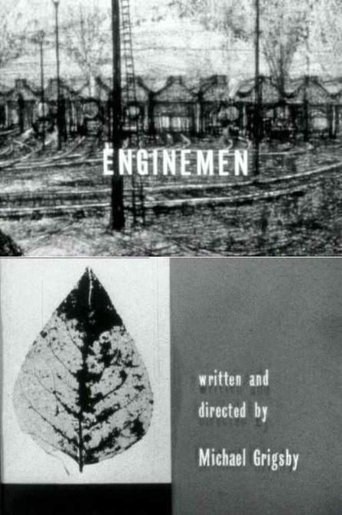
6.5The working day of enginemen at Newton Heath locomotive sheds, Manchester. They discuss the impact of dieselisation on their jobs.
Enginemen
1959
6.5The working day of enginemen at Newton Heath locomotive sheds, Manchester. They discuss the impact of dieselisation on their jobs.
Enginemen
1959
 10.0
10.0Docmentary about deep sea fishing community in North West England. This place was run very much as if it was in Victorian England. It was a one company town – all fishing – and if anybody stepped out of line they were chopped, they were sacked. As a result the working conditions, the money etc. were appalling and nobody dare say anything because if they spoke out: no job; and they weren’t given any explanation.
A Life Apart: Anxieties in a Trawling Community
1973
10.0Docmentary about deep sea fishing community in North West England. This place was run very much as if it was in Victorian England. It was a one company town – all fishing – and if anybody stepped out of line they were chopped, they were sacked. As a result the working conditions, the money etc. were appalling and nobody dare say anything because if they spoke out: no job; and they weren’t given any explanation.
A Life Apart: Anxieties in a Trawling Community
1973
Director Michael Grigsby's portrait of a Britain largely forgotten in the 1990s - the entertainers in social clubs, and the people they entertain.
Hidden Voices
1995
No synopsis available yet.
Dear Mr Gorbachev
1990
This day in the life of a 1950s Abingdon School in Oxfordshire.
Ut Proficias
1953
 7.0
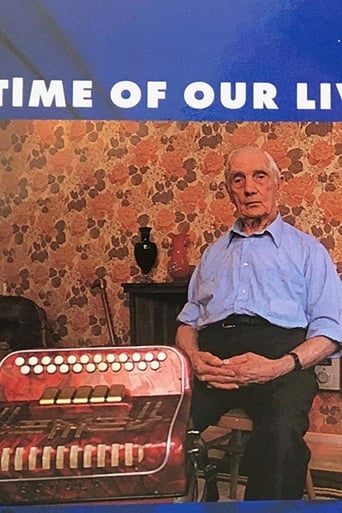
7.0A large family in London's East End is celebrating a birthday party. Children and grandchildren from this extensive family have come to the party from all over England. At the party the family members talk about hope and dreams for their children. The past and present lives of various relatives are compared with each other, while fragments from radio-programmes from the fourties and the fifties draw an emotional and historical line. Set against this archive material are fierce images of modern day family life in urban England in the year 1993. This makes the film a collage of dreams, memories and images of present-day life.
The Time of Our Lives
1994
In 1970, British director Michael Grigsby made one of the first films about soldiers returning home from the battlefields of Vietnam. Over forty years later Grigsby returns to Texas with fellow filmmaker Rebekah Tolley, to the stories of veterans David, Dennis & Lamar
We Went to War
2013
Documentary on the village of Witton Park in Durham that has been under the threat of extinction for 27 years but which the villagers are determined to rebuild.
The Village That Would Not Die
1978
This film portrait of Abingdon School in Oxfordshire is doubly fascinating: a glimpse into 1950s public school life and the juvenilia of a great filmmaker. Pupil Michael Grigsby (1936-2013) headed the school photographic society and was the driving force behind this film and its companion piece Ut Proficias. He went on to become one of our greatest film and television documentary makers.
No Tumbled House
1955
Three young Texans try to adjust to small-town life after experiencing the emotional toll of combat in the jungles of Vietnam.
I Was a Soldier
1970
 6.0
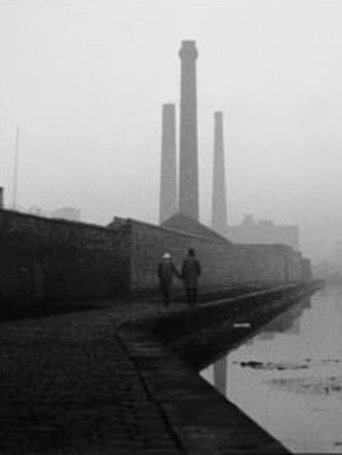
6.0Impressions of a typical weekend in Blackburn in the early 1960s.
Tomorrow's Saturday
1962
6.0Impressions of a typical weekend in Blackburn in the early 1960s.
Tomorrow's Saturday
1962
6.0Impressions of a typical weekend in Blackburn in the early 1960s.
Tomorrow's Saturday
1962