
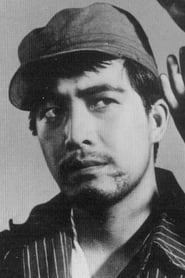
Acting
Den Obinata
Born — Died
1907-03-16 — 1980-08-21
Place of birth
Kitakyushu, Fukuoka, Japan
Known for
Acting
Credits
49 titles
Known for
1950 daiei movie.
Shimai hoshi
1950
 6.6
In Depression-era Tokyo, a struggling middle-aged single father with a young son comes across a homeless young lady and convinces a bar owner to take her in.
Passing Fancy
1933
 6.2
When a young woman is named as the prime suspect in a murder, her girlfriend and her girlfriend's boyfriend set out to prove her innocence. Their investigation leads them to an isolated, creepy house in the middle of nowhere, where sinister goings-on abound.
The Rainbow Man
1949
 8.0
What is marriage? Young couple in match-making wanted to know before they decide. They visited married couples of sisters and brothers. Love comedy in 1942.
Sky of Hope
1942
 NR
The investigative unit of the Metropolitan Police Department organized a special investigative team to uncover a series of frequent gang robberies and car gangs... This is the first film in the Nippon G-Men series, of which four more films were later released.
G-Men of Japan
1948
 5.8
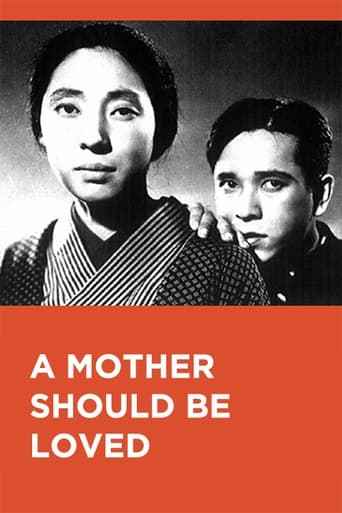
A young man discovers that the woman who raised him is his stepmother. His stepbrother, who is unaware of the revelation, resents his mother for always punishing him more severely than his stepsibling.
A Mother Should Be Loved
1934
Film credits
1950s · 6 titles
1950 daiei movie.
Shimai hoshi
1950
 NR
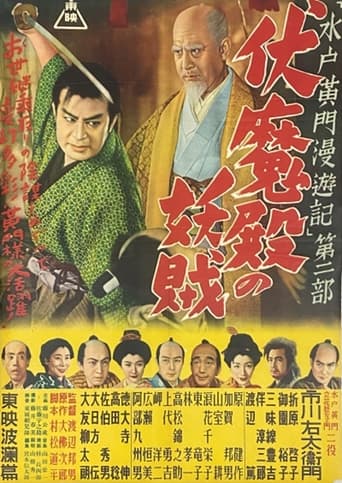
At the transformed Fumaden (Demon Subduing) Temple, with the dynamic efforts of Sukesan and Kakusan, and the appearance of the heroic woman Oshin, Lord Kōmon's ingenious strategy swiftly overcomes the wicked bandits in this exhilarating and unrivaled episode.
Travels of Lord Mito Pt.2
1952
 9.0
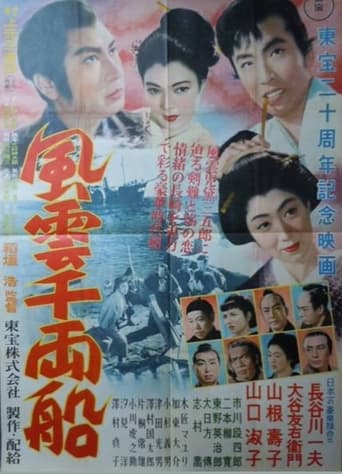
1952 Japanese movie
One Thousand Ryo Ship in the Wind and Clouds
1952
 NR
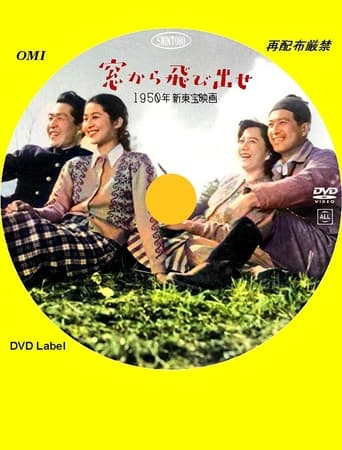
The movie "Jump Out of the Window" is a heartwarming work that depicts the interaction between two families. Shusuke Tokuyama (Den Obinata) runs an agricultural and livestock industry, and has his father Ritaro (Hiroshi Shiomi), younger brother Yuji (Keiju Kobayashi), wife Fujiko (Kiko Todoroki), and four children (three of whom are Obinata's sons). They lived in a large family of 8 people, including 2 children and 2 daughters. The Fujieda family next door is Chieko (Ayako Okamura), whose husband, a captain, died in a shipwreck at sea, her daughter Mariko (Kyoko Kagawa), and her son Michio (Oohinata's son), who has a leg disability and is undergoing rehabilitation. ) We were a family of three. Through the interaction between the Tokuyama family and the Fujieda family, the importance of family and the kindness of people are reflected on the screen.
Mado Kara Tobidase
1950
 NR
No synopsis available yet.
Cordon at Midnight
1951
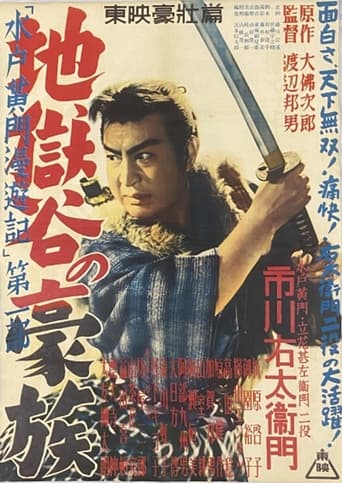 10.0
The deputy shogun of the realm, accompanied by his loyal and capable aides, makes a stop at Jigokudani, a place along his journey through various provinces. Here, a lively and entertaining tale unfolds, filled with swordplay where heroes and villains clash, intertwined with heartwarming humor.
Travels of Lord Mito Pt.1
1952
1940s · 22 titles
6.2When a young woman is named as the prime suspect in a murder, her girlfriend and her girlfriend's boyfriend set out to prove her innocence. Their investigation leads them to an isolated, creepy house in the middle of nowhere, where sinister goings-on abound.
The Rainbow Man
1949
8.0What is marriage? Young couple in match-making wanted to know before they decide. They visited married couples of sisters and brothers. Love comedy in 1942.
Sky of Hope
1942
NRThe investigative unit of the Metropolitan Police Department organized a special investigative team to uncover a series of frequent gang robberies and car gangs... This is the first film in the Nippon G-Men series, of which four more films were later released.
G-Men of Japan
1948
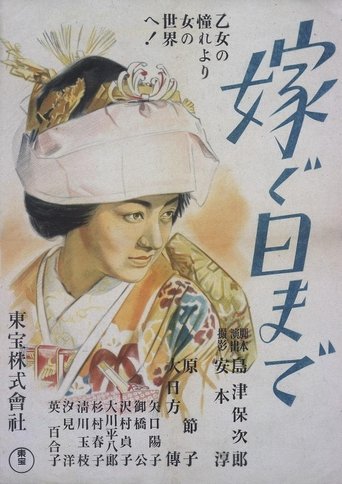 NR
Twenty-year-old Yoshiko (Setsuko Hara) and her younger sister Asako (Yōko Yaguchi) struggle to accept changes in their home during the preparations of their widowed father's wedding to his chosen bride, Maki Tsuneko (Sadako Sawamura), who's anxious about her conduct as the bride.
Wedding Day
1940
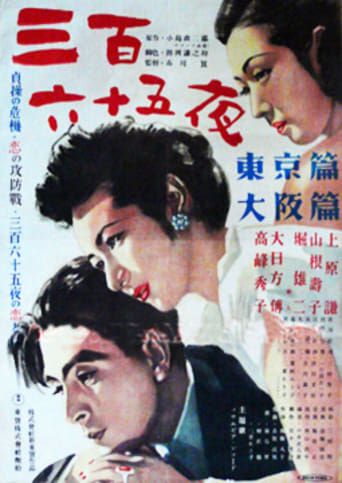 6.7
A young man rents an apartment in Tokyo and discover it was built by his father. He falls in love with the daughter of the mistress of the house and decides to marry her. Only to discover that his father is is in debt and wants him to marry Ranko so that she may help his company by granting 1.5 million yen. Teruko decides to borrow money from a greedy bar owner who lends her money on certain conditions and photographs her without her consent. A love traingle forms between Koroku, Ranko, and Teruko. Things complicate when Koroku marries Teruko and Tsugawa threatens them for the money causing many twists and turns.
365 Nights
1948
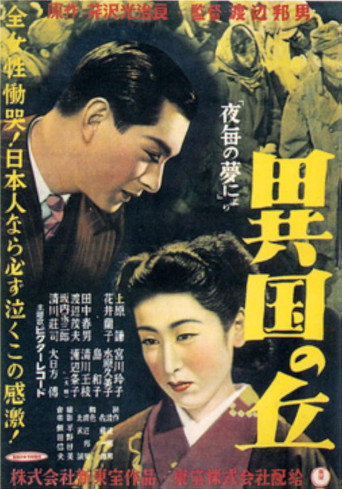 NR
No synopsis available yet.
Hills of a Foreign Country
1949
 9.0
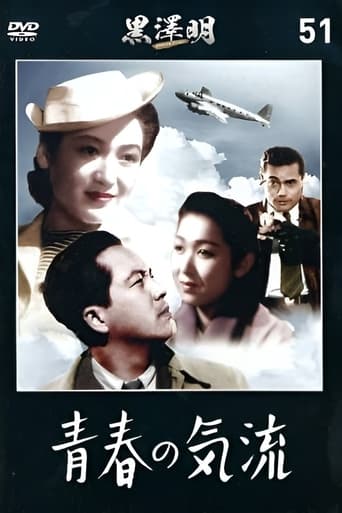
It was supposed to be about a love story, but it was and was not. An aircraft mechanic working for the government is matched by his boss with the latter man's daughter (Setsuko Hara) who is both beautiful and aggressive. Yet, he picks a woman who is less assertive as his bride.
Currents of Youth
1942
 NR
Deep down, a dark shadow always lingered in the heart of Ushio, a young prosecutor who had made a name for himself by cracking down on organized crime. In the bribery case involving his old college friend Ayao, he had sought a two-year prison sentence in accordance with the law. Ayao took his own life, and his family was torn apart by the world’s persecution.
Kenji to onnakanshu
1949
 8.0
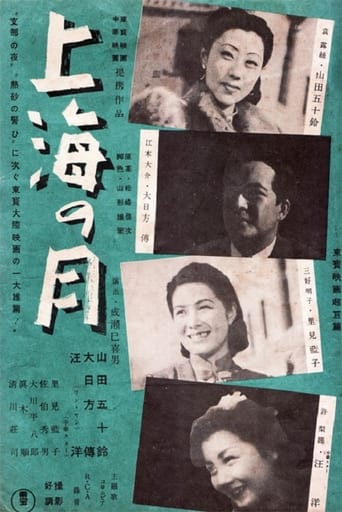
In 1937 fighting erupted between Japanese and Chinese troops at the Marco Polo Bridge. A team of Japanese spies broadcasting radio programs to promote pro-Japanese sentiment were searching for a Chinese speaking announcer. Only 53 minutes of the film survives.
Shanghai Moon
1941
 NR
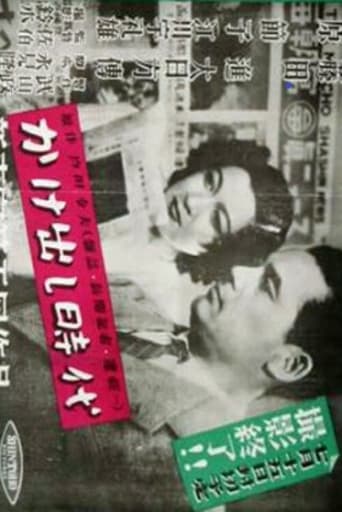
A newly hired daily newspaper writer covering the society beat receives an assignment to cover Tokyo at night by walking and observing it. He gets into the right frame of mind by dressing the part as a vagrant with not a penny to his name. He gets into trouble ending up at the police station slammer overnight. He has no material to write about and, with his assignment unfulfilled, faces a cross editor.
The Age of Beginnings
1947
 NR
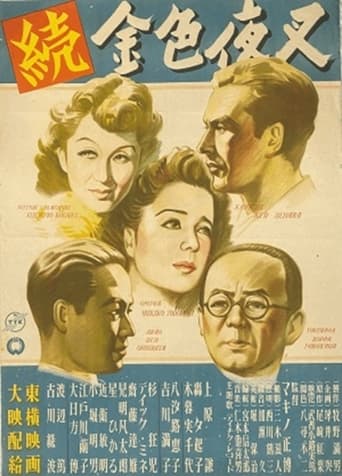
1948 adaptation of Golden Devil, part 2
Golden Devil Part 2
1948
 NR
A group of men obsessed with oil gather in a remote oil field region. Ichiro Kitazawa (Tatsuzaki) was one of them. He had a daughter-in-law named Harue Saijo (Takasugi), but he felt no affection for her. Ichiro, however, had spent the inheritance Harue had inherited from her father to find oil. Ichiro was now being bled by Butterfly (Hidaka), an eccentric female waitress at the Kinryu-tei. Harue took a train one day to visit Ichiro. She then befriended a man called Ken Matsuki (Dainikata), who had saved her from a crisis. Matsuki was a friend of Kitazawa, a man who was also passionate about the oil search.
At the Time Men Have Seen Blood
1949
 6.2
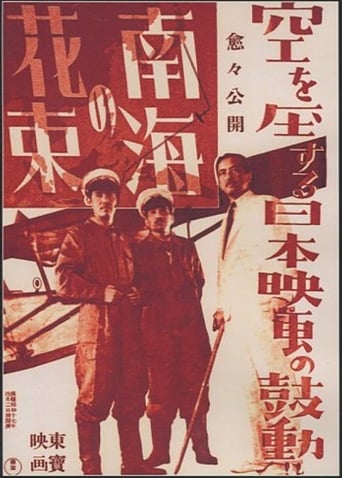
No synopsis available yet.
Bouquet of the South Seas
1942
 NR
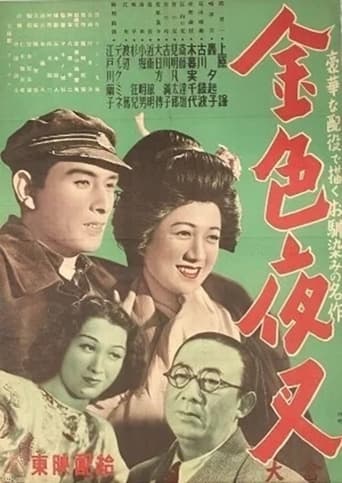
1948 adaptation of Golden Devil
Golden Devil
1948
 NR
No synopsis available yet.
Nocturnal Gate
1948
 NR
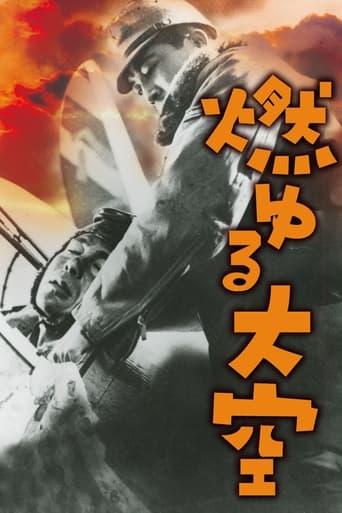
The film was produced during Second Sino-Japanese War, before the Pearl Harbor Attack in 1941. The film mainly concerns the training of newly-recruited pilots and their daily life, then their subsequent fighting experiences in China. Army supported the production, providing all the authentic airplanes, training and actual actions. They even provided the older biplanes disguised as Chinese fighter planes. Obinata plays the trainer-turned-combat-leader, who is passionate and cool at the same time. All his boys love him, of course. The film is not as intense, full of sugar-coated camaraderie, until young pilots are killed in action one by one. Last twenty minutes are fairly grim, as the message of self-sacrifice is heard loud and clear.
The Burning Sky
1940
 7.0
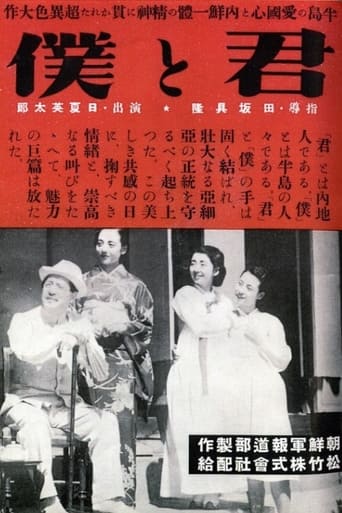
No synopsis available yet.
You and I
1941
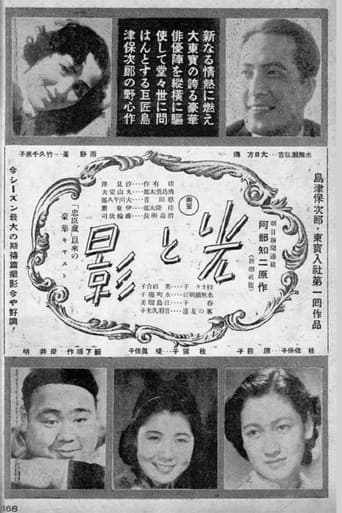 NR
Part one of two.
Hikari to kage (Zenpen)
1940
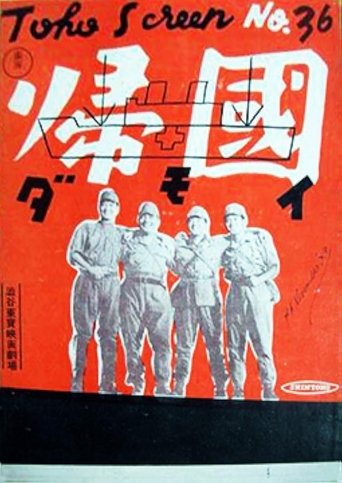
NRPart two of two.
Hikari to kage (Kōhen)
1940
 9.0
No synopsis available yet.
Return
1949
 9.0
Based on that testimony, an investigation is launched in the entertainment district, and through a brief conversation between Toda and Nanako at the cabaret "R-Red," it becomes apparent that her lover, Kaneda, is suspicious. Toda and Kaneda are, in fact, members of the gang currently being frantically pursued by the Metropolitan Police. Their leader is a ruthless man named Yoshio Matsui, known as "Tetsu the Murakumo," who has his mistress, Aiko, working as a singer at this cabaret. Kaneda, using his leg injury caused by Detective Mishima as leverage, demands a large sum of money from Tetsu, but is instead met with gunfire from Tetsu's gang. Upon hearing the gunshots, Officer Fujita, who was patrolling nearby, gives chase. As Kaneda lies dying, he reveals the truth before drawing his last breath. With this near-confirmation, Fujita puts out an all-points bulletin for Tetsu.
Shooting Star
1949
 8.0
Film by Kon Ichikawa
365 Nights: Tokyo
1948
1930s · 21 titles
6.6In Depression-era Tokyo, a struggling middle-aged single father with a young son comes across a homeless young lady and convinces a bar owner to take her in.
Passing Fancy
1933
5.8A young man discovers that the woman who raised him is his stepmother. His stepbrother, who is unaware of the revelation, resents his mother for always punishing him more severely than his stepsibling.
A Mother Should Be Loved
1934
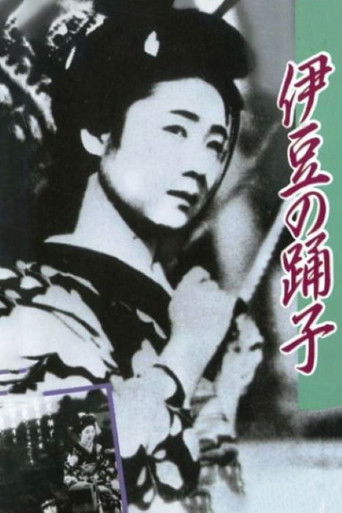 6.7
"The Dancing Girl of Izu" tells of the story between a young male student who is touring the Izu Peninsula and a family of traveling dancers he meets there, including their youngest girl. The student finds the naïve girl attractive even though he eventually has to part with the family after spending memorable time together.
The Dancing Girl of Izu
1933
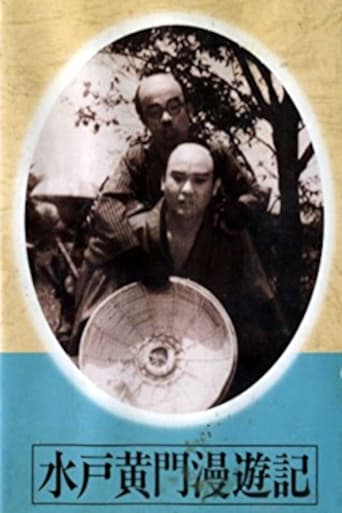 NR
This is the only surviving "Mito Komon Manyu-ki" film. This release also known as Adrift Tour Memoir is an 80-minute compilation of the first and second parts (147 minutes), which were re-edited and screened at a time when presentable films were dried up immediately after the defeat of the war.
Mito Kōmon Manyu-ki
1938
 5.0
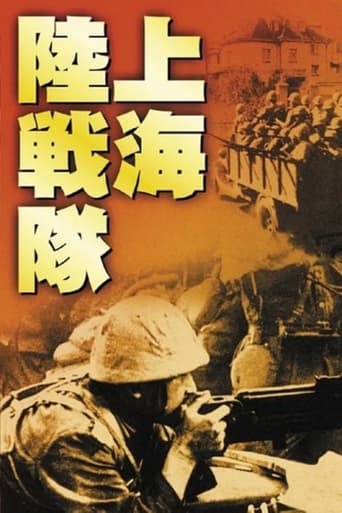
This film attempts to reconstruct the tension of the Battle of Shanghai through an episode in an understated way, introducting its story in a documentary mode. In the film story, Japan's marine regiment protects Japanese residents and Chinese refugees-women and young children-from rampant street fighting, Shanhai Rikusentai unsparingly uses its first eight minutes for an official-mannered self-justification of the war. From the viewpoint of explaining Japan's military operation,the narration refers to the city s spatial division in sync with maps on screen.
Shanghai Landing Party
1939
 7.4
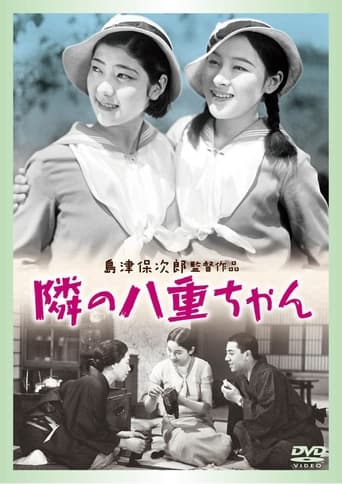
Keitaro is a law student and Yaeko is a high school girl. They are neighbors, and their friendship is starting to develop into something more romantic. Then, Yaeko's sister Kyouko has a breakup with her husband and returns home. Kyouko is clearly interested in Keitaro and Yae becomes anxious.
Our Neighbor, Miss Yae
1934
 6.7
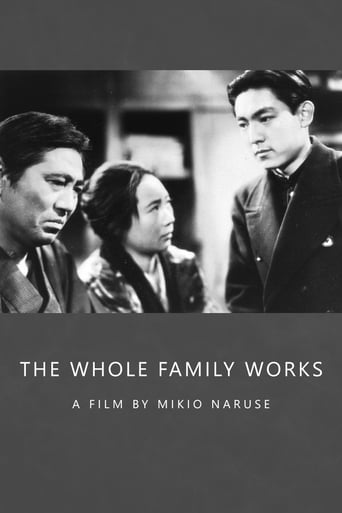
A large family scrapes by on the meager salaries of the father and three eldest sons, who left school in order to work and support the family. The fourth eldest is soon to graduate and follow in their footsteps, though he'd rather continue schooling. The eldest finally decides to break free and set out on his own against his parents' wishes, with the support and sympathy of his siblings.
The Whole Family Works
1939
 NR
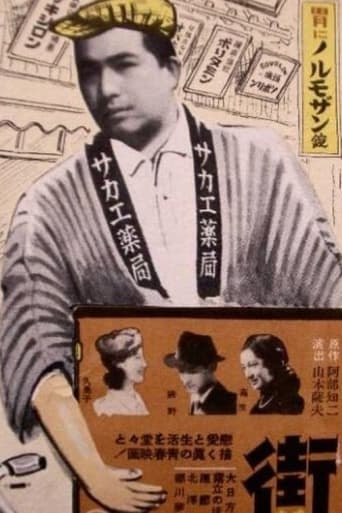
No synopsis available yet.
The Town
1939
 6.8
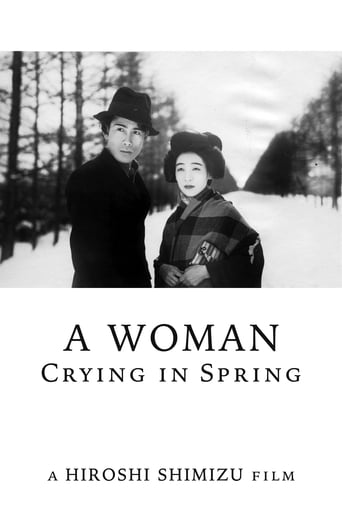
Kenji and Chuko travel to Hokkaido as migrant workers and enlist as miners under the strict leadership of Guzuyasu. On the boat journey to Hokkaido, Kenji attracts Ohama, who is travelling to Hokkaido to open a bar. When Kenji visits the bar, he chases away a sailor who was hassling a shy girl, Ofuji, which makes Ohama jealous.
A Woman Crying in Spring
1933
 NR
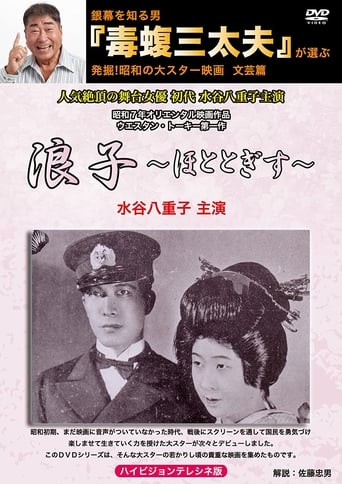
An early Japanese sound film, notable for being the only Japanese film ever to use the Western Electric Sound System. Contrary to most Western sources that give sole directing credit to Eizo Tanaka, it was actually co-directed by six different directors, Tanaka, Kazue Kimura, Kazuo Takimura, Ryoji Mikami and Hidekuni Ouchi.
Namiko
1932
No synopsis available yet.
Madam with a Ribbon
1939
At 38, Seiu marries Masako, who is emotionally distant and attempts suicide. Masako’s past includes being sold into servitude and an unrecognised pregnancy. Seiu learns the truth and accepts Masako and the unborn child, embracing his roles as husband and father. He also reforms a troubled youth at his institution. In a climactic speech, Seiu inspires his students with resilience and love.
Children of the Sun
1938
Adaptation of Nobuko Yoshiya’s story.
Family Diary Part II
1938
 7.0
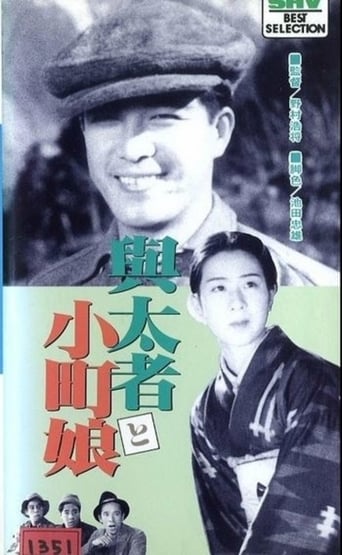
Following the accidental death of a logging boss in the Kiso mountains, a local thug pressures the boss's daughter into marriage. When the boss's new foreman arrives to protect her, a trio of clumsy but loyal lumberjack friends hatch a series of schemes to defeat the thug's gang and secure the couple's union.
Lumberjack and Lady
1935
Adaptation of Nobuko Yoshiya's story.
Family Diary Part I
1938
 6.0
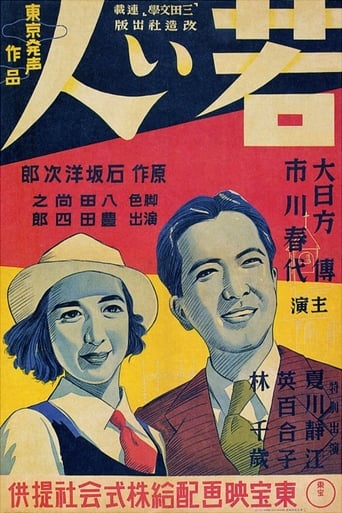
Based on an original story by Yojiro Ishizaka, this well-made drama is set in a Christian school in a beautiful northern harbor town. Teacher Masaki (Obinata) speaks up for Keiko, one of the girls at the school, every time she causes problems because he feels sorry for her, a child born out of wedlock. Sumi (Natsukawa), one of Masaki’s colleagues and who is secretly in love with him, strongly disagrees with him about Keiko. Then Sumi hears a rumor that Keiko is pregnant with Masaki's child . . . .
Young People
1937
Sakura Ondo was a sound adaptation based on a popular 1934 song, produced at the Shochiku Kamata Studio as part of a five-studio competition to create a film based on the same tune.
Sakura Ondo
1934
 NR
No synopsis available yet.
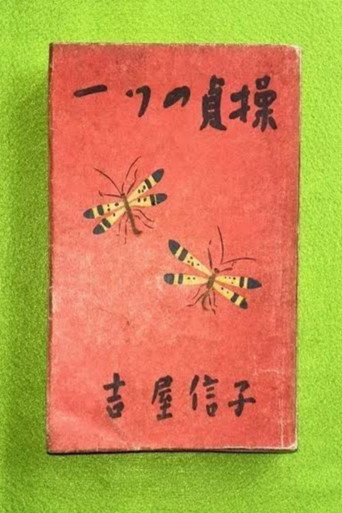
一つの貞操
1935
Living Things a film by Heinosuke Gosho
Living Things
1934
Japanese film from 1933, adapted from a story serialized in the entertainment magazine "Fuji."
Clear and Cloudy
1933
Japanese drama from 1934. A major production of Shochiku Studio, directed by Hiroshi Shimizu.
Mother of the East
1934