
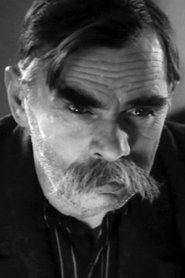
Acting
Aleksandr Chistyakov
Born — Died
1880-01-01 — 1942-12-31
Place of birth
Moscow, Russian Empire [now Russia]
Known for
Acting
Credits
40 titles
Aleksandr Chistyakov was born in 1880, he never graduated from high school, he worked as an accountant. From 1921 he studied at the First State Film School (Leo Kuleshov's workshop). Since 1925, he actively acted in films. The first role - a worker in the film "Arsenals" became a characteristic role for the subsequent work of the actor. He also was the champion of the Russian Empire in hammer throwing. Self-taught, he began to master hammer throwing at the end of the 19th century and in 1912 became the first record holder in Russia. He was a very good cyclist and an able wrestler too.
Known for
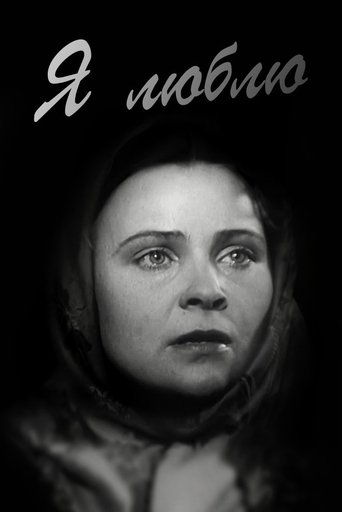 9.5
9.5Russian Empire, 19th century. Poor Nykanor leaves his village and becomes a miner in the Donbas. His son Ostap also becomes a miner and works in the mine for thirty years, but after his father's sudden dismissal, he realizes that the state system needs radical changes.
I Love
1936
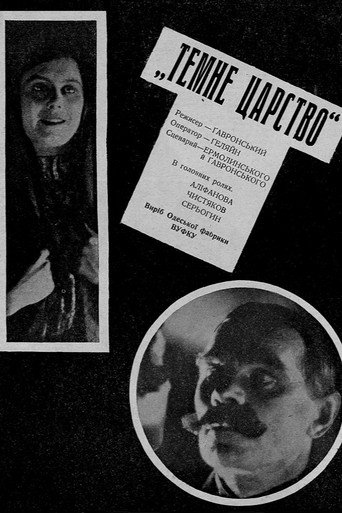 NR
NRNo synopsis available yet.
Темне царство
1929
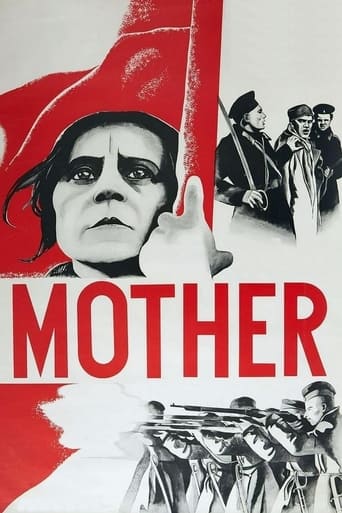 7.1
7.1A Soviet woman is caught between her husband and son, who find themselves on opposing sides of the Russian Revolution.
Mother
1926
 5.5
5.5A young sportsman Grisha Fokin falls in love with Masha, the wife of an outstanding scientist - Yuliyan Nikolayevich Stepanov.
A Severe Young Man
1935
 NR
NRTo help out his friend Lenya, Yura steals a Stradivarius violin belonging to the professor from his grandfather, a violin maker. Having learned about everything, the professor begins to study with the talented Lenya. Circus performers persuade Lenya to give up the violin and perform in the circus...
Beautiful Garden
1935
 6.7
6.7Arriving in St. Petersburg in search of work, a peasant unwittingly aids in the arrest of an old friend who is now a labour leader. The unemployed man is arrested and sent to fight in the Great War. After three years, he returns to rebel.
The End of St. Petersburg
1927
Film credits
1940s · 5 titles
 8.0
8.0This is a dramatic story of the restoration of the mines after the liberation of Donbass from the Nazis during the Second World War.
A Great Life, Part 2
1946
 10.0
10.0Little Nikita, the son of polar scientist Sergei Ivanov, runs away from home with the intention of reaching the Arctic, where he believes his father works. The boy manages to reach Leningrad, where he ends up at the Arctic Institute. Sergei is tasked with returning the runaway home, but Nikita stubbornly hides his origins and the purpose of his escape. Soon, his grandmother arrives, and Ivanov learns that Nikita is his son. He writes a letter to his ex-wife and convinces her of the need to return to him. The couple reconciles, and, preparing for another expedition, Sergei promises his wife and young son that he will return to the mainland on time.
The Return
1940
 8.0
8.0A young man, Russian by nationality, goes to a Turkmen bride in a remote border village, not knowing that his large family decides to surprise him and also goes to Turkmenistan to meet the bride and her parents. The chain of comic misunderstandings ends with an episode of a skirmish on the border with saboteurs.
No One is Funnier than Us
1940
 8.0
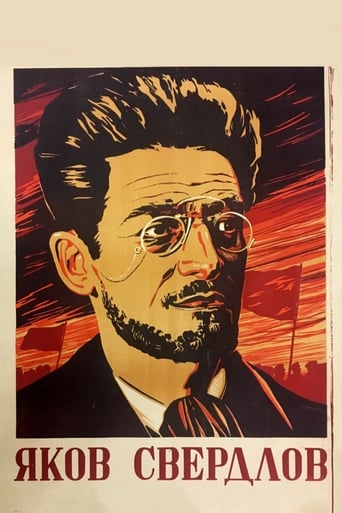
8.0Story on the life and work of the first chairman of the All-Russian Central Executive Committee, Yakov Mikhailovich Sverdlov.
Yakov Sverdlov
1940
 8.0
8.0Together with other graduates of the Maritime Institute, Irina Zakharova returns to her native Odessa. At the distribution commission, she seeks the appointment of the first assistant to the captain on the infamous Pobeda vessel, with the most loosened crew. Carrying a personal example of sailors, Irina successfully fights for a turning point in the mood of sailors, and when the ship gets into a storm, she shows the outstanding qualities of a real sailor. Against the background of these events, the theme of lyrical relationships between Irina and the navigator of the red-flagged ship "Abkhazia" Vasily in love with her is unfolding.
Seaman's Daughter
1941
1930s · 23 titles
9.5Russian Empire, 19th century. Poor Nykanor leaves his village and becomes a miner in the Donbas. His son Ostap also becomes a miner and works in the mine for thirty years, but after his father's sudden dismissal, he realizes that the state system needs radical changes.
I Love
1936
5.5A young sportsman Grisha Fokin falls in love with Masha, the wife of an outstanding scientist - Yuliyan Nikolayevich Stepanov.
A Severe Young Man
1935
NRTo help out his friend Lenya, Yura steals a Stradivarius violin belonging to the professor from his grandfather, a violin maker. Having learned about everything, the professor begins to study with the talented Lenya. Circus performers persuade Lenya to give up the violin and perform in the circus...
Beautiful Garden
1935
 4.0
4.0The secret police agent finds that factory director wife is counterrevolutionary but dies from the heart attack. The director reads the diary of an agent and turns his wife to police.
Diary of a Revolutionist
1932
 NR
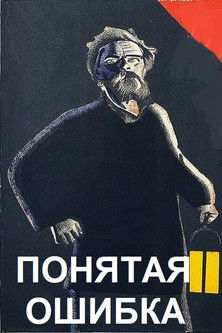
NRThe film tells about the class struggle in the countryside during the creation of the first collective farms. Only the first part has survived. Director Ivan Pyryev began work on the film. It has not been preserved in its entirety.
Misunderstood
1931
About the fate of a former prisoner of war, who returns to his homeland, to the Soviet Union.
Nastenka Ustinova
1934
 NR
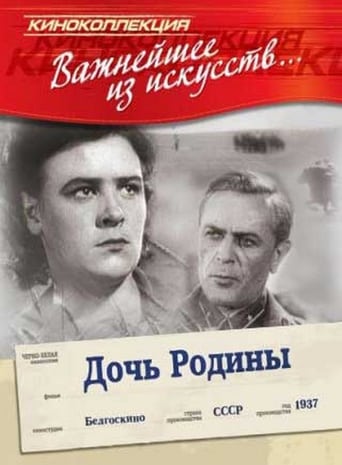
NROn the detention of fascist saboteurs and border violators by the collective farmers of Soviet Byelorussia. The main heroine, the actual "daughter of the Motherland", is the chairman of the kolkhoz, and has detained eight trespassers. But the main enemy may be lurking from within the borders.
Daughter of the Motherland
1937
 NR
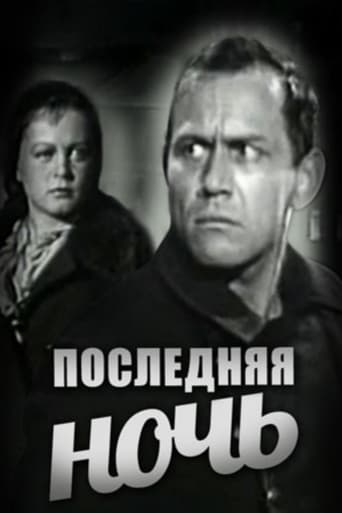
NRHistorical-revolutionary film about the struggle of the Bolshevik underground against the interventionists during the civil war in Odessa, about the participation of children in underground work.
The Last Night
1933
 6.1
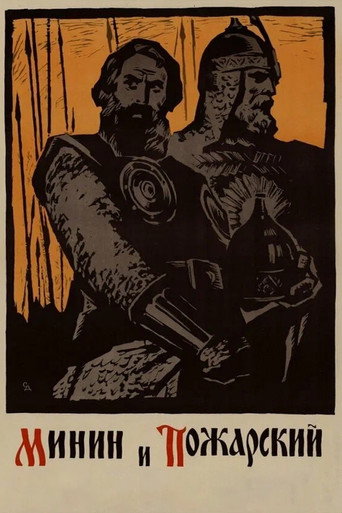
6.1Historical film about the invasion of the Poles in the Moscow Empire (1611), the creation of Minin and Pozharsky people's militia. The beginning of the XVII century. Already the sixth year the Muscovite land under the yoke of intervention. In the fall of 1610 Polish pans in deceitfully seized the Kremlin and tried to break through to the north. Everywhere rebellions broke out, but well-armed interventionists smashed the scattered peasant detachments. The liberation movement was led by Nizhny Novgorod merchant Kuzma and Prince Dmitry Pozharsky.
Minin and Pozharsky
1939
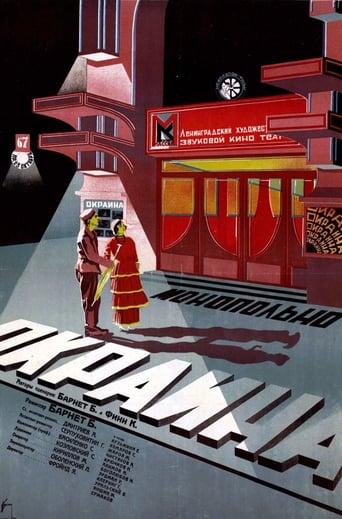 6.3
6.3In a remote Russian village during World War I, colourful and nuanced characters experience divided loyalties: family loyalty vs. personal desire, nationalism vs. transcendent humanism.
Outskirts
1933
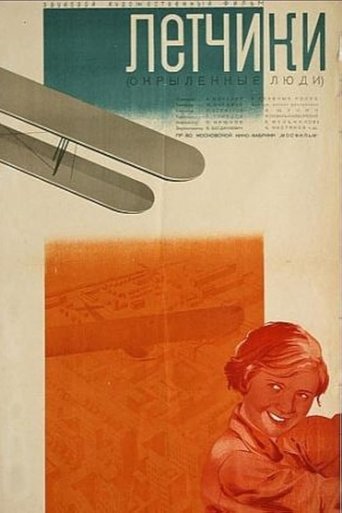 5.2
5.2The daredevil pilot Sergei Belyaev takes a risk flying a plane which is not properly maintained and crashes dangerously, landing in hospital, his plane going up in smoke. The aviation student Galya Bystrova, having a crush with Belyaev, unfortunately tends to imitate him in the air. Later, heeding the advice of the wise headmaster Rogachev, they become experienced pilots. Bystrova is assigned to Pamir, and Rogachev, in love with her, is sent to Sakhalin.
The Pilots
1935
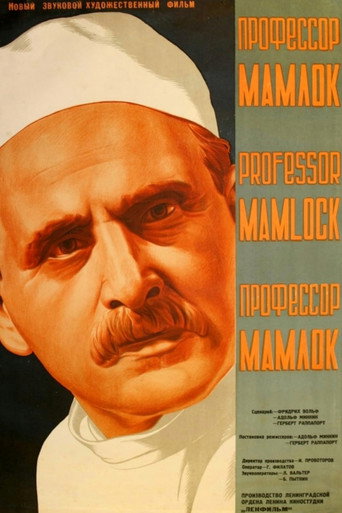 6.0
6.0Based on a play by a German-Jewish exile in Moscow, Friedrich Wolf, and directed by an Austrian-Jewish exile in Moscow, Herbert Rappaport, the film tells with the story of an apolitical humanitarian Jewish doctor and his politically-aware, fascism-resisting son, an intern, as their lives become entangled with the Nazis’ rise to power in 1930s Germany, where they live and practice. Things come to a head when the Nazi organization takes control of their hospital, and place a rabid antisemitic physician in charge over Mamlock and his staff.
Professor Mamlock
1938
 4.9
4.9The final part of trilogy about the life of a young factory worker, Maxim. Following the Russian Revolution, Maksim is appointed state commissar in charge of the national bank. With great efforts, he learns the complexies of the banking trade and begins to fight off sabotaging underlings. Dymba, now a violent enemy of the Republic, tries to rob a wine store but is arrested with Maksim's help. Maksim also exposes a conspiracy of a group of tsarist officers who prepare an attempt against Lenin. He then joins the Red Army in its fight against the German occupation.
The Vyborg Side
1939
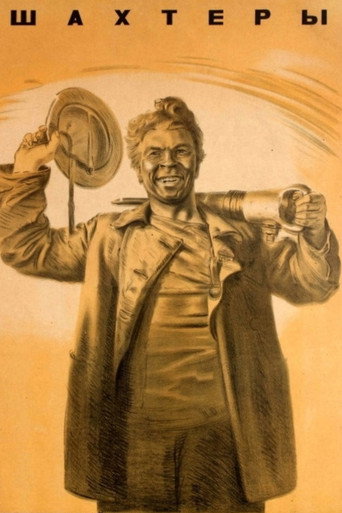 7.5
7.5Semyon Primak, in the direction of the regional committee, arrives in one of the small towns of Donbas and immediately enters into battle with the chief of the mine, Chub, who, in a situation of continuous assault, plays into the hands of the Trotskyites and bandits operating in the mine. Having received moral support from the new secretary, the best 'udarnik', shockworker Matvey Bobylev implements a new method of coal mining and, contrary to the intentions of the enemy group, finds a wide response among the miners of Donbas.
The Miners
1937
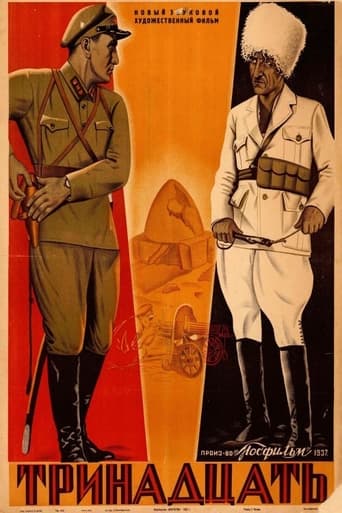 5.7
5.7The film tells about a band of demobilized Red Army men and two civilians who cross a Middle Asian desert. They are forced to do battle with superior forces of Basmachi rebels for the dry draw-well.
The Thirteen
1937
The best bell-ringer of the church Fedor Kuzmich Shtukov becomes the foreman of production at the shipyard. Communists and Komsomol members are trying to persuade Fedor to forget about the church, but in vain. Daughter Anna laughs in the face of her father - and in vain too. But when the plant desperately needed a scarce metal, Shtukov, painfully thinking about his native plant, supported the proposal of one of the workers to cast the billet from the church bell, and the vessel was ready for launch on time.
A Personal Affair
1932
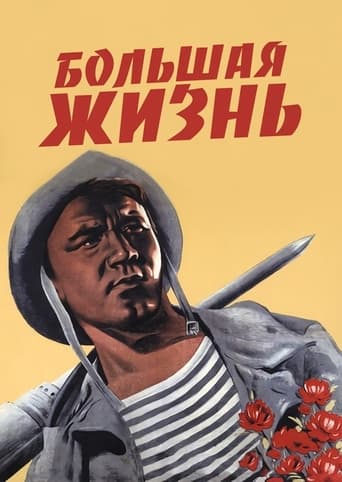 4.1
4.1The film tells about the struggle of the Donbas miners in Ukrainian SSR with saboteurs.
A Great Life
1939
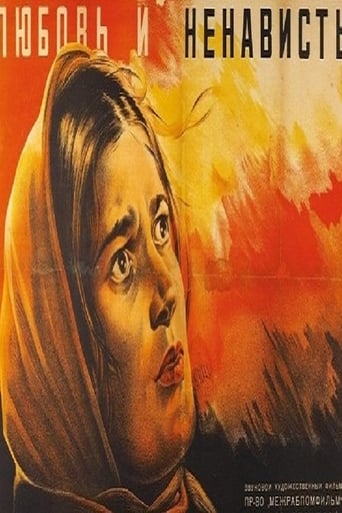 5.4
5.4A group of Ukrainian women are forced to work in the mine under the supervision of cruel enemy soldiers. When the soldiers are forced to retreat and decide to blow up the mine, the women organize a guerrilla action to stop them.
Love and Hate
1935
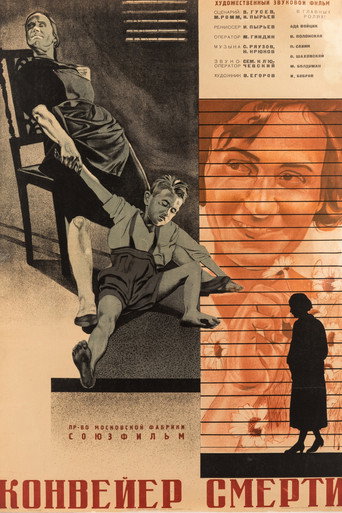 6.7
6.7The movie is set in the early 30s in a fictional capitalist country. The economic crisis throws three friends - young female workers - out on the street. Their dreams of a prosperous life are shattered, and each begins her own difficult journey.
Conveyor of Death
1933
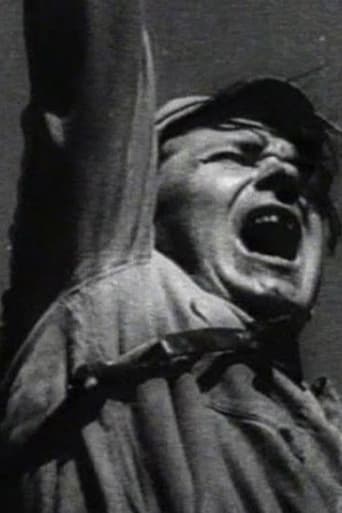 5.3
5.3Following the end of the Russian Civil War, three close friends and former Red Army commanders—Langovoy, Zhyoltikov, and their elder comrade Uncle Sasha—return to their hometown to serve in the military headquarters. While Sasha and Zhyoltikov remain bachelors and share a room, Langovoy lives with his wife, Mashenka, whom he married during the war.
A Simple Case
1930
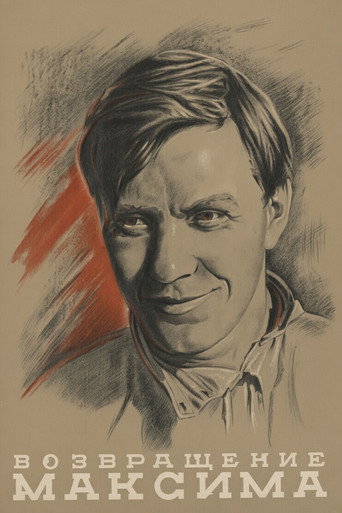 5.3
5.3The second part of trilogy about the life of a young factory worker, Maxim. In July 1914, the Bolsheviks and Mensehviks compete for representation of the working-class in the Duma. Maksim, who just returned from exile, calls the workers to strike as a protest against the firing of six of their colleagues. The traitor Platon Dymba assaults Maksim, wounding him severely. When the strike unfolds the workers demonstrate by the thousands, the news of the outbreak of World War I suddenly arrives. Maksim gets drafted.
The Return of Maxim
1937
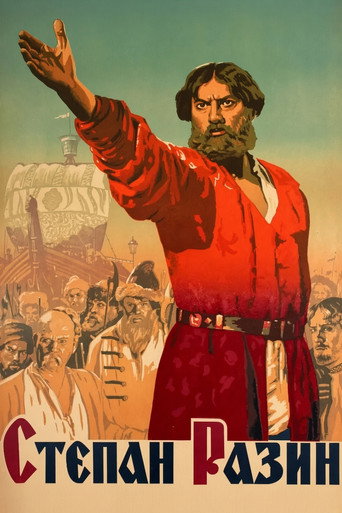 4.5
4.5Don Cossack Stepan Razin vowed to take revenge on the boyars for his tortured friends. Having led the rebellious peasants, he becomes the leader of an entire army. Humiliated and insulted people flock to him from all over the Russian land.
Stepan Razin
1939
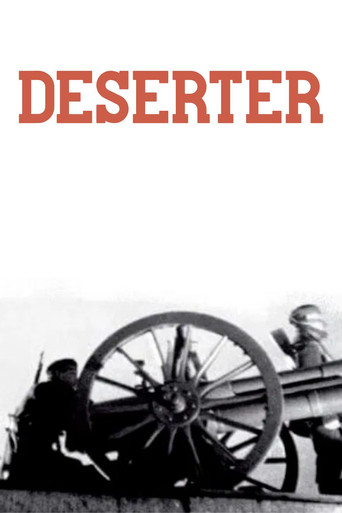 5.0
5.0A wise and forgiving communist leader decides to send a young worker, Karl Renn, as an international delegate to the Soviet Union after the worker had deserted a picket-line and had expressed doubts about the methods of class struggle in in his own country.
Deserter
1933
1920s · 12 titles
NRNo synopsis available yet.
Темне царство
1929
7.1A Soviet woman is caught between her husband and son, who find themselves on opposing sides of the Russian Revolution.
Mother
1926
6.7Arriving in St. Petersburg in search of work, a peasant unwittingly aids in the arrest of an old friend who is now a labour leader. The unemployed man is arrested and sent to fight in the Great War. After three years, he returns to rebel.
The End of St. Petersburg
1927
 NR
NRThe fate of a simple railroad machinist Gavrilov, who under the influence of the events of the Civil War finds his place in the new era.
The Drive of Death
1929
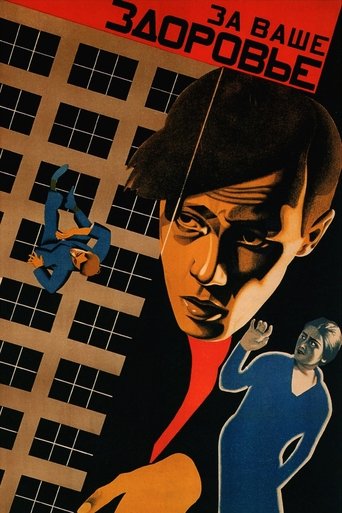 NR
NRAbout the fight against alcoholism in the workplace.
For Your Health
1929
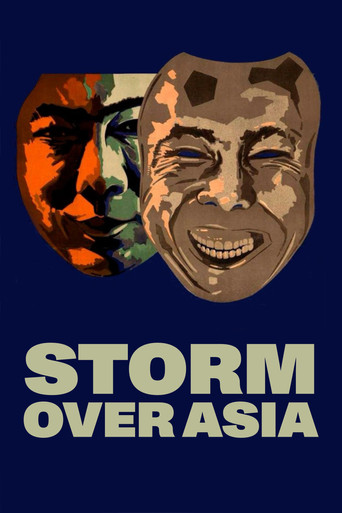 6.5
6.5Lowly Mongolian trapper Bair, shunned by his fellow trappers for fighting with a trader, flees his trading post and joins the Soviet partisans trying to oust the occupying British forces. After Bair is captured and shot by the British, they find an amulet on him suggesting he is a descendant of Genghis Khan. The soldiers nurse Bair back to health and use him to establish a puppet government, unaware that their plan will backfire when the puppet breaks his strings.
Storm Over Asia
1928
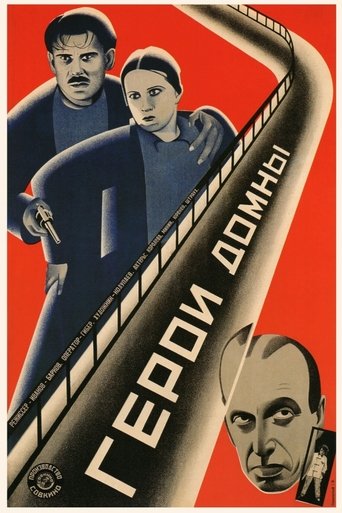 NR
NRLost movie.
Heroes of the Furnace
1929
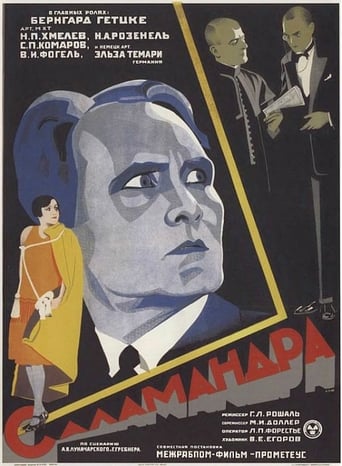 6.3
6.3The film is based on real events and reveals the tragic episodes from the life of the Austrian biologist scientist-materialist Paul Kammerer (1880-1926), hunted by regressive scientists and Catholic reactionaries who committed suicide.
Salamander
1928
 NR
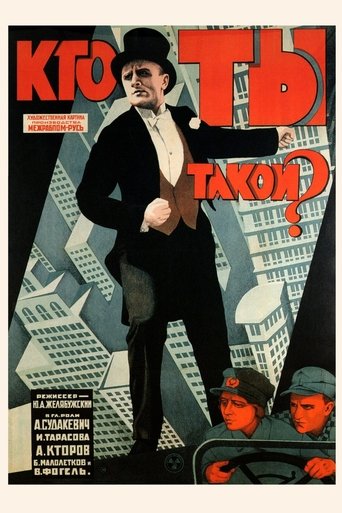
NRAdaptation of Jack Londos's short story "The South of the Slot". Partially lost.
Who Are You?
1927
 5.3
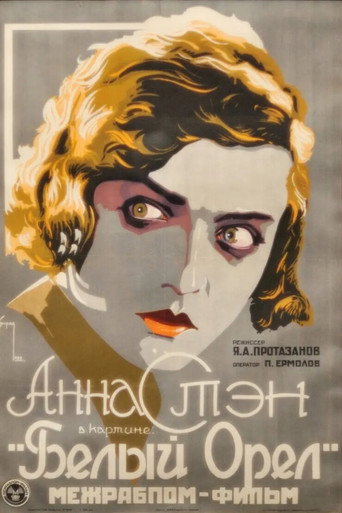
5.3The film is based on The Governor, a play by Leonid Andreyev. V.I. Kachalov plays the governor of a small Russian province who tries to treat the people under his authority with kindness and equanimity. But when a local factory goes on strike, the governor buckles under to pressure from the Tzar and orders the wholesale slaughter of the strikers. He pays for this betrayal of his trust with his life -- at the hands of a courageous Bolshevik spy.
The White Eagle
1928
 7.0
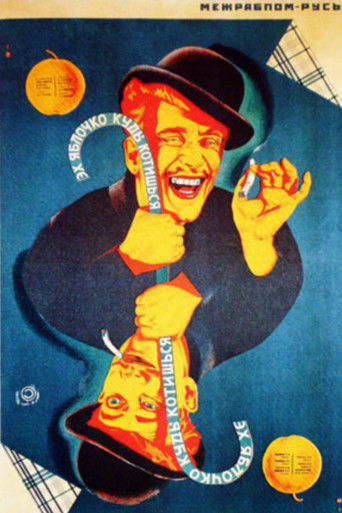
7.01918 Odessa. German occupiers plunder the city. Sailor Petrus, who has lagged behind the Red Army detachment, saves one of the victims of bandit terror - the girl Marusya... Years have passed. The time has come for peaceful construction in the country. Red commander Petrus and Marusya, who has become a teacher, meet in Moscow in one of the cafes, where both were attracted by the sounds of the popular song “Eh, apple...”, accompanying the adventure of the heroes.
Эх, яблочко, куды котишься
1926
 8.0
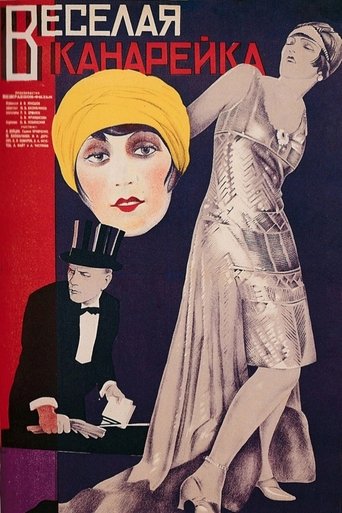
8.0Actress Brio working in a cafe "The Happy Canary", does not suspect that her new acquaintances Brianski and Lugovec are Communists sent by an underground committee to fight the enemy's counter-intelligence.
The Happy Canary
1929