
Known for
 6.2
Noguère, an old patriarch, is about to die and decides to confess at last to a priest. He once lived alone with his son Juste, who helped him to farm the Mauvents land. One night Noguère fired at a couple of trespassers, hurting the girl and killing her fiancé. Giving Catoune, the girl, the shelter of his home, Noguère was forced - however reluctantly it may have been - to break the bad news to the fiancée. For all that Catoune recovered, settled down and later married Juste. After a while Juste left for the war and was soon reported missing. Noguère comforted the distressed young woman so well that she became her mistress. But Juste had not been killed.
Malaire
1952
 8.5
No synopsis available yet.
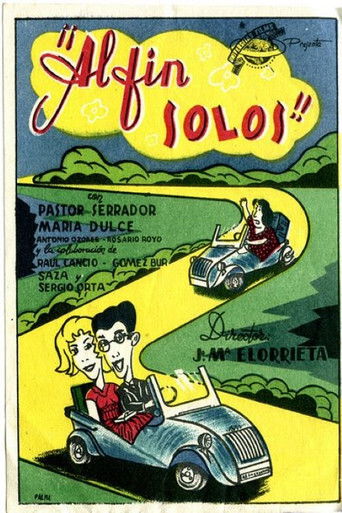
Finally Alone
1955
 9.0
No synopsis available yet.
Ha desaparecido un pasajero
1953
 10.0
A building in Lisbon where three families with very different social backgrounds live. An arrogant aristocratic family on the first floor, a modest bourgeois family on the ground floor, and a working-class family in the basement.
The Ground Floor Neighbors
1947
 9.5
No synopsis available yet.
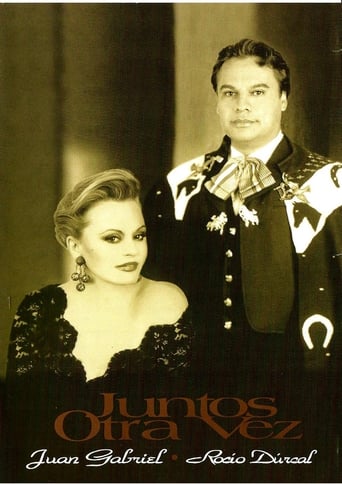
Juntos Otra Vez
2004
 9.0
No synopsis available yet.
El duende y el rey
1950
Behind the camera
6.2Noguère, an old patriarch, is about to die and decides to confess at last to a priest. He once lived alone with his son Juste, who helped him to farm the Mauvents land. One night Noguère fired at a couple of trespassers, hurting the girl and killing her fiancé. Giving Catoune, the girl, the shelter of his home, Noguère was forced - however reluctantly it may have been - to break the bad news to the fiancée. For all that Catoune recovered, settled down and later married Juste. After a while Juste left for the war and was soon reported missing. Noguère comforted the distressed young woman so well that she became her mistress. But Juste had not been killed.
Malaire
1952
8.5No synopsis available yet.
Finally Alone
1955
9.0No synopsis available yet.
Ha desaparecido un pasajero
1953
9.0No synopsis available yet.
Ha desaparecido un pasajero
1953
10.0A building in Lisbon where three families with very different social backgrounds live. An arrogant aristocratic family on the first floor, a modest bourgeois family on the ground floor, and a working-class family in the basement.
The Ground Floor Neighbors
1947
9.5No synopsis available yet.
Juntos Otra Vez
2004
9.0No synopsis available yet.
El duende y el rey
1950
 8.0
There are nearly three dozen major televised, theatrical and cinematic productions paying homage to this revision of the original tale of Don Juan. Playwright José Zorrilla's work, was first written and published in 1844, and it soon became one of the most popular plays of the 19th Century. Spanish Director Alejando Perla's own 1952 cinematic version is probably the best-known of several films made concerning Zorrilla's take on the exploits of the immortal Don Juan-in just a 15 year period, (starting in 1936). His version stands out because it focuses on why Don Juan Tenorio should repent, after reflecting on a hedonistic life of drinking, followed by his enchantment, seduction and ultimate corruption of the innocent and married women he seduced then callously abandoned all throughout Seville.
Don Juan Tenorio
1952
8.0There are nearly three dozen major televised, theatrical and cinematic productions paying homage to this revision of the original tale of Don Juan. Playwright José Zorrilla's work, was first written and published in 1844, and it soon became one of the most popular plays of the 19th Century. Spanish Director Alejando Perla's own 1952 cinematic version is probably the best-known of several films made concerning Zorrilla's take on the exploits of the immortal Don Juan-in just a 15 year period, (starting in 1936). His version stands out because it focuses on why Don Juan Tenorio should repent, after reflecting on a hedonistic life of drinking, followed by his enchantment, seduction and ultimate corruption of the innocent and married women he seduced then callously abandoned all throughout Seville.
Don Juan Tenorio
1952
 NR
No synopsis available yet.
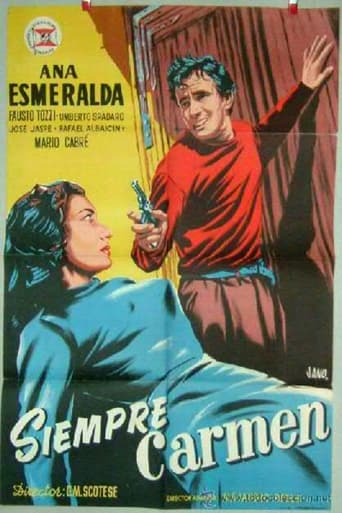
Siempre Carmen
1953
 7.5
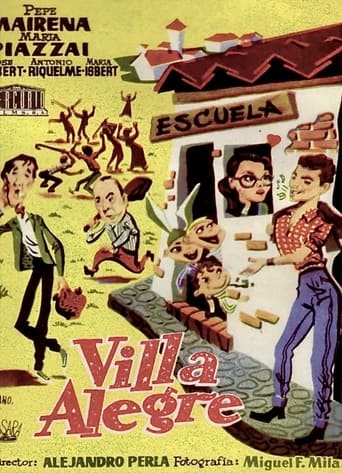
Pepe and his partner are two truck drivers in the middle of a trip, they decide to stop in the road and stop at the nearest town. This town, which is called Villa Alegre of Songs, apparently normal, but they do not need much time to realize that it is not at all. There the men spend their days fighting with each other, and as women, do not know any until Pepe, an inveterate conqueror, make a little water to the car to Dolores, a beautiful young woman with no takes to make friends and that he also has his little sister, Encarna.
Villa Alegre
1958