Acting
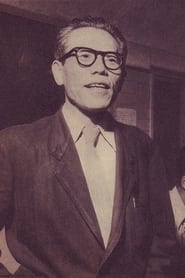
Eijirō Tōno
Born — Died
1907-09-17 — 1994-09-08
Place of birth
Tomioka, Japon
Known for
Acting
Credits
64 titles
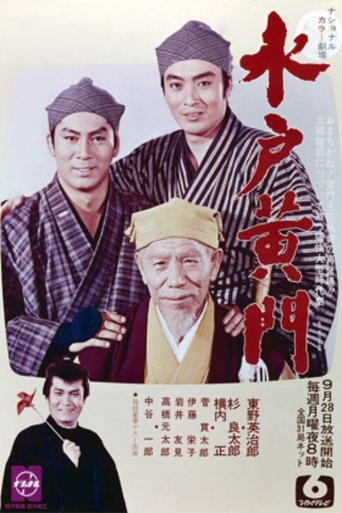
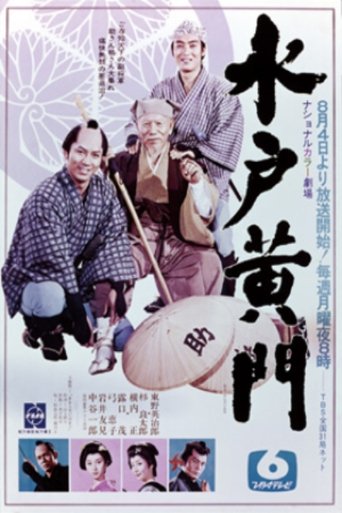
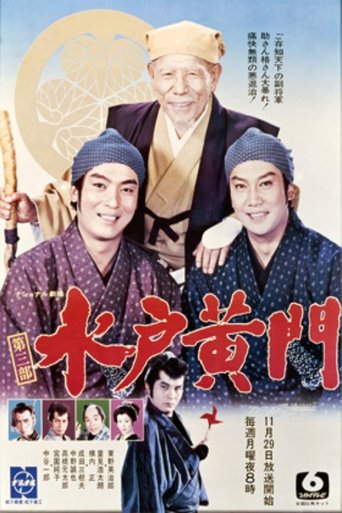
Eijirō Tōno (東野英治郎 Tōno Eijirō, 17 September 1907 – 8 September 1994) was a Japanese actor who, in a career lasting more than 50 years, appeared in over 400 television shows, nearly 250 films and numerous stage productions. He is best known in the West for his roles in films by Akira Kurosawa, such as Seven Samurai (1954) and Yojimbo (1961), and films by Yasujirō Ozu, such as Tokyo Story (1953) and An Autumn Afternoon (1962). He also appeared in Kill! by Kihachi Okamoto and Tora! Tora! Tora!, a depiction of the Japanese attack on Pearl Harbor. His final film was Juzo Itami's A-ge-man (Tales of a Golden Geisha) in 1990. Tōno also starred as the title character in the long-running television j…
Known for
 8.5
8.5A samurai answers a village's request for protection after he falls on hard times. The town needs protection from bandits, so the samurai gathers six others to help him teach the people how to defend themselves, and the villagers provide the soldiers with food.
Seven Samurai
1954
 8.4
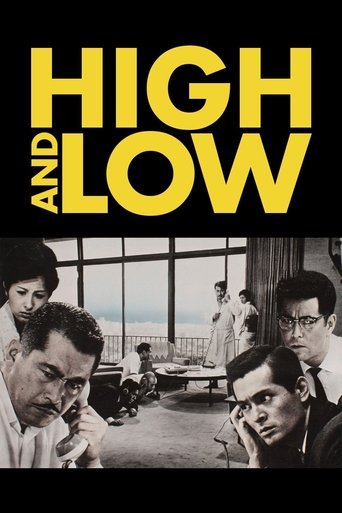
8.4A Yokohama shoe executive faces a wrenching choice when kidnappers mistakenly seize his chauffeur’s son but demand the ransom anyway.
High and Low
1963
 8.2
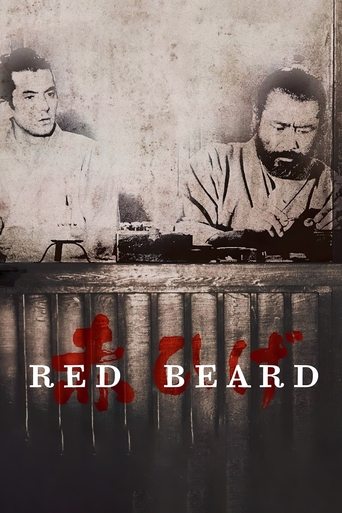
8.2Aspiring to an easy job as personal physician to a wealthy family, Noboru Yasumoto is disappointed when his first post after medical school takes him to a small country clinic under the gruff doctor Red Beard. Yasumoto rebels in numerous ways, but Red Beard proves a wise and patient teacher. He gradually introduces his student to the unglamorous side of the profession, ultimately assigning him to care for a prostitute rescued from a local brothel.
Red Beard
1965
 7.2
7.2In the summer of 1941, the United States and Japan seem on the brink of war after constant embargos and failed diplomacy come to no end. "Tora! Tora! Tora!", named after the code words used by the lead Japanese pilot to indicate they had surprised the Americans, covers the days leading up to the attack on Pearl Harbor, which plunged America into the Second World War.
Tora! Tora! Tora!
1970
 8.2
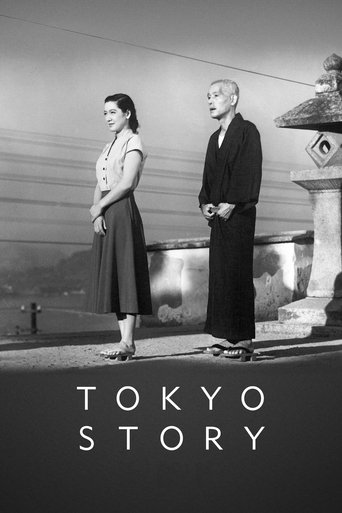
8.2The elderly Shukishi and his wife, Tomi, take the long journey from their small seaside village to visit their adult children in Tokyo. Their elder son, Koichi, a doctor, and their daughter, Shige, a hairdresser, don't have much time to spend with their aged parents, and so it falls to Noriko, the widow of their younger son who was killed in the war, to keep her in-laws company.
Tokyo Story
1953
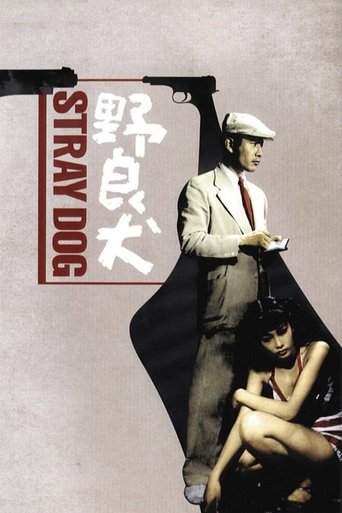 7.6
7.6A bad day gets worse for young detective Murakami when a pickpocket steals his gun on a hot, crowded bus. Desperate to right the wrong, he goes undercover, scavenging Tokyo’s sweltering streets for the stray dog whose desperation has led him to a life of crime. With each step, cop and criminal’s lives become more intertwined and the investigation becomes an examination of Murakami’s own dark side.
Stray Dog
1949
Film credits
1980s · 3 titles
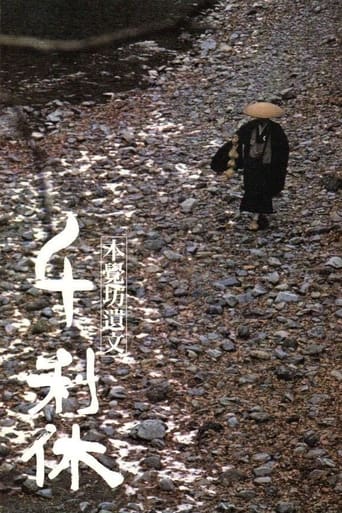 5.6
5.6Years after the death of legendary tea master Rikyu, his disciple Honkakubo attempts to resolve the mystery of the master's death.
Death of a Tea Master
1989
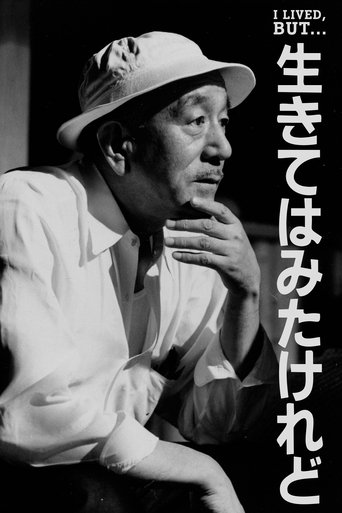 6.8
6.8An extremely lovely tribute to Ozu, on the 20th anniversary of his death. It uses a combination of footage from vintage films and new material (both interviews and Ozu-related locations) shot by Ozu's long-time camera-man (who came out of retirement to work on this). Surprisingly (or perhaps not), it focuses less on Ozu's accomplishments as a film-maker than on his impact on the lives of the people he worked with..
I Lived, But...
1983
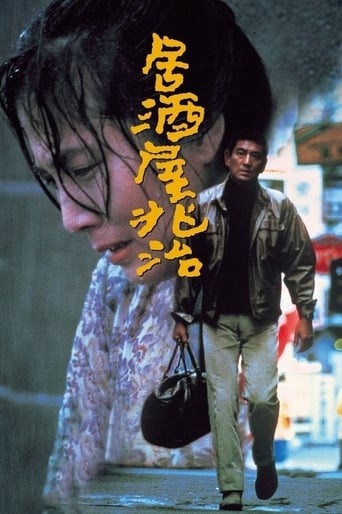 7.2
7.2Eiji lives a quiet life running a small Izakaya with his wife. He spends his days cooking for and serving the lively residents of his small hometown.
Choji Snack Bar
1983
1970s · 3 titles
7.2In the summer of 1941, the United States and Japan seem on the brink of war after constant embargos and failed diplomacy come to no end. "Tora! Tora! Tora!", named after the code words used by the lead Japanese pilot to indicate they had surprised the Americans, covers the days leading up to the attack on Pearl Harbor, which plunged America into the Second World War.
Tora! Tora! Tora!
1970
 7.8
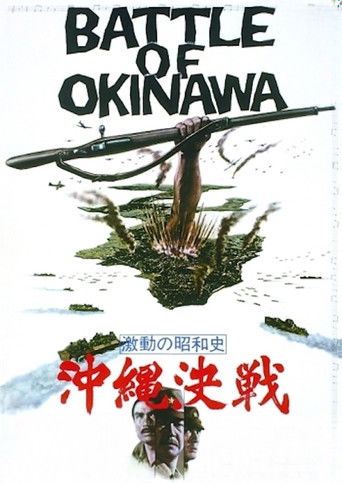
7.8The Americans are swiftly closing on Okinawa, an island just south of the Japanese mainland. The Imperial command sends top generals and several army divisions to defend it at all costs. The mission quickly degenerates as vital resources and troops are diverted to other islands. After a civilian evacuation ends in tragedy most of non-combatants are forced to remain on the island. Many convert to soldier status. Tokyo sends mixed messages that squander time and resources, as when they order the defenders to build an airstrip for aircraft that never come. The truth soon becomes obvious: the high command decides that the island cannot be held and effectively abandons the Okinawan defenders. When the Americans land many troops are deployed in the wrong places. As the slaughter mounts, a suicidal attitude takes hold. Okinawa becomes a death trap, for civilian volunteers and non-combatants as well.
The Battle of Okinawa
1971
 6.2
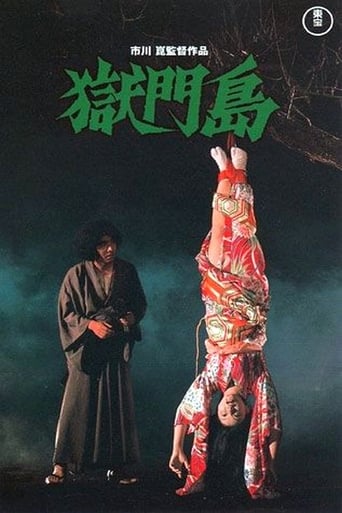
6.2A scruffy detective investigates the murders of three sisters on a small Japanese island in 1946.
Island of Hell
1977
1960s · 25 titles
8.4A Yokohama shoe executive faces a wrenching choice when kidnappers mistakenly seize his chauffeur’s son but demand the ransom anyway.
High and Low
1963
8.2Aspiring to an easy job as personal physician to a wealthy family, Noboru Yasumoto is disappointed when his first post after medical school takes him to a small country clinic under the gruff doctor Red Beard. Yasumoto rebels in numerous ways, but Red Beard proves a wise and patient teacher. He gradually introduces his student to the unglamorous side of the profession, ultimately assigning him to care for a prostitute rescued from a local brothel.
Red Beard
1965
 8.1
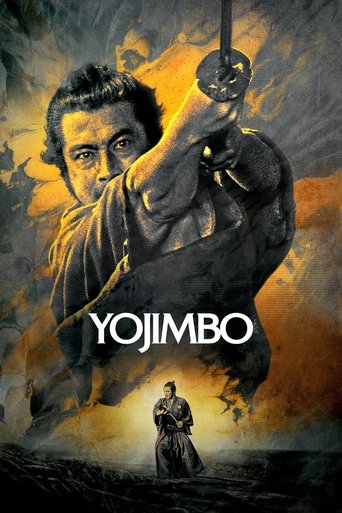
8.1A nameless ronin, or samurai with no master, enters a small village in feudal Japan where two rival businessmen are struggling for control of the local gambling trade. Taking the name Sanjuro Kuwabatake, the ronin convinces both silk merchant Tazaemon and sake merchant Tokuemon to hire him as a personal bodyguard, then artfully sets in motion a full-scale gang war between the two ambitious and unscrupulous men.
Yojimbo
1961
 7.9
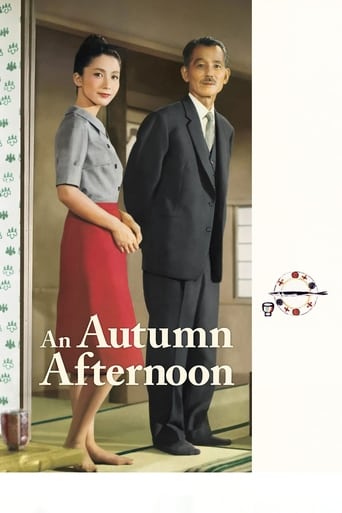
7.9Widower Shuhei Hirayama's caretaker is his 24-year-old daughter, Michiko. Gradually, he comes to realize that Michiko should not be obliged to look after him for the rest of his life, so he arranges a marriage for her.
An Autumn Afternoon
1962
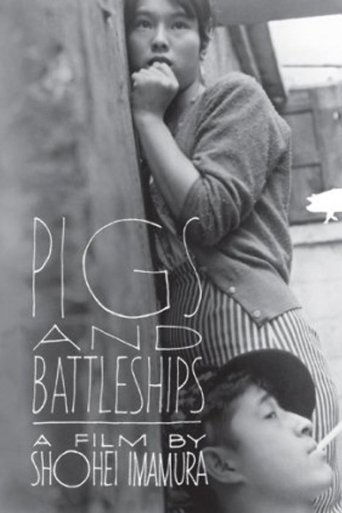 7.1
7.1In the city of Yokosuka, Kinta and his lover Haruko, both involved with yakuza, brave the post-occupation period with a goal to be together.
Pigs and Battleships
1961
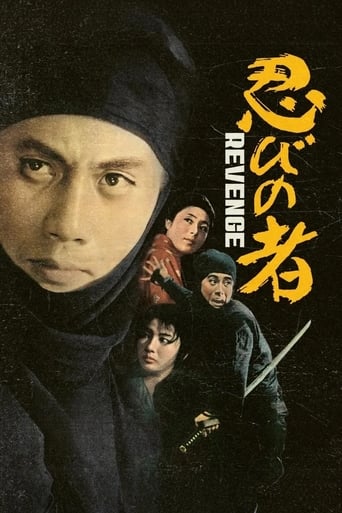 6.9
6.9[Period covered: 1582-1594]. As the film opens, the warlod Nobunaga Oda rides to Iga Ayanokuni shrine. He is asked if he thinks he has destroyed all the ninja who opposed him and answers that he suspects that there may be more. A servant brings water and tests it first. The paige dies and we hear gunshots as two ninja flee the scene. His suspicions confirmed, Nobunaga oversees the execution of captured ninja and decides that, in the future, he needs a much crueler method of execution. The daimyo Hideyoshi comes to visit.
Shinobi no Mono 2: Vengeance
1963
 7.5
7.5A guilt-haunted samurai warrior attempts to stop a massacre taking place.
Goyokin
1969
 6.4
6.4With her family suffering from extreme poverty, Yuko, as the eldest daughter, is sold to a successful brothel in Kyoto. There she is assigned to serve Takamatsu, one of the brothel’s top customers. But while Takamatsu falls madly in love with Yuko, she finds herself attracted to a young priest named Kunugida. Torn by jealousy, Takamatsu hatches an evil plan to tear them apart.
A House in the Quarter
1963
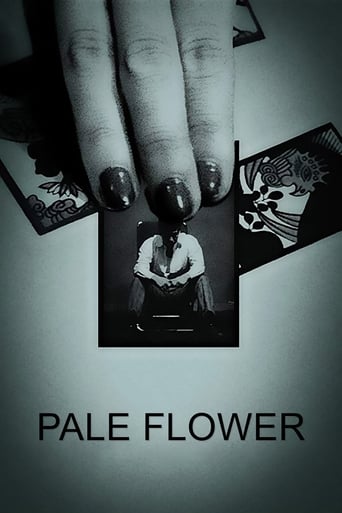 7.4
7.4A recently released gangster has to cope with the recent shifts of power between gangs, while taking care of a thrill-seeking young woman, who got in bad company while gambling.
Pale Flower
1964
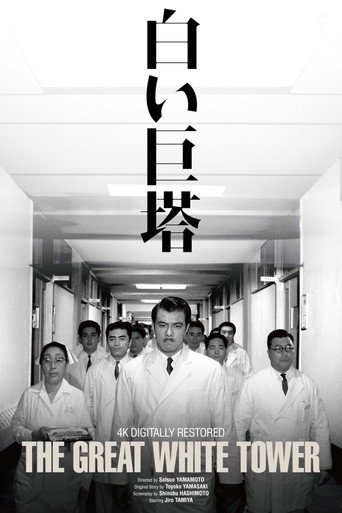 7.3
7.3The story contrasts the life of two doctors, former classmates and now both assistant professors at Naniwa University Hospital in Osaka. The brilliant and ambitious surgeon Goro Zaizen stops at nothing to rise to a position of eminence and authority, while the friendly Shuji Satomi busies himself with his patients and research.
The Great White Tower
1966
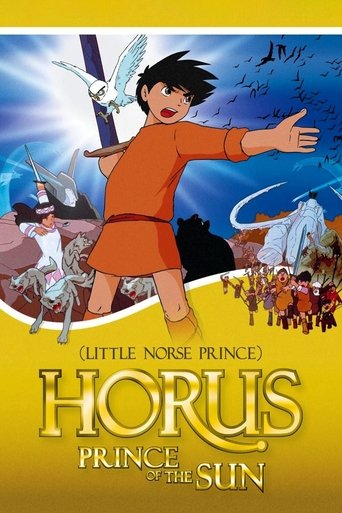 6.4
6.4Young Horus lives in a mythical Scandinavia of the Iron Age. Recovering the stolen Sword of the Sun from a rock giant, he learns he must travel to the lands of his ancestors, encountering the beautiful but enigmatic Hilda as his journey leads to a series of adventures.
Horus: Prince of the Sun
1968
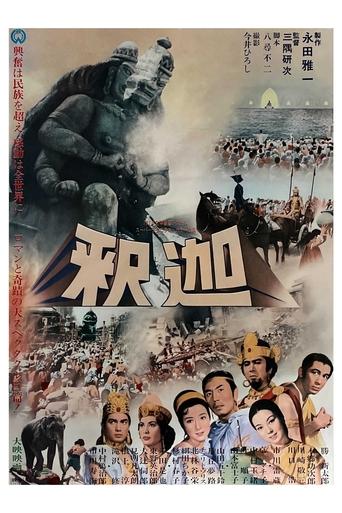 10.0
10.0An Indian prince leaves his world of comfort and riches behind to wander and meditate for six years in search of spiritual enlightenment. Siddartha (Cojoin Hong) turns his back on the old religion when people are starving needlessly and holy rituals include human sacrifices. During his meditations, he is tempted by erotic dancing women, demons, and the evil machinations of his criminal cousin. Devastate to attain the spiritual perfection and become the Buddha. He travels to convert followers by his kindness and wisdom, gaining a multitude of believers when he stops an elephant from crushing a local priest. Buddha of course goes on to become one of the great religious leaders of the world.
Buddha
1961
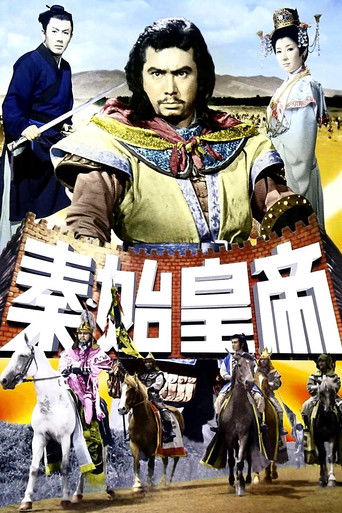 7.0
7.0In 221 BC, Qin Shihuangdi conquered the rest of China. Qin's great accomplishments and also his serious faults are showed in this film. Qin adopted autocratic dictatorship and led a luxurious life: abolition of feudalism and the centralization of power in the form of a now-hereditary bureaucracy loyal to himself; burning books and burying scholars; the construction of a sumptuous palace for his concubines and also the Great Wall.
The Great Wall
1962
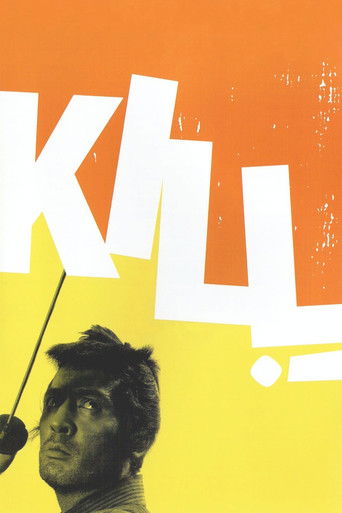 7.0
7.0A pair of down-on-their-luck swordsmen arrive in a dusty, windblown town, where they become involved in a local clan dispute. One, previously a farmer, longs to become a noble samurai. The other, a former samurai haunted by his past, prefers living anonymously with gangsters. But when both men discover the wrongdoings of the nefarious clan leader, they side with a band of rebels who are under siege at a remote mountain cabin.
Kill!
1968
 7.3
7.3Japan, 1860. The men of the Mito clan, victims of the Ansei purge, anxiously prowl around the Sakurada Gate of Edo Castle with the intention of assassinating Naosuke Ii of Hikone, tairō of the Tokugawa shogunate and responsible for their misfortune.
Samurai Assassin
1965
 7.0
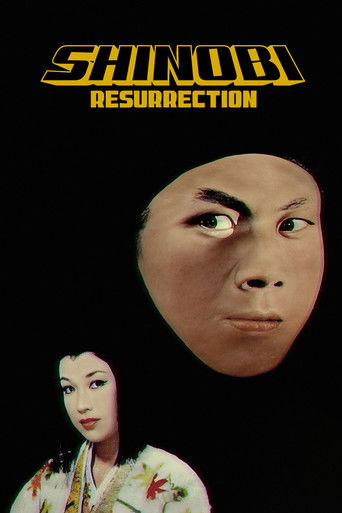
7.0[Period covered: 1595-1600] We last saw ninja Ishikawa Goemon, as he was about to be boiled alive. But a good ninja is both hard to find, and even harder to kill. With the help of the enigmatic Hattori Hanzo, Goemon lives to skulk another day, and sets his sights on bringing down the warlord who tried to turn him into soup – Toyotomi Hideyoshi. And as always, in the background, the suble hand of Tokugawa Ieyasu is pulling strings as he plots to rule all of Japan!
Shinobi no Mono 3: Resurrection
1963
 7.1
7.1In the fourth installment, Musashi's potentially greatest opponent Kojiro jumps in and out of the story at the oddest and most coincidental moments. As his great love Otsu has succumbed to madness. Musashi then sets off to beat the functionaries of a treacherous clan in an arranged duel. 73 against one. Boastful Kojiro watches, secure in the knowledge that only he is a worthy opponent.
Miyamoto Musashi IV: The Duel at Ichijo-ji Temple
1964
 6.8
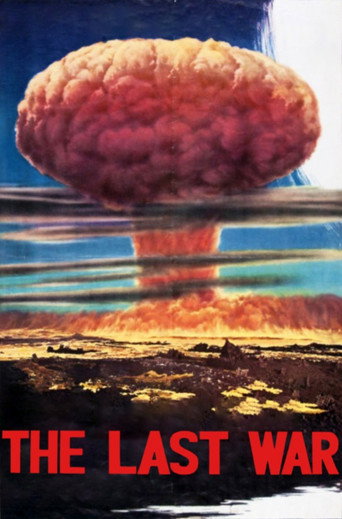
6.8A Japanese family is torn apart by the tensions of an avoidable nuclear world war between the superpowers.
The Last War
1961
 NR
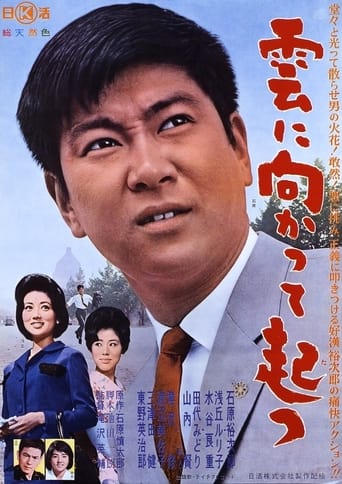
NRA rookie newspaper journalist, Takema Sakaki, has a strong sense of justice. In the Diet Building he gets acquainted with a library worker, Reiko Nakafuji. Reiko's father was a member of the Diet who was assassinated six years ago. Through Reiko, Takema joins Tsūkai-kai, a group of young people who respect her late father's political ideas. With the assistance of Tsukai-kai, Takema eventually uncovers the political scandal related to postwar compensation which led to the murder of Reiko's father.
Facing to the Clouds
1962
 6.2
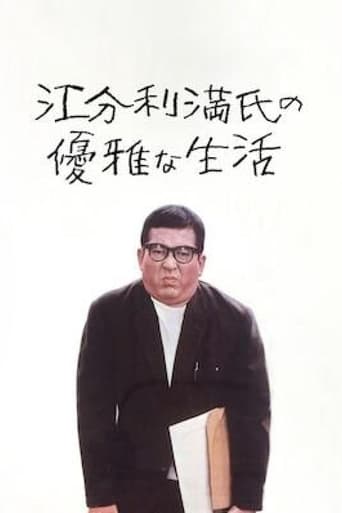
6.2An intoxicated man promises two magazine editors that he will write a masterpiece. Once he sobers up, he commits to his promise and writes a story based on his life.
The Elegant Life of Mr. Everyman
1963
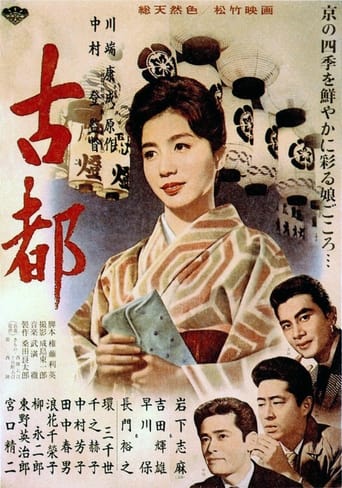 6.5
6.5In this Japanese drama, a dry goods merchant's daughter is surprised to discover that she has a twin sister. In rural Japan it was thought that twins bring bad luck, so the sister was abandoned at birth. Later her parents tell her that her sister was kidnapped. The woman doesn't believe this and when she eventually meets her twin, both women are involved in love affairs. The merchant's daughter is seeing an educated fellow. Trouble ensues when she begins suspecting that he may be more interested in her sister.
Twin Sisters of Kyoto
1963
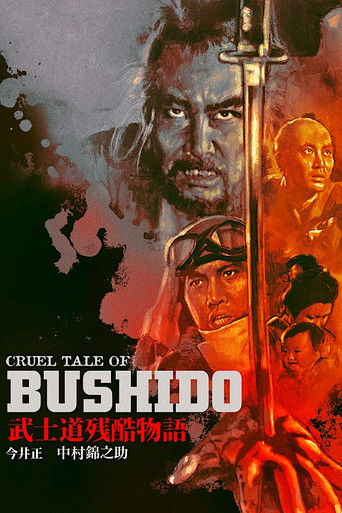 6.7
6.7After a salary-man's fiancée attempts suicide, he recounts his gruesome family history which saw generations of his ancestors suffer and sacrifice themselves for the sake of their cruel lords.
Bushido: The Cruel Code of the Samurai
1963
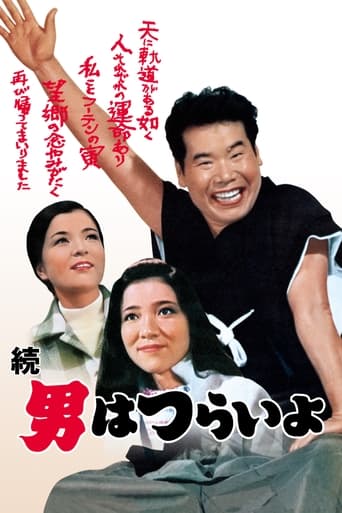 6.8
6.8Kuruma Torajiro is discovered looking around Kyoto for someone special to him.
Tora-san's Cherished Mother
1969
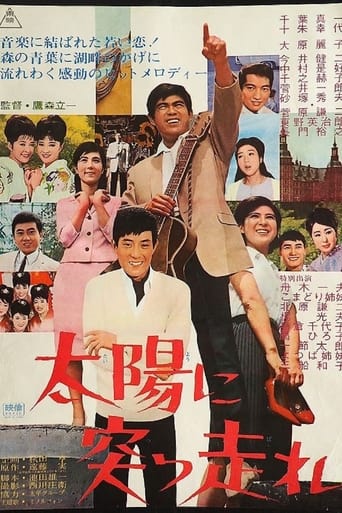 NR
NRA song drama based on the autobiographical song "The sun is laughing" by composer Endo Minoru. It tells the story of a young man who moves to Tokyo with a big dream of becoming a composer, and despite the unfamiliar city life, sticks to his original intentions with the gentle encouragement of his young wife, and takes the music world by storm.
Dash to the Sun
1966
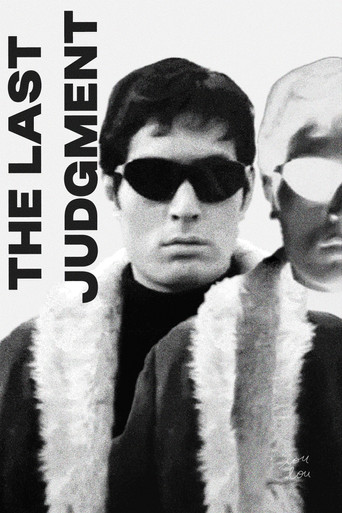 8.3
8.3Driven by greed and a desire for his cousin's wife, Jiro orchestrates a complex frame-up to have his cousin arrested for murder.
The Last Judgment
1965
1950s · 26 titles
8.5A samurai answers a village's request for protection after he falls on hard times. The town needs protection from bandits, so the samurai gathers six others to help him teach the people how to defend themselves, and the villagers provide the soldiers with food.
Seven Samurai
1954
8.2The elderly Shukishi and his wife, Tomi, take the long journey from their small seaside village to visit their adult children in Tokyo. Their elder son, Koichi, a doctor, and their daughter, Shige, a hairdresser, don't have much time to spend with their aged parents, and so it falls to Noriko, the widow of their younger son who was killed in the war, to keep her in-laws company.
Tokyo Story
1953
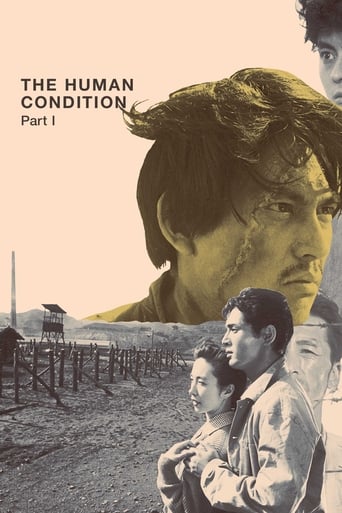 8.2
8.2After handing in a report on the treatment of Chinese colonial labor, Kaji is offered the post of labour chief at a large mining operation in Manchuria, which also grants him exemption from military service. He accepts and moves with his newlywed wife Michiko, but when he tries to put his ideas of more humane treatment into practice, he finds himself at odds with scheming officials, cruel foremen, and the military police.
The Human Condition I: No Greater Love
1959
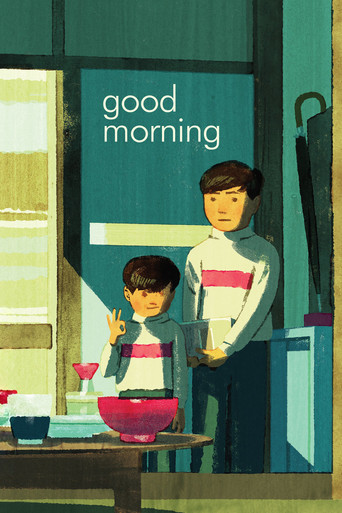 7.7
7.7Two boys beg their parents for a television set, nagging them until all patience is lost. The parents order the boys to be quiet and the boys do exactly that--refusing to utter a word. The boys' silence ultimately puts the whole neighborhood into turmoil.
Good Morning
1959
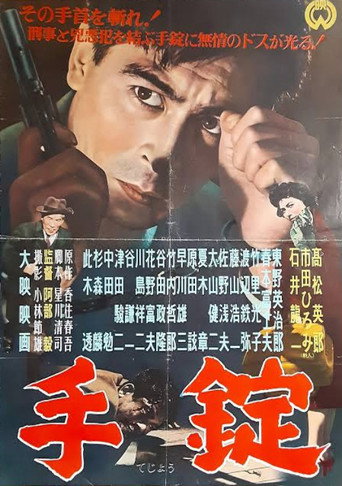 NR
NRAn elderly detective and a young detective fall into a trap set by a gang of vicious robbers while escorting a suspect to the Metropolitan Police Department.
Handcuffs
1958
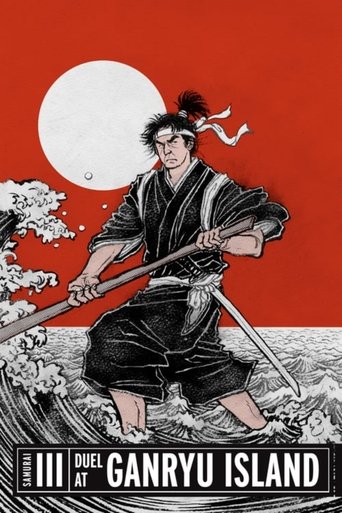 7.2
7.2A humble and simple Takezo abandons his life as a knight errant. He's sought as a teacher and vassal by Shogun, Japan's most powerful clan leader. He's also challenged to fight by the supremely confident and skillful Sasaki Kojiro. Takezo agrees to fight Kojiro in a year's time but rejects Shogun's patronage, choosing instead to live on the edge of a village, raising vegetables. He's followed there by Otsu and later by Akemi, both in love with him. The year ends as Takezo assists the villagers against a band of brigands. He seeks Otsu's forgiveness and accepts her love, then sets off across the water to Ganryu Island for his final contest.
Samurai III: Duel at Ganryu Island
1956
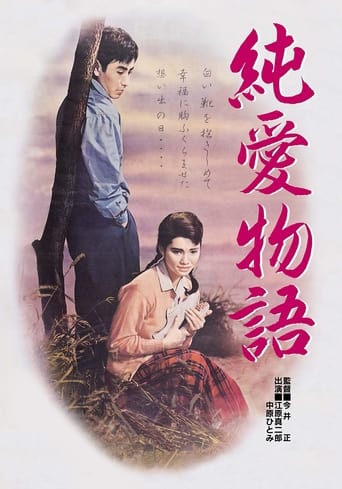 6.8
6.8Junai Monogatari AKA Story of Pure Love is about two poor youths, Mitsuko and Kando, rebelling against society in various ways, who are desperately trying to be together despite tortuous circumstances. The film depicts their lives as thieves, menial laborers who can get little pay, society outcasts, and of course, lovers. Junai Monogatari depicts, mostly, their struggles within the Japanese reformatory system and Mitsuko's worsening sickness.
The Story of Pure Love
1957
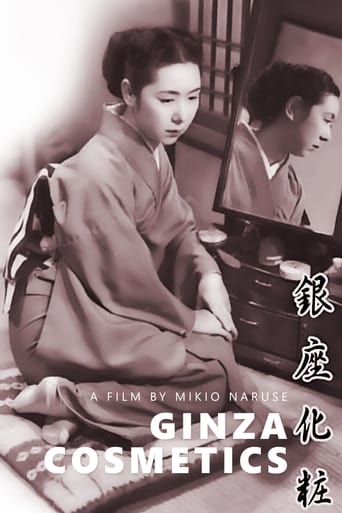 6.5
6.5A few days in the life of a quiet geisha, single mother of a smart young boy, in the lively Tokyo quarter of Ginza. A woman devoted to others' needs, she'll end by taking part herself in one of the many disguises of Ginza.
Ginza Cosmetics
1951
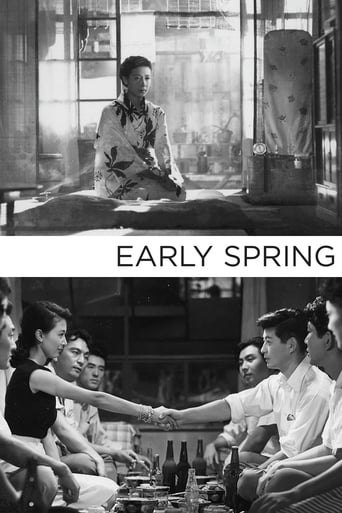 7.5
7.5A young salaryman and his wife struggle within the confines of their passionless relationship while he embarks on an extramarital affair.
Early Spring
1956
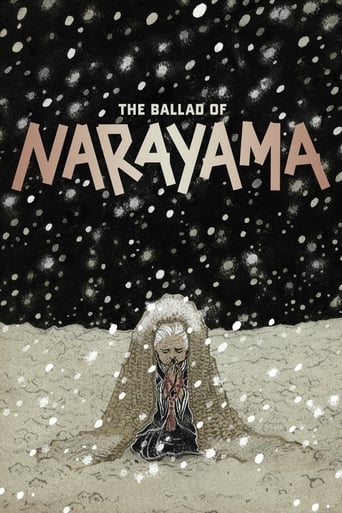 7.6
7.6In a remote village where food is scarce, elders who reach the age of 70 are carried by their children to the top of a nearby mountain to die in solitude. Orin, a vibrant 69-year-old grandmother, has accepted her fate — but struggles to prepare the rest of her family for the ritual.
The Ballad of Narayama
1958
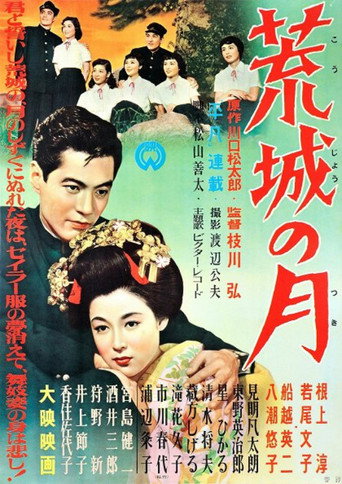 NR
NRNo synopsis available yet.
The Moon Over the Ruined Castle
1954
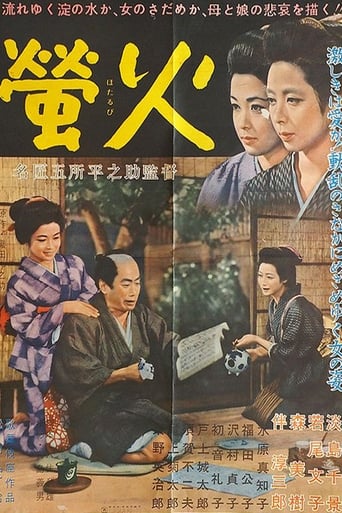 9.0
9.0Set in the 1860s, the final years of the Tokugawa Shogunate, The Fireflies focuses on Tose (Awashima Chikage), the mistress of the Teradaya, a small inn in the Kyoto suburb of Fushimi. She does not have an easy life. Her husband, Isuke (Ban Junzaburo), is a wastrel who fancies himself a kabuki singer and who is obsessed with cleanliness. Her mother-in-law, Sada (Miyoshi Eiko) dislikes her because of her humble origins (her family are farmers) and because she fears that she will inherit the inn instead of Sugi, her daughter. Sada's hopes for Sugi, however, are dashed when she runs off with a con artist and leaves her child behind for Tose to take care of. When Sada becomes seriously ill, it is Tose who nurses her. On her deathbed, Sada asks her daughter-in-law's forgiveness. Meanwhile Isuke spends most of his time with a mistress he has taken, forcing Tose to manage the inn by herself
Firefly Light
1958
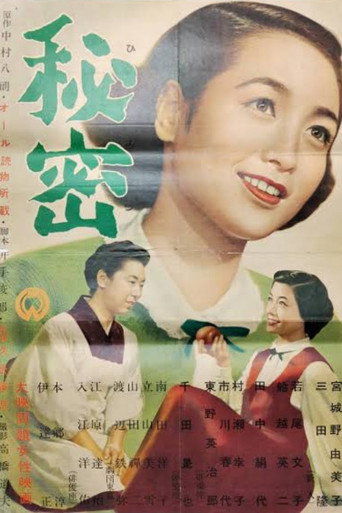 8.0
8.0No synopsis available yet.
Her Secret
1952
 7.1
7.1Residents of a rundown boardinghouse in 19th-century Japan, including a mysterious old man and an aging actor, get drawn into a love triangle that turns violent. When amoral thief Sutekichi breaks off his affair with landlady Osugi to romance her younger sister, Okayo, Osugi extracts her revenge by revealing her infidelity to her jealous husband.
The Lower Depths
1957
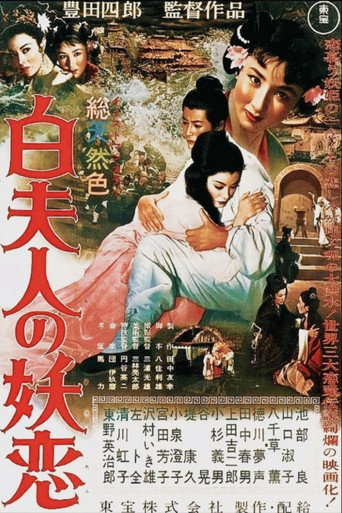 6.1
6.1Lavish Japanese-Chinese coproduction based on an ancient Chinese legend about a man who falls in love with a snake goddess in human form.
The Legend of the White Serpent
1956
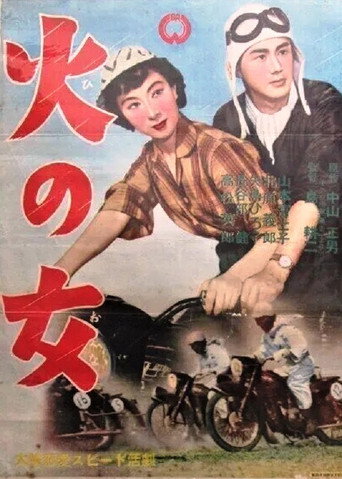 NR
NRNo synopsis available yet.
Woman of Fire
1954
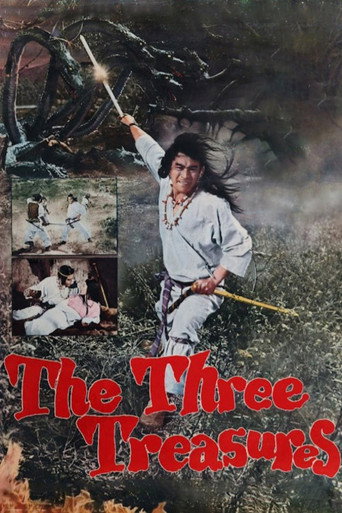 5.5
5.5The legend of the birth of Shintoism. In Fourth Century Japan, the Emperor's son Ouso expects to succeed his father on the throne, but Otomo, the Emperor's vassal, prefers Ouso's stepbrother, and conspires to have Ouso die on a dangerous mission he has contrived. But Ouso prevails in the mission and returns to his father's castle under a new name, Prince Yamato Takeru. Otomo plots to have the Prince sent into even greater danger, but Otomo is unaware that the gods have favored the Prince and the outcome is far from what any of them expected.
The Three Treasures
1959
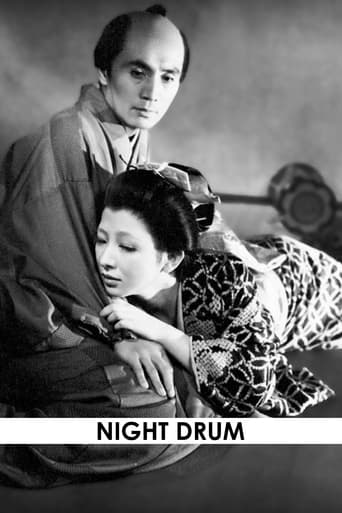 5.9
5.9Following a yearlong attendance upon his shogun in Edo, samurai Hikokuro makes a long-awaited return to his home and doting wife, Dane. Initially greeted by the effusive welcome of his family, spiteful whispers also reach his ear about an adulterous affair carried on, in his long absence, between his wife and a famous drummer. With Hikokuro’s honor imperiled by rumor, his family insists on a formal investigation into the veracity of the gossip. Through the combined testimony of many witnesses, a tale unwinds around the visits of a traveling musician hired to tutor the family heir, the spurned attentions of the man who started the rumor, and the ultimate truth behind the accusations. The conclusion of events prove as much an indictment of bushidō as it is of the reluctant parties involved. Adapted from a 1706 play by Chikamatsu Monzaemon and based on a true case.
Night Drum
1958
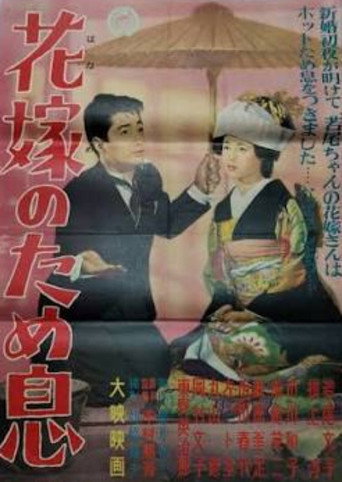 NR
NRNo synopsis available yet.
Hanayome no tameiki
1956
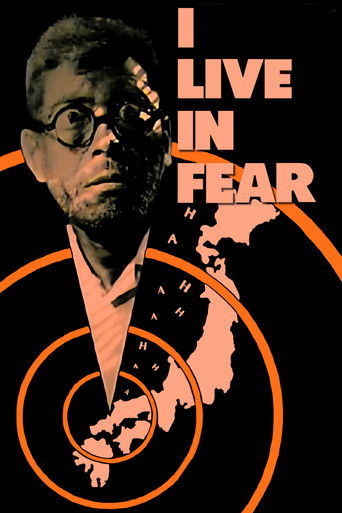 7.3
7.3An aging foundry patriarch, gripped by terror of nuclear annihilation, tries to uproot his family to Brazil. When they petition to have him declared incompetent, a family-court counselor witnesses his obsession slide into ruin—and asks whether ignoring the atomic threat is any saner.
I Live in Fear
1955
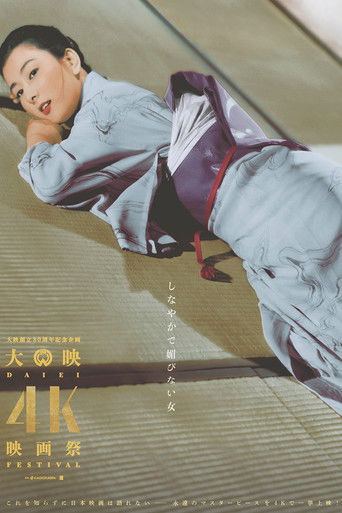 6.2
6.2In Kyoto a young kimono maker with traditional ideas gets involved with a married professor.
Undercurrent
1956
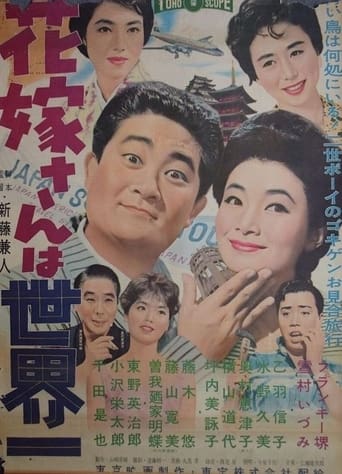 9.0
9.0A young Japanese-American comes from California looking for a bride, going on blind dates with three candidates from Osaka, Hiroshima and Nagoya.
The Bride from Japan
1959
 7.2
7.2After years on the road establishing his reputation as Japan's greatest fencer, Takezo returns to Kyoto. Otsu waits for him, yet he has come not for her but to challenge the leader of the region's finest school of fencing. To prove his valor and skill, he walks deliberately into ambushes set up by the school's followers.
Samurai II: Duel at Ichijoji Temple
1955
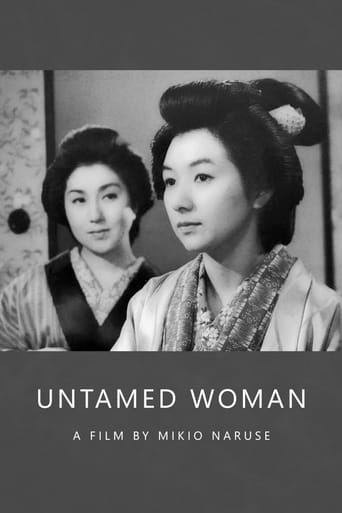 7.5
7.5A woman marries, gives birth to a stillborn child, and divorces, falls in love with a hotel-keeper, only to find herself subordinated to his drive for success, takes up with a tailor who cannot console himself with her strong personality.
Untamed Woman
1957
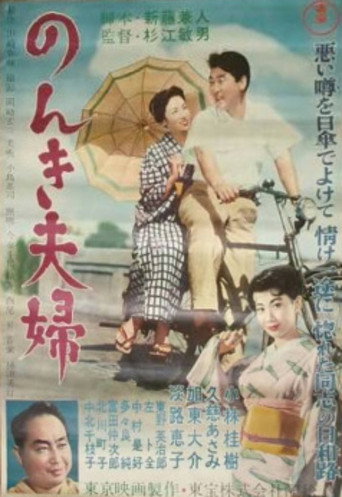 NR
NRNo synopsis available yet.
Easy-Going Married Couple
1956
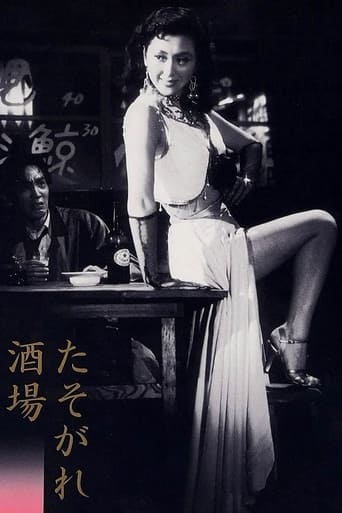 8.0
8.0Inside a bustling postwar Tokyo beer hall, a diverse group of patrons, performers, and workers spend a single evening navigating their personal frustrations and social anxieties. A disillusioned professor, a struggling artist, and various laborers find their lives intersecting through chance encounters and heated arguments fueled by drink.
Twilight Saloon
1955
1940s · 3 titles
7.6A bad day gets worse for young detective Murakami when a pickpocket steals his gun on a hot, crowded bus. Desperate to right the wrong, he goes undercover, scavenging Tokyo’s sweltering streets for the stray dog whose desperation has led him to a life of crime. With each step, cop and criminal’s lives become more intertwined and the investigation becomes an examination of Murakami’s own dark side.
Stray Dog
1949
 6.0
6.0In the Meiji period, a schoolteacher tries to hide his lower-class upbringing as he supports a visiting liberal intellectual.
Apostasy
1948
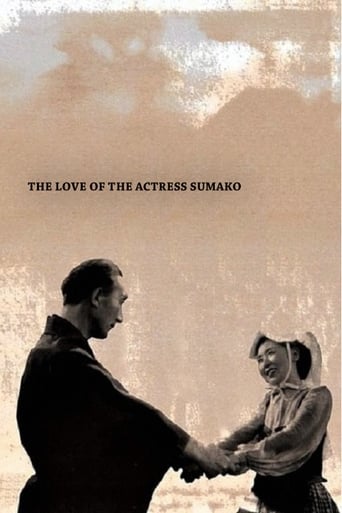 7.0
7.0Stage director Shimamura, who is bringing western theatre to Japan, falls in love with outspoken actress Sumako Matsui, and leaves his family to be with her, while trying to keep his Art Theatre solvent.
The Love of the Actress Sumako
1947