
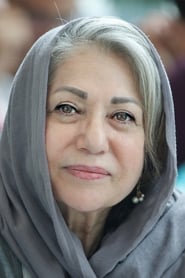
Directing
Rakhshan Banietemad
Born
1954-04-04 (72)
Place of birth
Tehran, Iran
Known for
Directing
Credits
45 titles
Rakhshan Banietemad is a director who was born in 1954 in Tehran, Iran. She started her career in cinema and starred as a director in “Kharej az Mahdoodeh” in 1987. She has won a lot of awards such as the Crystal Simorgh of Best Director for “Narges”, Best Script Award and Best Second Role Actress for “The Blue-Veiled”, the Crystal Simorgh of Best Script for “The May Lady” from Fajr Film Festival. Her other activities are “Mainline” and “Tales”.
Known for
 NR
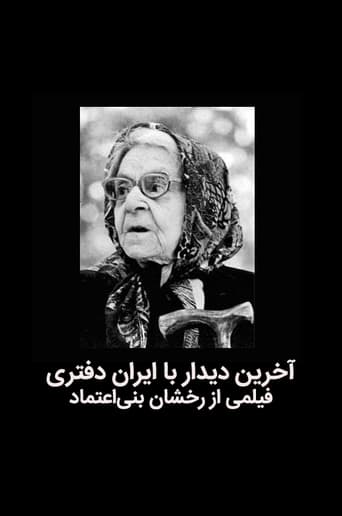
NRA documentary about life and career of an eighty-year-old Iranian actress, Iran Daftari.
The last meeting with Iran Daftari
1995
 6.5
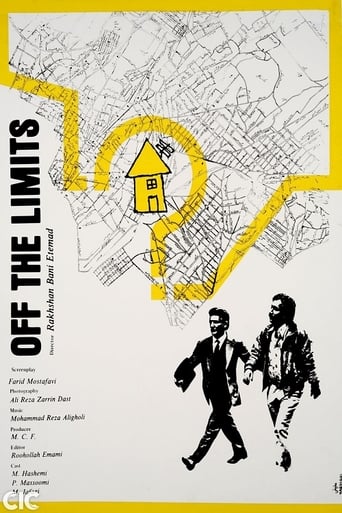
6.5Mohammad Javad Halimi is a simple government's employer who manages after years to buy a house for himself outside the city's limits. But in the second night in his new house a thief is coming to his house. He manages to catch the thief but delivering him to the authorities is another story.
Off-Limits
1986
Sebastian, a Dutch man, runs a hotel in Yazd. He is interested in Iran and has made this his second home.
The Second Home
2008
 5.0
5.0A documentary dealing with the life of Ahmadreza Ahmadi, an Iranian Poet.
A Good Time for Tragedy
2005
 7.1
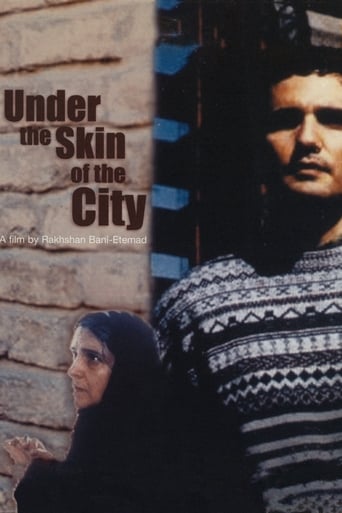
7.1Tuba works daily at a grueling textile factory in Iran, returning home every night to deal with the rest of her problematic family, which includes: a pregnant daughter whose husband beats her regularly; a teenage son, who's been getting into trouble due to his burgeoning career in radical politics; and an older son who goes to great lengths--such as attempting to sell the family's meager house--in order to get an engineering job in Japan as a means of getting out of Iran.
Under the Skin of the City
2005
 NR
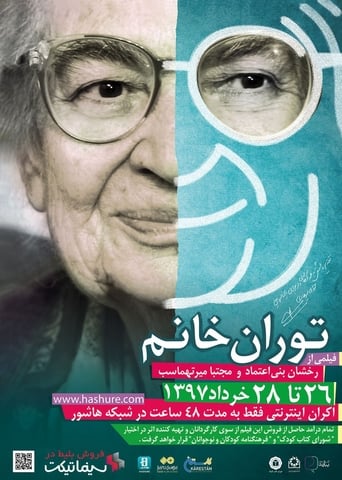
NRTouran Mirhadi (Khomarloo) is the founder of Farhad School, the Children's Book Council, and the Encyclopedia for Young People. She was also actively involved with close to 20 other institutions dealing with child development and education and supported the formation of dozens of others. She is known as the preeminent architect of childhood institution and the mother of modern education in Iran. This film follows the efforts and preoccupations of Ms. Touran Mirhadi in the last four years of her life. It shows how she strove to enrich the field of child education in Iran to the age of 89, always maintaining that peace was to be cultivated at childhood.
Touran khanom
2018
Film credits
2010s · 2 titles
 NR
NRRight at the heart of the debates on the discrimination of women in the film industry, this documentary raises questions, while offering a voice to women and their cinema. Catherine Breillat, Claire Denis, Mira Nair, Margarethe Von Trotta, Ulrike Ottinger, Micheline Lanctot, Rakshnan Bani-Etemad, María Novaro but also the names of the less visible directors of the general public. Joining the filmmakers are the voices and comments of producers, film specialists and archivists through whom our images are meticulously preserved.
Les réalisatrices contemporaines: l'état des choses
2016
 NR
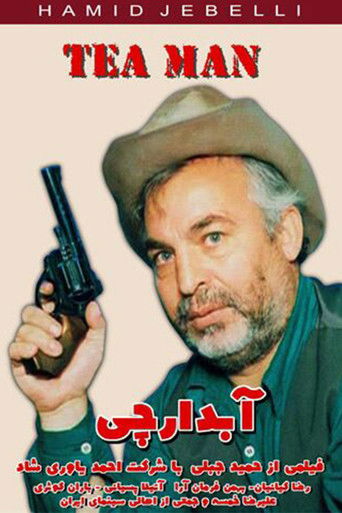
NRThis film is about the interest of a person named Ahmed in cinema. Ahmed has been very interested in cinema since his childhood. He started working in cinema as a teenager because of his interest. Ahmed is currently a famous tea man in Iranian cinema.
Tea Man
2011
2000s · 1 titles
Behind the camera
NRA documentary about life and career of an eighty-year-old Iranian actress, Iran Daftari.
The last meeting with Iran Daftari
1995
6.5Mohammad Javad Halimi is a simple government's employer who manages after years to buy a house for himself outside the city's limits. But in the second night in his new house a thief is coming to his house. He manages to catch the thief but delivering him to the authorities is another story.
Off-Limits
1986
Sebastian, a Dutch man, runs a hotel in Yazd. He is interested in Iran and has made this his second home.
The Second Home
2008
7.1Tuba works daily at a grueling textile factory in Iran, returning home every night to deal with the rest of her problematic family, which includes: a pregnant daughter whose husband beats her regularly; a teenage son, who's been getting into trouble due to his burgeoning career in radical politics; and an older son who goes to great lengths--such as attempting to sell the family's meager house--in order to get an engineering job in Japan as a means of getting out of Iran.
Under the Skin of the City
2005
7.1Tuba works daily at a grueling textile factory in Iran, returning home every night to deal with the rest of her problematic family, which includes: a pregnant daughter whose husband beats her regularly; a teenage son, who's been getting into trouble due to his burgeoning career in radical politics; and an older son who goes to great lengths--such as attempting to sell the family's meager house--in order to get an engineering job in Japan as a means of getting out of Iran.
Under the Skin of the City
2005
7.1Tuba works daily at a grueling textile factory in Iran, returning home every night to deal with the rest of her problematic family, which includes: a pregnant daughter whose husband beats her regularly; a teenage son, who's been getting into trouble due to his burgeoning career in radical politics; and an older son who goes to great lengths--such as attempting to sell the family's meager house--in order to get an engineering job in Japan as a means of getting out of Iran.
Under the Skin of the City
2005
NRTouran Mirhadi (Khomarloo) is the founder of Farhad School, the Children's Book Council, and the Encyclopedia for Young People. She was also actively involved with close to 20 other institutions dealing with child development and education and supported the formation of dozens of others. She is known as the preeminent architect of childhood institution and the mother of modern education in Iran. This film follows the efforts and preoccupations of Ms. Touran Mirhadi in the last four years of her life. It shows how she strove to enrich the field of child education in Iran to the age of 89, always maintaining that peace was to be cultivated at childhood.
Touran khanom
2018
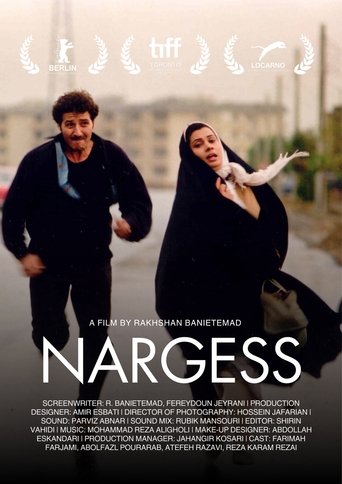 6.1
6.1A sharp-edged look at people who live outside the constraints of Islamic law.
Nargess
1992
6.1A sharp-edged look at people who live outside the constraints of Islamic law.
Nargess
1992
6.1A sharp-edged look at people who live outside the constraints of Islamic law.
Nargess
1992
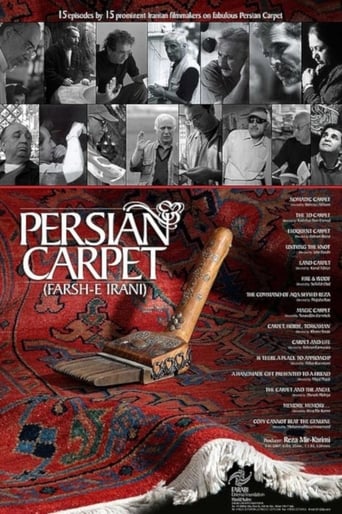 5.0
5.0Persian Carpet is an omnibus film produced by Iran's National Carpet Center and Farabi Cinema Foundation where 15 renowned Iranian directors contributed films on the subject of Persian carpet. Carpets are the reflection of the cultural and historical identity of Iran.
Persian Carpet
2007
5.0Persian Carpet is an omnibus film produced by Iran's National Carpet Center and Farabi Cinema Foundation where 15 renowned Iranian directors contributed films on the subject of Persian carpet. Carpets are the reflection of the cultural and historical identity of Iran.
Persian Carpet
2007
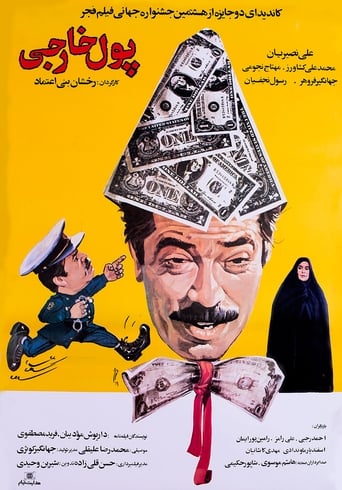 8.0
8.0Morteza Olfat is an ordinary employee who has lots of problems in his life. One day, he happens to find fifty thousand dollars. He says nothing to anyone and tries to exchange the cash.
Foreign Currency
1989
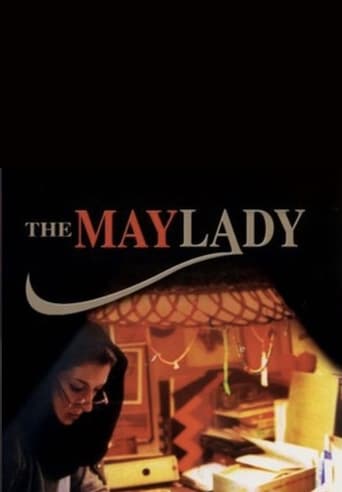 6.2
6.2Forough Kia is a film-maker who got divorced from her husband many years ago and now is living with her son Maani. She decides to make a documentary about perfect mothers. In order to do so she meets many mothers to chose the perfect mother among them. She finally decides to quit making this film because of tiredness but doctor Rahbar wants her to continue. Maani is teasing her every day preventing her from marrying doctor Rahbar but she finally decides that she wants to marry him.
The May Lady
1998
6.2Forough Kia is a film-maker who got divorced from her husband many years ago and now is living with her son Maani. She decides to make a documentary about perfect mothers. In order to do so she meets many mothers to chose the perfect mother among them. She finally decides to quit making this film because of tiredness but doctor Rahbar wants her to continue. Maani is teasing her every day preventing her from marrying doctor Rahbar but she finally decides that she wants to marry him.
The May Lady
1998
 6.5
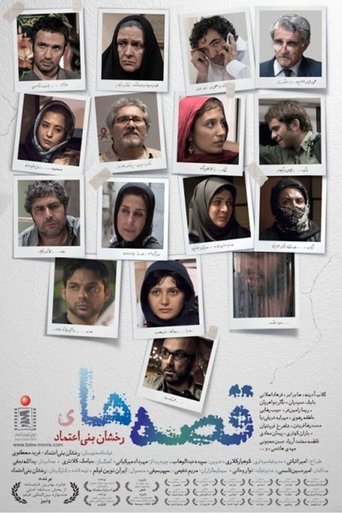
6.5Award-winning Iranian filmmaker Rakshan Banietemad ends her eight-year hiatus from feature filmmaking with this ingenious, mosaic-like narrative, which knits together the stories of seven characters to create a microcosm of Iranian working-class society.
Tales
2014
6.5Award-winning Iranian filmmaker Rakshan Banietemad ends her eight-year hiatus from feature filmmaking with this ingenious, mosaic-like narrative, which knits together the stories of seven characters to create a microcosm of Iranian working-class society.
Tales
2014
6.5Award-winning Iranian filmmaker Rakshan Banietemad ends her eight-year hiatus from feature filmmaking with this ingenious, mosaic-like narrative, which knits together the stories of seven characters to create a microcosm of Iranian working-class society.
Tales
2014
 5.3
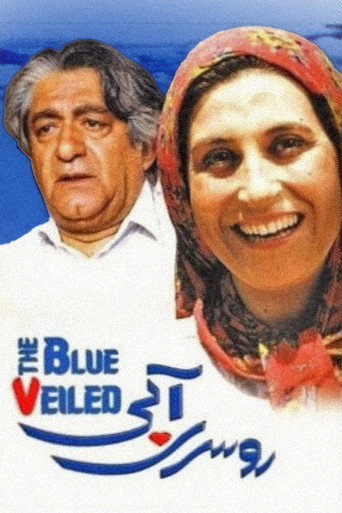
5.3An elderly owner of a tomato farm and sauce factory, after his wife's death, falls in love with one of the workers of the factory endangering his relationship with his daughters and in-laws. While everybody in the big family persuades the old man to abandon the relationship with the poor girl, the old man makes his final choice of love.
The Blue-Veiled
1995
5.3An elderly owner of a tomato farm and sauce factory, after his wife's death, falls in love with one of the workers of the factory endangering his relationship with his daughters and in-laws. While everybody in the big family persuades the old man to abandon the relationship with the poor girl, the old man makes his final choice of love.
The Blue-Veiled
1995
 6.0
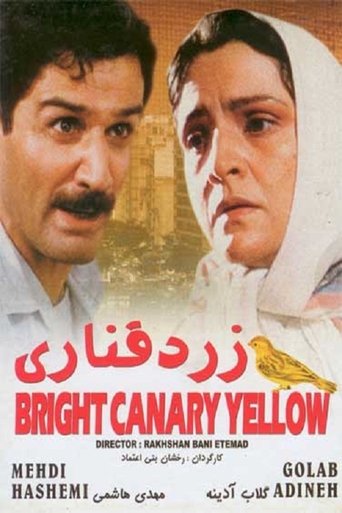
6.0After spending all his money buying a piece of land that was already sold to someone else, Nasrallah Madadi finds himself in trouble. To solve his money problems, he then decides to be the offender of fraud rather than its victim. Getting himself involved with a pair of criminals, he begins a crooked business selling a same yellow taxi to different buyers, only to steal it back from them and sell it again. In a fascinating portrayal of human nature, Canary Yellow follows Nasrallah through the ups and downs of his double-sided experience of crime. But will it all end with the better life for his family he hopes for?
Canary Yellow
1989
 6.5
6.5A mother's courage, hardship, and love, in times of war. In 1988, during the Iran-Iraq war, Gilane escorts her pregnant daughter, Maygol, from the relative calm of their village, Espili, into war-torn Tehran to search for Maygol's husband, Rahman. The journey is arduous and what they find when they reach the capital is dismaying and frightening. Fifteen years later, as another war begins in Iraq, Gillane is at home caring for her son Ismael, who suffers from epilepsy, a byproduct of war. As she cares for him, she hopes for a visit from the doctor and from another daughter, Atefah. "Better be a dog than a mother," she says.
Gilaneh
2005
6.5A mother's courage, hardship, and love, in times of war. In 1988, during the Iran-Iraq war, Gilane escorts her pregnant daughter, Maygol, from the relative calm of their village, Espili, into war-torn Tehran to search for Maygol's husband, Rahman. The journey is arduous and what they find when they reach the capital is dismaying and frightening. Fifteen years later, as another war begins in Iraq, Gillane is at home caring for her son Ismael, who suffers from epilepsy, a byproduct of war. As she cares for him, she hopes for a visit from the doctor and from another daughter, Atefah. "Better be a dog than a mother," she says.
Gilaneh
2005
Renowned Iranian director Rakhshan Banietemad presents Lords of the Secrets, a visual album featuring maestro Homayoun Shajarian, Sohrab Pournazeri, and the Siavash Ensemble. The film captures a live concert blending classical Persian poetry with traditional music.
The Lord of The Secrets
—
The emergence of the Coronavirus disease in late 2019 and its rapid spread throughout the world in 2020 made an indelible impact upon countless lives, transforming so many in a multitude of ways. This profoundly personal narrative details the efforts of a documentary filmmaker to portray the lives of six characters in quarantine and how it affects them. There is also the filmmaker’s own personal situation – he cannot go to his wife because of the curfew imposed by the government. Through this, he finds common ground with his subjects.
Narratives ad hominem
2023
The emergence of the Coronavirus disease in late 2019 and its rapid spread throughout the world in 2020 made an indelible impact upon countless lives, transforming so many in a multitude of ways. This profoundly personal narrative details the efforts of a documentary filmmaker to portray the lives of six characters in quarantine and how it affects them. There is also the filmmaker’s own personal situation – he cannot go to his wife because of the curfew imposed by the government. Through this, he finds common ground with his subjects.
Narratives ad hominem
2023
 NR
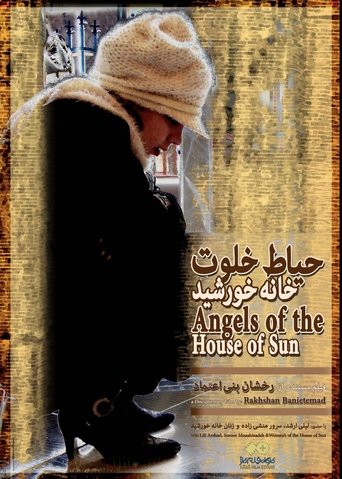
NRAngels in the House of Sun remains one of Rakhshan Banietemad’s most articulate critiques of the treatment of women in contemporary Iranian society. Male-on-female violence is an all-too-common occurrence in Iran. It’s part of a wider exploration of gender imbalance that permeates so much of Banietemad’s work. Here, the filmmaker journeys into the backstreets of one of the poorer districts of Tehran, to a shelter where women can find safety, community and a sense of belonging with others who understand their situation – whose lives have been marked by suffering and humiliation.
Angels of the House of Sun
2009
NRAngels in the House of Sun remains one of Rakhshan Banietemad’s most articulate critiques of the treatment of women in contemporary Iranian society. Male-on-female violence is an all-too-common occurrence in Iran. It’s part of a wider exploration of gender imbalance that permeates so much of Banietemad’s work. Here, the filmmaker journeys into the backstreets of one of the poorer districts of Tehran, to a shelter where women can find safety, community and a sense of belonging with others who understand their situation – whose lives have been marked by suffering and humiliation.
Angels of the House of Sun
2009
 NR
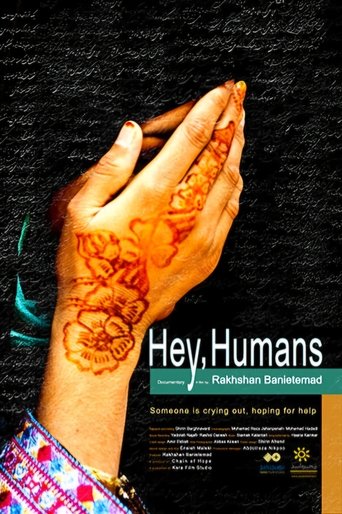
NRA compassionate portrait of the Chain of Hope charity organisation, which treats underprivileged children from all over Iran.
Hey, Humans
2016
 8.0
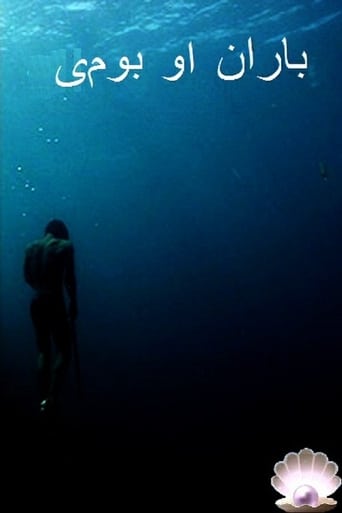
8.0Aboard the top deck of a cruise ship, Baran, a young wealthy girl, notices a native boy who is dancing joyfully to beating drums. Baran arrives at a plush hotel on the mainland, however she seems somewhat disconsolate. Later she finds the native boy again and they begin to bond, playfully exploring the beach resort together. Later, the two go aboard a row-boat and the native dives down into the water to collect a pearl from the seabed for her. However, the ending leaves the audience to wonder if he was a figment of Baran's longing imagination all along. Well-shot and with a strong performance from Baran Kosari, this film perfectly captures the bittersweet pangs of young love.
Baran and the Native
1998
8.0Aboard the top deck of a cruise ship, Baran, a young wealthy girl, notices a native boy who is dancing joyfully to beating drums. Baran arrives at a plush hotel on the mainland, however she seems somewhat disconsolate. Later she finds the native boy again and they begin to bond, playfully exploring the beach resort together. Later, the two go aboard a row-boat and the native dives down into the water to collect a pearl from the seabed for her. However, the ending leaves the audience to wonder if he was a figment of Baran's longing imagination all along. Well-shot and with a strong performance from Baran Kosari, this film perfectly captures the bittersweet pangs of young love.
Baran and the Native
1998
8.0Aboard the top deck of a cruise ship, Baran, a young wealthy girl, notices a native boy who is dancing joyfully to beating drums. Baran arrives at a plush hotel on the mainland, however she seems somewhat disconsolate. Later she finds the native boy again and they begin to bond, playfully exploring the beach resort together. Later, the two go aboard a row-boat and the native dives down into the water to collect a pearl from the seabed for her. However, the ending leaves the audience to wonder if he was a figment of Baran's longing imagination all along. Well-shot and with a strong performance from Baran Kosari, this film perfectly captures the bittersweet pangs of young love.
Baran and the Native
1998
 4.6
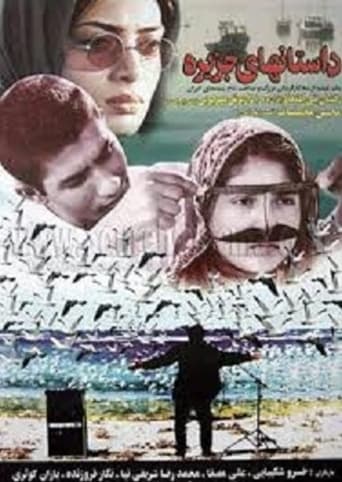
4.6An anthology directed by Mohsen Makhmalbaf (Testing Democracy) and Dariush Mehrjui (Dear Cousin is Lost)
Tales of an Island
2000
4.6An anthology directed by Mohsen Makhmalbaf (Testing Democracy) and Dariush Mehrjui (Dear Cousin is Lost)
Tales of an Island
2000
 6.6
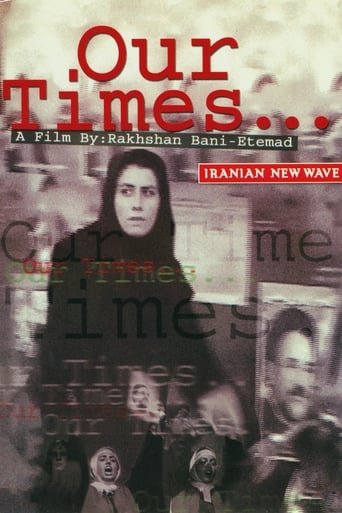
6.6Documentary by Rakhshan Bani-Etemad, an Iranian female director. This film portrays two aspects of the Iranian presidential election of 2001.
Our Times
2002
6.6Documentary by Rakhshan Bani-Etemad, an Iranian female director. This film portrays two aspects of the Iranian presidential election of 2001.
Our Times
2002
 6.6
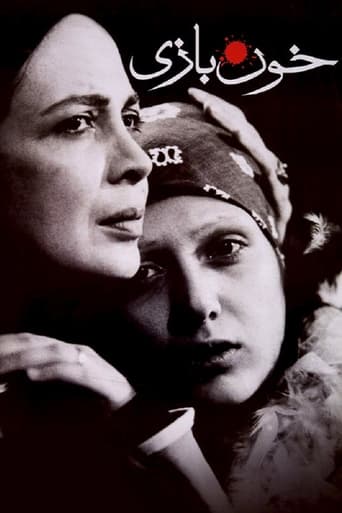
6.6The uneasy relationship between a mother and daughter is made all the more turbulent by drug abuse in this downbeat drama from Iranian filmmakers Rakhshan Bani-Etemad and Mohsen Abdolvahab
Mainline
2011
6.6The uneasy relationship between a mother and daughter is made all the more turbulent by drug abuse in this downbeat drama from Iranian filmmakers Rakhshan Bani-Etemad and Mohsen Abdolvahab
Mainline
2011
6.6The uneasy relationship between a mother and daughter is made all the more turbulent by drug abuse in this downbeat drama from Iranian filmmakers Rakhshan Bani-Etemad and Mohsen Abdolvahab
Mainline
2011
A searing documentary about the homeless people and shantytown dwellers of Tehran that has been banned.
Who Will You Show These Films To?
1992