
Editing
Robert Lower
Born
1946-05-26 (80)
Place of birth
Winnipeg, Manitoba, Canada
Known for
Editing
Credits
13 titles
Known for
This feature documentary turns the lens on Canadian playwright and novelist W.O. Mitchell. Throughout the film we see him in his many different roles – writer, teacher, family man, entertainer – as he talks candidly about himself, his work and the effect the Prairies have had on him, both personally and professionally.
W.O. Mitchell: Novelist in Hiding
1980
 NR
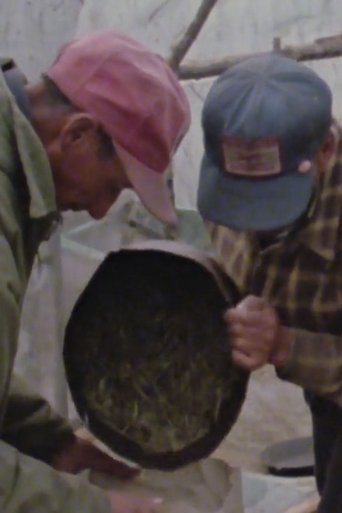
NRThis short documentary explores how the First Nations staple of wild rice is exported as a luxury food thanks in part to bush pilots. Follow the families of the Pauingassi band as they comb the reedy shores with brooms, paddles and baskets for manomim (wild rice).
Wild Rice
1980
 6.5
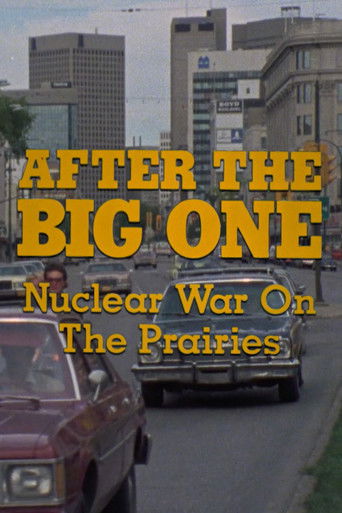
6.5This film deals straightforwardly with the consequences of a nuclear attack for the Canadian Prairies due to their proximity to intercontinental ballistic missile sites in North Dakota. Scenes include a visit to a missile base and to an emergency government bunker in Manitoba. A doctor, a farmer and a civil defence coordinator provide different perspectives on nuclear war. Although focused on one region, the film provides a model for people everywhere who would like to know more about their own situation but don't know what questions to ask.
After the Big One: Nuclear War on the Prairies
1982
 1.0
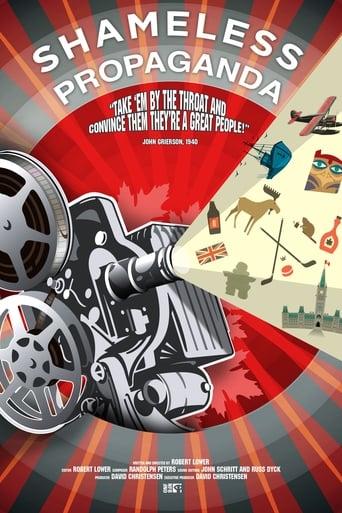
1.0This feature documentary examines its own genre, which has often been called Canada's national art form. Released in the year of the NFB's 75th birthday, Shameless Propaganda is filmmaker Robert Lower's take on the boldest and most compelling propaganda effort in our history (1939-1945), in which founding NFB Commissioner John Grierson saw the documentary as a "hammer to shape society". All 500 of the films produced by the NFB until 1945 are distilled here for the essence of their message to Canadians. Using only these films and still photos from that era, Lower recreates the picture of Canada they gave us and looks in it for the Canada we know today. What he finds is by turns enlightening, entertaining, and unexpectedly disturbing.
Shameless Propaganda
2013
This documentary describes the unfortunate legacy of the lone house on the prairie, an example of a dwelling entirely unsuited for the harsh winter or summer. We meet some builders and homeowners experimenting with more energy-efficient designs, such as the dome, the underground house and a ranch with wind, solar energy and methane gas from animal waste.
A House on The Prairie
1978
Story of Aate Pitkänen, a idealistic Canadian-Finn who went to Soviet Karelia.
Letters from Karelia
2004
Film credits
Behind the camera
This feature documentary turns the lens on Canadian playwright and novelist W.O. Mitchell. Throughout the film we see him in his many different roles – writer, teacher, family man, entertainer – as he talks candidly about himself, his work and the effect the Prairies have had on him, both personally and professionally.
W.O. Mitchell: Novelist in Hiding
1980
NRThis short documentary explores how the First Nations staple of wild rice is exported as a luxury food thanks in part to bush pilots. Follow the families of the Pauingassi band as they comb the reedy shores with brooms, paddles and baskets for manomim (wild rice).
Wild Rice
1980
6.5This film deals straightforwardly with the consequences of a nuclear attack for the Canadian Prairies due to their proximity to intercontinental ballistic missile sites in North Dakota. Scenes include a visit to a missile base and to an emergency government bunker in Manitoba. A doctor, a farmer and a civil defence coordinator provide different perspectives on nuclear war. Although focused on one region, the film provides a model for people everywhere who would like to know more about their own situation but don't know what questions to ask.
After the Big One: Nuclear War on the Prairies
1982
6.5This film deals straightforwardly with the consequences of a nuclear attack for the Canadian Prairies due to their proximity to intercontinental ballistic missile sites in North Dakota. Scenes include a visit to a missile base and to an emergency government bunker in Manitoba. A doctor, a farmer and a civil defence coordinator provide different perspectives on nuclear war. Although focused on one region, the film provides a model for people everywhere who would like to know more about their own situation but don't know what questions to ask.
After the Big One: Nuclear War on the Prairies
1982
1.0This feature documentary examines its own genre, which has often been called Canada's national art form. Released in the year of the NFB's 75th birthday, Shameless Propaganda is filmmaker Robert Lower's take on the boldest and most compelling propaganda effort in our history (1939-1945), in which founding NFB Commissioner John Grierson saw the documentary as a "hammer to shape society". All 500 of the films produced by the NFB until 1945 are distilled here for the essence of their message to Canadians. Using only these films and still photos from that era, Lower recreates the picture of Canada they gave us and looks in it for the Canada we know today. What he finds is by turns enlightening, entertaining, and unexpectedly disturbing.
Shameless Propaganda
2013
1.0This feature documentary examines its own genre, which has often been called Canada's national art form. Released in the year of the NFB's 75th birthday, Shameless Propaganda is filmmaker Robert Lower's take on the boldest and most compelling propaganda effort in our history (1939-1945), in which founding NFB Commissioner John Grierson saw the documentary as a "hammer to shape society". All 500 of the films produced by the NFB until 1945 are distilled here for the essence of their message to Canadians. Using only these films and still photos from that era, Lower recreates the picture of Canada they gave us and looks in it for the Canada we know today. What he finds is by turns enlightening, entertaining, and unexpectedly disturbing.
Shameless Propaganda
2013
This documentary describes the unfortunate legacy of the lone house on the prairie, an example of a dwelling entirely unsuited for the harsh winter or summer. We meet some builders and homeowners experimenting with more energy-efficient designs, such as the dome, the underground house and a ranch with wind, solar energy and methane gas from animal waste.
A House on The Prairie
1978
Story of Aate Pitkänen, a idealistic Canadian-Finn who went to Soviet Karelia.
Letters from Karelia
2004
This short documentary offers a reflection on the development of the North, where towns are increasingly being remade in the image of the South and bush pilots are slowly becoming obsolete.
Bush Pilot: Reflections on a Canadian Myth
1980
 9.0
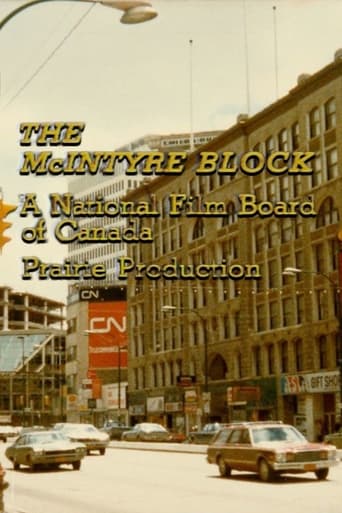
9.0A turn of the 20th Century office block at Portage and Main. What was once Winnipeg's most prestigious commercial address has become a catch-all for the marginalized and history's leftovers. A snapshot of a fading era, now gone for good.
The McIntyre Block
1977
 4.0
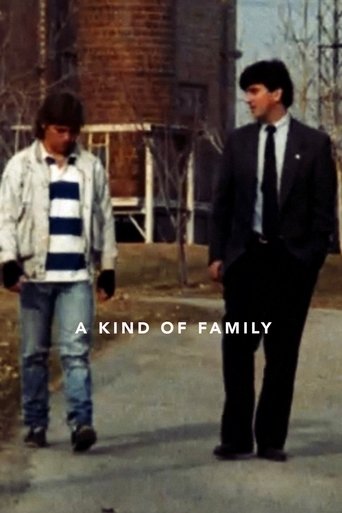
4.0This feature documentary tells the complex and touching story of Winnipeg city councilor Glen Murray and his 17-year-old adopted son Mike, whose struggles with addiction and behavioural problems cyclically repeat. Glen, now an Ontario Member of Provincial Parliament, was one of the first openly gay elected politicians in Canada. He adopted Mike during an era when homophobic stereotypes often prevented gay men and women from adopting children. Glen and Mike's relationship is always tenuous and always turbulent as they struggle to define themselves together and alone.
A Kind of Family
1992
 9.0
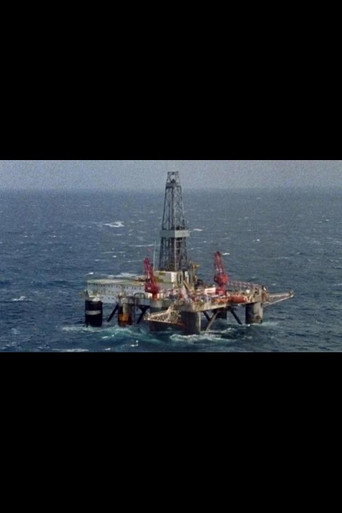
9.0This documentary focuses on boom-and-bust economic cycles, most notably that of Alberta oil during the '70s and early '80s. When the bust hit after a drop in world oil prices, those business people who knew how to "ride a tornado" cut their losses and moved on, while others were left devastated. When Newfoundland was faced with a possible oil boom of its own in the mid-'80s, it took the lessons of Alberta to heart. Part 3 of the series, Reckoning: The Political Economy of Canada.
Riding the Tornado
1986