
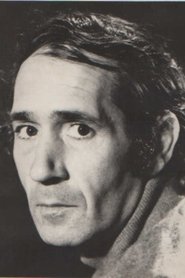
Directing
Alexandru Tatos
Born — Died
1937-03-09 — 1990-01-31
Place of birth
Bucharest, Romania
Known for
Directing
Credits
15 titles
Alexandru Tatos was a Romanian film director and screenwriter, known for his subtle, humanist approach to cinema. His films often explore moral dilemmas, everyday life under communism, and the quiet tensions between individuals and society. Tatos favored realism, strong character studies, and restrained storytelling over spectacle, making his work deeply introspective and socially observant. Though his filmography is relatively small, he is regarded as an important voice in Romanian cinema of the 1970s and 1980s.
Known for
 7.3
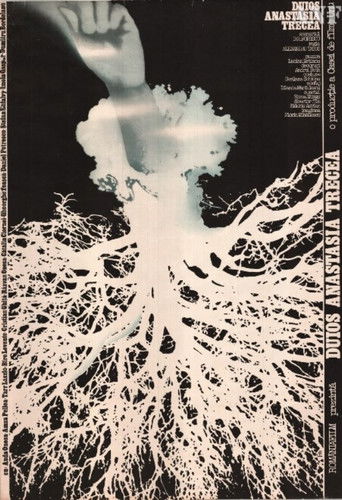
7.3A border town on the Danube, 1944. The town is occupied by the Germans, and there are plenty of collaborators. A number of the young men join the partisans, kill a Serbian, and throw his body into the village, forbidding anyone to bury it. Anastasia refuses to obey the order…
Gently Was Anastasia Passing
1980
 7.2
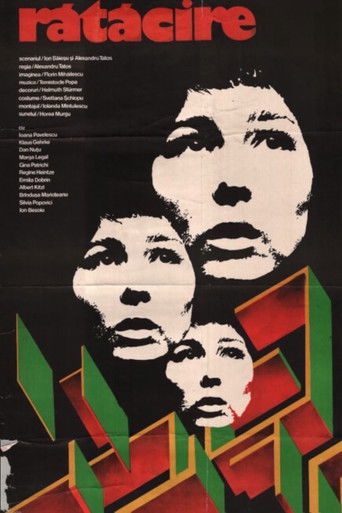
7.2In the communist Romania of Nicolae Ceausescu, a young Romanian woman marries a German citizen just to leave the country.
Astray
1978
 6.8
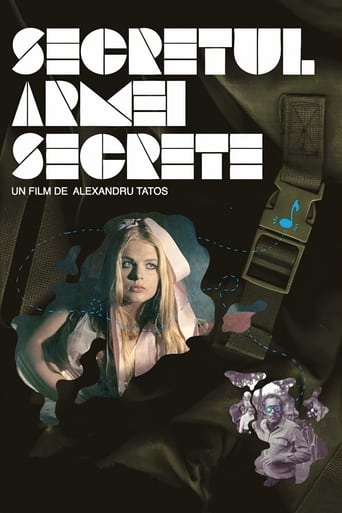
6.8In this allegorical fairy-tale, peaceful and warlike knights vie for the hand of a beautiful princess, while a discussion of disco goes on around them. She favors a peaceful knight, while her father and his advisors like the ones carrying around a lot of weapons.
The Secret of the Secret Weapon
1988
 7.0
7.0A breakdown occurs in a factory on the banks of the Danube and a ministerial team begins an investigation. Alexandru Nedelcu is the inspector who came to investigate and has the complicated mission of finding the truth.
Who Is Right?
1990
 6.4
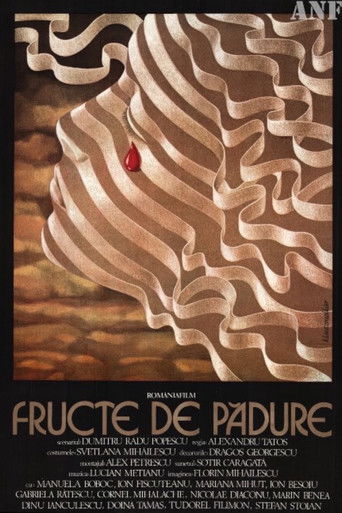
6.4The 17-year-old Amalia, the daughter of a widower lumberjack with many children, falls in love with a soldier. An irresponsible young man, the soldier refuses to admit that he is the father of the child to be born, as Amalia was just a fling in his eyes. Amalia decides to raise the kid all by herself, but she soon changes her mind…
Forest Fruit
1983
 6.7
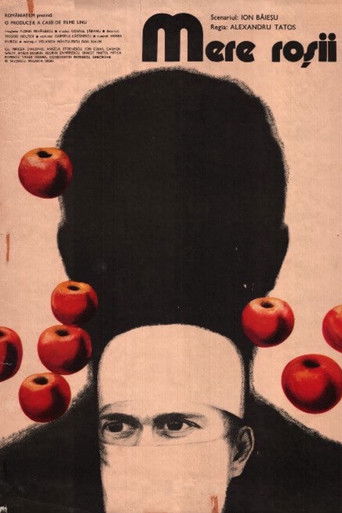
6.7In Alexandru Tatos’s debut film, a young urologist is assigned to a town hospital with no urology ward and keeps bumping up against his superiors because of both ethical and medical problems.
Red Apples
1976
Film credits
Behind the camera
7.3A border town on the Danube, 1944. The town is occupied by the Germans, and there are plenty of collaborators. A number of the young men join the partisans, kill a Serbian, and throw his body into the village, forbidding anyone to bury it. Anastasia refuses to obey the order…
Gently Was Anastasia Passing
1980
7.2In the communist Romania of Nicolae Ceausescu, a young Romanian woman marries a German citizen just to leave the country.
Astray
1978
7.2In the communist Romania of Nicolae Ceausescu, a young Romanian woman marries a German citizen just to leave the country.
Astray
1978
6.8In this allegorical fairy-tale, peaceful and warlike knights vie for the hand of a beautiful princess, while a discussion of disco goes on around them. She favors a peaceful knight, while her father and his advisors like the ones carrying around a lot of weapons.
The Secret of the Secret Weapon
1988
6.8In this allegorical fairy-tale, peaceful and warlike knights vie for the hand of a beautiful princess, while a discussion of disco goes on around them. She favors a peaceful knight, while her father and his advisors like the ones carrying around a lot of weapons.
The Secret of the Secret Weapon
1988
7.0A breakdown occurs in a factory on the banks of the Danube and a ministerial team begins an investigation. Alexandru Nedelcu is the inspector who came to investigate and has the complicated mission of finding the truth.
Who Is Right?
1990
6.4The 17-year-old Amalia, the daughter of a widower lumberjack with many children, falls in love with a soldier. An irresponsible young man, the soldier refuses to admit that he is the father of the child to be born, as Amalia was just a fling in his eyes. Amalia decides to raise the kid all by herself, but she soon changes her mind…
Forest Fruit
1983
6.7In Alexandru Tatos’s debut film, a young urologist is assigned to a town hospital with no urology ward and keeps bumping up against his superiors because of both ethical and medical problems.
Red Apples
1976
 7.5
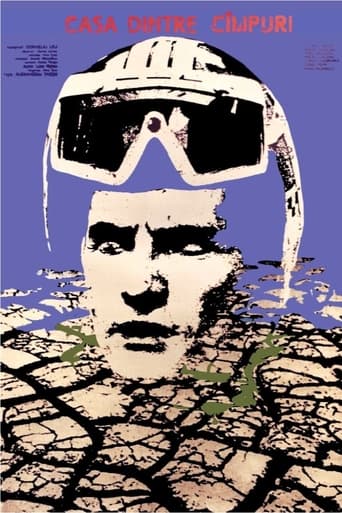
7.5In a farmers’ cooperative in a village on the plains, the cooperative’s president rules with an iron fist, ably assisted by his sycophantic henchmen. However, there is one couple — an agricultural engineer and his wife — who refuse to compromise and, as a result, must be silenced.
The House Between the Fields
1980
Set in the atmosphere of 16th-century Venice, the film recreates, in a modern spirit, the characteristic elements of commedia dell’arte: rhythm, verve, spontaneity, disguises, and comic situations. The traditional characters of this theatrical genre delight audiences with their humor, brought to life by some of the most exceptional names in Romanian comedy.
Nebunia lui Pantalone
1971
Set in the atmosphere of 16th-century Venice, the film recreates, in a modern spirit, the characteristic elements of commedia dell’arte: rhythm, verve, spontaneity, disguises, and comic situations. The traditional characters of this theatrical genre delight audiences with their humor, brought to life by some of the most exceptional names in Romanian comedy.
Nebunia lui Pantalone
1971
 6.5
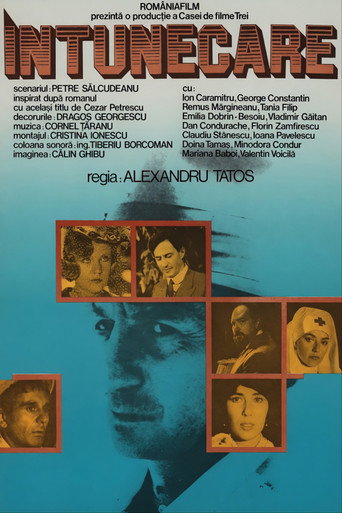
6.5Young lawyer Radu Comșa is confronted with an identity crisis as WWI starts.
Gathering Clouds
1986
 7.0
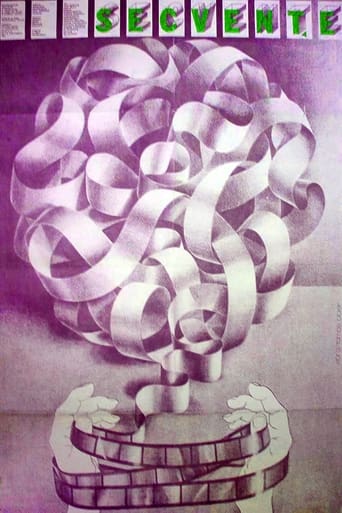
7.0Three sequences which could have formed separate stories are linked together to give a larger perspective on the nature of reality and film. The three episodes are joined together by one film crew at work. In the beginning, the crew is introduced as they juggle their dual roles as State-supported propagandists who laud their government and society, and as private movie makers working on their own film. Next, they are in a restaurant looking for suitable locations to film when the eatery’s owner is induced to wax long and lugubriously on his miserable life. In the last segment, two extras are in the background of a scene, sitting at a table in a restaurant. It slowly becomes apparent to one of them that the man he’s sitting with tortured him more than 40 years ago at a Nazi concentration camp during World War II.
Sequences...
1982
7.0Three sequences which could have formed separate stories are linked together to give a larger perspective on the nature of reality and film. The three episodes are joined together by one film crew at work. In the beginning, the crew is introduced as they juggle their dual roles as State-supported propagandists who laud their government and society, and as private movie makers working on their own film. Next, they are in a restaurant looking for suitable locations to film when the eatery’s owner is induced to wax long and lugubriously on his miserable life. In the last segment, two extras are in the background of a scene, sitting at a table in a restaurant. It slowly becomes apparent to one of them that the man he’s sitting with tortured him more than 40 years ago at a Nazi concentration camp during World War II.
Sequences...
1982