
Camera
António Escudeiro
Born — Died
1933-07-02 — 2018-09-21
Place of birth
Lobito, Angola
Known for
Camera
Credits
7 titles
Known for
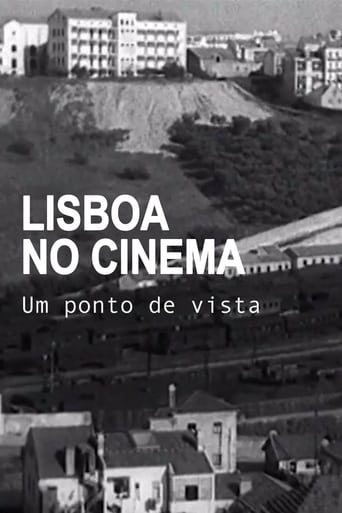 6.5
6.5The city during the beginning of cinema. The typical city at the time of the dictatorship. The New Lisbon of the New Cinema. Lisbon after the Revolution. The white city of foreigners. A geographical and moviegoer screenplay of Lisbon through the images of films and testimonies of several filmmakers who filmed in Lisbon.
Lisboa no Cinema, Um Ponto de Vista
1994
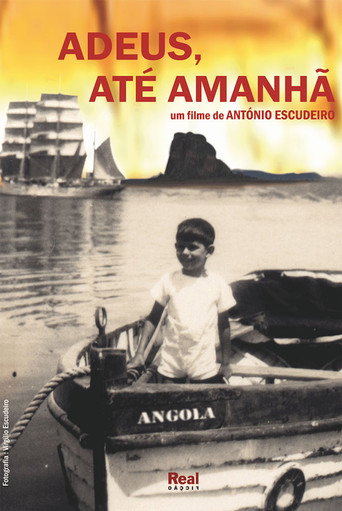 NR
NRAntónio Escudeiro was born, grew up and worked in Angola until the day when he was forced to leave. He swore he would return. But his return home only took place thirty-two years later. "Goodbye, See You Tomorrow" is the documentary of that return, in which there is a crossing and confronting of two visual universes: the director's memories and today's Angola.
Adeus, até amanhã
2007
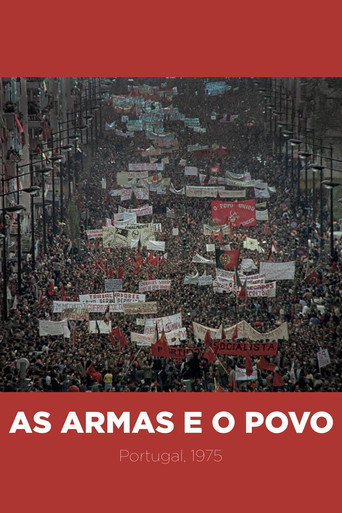 7.3
7.3Film directors with hand-held cameras went to the streets of Lisbon from April 25 to May 1, 1974, registering interviews and political events of the Portuguese "Carnation Revolution", as that period would be later known.
The Guns and the People
1977
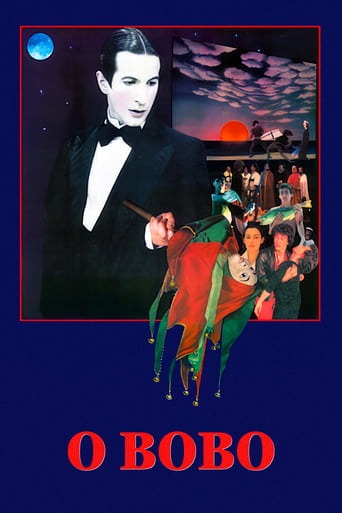 6.8
6.8Set four years after the Portuguese revolution and the simultaneous loss of the Portuguese empire in Africa, the story concerns a director who sells guns to finance his play.
The Jester
1987
 NR
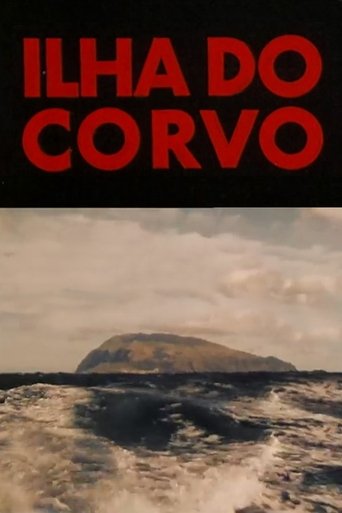
NRCorvo Island is the smallest island in the Archipelago of the Azores, in the Atlantic Ocean. Its area is 17 square km and its population 390. These images and sounds were recorded there in 1977 between the 16th and the 29th of August. To its inhabitants we would like to express our thanks in the making of this film.
Corvo Island
1978
On April 25, 1974 the iconoclastic Brazilian filmmaker Glauber Rocha was in Portugal. There, he joined the collective collective film "As Armas e o Povo". With his foreign and peculiar look, he broke the rules of conventional filmmaking.
Os Cravos e a Rocha
2015
Film credits
Behind the camera
NRAntónio Escudeiro was born, grew up and worked in Angola until the day when he was forced to leave. He swore he would return. But his return home only took place thirty-two years later. "Goodbye, See You Tomorrow" is the documentary of that return, in which there is a crossing and confronting of two visual universes: the director's memories and today's Angola.
Adeus, até amanhã
2007
7.3Film directors with hand-held cameras went to the streets of Lisbon from April 25 to May 1, 1974, registering interviews and political events of the Portuguese "Carnation Revolution", as that period would be later known.
The Guns and the People
1977
NRCorvo Island is the smallest island in the Archipelago of the Azores, in the Atlantic Ocean. Its area is 17 square km and its population 390. These images and sounds were recorded there in 1977 between the 16th and the 29th of August. To its inhabitants we would like to express our thanks in the making of this film.
Corvo Island
1978
 NR
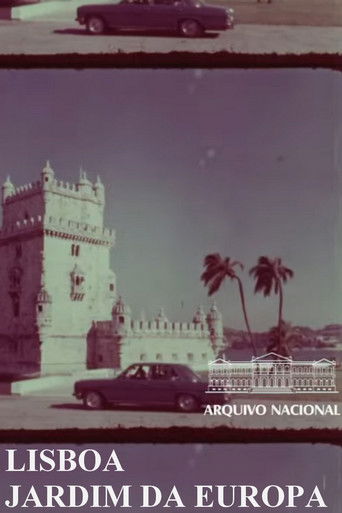
NRNo synopsis available yet.
Lisbon: Garden of Europe
1972