
Acting
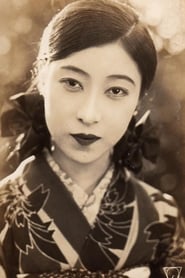
Emiko Yagumo
Born — Died
1903-08-15 — 1979-01-13
Place of birth
Osaka, Japan
Known for
Acting
Credits
29 titles
Emiko Yagumo (August 15, 1903 - January 13, 1979) was a Japanese actress, real name Chiyoko Tamano. At the age of 18, she fled home to follow a lover to Shanghai. On her return to Japan, she became a geisha. She appeared in 110 films between 1926 and 1937 before she retired and founded a beauty company.
Known for
 7.2
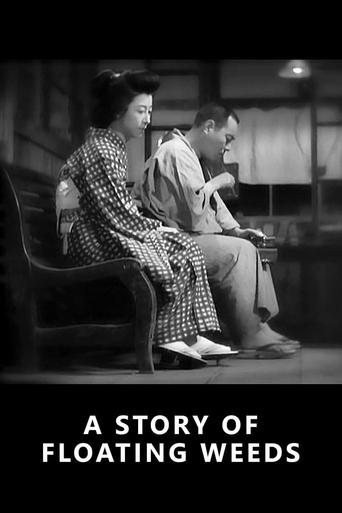
7.2An aging actor returns to a small town with his troupe and reunites with his former lover and illegitimate son, a scenario that enrages his current mistress and results in heartbreak for all.
A Story of Floating Weeds
1934
 6.8
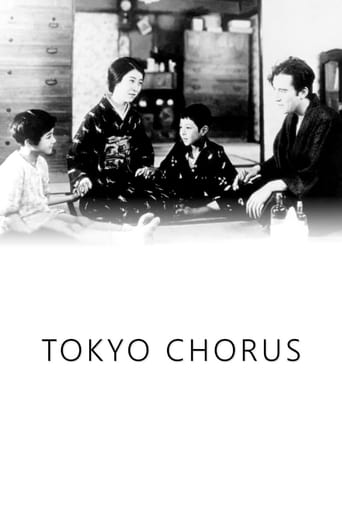
6.8During the Depression, a young man struggles to provide for his family after he is sacked for defending an older colleague.
Tokyo Chorus
1931
 NR
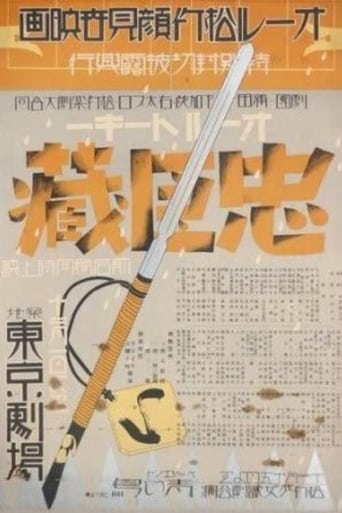
NRThis 1932 adaptation is the earliest sound version of the ever-popular and much-filmed Chushingura story of the loyal 47 retainers who avenged their feudal lord after he was obliged to commit hara-kiri due to the machinations of a villainous courtier. As the first sound version of the classic narrative, the film was something of an event, and employed a stellar cast, who give a roster of memorable performances. Director Teinosuke Kinugasa was primarily a specialist in jidai-geki (period films), such as the internationally celebrated Gate of Hell (Jigokumon, 1953), and although he is now most famous as the maker of the avant-garde silent films A Page of Madness (Kurutta ichipeji, 1926) and Crossroads (Jujiro, 1928), Chushingura is in fact more typical of his output than those experimental works. The film ranked third in that year’s Kinema Junpo critics’ poll, and Joseph Anderson and Donald Richie noted that 'not only the sound but the quick cutting was admired by many critics.
The Loyal 47 Ronin
1932
 6.3
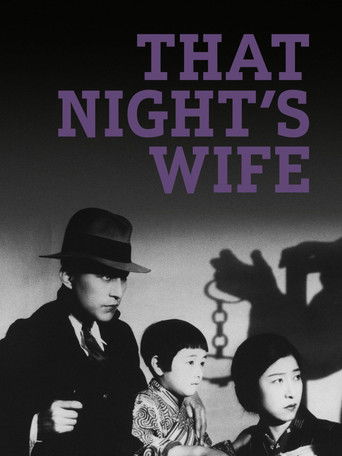
6.3In Depression-era Japan, a man commits a robbery to save his critically ill daughter and escapes with the funds, but complications arise.
That Night's Wife
1930
 7.0
7.0Michiko gets pregnant after a rape. She marries a boring business partner of her father to avoid the shame. Later she meets the rapist again who is now a union leader in opposition of her husband.
Silver Stream
1931
 NR
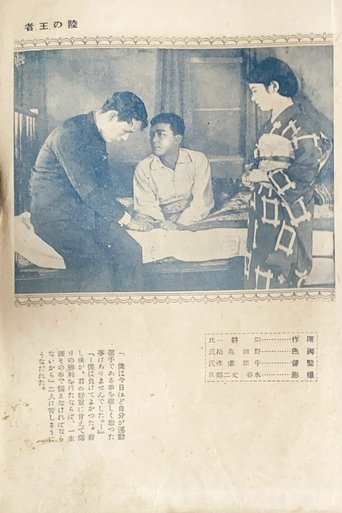
NRJapanese silent film from 1928, ranked as Kinema Junpo's second-best Japanese movie of the year.
King of the Land
1928
Film credits
1930s · 15 titles
7.2An aging actor returns to a small town with his troupe and reunites with his former lover and illegitimate son, a scenario that enrages his current mistress and results in heartbreak for all.
A Story of Floating Weeds
1934
6.8During the Depression, a young man struggles to provide for his family after he is sacked for defending an older colleague.
Tokyo Chorus
1931
NRThis 1932 adaptation is the earliest sound version of the ever-popular and much-filmed Chushingura story of the loyal 47 retainers who avenged their feudal lord after he was obliged to commit hara-kiri due to the machinations of a villainous courtier. As the first sound version of the classic narrative, the film was something of an event, and employed a stellar cast, who give a roster of memorable performances. Director Teinosuke Kinugasa was primarily a specialist in jidai-geki (period films), such as the internationally celebrated Gate of Hell (Jigokumon, 1953), and although he is now most famous as the maker of the avant-garde silent films A Page of Madness (Kurutta ichipeji, 1926) and Crossroads (Jujiro, 1928), Chushingura is in fact more typical of his output than those experimental works. The film ranked third in that year’s Kinema Junpo critics’ poll, and Joseph Anderson and Donald Richie noted that 'not only the sound but the quick cutting was admired by many critics.
The Loyal 47 Ronin
1932
6.3In Depression-era Japan, a man commits a robbery to save his critically ill daughter and escapes with the funds, but complications arise.
That Night's Wife
1930
7.0Michiko gets pregnant after a rape. She marries a boring business partner of her father to avoid the shame. Later she meets the rapist again who is now a union leader in opposition of her husband.
Silver Stream
1931
No synopsis available yet.
Reijin
1930
Kan’ichi Hazama and Omiya Shigisawa are engaged to be married, but Omiya breaks the engagement to marry a wealthy banker’s son. Heartbroken, Kan’ichi becomes a moneylender, and years later their paths cross again under changed circumstances. Adapted from a popular serialized novel of the same name.
The Golden Demon
1932
 NR
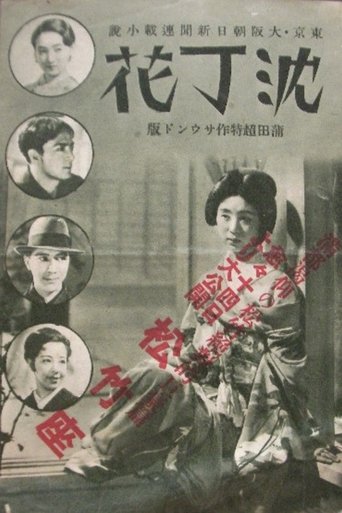
NRJapanese film from 1933, adapted from Masao Kume's serialized newspaper novel.
Daphne
1933
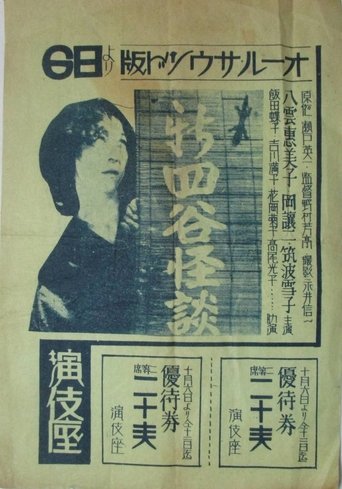 NR
NRNo synopsis available yet.
Shin Yotsuya Ghost Story
1932
No synopsis available yet.
天龍下れば
1933
The love of an older sister who worked as a geisha but decided to open a bar under the auspices of a millionaire
Nikutai no bōfū
1931
Japanese silent film from 1932.
Love in Tokyo
1932
Japanese silent comedy from 1930. The directorial debut of Hiromasa Nomura.
The Beating
1930
Japanese drama from 1934. A major production of Shochiku Studio, directed by Hiroshi Shimizu.
Mother of the East
1934
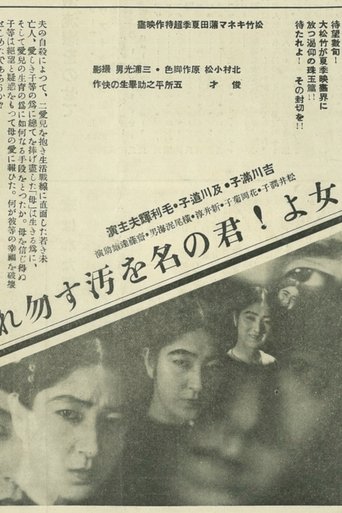 10.0
10.0Because of her husband’s suicide, a young widow finds herself suddenly cast into a life of solitude, with only her beloved child in her arms. At first, her pure devotion is directed toward the memory of her late husband, but before long it transforms into a fierce, consuming love for her child. That very love, however, drives her onto a perilous path, leading inexorably toward the tragic fate of a doomed flower. Ah, Mother! For what sin must you endure the scourge of the world? This work is offered in silence and reverence—above all to mothers everywhere. [Adapted from the promotional poster.]
Mother, Don't Tarnish Your Name
1930
1920s · 14 titles
NRJapanese silent film from 1928, ranked as Kinema Junpo's second-best Japanese movie of the year.
King of the Land
1928
Japanese silent film from 1928. Kinema Junpo ranked it among the ten best Japanese movies of the year.
The Village Bride
1928
No synopsis available yet.
Kare to Tokyo
1928
Japanese silent film from 1929.
The Father and His Son
1929
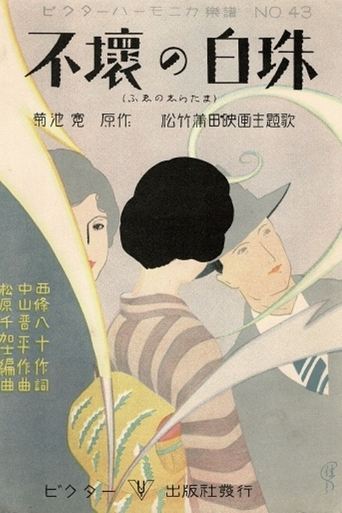 6.0
6.0Toshie, a young, conservative secretary-typist has fallen in love with Shozo Narita, a young man she has met through her work.
Eternal Heart
1929
The 1929 Japanese film "Mother" which helped child actress Hideko Takamine become a star.
Mother
1929
No synopsis available yet.
Karakuri musume
1927
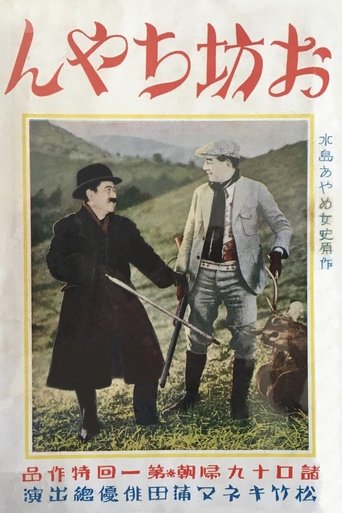 NR
NRJapanese silent film from 1926. (Obo-chan meaning "Young Master.") Written by Ayame Mizushima, the first female screenwriter in Japan.
Young Master
1926
Japanese silent film from 1929.
The Village Where the Skylark Sings
1929
Japanese silent film from 1927. A landmark in the careers of two up-and-coming stars: director Heinosuke Gosho and, newly promoted to a starring role, seventeen-year-old Kinuyo Tanaka.
An Embarrassing Dream
1927
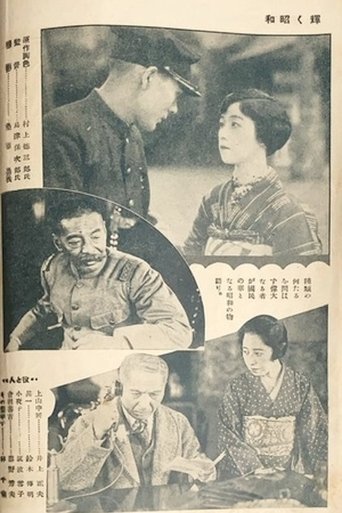 NR
NRJapanese silent film from 1928.
The Glory of the Shōwa Era
1928
Early feature film by Hiroshi Shimizu.
Honoo no sora
1927
Japanese silent film from 1928.
Symphony of Youth
1928
1926 silent film directed by Heinosuke Gosho.
Her
1926