
Acting
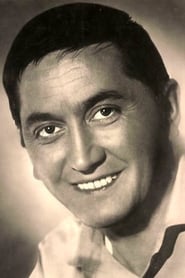
Robert Graf
Born — Died
1923-11-18 — 1966-02-04
Place of birth
Witten, Germany
Known for
Acting
Credits
45 titles
Robert Graf (November 18, 1923 – February 4, 1966) was a German actor who played the role of Werner, "The Ferret" in the 1963 movie The Great Escape. Graf was born in Witten, Germany in 1923. In 1942, after completing his Abitur, he was conscripted into the Wehrmacht and sent to the Eastern Front. He was wounded in 1944, and assigned to war production duties in Munich, where he began his study of theater.[1] In 1952, Graf married the actress Selma Urfer and had three children. He was the father of the director Dominik Graf. Robert Graf died of cancer in Munich in 1966 at age 42. From Wikipedia, the free encyclopedia
Known for
No synopsis available yet.
German Film Award
1951
 7.9
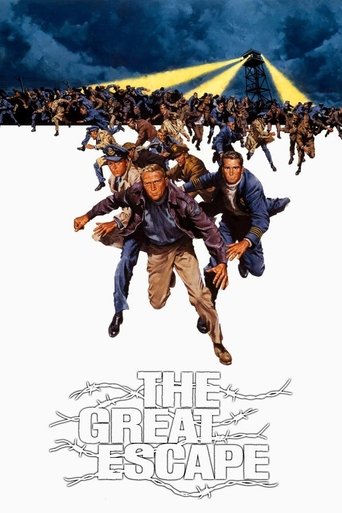
7.9The Nazis, exasperated at the number of escapes from their prison camps by a relatively small number of Allied prisoners, relocate them to a high-security 'escape-proof' camp to sit out the remainder of the war. Undaunted, the prisoners plan one of the most ambitious escape attempts of World War II. Based on a true story.
The Great Escape
1963
No synopsis available yet.
Intercontinental-Express
1966
 5.6
5.6A ring of counterfeiters is flooding the country with phony money, and suspicion falls upon a wealthy playboy who may--or may not--have amnesia.
The Forger of London
1961
 9.0
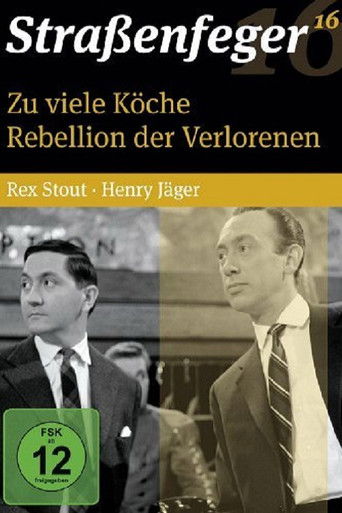
9.0No synopsis available yet.
Zu viele Köche
1961
 8.3
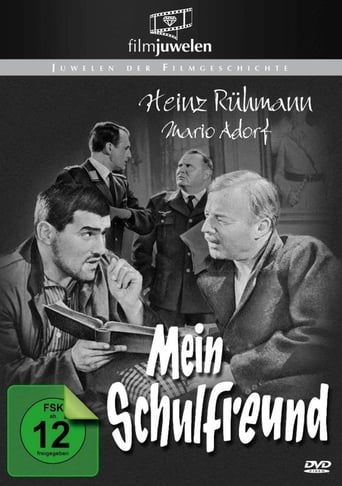
8.3In the midst of World War II, postman Ludwig Fuchs writes a letter to his former school friend Field Marshal Hermann Göring, urging him to work for peace. He is declared mentally incompetent. After the war, he struggles to shake off the stigma of alleged mental illness. Göring is executed. Fuchs forces the court to examine him: he vandalizes the lobby of Post Office 122 in Munich and is rehabilitated (with full salary compensation for lost years).
Mein Schulfreund
1960
Film credits
1960s · 31 titles
7.9The Nazis, exasperated at the number of escapes from their prison camps by a relatively small number of Allied prisoners, relocate them to a high-security 'escape-proof' camp to sit out the remainder of the war. Undaunted, the prisoners plan one of the most ambitious escape attempts of World War II. Based on a true story.
The Great Escape
1963
5.6A ring of counterfeiters is flooding the country with phony money, and suspicion falls upon a wealthy playboy who may--or may not--have amnesia.
The Forger of London
1961
8.3In the midst of World War II, postman Ludwig Fuchs writes a letter to his former school friend Field Marshal Hermann Göring, urging him to work for peace. He is declared mentally incompetent. After the war, he struggles to shake off the stigma of alleged mental illness. Göring is executed. Fuchs forces the court to examine him: he vandalizes the lobby of Post Office 122 in Munich and is rehabilitated (with full salary compensation for lost years).
Mein Schulfreund
1960
 NR
NRNo synopsis available yet.
Der Autokult
1964
No synopsis available yet.
Porträt eines Helden
1966
 9.0
9.0Klaus murders women. After killing another girl, Klaus is spotted by his friend Kersten as he leaves his latest victim's house. Kersten gives him a ride and Klaus begins to plot the man's death. He's a witness, after all. Nobody else can say Klaus was there except Kersten. They decide to head to a party. Klaus' unhappy wife is there. So are a bunch of other people. Killing Kersten will be difficult. Then they all play a game called... Murder Party!
Murder Party
1961
 10.0
10.0The plot revolves around a group of people who, for various reasons, want to flee Germany to Sweden in 1937.
Sansibar
1961
No synopsis available yet.
Die große Wut des Philipp Hotz
1960
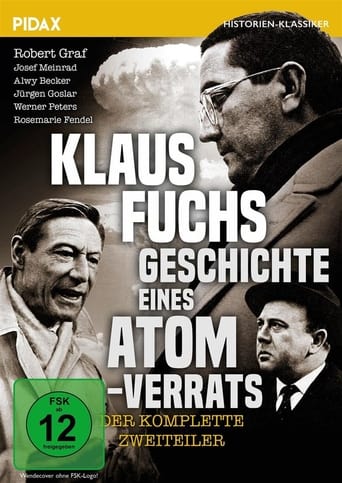 9.0
9.0No synopsis available yet.
Der Fall Klaus Fuchs
1965
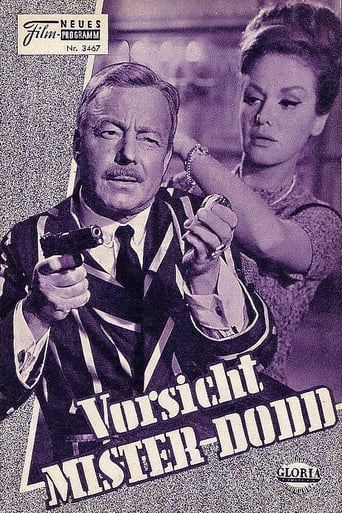 10.0
10.0No synopsis available yet.
Vorsicht Mister Dodd
1964
No synopsis available yet.
Wenn beide schuldig werden
1962
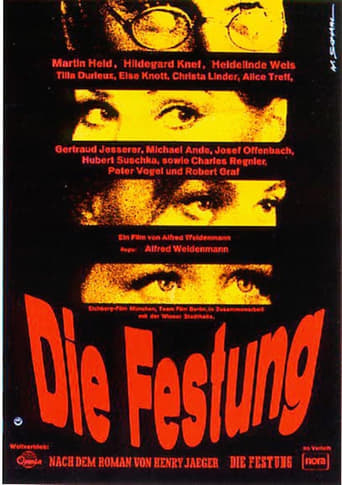 6.8
6.8After World War II, a lot of people, who lived in the eastern parts of the Third Reich had to be relocated. One of them is Hugo Starosta (Martin Held) with his family. They live in a fortress. Hugo is unemployed, his children don't seem to like school, but somehow they managa to get through.
Condemned to Sin
1964
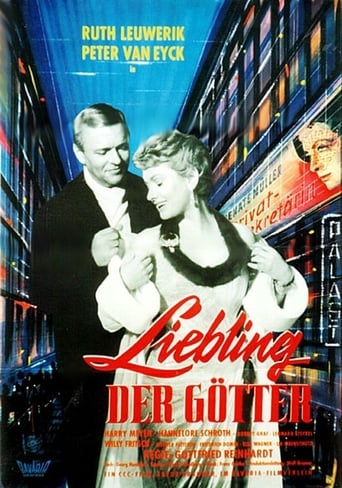 7.5
7.5Biography of the famous German actress Renate Müller, who died in 1937 under unsettled circumstances; While doing her first movie for the UFA in Berlin, she meets the elderly secretary-general Dr. Simon and is impressed by his charm. Although her Nazi-friend Volker discourages her to befriend a Jew, they start dating. While she ascends to one of the most famous German actresses of her time, Simon is suffering more and more under the Nazi regime.
Sweetheart of the Gods
1960
 7.8
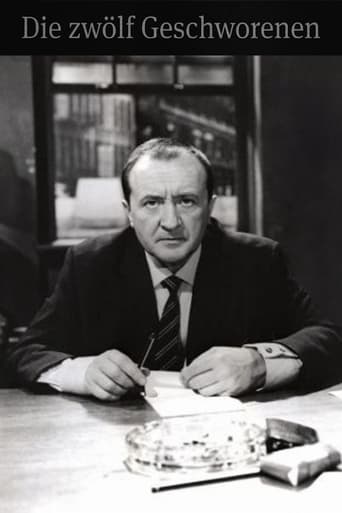
7.8Did an 18-year-old immigrant from the slums murder his father in cold blood? The twelve jurors must find a unanimous verdict.
The Twelve Jurors
1963
No synopsis available yet.
Der Drache
1965
 6.3
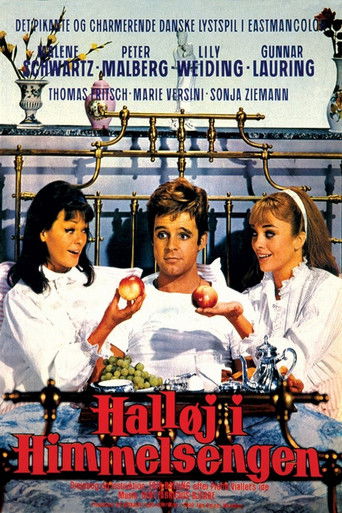
6.3The beginning of the 20th century. The main character is the young, charming Count Pierre de Sauterne. There have been several conflicts between him and his aristocratic uncle, who, due to his fanatical interest in cars, is called Tøf-Tøf. The authoritative older gentleman also has a pronounced weakness for the female sex, and it irritates him that his nephew far surpasses him in this regard. Uncle Tøf-Tøf decides that Pierre must spend his summer vacation in a secluded family villa on the North Sea coast as punishment, but not long into his stay, two charming girls seek shelter from a thunderstorm.
Halløj i himmelsengen
1965
Beate Dehn and Klaus Hartmann are two ambitious young architects locked in a fierce professional rivalry. When both enter the same high-stakes design competition, their battle of wits turns personal—and seductive. Charming and manipulative, Klaus has a reputation for winning clients with charm, whiskey, and a well-placed sofa, but Beate proves to be a match for his every move.
Zwei Whisky und ein Sofa
1963
No synopsis available yet.
Reisender ohne Gepäck
1963
No synopsis available yet.
Die Frau am dunklen Fenster
1960
No synopsis available yet.
Der Schatten: Ein Märchen für Erwachsene
1963
No synopsis available yet.
Alle mal herhören, auch die, die schwerhören..!
1966
A highly tendentious, but also unmasking, documentary about a shooting club and its traditions in the German province.
Schützenfest in Bahnhofsnähe
1961
The Thorwald family is well-off and contented when a tragedy strikes: the father is killed in an accident. Miss Thorwald takes over the raising of her children, four girls and two boys with the youngest already fifteen years old. She manages to keep them together in spite of the fact that their economic situation deteriorates after World War I. Never one to look too critically upon her brood, the woman undergoes a moving and gradual transformation as the adult activities of her children bring home the fact that none of them are what she had once imagined.
The Happy Years of the Thorwalds
1962
 6.5
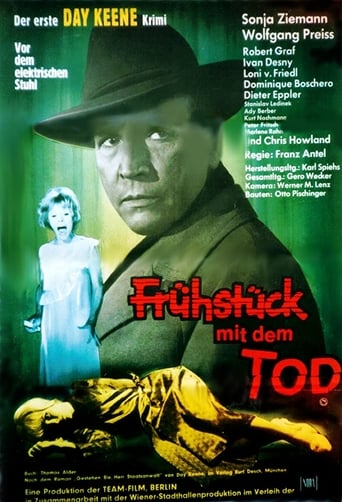
6.5Ted Talbot is a prosecutor in Newtonville. In the course of his work, he accuses Jim Conley of robbing a bank and killing the cashier. Ted's wife Jane takes over Conley's defense. When the court sentences the defendant to death, she files for divorce. Beth Conley, the wife, goes to see the prosecutor and asks him to postpone the execution of the sentence for thirty days. When he refuses, she threatens him with revelations. Deputy District Attorney Hal Young witnesses this confrontation...
Frühstück mit dem Tod
1964
No synopsis available yet.
Der Hund des Generals
1964
No synopsis available yet.
Der Weg ist dunkel
1961
No synopsis available yet.
Montserrat
1962
No synopsis available yet.
Geliebt in Rom
1963
 8.0
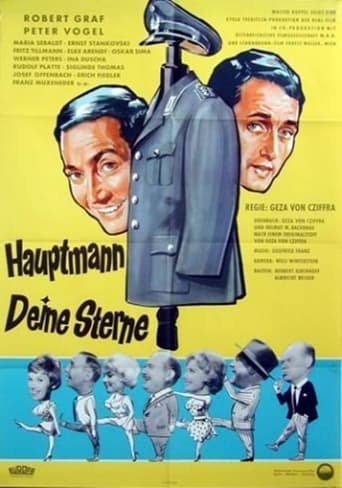
8.0Scammers in Bundeswehr uniforms fool a future garrison town.
Hauptmann - deine Sterne
1960
No synopsis available yet.
Sicher ist sicher
1964
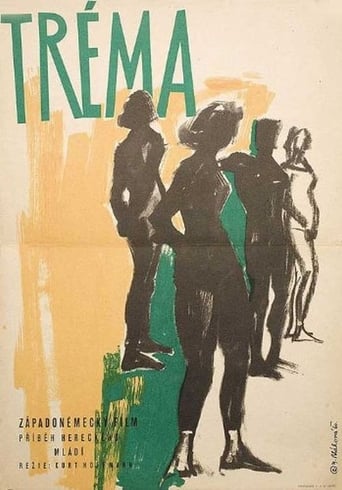 8.0
8.0The early stage experiences of a group of young, more or less talented aspiring actors, whose first steps on the stage are described. Among them are schoolgirls such as the coquettish Evelyne, who believes she can do anything, and the modest Gitta, who demonstrates greater willingness and skill.
Lampenfieber
1960
1950s · 10 titles
 5.8
5.8Ottomar Domnick′s experimental feature film is a portrait of the print shop employee Jonas who lives in a large city and suffers from feelings of guilt and fear for his existence. When he finds a hat that bears the initials of a friend that he left during the war when he fled from a detention camp, his sense of guilt becomes a severe paranoia.
Jonas
1957
 NR
NRThe bizarre story of a play's development at Munich's Kammerspiele theatre.
Die Rückseite des Mondes
1959
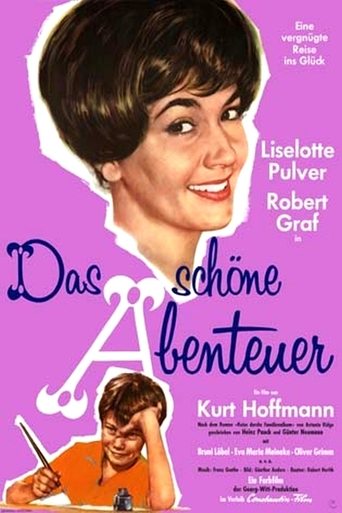 7.0
7.0The teacher Dorothee Durand, young and single, travels from England to the picturesque south of France to find the remaining remnants of her family. Her search takes her to Nimes, where she meets the likewise single Marius, a hotelier, who immediately falls in love with the beautiful woman. And so it turns out that after traveling through half of France, Dorothy not only finds her relatives, but also ...
Beautiful Adventure
1959
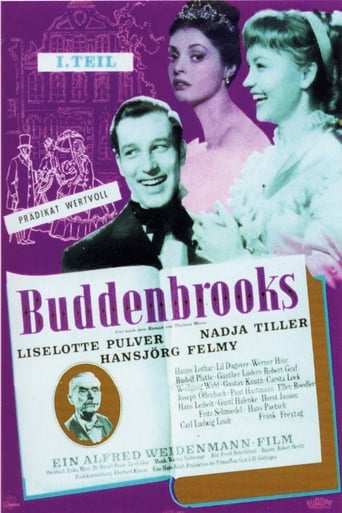 5.8
5.8First part of two of the saga of the troubled Buddenbrook family and their business in mid 19th century Germany.
Buddenbrooks - 1. Teil
1959
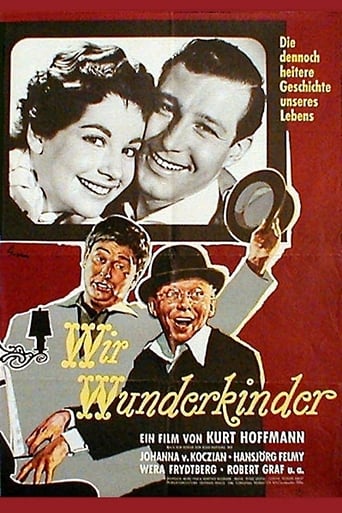 6.9
6.9Kurt Hoffmann′s satire concerning Germany′s development during the first half of the 20th century tells the story of two schoolmates - Hans and Bruno. They could not be more different. While Hans is ambitious and must always work hard for his career, it seems that the happy go lucky Bruno is carefree.
Aren't We Wonderful
1958
No synopsis available yet.
Meuterei auf der Caine
1954
Willy Loman is an over-the-hill salesman who faces a personal turning point when he loses his job and attempts to make peace with his family: Willy's long-suffering wife Linda, and Biff and Happy, his troubled sons and his life.
Der Tod des Handlungsreisenden
1958
No synopsis available yet.
Jeanne oder Die Lerche
1956
 5.7
5.7A young Egyptian doctor leaves his uneducated, dance girl lady friend behind while he focuses on fighting poverty and superstition. Years later, rich and famous, on a trip to Paris he discovers her again, in a night club.
El Hakim
1957
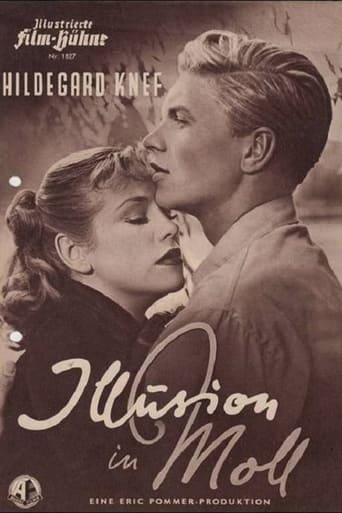 7.0
7.0After the death of her wealthy but lonely husband, wealthy but lonely hotel owner Maria Alsbacher falls in love with a charming bandleader and singer without realizing that he is only after her money. When she decides to marry him, her son enlists the help of his tragically ill fiancée, Lydia, to unmask this man for the villain he really is.
Illusion in Moll
1952