
Known for
 7.1
Recounts the experiences of a middle-class family, the Alcántaras, during the last years of the rule of Francisco Franco and the beginning of the Spanish Transition to democracy.
Cuéntame cómo pasó
2001
 8.1
La que se avecina is a Spanish television comedy created by Alberto Caballero, Laura Caballero and Daniel Deorador. The TV-series focusing around the inhabitants of Mirador de Montepinar, a fictional building located on the outskirts of a big city. Both its storylines and cast are heavily based on Aquí no hay quien viva, which ended when Telecinco bought Miramón Mendi, the series production company. The episodes debuted on the Telecinco network, and were later rerun by the same network as well as cable/satellite channels FactoríaDeFicción and Paramount Comedy. The series debuted in 22 April 2007 and became popular thanks to its funny characters, witty script, use of catchphrases and capacity to integrate and poke fun at contemporary issues; the program presents a caustic satire of many of the 'types' found in Spanish society. The name of the show involves wordplay, as "vecina" is the Spanish word for neighbour.
La que se avecina
2007
 5.0
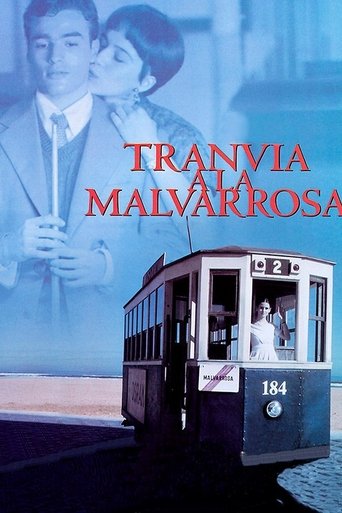
The film is based on the autobiography of writer Manuel Vincent. His father doesn't want him to become a writer and sends him to Valencia law school. One day Manuel sees his dream girl and follows her on a trolley car to Malvarossa beach. He then studies in college, meets call girl La China who teaches him love secrets, but still remembers that girl.
Tranvía a la Malvarrosa
1997
 6.4
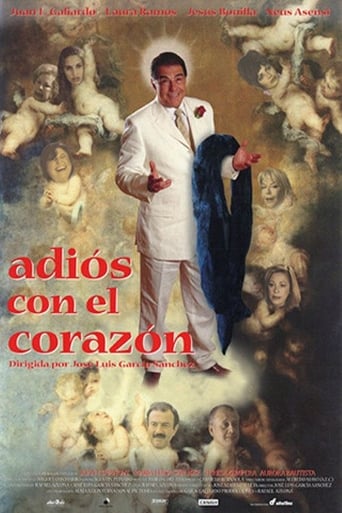
Juan is now in his fifties, has a protruding belly, dyes his hair gray and lives alone with a cat who has urinary problems, but despite this, women still find him attractive.
Goodbye from the Heart
2000
 7.5
In the mid-fifties, El Nini lives in the poorest and most forgotten rural Castile (Spain). He is a child with no more knowledge than those provided by nature. El Nini lives with his father in a cave, and with him he devotes himself to the hunting of water rats, the only means of subsistence they know. But when they are tried to deprive them of their roof and their livelihood, violence will erupt uncontrollably.
The Rats
1997
 5.9
While three brothers, heirs of a hotel owner, want to restore the glamour of yesteryear to the establishment, a Health Department official tries to find a way to close it down for good.
Palace
1996
Film credits
1990s · 4 titles
5.0The film is based on the autobiography of writer Manuel Vincent. His father doesn't want him to become a writer and sends him to Valencia law school. One day Manuel sees his dream girl and follows her on a trolley car to Malvarossa beach. He then studies in college, meets call girl La China who teaches him love secrets, but still remembers that girl.
Tranvía a la Malvarrosa
1997
7.5In the mid-fifties, El Nini lives in the poorest and most forgotten rural Castile (Spain). He is a child with no more knowledge than those provided by nature. El Nini lives with his father in a cave, and with him he devotes himself to the hunting of water rats, the only means of subsistence they know. But when they are tried to deprive them of their roof and their livelihood, violence will erupt uncontrollably.
The Rats
1997
5.9While three brothers, heirs of a hotel owner, want to restore the glamour of yesteryear to the establishment, a Health Department official tries to find a way to close it down for good.
Palace
1996
 7.0
Susana Gardenia, a seductive woman, feels a strange fascination with monsters and deformed beings. Feeling neglected, Vicente, her husband, follows her to a clandestine show.
Señores de Gardenia
1998
Series credits
7.1Recounts the experiences of a middle-class family, the Alcántaras, during the last years of the rule of Francisco Franco and the beginning of the Spanish Transition to democracy.
Cuéntame cómo pasó
2001
8.1La que se avecina is a Spanish television comedy created by Alberto Caballero, Laura Caballero and Daniel Deorador. The TV-series focusing around the inhabitants of Mirador de Montepinar, a fictional building located on the outskirts of a big city. Both its storylines and cast are heavily based on Aquí no hay quien viva, which ended when Telecinco bought Miramón Mendi, the series production company. The episodes debuted on the Telecinco network, and were later rerun by the same network as well as cable/satellite channels FactoríaDeFicción and Paramount Comedy. The series debuted in 22 April 2007 and became popular thanks to its funny characters, witty script, use of catchphrases and capacity to integrate and poke fun at contemporary issues; the program presents a caustic satire of many of the 'types' found in Spanish society. The name of the show involves wordplay, as "vecina" is the Spanish word for neighbour.
La que se avecina
2007