
Directing
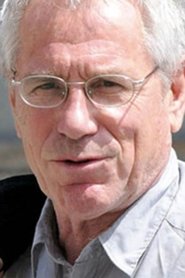
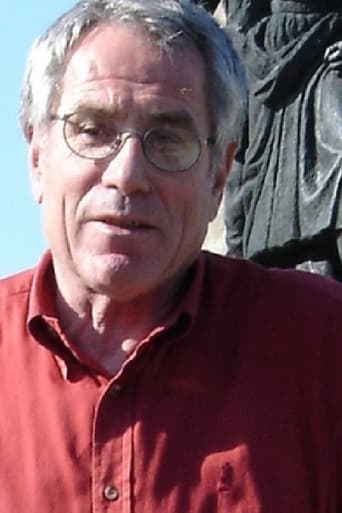
Želimir Žilnik
Born
1942-09-08 (84)
Place of birth
Nis, Serbia, Yugoslavia
Known for
Directing
Credits
52 titles
Želimir Žilnik is a Serbian film director and one of the major figures of the Yugoslav Black Wave. He is noted for his socially engaging style and criticism of censorship that was commonplace during the Yugoslav communist era. Subsequently, following the abolition of communist one-party system, he was an outspoken critic of Slobodan Milošević-led regime in Serbia.
Known for
 7.0
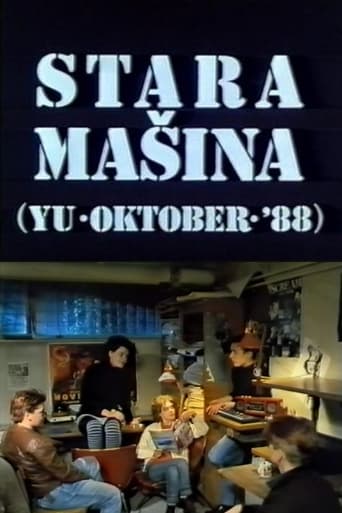
7.0The aged rocker Igor works as a journalist and DJ at the "Radio Student" in Ljubljana. He notices that the janitor Miha works for the police, tapping the walls and observing the journalists who are critical of the regime. After a clash with his editor, Igor decides to leave for Greece by his old bike DKW from 1938, via Bosnia and Serbia. Young Rahela joins him on the trip. Traveling through Yugoslavia, Igor becomes involved in unexpected turmoil: Milosevic's "antibureaucratic revolution" starts in Serbia and Vojvodina.
Oldtimer
1989
 NR
NR"Fitzgerald" is Jovica's nickname among his friends. One day Jovica, a film projectionist from the childhood of Zilnik, an old jazz pianist and one of the actors from The Way Steel Was Tempered, hear of Ella Fitzgerald's unexpected death. Jovica is desperate; he plays the piano all night long and cries. His wife threatens him saying that she will throw him out of the house unless he gets rid of the piano.
For Ella
1997
 7.2
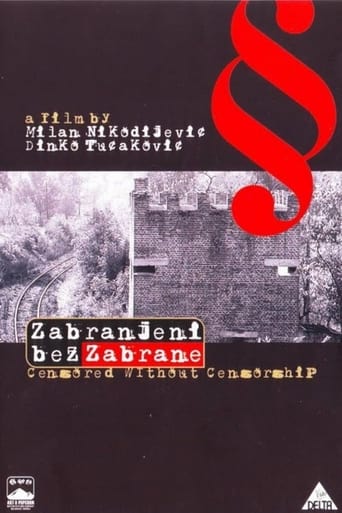
7.2Through the conversation with Yugoslav film authors and excerpts from their films, this documentary film tells a story of a film phenomenon and censorship, and its focus is, in fact, a painful epoch of Yugoslav film called “a Black Wave”, which was the most important and artistically strongest period of Yugoslav film industry, created in the sixties and buried in the early seventies by means of ideological and political decisions. The film tells a great “thriller” story of the ideological madness which characterised the totalitarian psychology having left multiple consequences felt up to our very days. It stresses similarities between totalitarian regimes defending their taboos on the example of the persecution of the most important Yugoslav film authors. Those film authors have, however, made world careers and inspired many later authors. The film is the beginning of a debt pay-off to the most significant Yugoslav film authors.
Censored without Censorship
2007
The film speaks of student demonstrations in Belgrade, 1969 and of the critical quality, enthusiasm and discipline of this form of protest. It was the most powerful public criticism of "red bourgeoisie" - members of communist apparatus, who suppressed creativity and affirmation of new generations throughout Eastern block.
June Turmoil
1969
 6.6
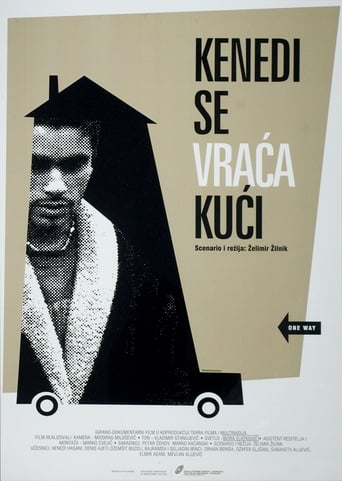
6.6The first film in what would ultimately become Zilnik’s famed Kenedi trilogy follows street hustler Kenedi Hasani and his friend as they roam the streets of Serbia seeking Kenedi’s parents. Kenedi Goes Back Home is Zilnik’s account of the Roma people who were forced to flee from the war in the Balkans to Germany in the 1990s and who, ten years later, are forced against their will to return to Serbia. Zilnik shows the immigrants' lives in relation to the prevailing ideology shaped today by the borders between rich and poor and by the often-racist selection process that determines who will be accepted into Western Europe. In presenting the dilemmas and identifying the crises these people face, he appeals for a solution.
Kenedi Goes Back Home
2003
 NR
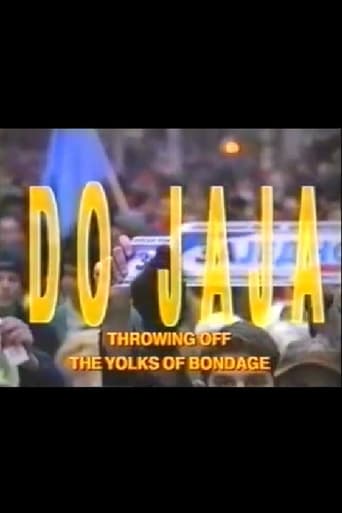
NRMilošević’s regime has rigged the results of parliamentarian elections in autumn 1996. This was a cause for mass rallies in Belgrade and other cities in Serbia. The film documents the protests during the first four days of their protests, their political and criticising charge but also the carnival spirit. On the seventh day of the protests the film was edited and had a premiere screening in the Rex Cinema.
Throwing Off the Yolks of Bondage
1996
Film credits
2020s · 4 titles
 NR
NRTwo young men from Eastern Europe take a pilgrimage to Santiago, Spain. Upon arrival at one of the most northwestern points of Europe, the south-easterners find themselves foreign both to the identity of their surroundings, as well as to their own. Without realizing it, they embark on a pilgrim-esque exploration of their own identities and the religiously-spiritual and nationally-sexual differences between them.
As One
2022
 7.0
7.0Two young actors are exploring the topic of representation of LGBTI people through the history of Yugoslav cinema and social circumstances that have resulted in different treatment of these characters.
Warm Film
2024
 10.0
10.0Between 2013 and 2023, Slovenian Cinematheque preserved and digitized 179 short films created on a tiny stretch of land between the Alps and the Adriatic Sea in the period of socialism (1945-1991), but mostly outside the prevailing state production. Today, we belatedly recognize these films as experimental and as an important, innovative part of the Slovenian film heritage, visible again for the first time after decades. The production of Alpe-Adria Underground! has radically accelerated efforts to preserve, digitize and restore this segment of Slovenian cinema.
Alpe-Adria Underground!
2025
 8.5
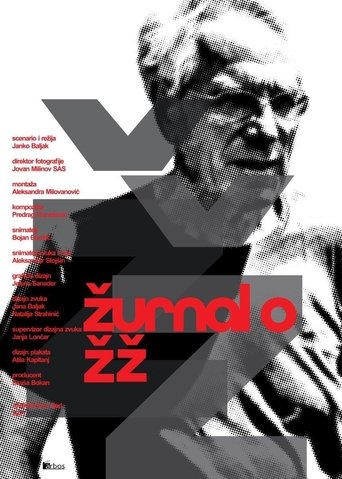
8.5Road movie documentary through half a century of filmography by Želimir Žilnik. But also a journey through the history of Yugoslavia, a country that no longer exists. With the specific style of docudrama that he built over the years, Zilnik managed to stay engaged and brave, but above all free, by making low-budget films for decades. We follow the efforts of his team to finish the film "Freedom or Comics", which was seized by censorship 50 years ago, and which was recently accidentally found. The story of an uninterrupted struggle for disenfranchised social and minority groups who are constantly the main heroes of Žilnik's films.
ŽŽŽ: Journal About Želimir Žilnik
2021
2010s · 4 titles
 NR
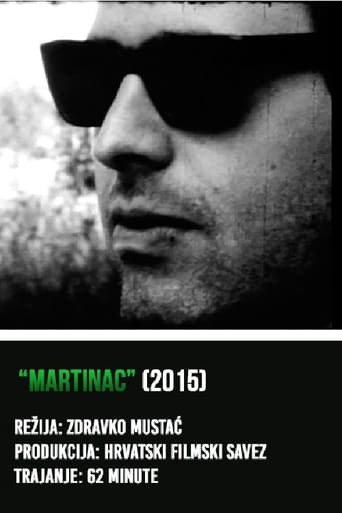
NRDocumentary about the life and work of Ivan Martinac (1938-2005), avant-garde & experimentalist filmmaker from Split, Croatia.
Martinac
2015
 NR
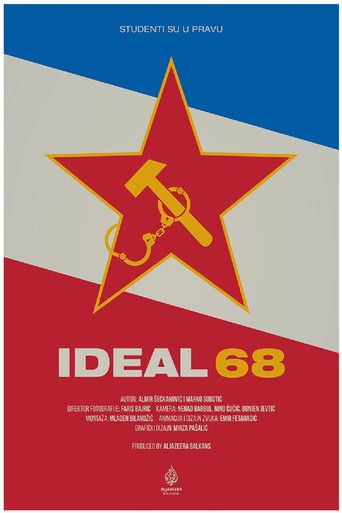
NROn June 3, 1968, student protests began in the Socialist Federal Republic of Yugoslavia, the first major conflict with the then communist establishment. In Belgrade, Sarajevo, Zagreb and Ljubljana, students demanded more socialism, the fight against corruption and a better state.
Ideal 68
2018
Druga linija aka The Other Line is a product of many years of research of neo-avant-garde cultural and art scene in Novi Sad, Serbia (late 60s and 70s), which has been marginalized until today. This artistic movement was directly connected not only with important art centers of the former Yugoslavia, but also with existing flows of world art during its brief and productive activities (7e Biennale de Paris, 19th Berlinale). The cultural and artistic emancipation of that time had implied individual freedom of expression and strong reaction to established boundaries. This avant-garde movement had become threat to communist establishment, the authors' work were sabotaged, the films were sealed off, five artists were taken to trial, two were sent in prison. How is it that the retrograde mechanism of shutting down and removing the most creative and representative progressive impulses of our surrounding is still so current to this day?
The Other Line
2016
 NR
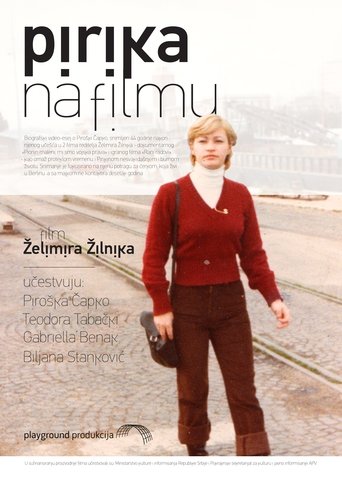
NRPirika travels to Berlin to visit her daughter Dobrila and her grandchildren, whom she's never seen. Dobrila, a lesbian, avoids her mother, however, because she doesn't want to tell her the full truth about her children. Everything is resolved at a German film retrospective, where Pirika plays the role of her life. A docudrama about the autumn of life of one of the leading protagonists of Zilnik's film Early Works.
Pirika on Film
2013
2000s · 2 titles
7.2Through the conversation with Yugoslav film authors and excerpts from their films, this documentary film tells a story of a film phenomenon and censorship, and its focus is, in fact, a painful epoch of Yugoslav film called “a Black Wave”, which was the most important and artistically strongest period of Yugoslav film industry, created in the sixties and buried in the early seventies by means of ideological and political decisions. The film tells a great “thriller” story of the ideological madness which characterised the totalitarian psychology having left multiple consequences felt up to our very days. It stresses similarities between totalitarian regimes defending their taboos on the example of the persecution of the most important Yugoslav film authors. Those film authors have, however, made world careers and inspired many later authors. The film is the beginning of a debt pay-off to the most significant Yugoslav film authors.
Censored without Censorship
2007
 NR
NRZelimir Zilnik has always been discussing the communist's regime taboos , with his early documentaries , but especially with his film about the student's riots in 1968: Lipanjska gibanja (June Turmoil). His featured film Rani radovi (Early Works) got to trial, because it made important politicians, including Tito himself, very angry. However, it was free of all charges, thanks to the really honorable judge. The Golden Bear, the prime award of the Berlin Film Festival, was given to Zelimir and it was interpreted as the biggest provocation for socialist Yugoslavia. Therefore, the film was put away for years and was not available for the audience.
What Do Those Lunatics Want?
2007
Behind the camera
7.0The aged rocker Igor works as a journalist and DJ at the "Radio Student" in Ljubljana. He notices that the janitor Miha works for the police, tapping the walls and observing the journalists who are critical of the regime. After a clash with his editor, Igor decides to leave for Greece by his old bike DKW from 1938, via Bosnia and Serbia. Young Rahela joins him on the trip. Traveling through Yugoslavia, Igor becomes involved in unexpected turmoil: Milosevic's "antibureaucratic revolution" starts in Serbia and Vojvodina.
Oldtimer
1989
7.0The aged rocker Igor works as a journalist and DJ at the "Radio Student" in Ljubljana. He notices that the janitor Miha works for the police, tapping the walls and observing the journalists who are critical of the regime. After a clash with his editor, Igor decides to leave for Greece by his old bike DKW from 1938, via Bosnia and Serbia. Young Rahela joins him on the trip. Traveling through Yugoslavia, Igor becomes involved in unexpected turmoil: Milosevic's "antibureaucratic revolution" starts in Serbia and Vojvodina.
Oldtimer
1989
NR"Fitzgerald" is Jovica's nickname among his friends. One day Jovica, a film projectionist from the childhood of Zilnik, an old jazz pianist and one of the actors from The Way Steel Was Tempered, hear of Ella Fitzgerald's unexpected death. Jovica is desperate; he plays the piano all night long and cries. His wife threatens him saying that she will throw him out of the house unless he gets rid of the piano.
For Ella
1997
NR"Fitzgerald" is Jovica's nickname among his friends. One day Jovica, a film projectionist from the childhood of Zilnik, an old jazz pianist and one of the actors from The Way Steel Was Tempered, hear of Ella Fitzgerald's unexpected death. Jovica is desperate; he plays the piano all night long and cries. His wife threatens him saying that she will throw him out of the house unless he gets rid of the piano.
For Ella
1997
The film speaks of student demonstrations in Belgrade, 1969 and of the critical quality, enthusiasm and discipline of this form of protest. It was the most powerful public criticism of "red bourgeoisie" - members of communist apparatus, who suppressed creativity and affirmation of new generations throughout Eastern block.
June Turmoil
1969
6.6The first film in what would ultimately become Zilnik’s famed Kenedi trilogy follows street hustler Kenedi Hasani and his friend as they roam the streets of Serbia seeking Kenedi’s parents. Kenedi Goes Back Home is Zilnik’s account of the Roma people who were forced to flee from the war in the Balkans to Germany in the 1990s and who, ten years later, are forced against their will to return to Serbia. Zilnik shows the immigrants' lives in relation to the prevailing ideology shaped today by the borders between rich and poor and by the often-racist selection process that determines who will be accepted into Western Europe. In presenting the dilemmas and identifying the crises these people face, he appeals for a solution.
Kenedi Goes Back Home
2003
6.6The first film in what would ultimately become Zilnik’s famed Kenedi trilogy follows street hustler Kenedi Hasani and his friend as they roam the streets of Serbia seeking Kenedi’s parents. Kenedi Goes Back Home is Zilnik’s account of the Roma people who were forced to flee from the war in the Balkans to Germany in the 1990s and who, ten years later, are forced against their will to return to Serbia. Zilnik shows the immigrants' lives in relation to the prevailing ideology shaped today by the borders between rich and poor and by the often-racist selection process that determines who will be accepted into Western Europe. In presenting the dilemmas and identifying the crises these people face, he appeals for a solution.
Kenedi Goes Back Home
2003
NRMilošević’s regime has rigged the results of parliamentarian elections in autumn 1996. This was a cause for mass rallies in Belgrade and other cities in Serbia. The film documents the protests during the first four days of their protests, their political and criticising charge but also the carnival spirit. On the seventh day of the protests the film was edited and had a premiere screening in the Rex Cinema.
Throwing Off the Yolks of Bondage
1996
NRMilošević’s regime has rigged the results of parliamentarian elections in autumn 1996. This was a cause for mass rallies in Belgrade and other cities in Serbia. The film documents the protests during the first four days of their protests, their political and criticising charge but also the carnival spirit. On the seventh day of the protests the film was edited and had a premiere screening in the Rex Cinema.
Throwing Off the Yolks of Bondage
1996
 5.5
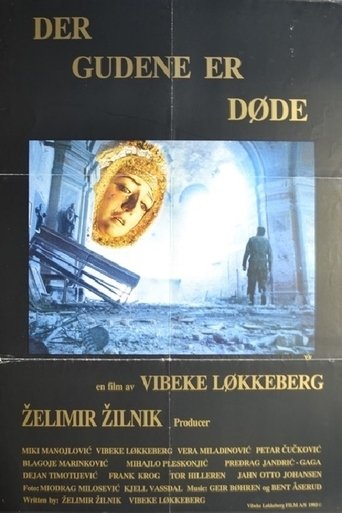
5.5A Norwegian TV-worker tries to prevent her son, which she has with her former husband, a Serb now living in Jugoslavia, to become a soldier in the starting civil war.
Where Gods Are Dead
1993
 10.0
10.0People of different nationalities from Central Europe attempting to reach the West by crossing the controls and “European” rules.
Fortress Europe
2000
Tito, lifelong president of Yugoslavia, is coming from his grave to once again talk to Serbs and to check what has changed since he was gone.
Tito Among the Serbs for the Second Time
1994
Tito, lifelong president of Yugoslavia, is coming from his grave to once again talk to Serbs and to check what has changed since he was gone.
Tito Among the Serbs for the Second Time
1994
 4.9
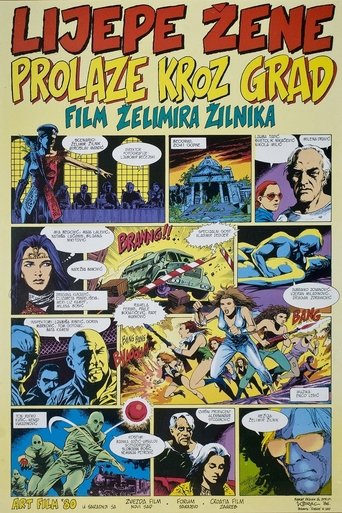
4.9Belgrade in 2041 is a deserted city that looks like a dump yard. A few old men try to bring up a group of young girls in the old, traditional way of their Yugoslav ancestors.
Pretty Women Walking Through the City
1986
4.9Belgrade in 2041 is a deserted city that looks like a dump yard. A few old men try to bring up a group of young girls in the old, traditional way of their Yugoslav ancestors.
Pretty Women Walking Through the City
1986
 5.5
5.5A multinational company owned by Mrs Judit Angst is facing financial difficulties: she decides to hire a group of young anarchists to fake her "kidnapping". After a couple of weeks spent in confinement she will be able to justify the downfall of her company before the people and at the same time to gain the status of the opponent to the destruction and chaos.
Paradise. An Imperialist Tragicomedy
1976
5.5A multinational company owned by Mrs Judit Angst is facing financial difficulties: she decides to hire a group of young anarchists to fake her "kidnapping". After a couple of weeks spent in confinement she will be able to justify the downfall of her company before the people and at the same time to gain the status of the opponent to the destruction and chaos.
Paradise. An Imperialist Tragicomedy
1976
 6.2
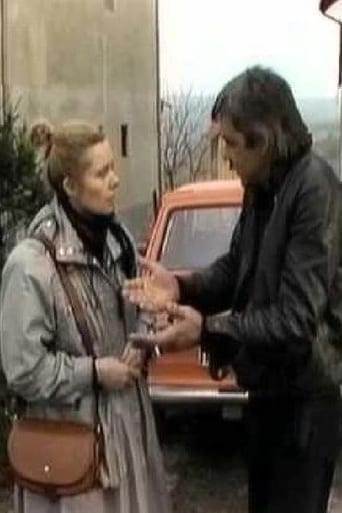
6.2In the center of this docudrama are the events and tensions of the shooting of a feature film about Belgrade in the future. The director sets up unrealistic requirements to the producer, who breaks the law by overstepping the budget. During a court trial where the crew members are at the witness stand, we follow up the drama of how a film is made.
Good Morning, Belgrade
1986
6.2In the center of this docudrama are the events and tensions of the shooting of a feature film about Belgrade in the future. The director sets up unrealistic requirements to the producer, who breaks the law by overstepping the budget. During a court trial where the crew members are at the witness stand, we follow up the drama of how a film is made.
Good Morning, Belgrade
1986
 8.0
8.0The TV series is about a couple of guys, one good and naive, the other a liar and a manipulator, trying to make a living the best way they can. Along the way they meet a guy who eats glass, metal and plates, a couple of strippers, and a lot of ordinary people. Žilnik's dry and realistic approach is filled with humour and documentary parts with some real peasants and working-class people. The original three-part miniseries lasting 220 minutes is lost, only the 102 minute long restored series turned into a film is available.
Hot Paychecks
1987
8.0The TV series is about a couple of guys, one good and naive, the other a liar and a manipulator, trying to make a living the best way they can. Along the way they meet a guy who eats glass, metal and plates, a couple of strippers, and a lot of ordinary people. Žilnik's dry and realistic approach is filled with humour and documentary parts with some real peasants and working-class people. The original three-part miniseries lasting 220 minutes is lost, only the 102 minute long restored series turned into a film is available.
Hot Paychecks
1987
 NR
NRIn Žilnik’s hilarious and sneakily charming docu-fiction, post-socialist restitution returns his childhood home to Serbian jazz musician Stevan. After six decades in Germany, he returns to his homeland where a series of reunions sheds light on his life.
Eighty Plus
2025
NRIn Žilnik’s hilarious and sneakily charming docu-fiction, post-socialist restitution returns his childhood home to Serbian jazz musician Stevan. After six decades in Germany, he returns to his homeland where a series of reunions sheds light on his life.
Eighty Plus
2025
 NR
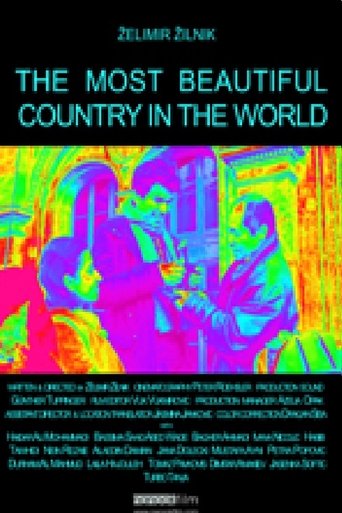
NRThe clash of two worlds in the present-day Europe. As the indigenous population seeks to defend the status quo against escalating immigration, the newcomers are burdened by their own displacement. Forced to flee their homes, they are trying to adapt to the strange new environment.
The Most Beautiful Country in the World
2018
NRThe clash of two worlds in the present-day Europe. As the indigenous population seeks to defend the status quo against escalating immigration, the newcomers are burdened by their own displacement. Forced to flee their homes, they are trying to adapt to the strange new environment.
The Most Beautiful Country in the World
2018
 NR
NRA construction site with foreign workforce – lunch break. A Greek man tries to write a request letter to the German authorities to allow his parents to stay in Germany because of the Greek-Turkish clashes on Cyprus. A German foreman helps him write the appeal. Upon saying that the reason for summoning his parents is that their lives are threatened by the Turks, other bricklayers join in and a row takes place. During the row the letter is torn, lunch break is over and the bricklayers go on laying bricks.
Request
1974
NRA construction site with foreign workforce – lunch break. A Greek man tries to write a request letter to the German authorities to allow his parents to stay in Germany because of the Greek-Turkish clashes on Cyprus. A German foreman helps him write the appeal. Upon saying that the reason for summoning his parents is that their lives are threatened by the Turks, other bricklayers join in and a row takes place. During the row the letter is torn, lunch break is over and the bricklayers go on laying bricks.
Request
1974
 8.0
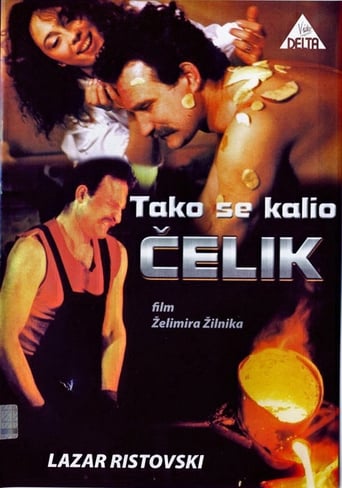
8.0A moulder wants to live a happy life, but the circumstances in his factory are such that everyone is looking for an opportunity to grab the money before the ship sinks down to the bottom.
The Way Steel Was Tempered
1988
8.0A moulder wants to live a happy life, but the circumstances in his factory are such that everyone is looking for an opportunity to grab the money before the ship sinks down to the bottom.
The Way Steel Was Tempered
1988
 NR
NRIn buildings where foreign workers lived in Germany, there were strict rules of conduct, defined by the house rules and supervised by the building superintendents. Many rights regarding the freedom of movement, communication and behavior were abused. Interviews with the tenants and with the "orderlies" which point out absurd situations and clashes caused by these restrictions.
House Orders
1975
NRIn buildings where foreign workers lived in Germany, there were strict rules of conduct, defined by the house rules and supervised by the building superintendents. Many rights regarding the freedom of movement, communication and behavior were abused. Interviews with the tenants and with the "orderlies" which point out absurd situations and clashes caused by these restrictions.
House Orders
1975
 5.9
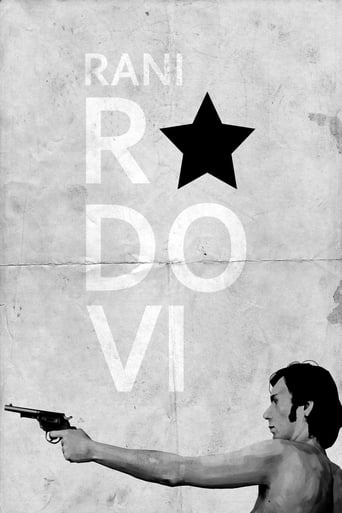
5.9Inspired by Karl Marx's "Das Kapital", three men and a girl named Jugoslava decide to wake up the conscience within the working class and peasants. Faced with the primitivism and a lack of morale, their revolution fails and the girl is the one to be sacrificed as a witness of their unsuccessful attempt.
Early Works
1971
5.9Inspired by Karl Marx's "Das Kapital", three men and a girl named Jugoslava decide to wake up the conscience within the working class and peasants. Faced with the primitivism and a lack of morale, their revolution fails and the girl is the one to be sacrificed as a witness of their unsuccessful attempt.
Early Works
1971
 NR
NRMemories and commentaries of non-professional actors combined with excerpts from films in which they participated as "protagonists," mixed with footage made of crews working on the sets of Zilnik's films.
Among the People: Life & Acting
2018
NRMemories and commentaries of non-professional actors combined with excerpts from films in which they participated as "protagonists," mixed with footage made of crews working on the sets of Zilnik's films.
Among the People: Life & Acting
2018
 5.1
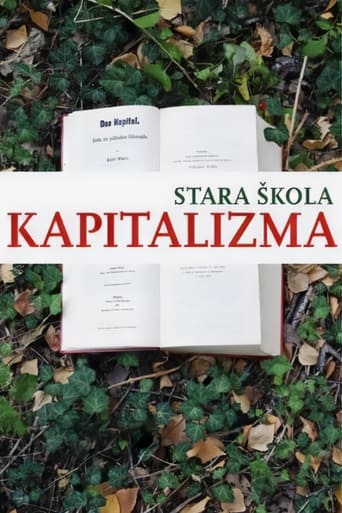
5.1A mixture of documentary and fiction examines the new god of Capitalism offered to the Serbs with the ending of state socialism. We look at a number of strikes in Belgrade during the late 2000s and these introduce us to several characters playing themselves. Employees dressed in American football helmets and pads square up with employers' heavies in their bullet-proof vests, resulting in explosive situations. A visit from the Russian tycoon's representative and vice president Joe Biden's arrival further complicates the proceedings.
The Old School of Capitalism
2009
5.1A mixture of documentary and fiction examines the new god of Capitalism offered to the Serbs with the ending of state socialism. We look at a number of strikes in Belgrade during the late 2000s and these introduce us to several characters playing themselves. Employees dressed in American football helmets and pads square up with employers' heavies in their bullet-proof vests, resulting in explosive situations. A visit from the Russian tycoon's representative and vice president Joe Biden's arrival further complicates the proceedings.
The Old School of Capitalism
2009
 5.5
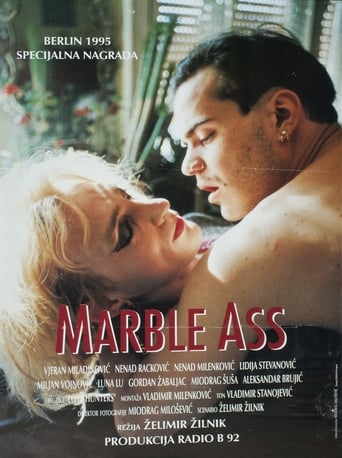
5.5A trans couple from 1990s Belgrade beholds their profession as a pacifistic mission, curbing the urges of rapists, gamblers and horny young men during turbulent periods in war-torn country.
Marble Ass
1995
5.5A trans couple from 1990s Belgrade beholds their profession as a pacifistic mission, curbing the urges of rapists, gamblers and horny young men during turbulent periods in war-torn country.
Marble Ass
1995
 8.0
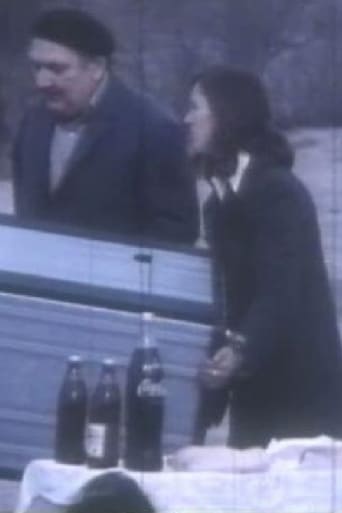
8.0A carnival is in town. Workers start to build the stalls and tents. Players practice their act. Roma, peasants and grifters put up their own boots. After they pay taxes to local officials, they get a muddy ground for their stalls.
Market People
1978