
Directing
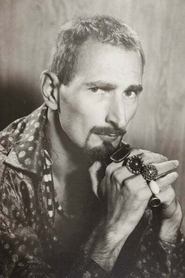
Jack Smith
Born — Died
1932-11-14 — 1989-09-25
Place of birth
Columbus, Ohio, USA
Known for
Directing
Credits
69 titles
Jack Smith was an American filmmaker, actor, and pioneer of underground cinema. He is generally acclaimed as a founding father of American performance art, and has been critically recognized as a master photographer, though his photographic works are rare and remain largely unknown.
Known for
 7.6
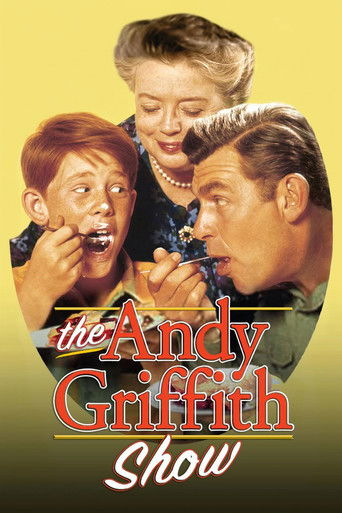
7.6Andy Taylor is the widowed sheriff of the fictional small community of Mayberry, North Carolina. His life is complicated by an inept, but well-meaning deputy, Barney Fife, a spinster aunt and housekeeper, Aunt Bee, and a precocious young son, Opie. Local ne'er-do-wells, bumbling pals, and temperamental girlfriends further complicate his life.
The Andy Griffith Show
1960
 7.3
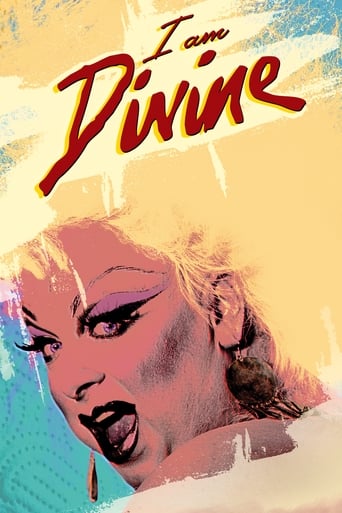
7.3Harris Glenn Milstead, aka Divine (1945-1988) was the ultimate outsider turned underground hero. Spitting in the face of the status quos of body image, gender identity, sexuality, and preconceived notions of beauty, Divine succeeded in becoming an internationally recognized icon, recording artist, and character actor of stage and screen. Glenn went from the often-mocked, schoolyard fat kid to underdog royalty, standing up for millions of gay men and women, drag queens and punk rockers, and countless other socially ostracized misfits and freaks. With a completely committed in-your-face style, he blurred the line between performer and personality, and revolutionized pop culture.
I Am Divine
2014
 5.0
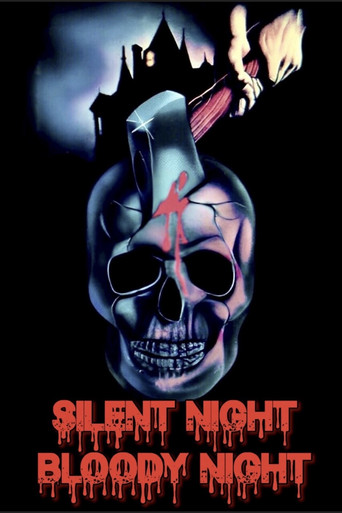
5.0A man investigates the grisly crimes that occurred in a former insane asylum, unsettling the locals who all seem to have something to hide.
Night of the Dark Full Moon
1972
 7.3
7.3Also known as Walden, Jonas Mekas’s first diary film is a six-reel chronicle of his life in 1960s New York, interweaving moments with family, friends, lovers, and artistic idols. Blending everyday encounters with portraits of the avant-garde art scene, it forms an epic, personal meditation on community, creativity, and the passage of time.
Diaries, Notes, and Sketches
1968
 6.1
6.1Ron Rice's Chumlum is one of those films in which the conditions of its construction are integral to the experience of watching it. It is a record of a cadre of creative people having fun on camera, playing dress-up, dancing, flirting, lazing around.
Chumlum
1963
 7.0
7.0Jonas Mekas assembles 160 portraits, appearances, and fleeting sketches of underground and independent filmmakers captured between 1955 and 1996. Fast-paced and archival in spirit, the film celebrates the avant-garde as its own “nation of cinema,” a vital community existing outside the dominance of commercial film.
Birth of a Nation
1997
Film credits
2010s · 4 titles
7.3Harris Glenn Milstead, aka Divine (1945-1988) was the ultimate outsider turned underground hero. Spitting in the face of the status quos of body image, gender identity, sexuality, and preconceived notions of beauty, Divine succeeded in becoming an internationally recognized icon, recording artist, and character actor of stage and screen. Glenn went from the often-mocked, schoolyard fat kid to underdog royalty, standing up for millions of gay men and women, drag queens and punk rockers, and countless other socially ostracized misfits and freaks. With a completely committed in-your-face style, he blurred the line between performer and personality, and revolutionized pop culture.
I Am Divine
2014
 4.0
4.0Love Thing captures the emerging multicultural spirit and personal freedom of the late 1970s with an outrageous attitude and experimental style. A work in progress now finally completed it's the last American musical comedy from that era which can be viewed today as a prophetic satire. Through its provocative, entertaining storyline highlighted by song and dance, the movie answers the burning question of our time, "What happens after the marriage?
Love Thing
2012
 6.8
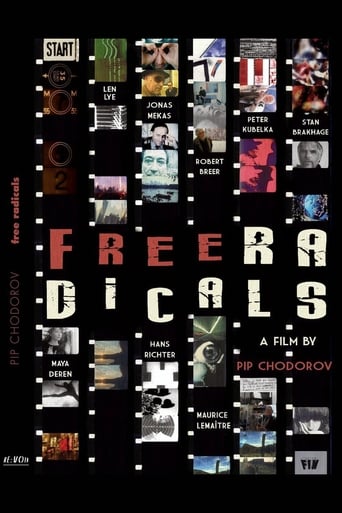
6.8Experimental filmmaker Pip Chodorov traces the course of experimental film in America, taking the very personal point of view of someone who grew up as part of the experimental film community.
Free Radicals: A History of Experimental Film
2011
 NR
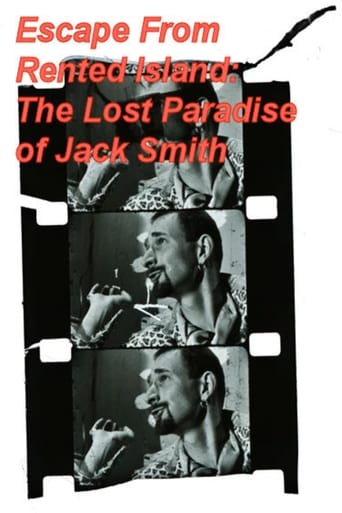
NRIn his essay film, Jerry Tartaglia, longtime archivist and restorer of the film estate of queer New York underground, experimental film, and performance legend Jack Smith, deals less with Smith’s life than with his work, analyzing Smith’s aesthetic idiosyncrasies in 21 thematic chapters. It's a film essay about the artist’s work, rather than a documentary about his life. An unmediated vision of Jack Smith, an invitation to join him in his lost paradise.
Escape From Rented Island: The Lost Paradise of Jack Smith
2017
2000s · 4 titles
 2.9
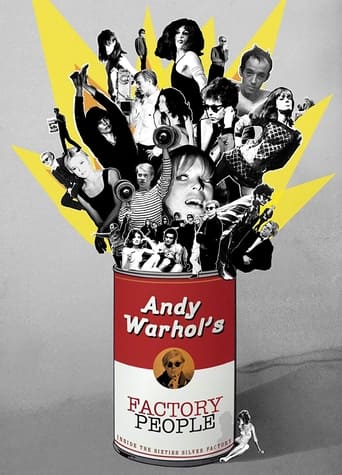
2.9Takes an in-depth look at the lives and times of the people who hung out with Andy Warhol and "worked" at the Silver Factory during the Sixties, making it all click as a new counter-culture arose and began to exert its influence throughout the arts.
Andy Warhol's Factory People... Inside the Sixties Silver Factory
2008
 6.7
6.7In this entrancing documentary on performance artist, photographer and underground filmmaker Jack Smith, photographs and rare clips of Smith's performances and films punctuate interviews with artists, critics, friends and foes to create an engaging portrait of the artist. Widely known for his banned queer erotica film Flaming Creatures, Smith was an innovator and firebrand who influenced artists such as Andy Warhol and John Waters.
Jack Smith and the Destruction of Atlantis
2007
 7.7
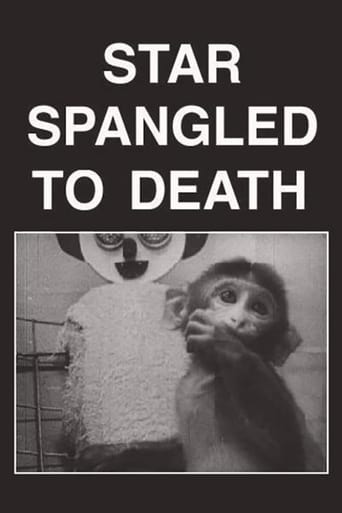
7.7An examination of the history of the U.S. through archival footage and contrasting views of society, incorporating audiovisual material ranging from political campaign films to animated cartoons to children’s phonograph records, featuring Al Jolson, Mickey Mouse, the young Jack Smith, and a half-dozen American presidents.
Star Spangled to Death
2004
 5.0
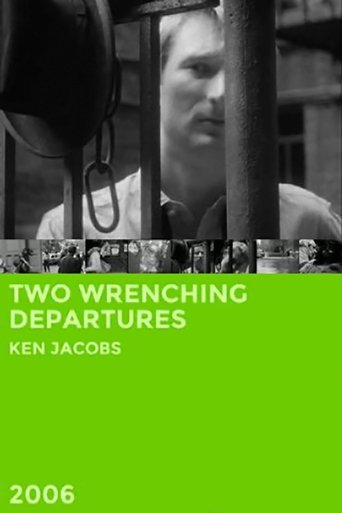
5.0Made in response to the death of his friends Bob Fleischner and Jack Smith, who died within one week of each other in 1989, this feature includes footage from Jacobs’s Star Spangled to Death showing Smith perambulating through downtown Manhattan, as well as views of Fleischner from Jacobs’s 1961 short The Whirled.
Two Wrenching Departures
2006
1990s · 2 titles
7.0Jonas Mekas assembles 160 portraits, appearances, and fleeting sketches of underground and independent filmmakers captured between 1955 and 1996. Fast-paced and archival in spirit, the film celebrates the avant-garde as its own “nation of cinema,” a vital community existing outside the dominance of commercial film.
Birth of a Nation
1997
Paul Mills is a miserable, lonely man leading a meaningless existence in a nameless city and has visions of the Spirit of Death waiting to collect him while having encounters with various people while seeking solace for his short life knowing it will end soon. Shadows in the City was the last major work of New York’s 1980s No Wave film scene. Shot over seven years in Manhattan, Brooklyn, and Queens, painter-performer Ari Roussimoff’s only fiction feature captures the urban desolation of the city in the decade before gentrification.
Shadows in the City
1991
1980s · 3 titles
 NR
NRHome movies shot on Super 8mm by W+B Hein over 10 years.
Home Movies 1971-81
1985
 6.3
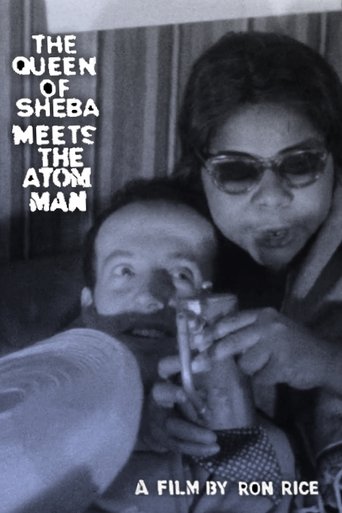
6.3“New York plays itself, as Taylor Mead and Winifred Bryan regale in pas de deux among the trashcans and the towers. The Studiedly Goofy and the Monumentally Grand are joined in masterly pas de don’t [...] The awed couple do battle with the status quo and teach the world to dance on the head of a bin. Rice detects real dignity in Bryan and amazing grace in Mead as they essay solitary promenades through the parks, subways and streets of a wintery New York landscape. Photographed and directed by Ron Rice, edited and scored by Taylor Mead.” –Edward Leffingwell
The Queen of Sheba Meets the Atom Man
1981
 7.0
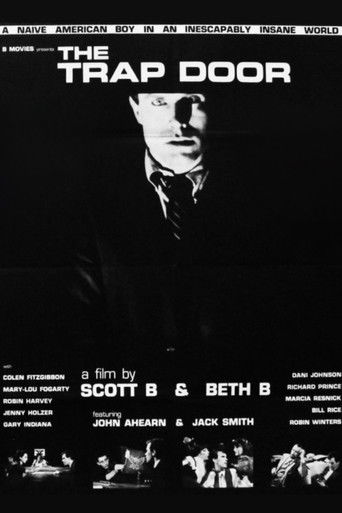
7.0A Nietzschian parable on the fate of innocence, THE TRAP DOOR follows the mishaps of Jeremy (John Ahearn) as he is fired by his boss (Jenny Holzer), gets laughed out of court by Judge Gary Indiana, loses his girlfriend to sleazy Richard Prince, is hustled by prospective employer (Bill Rice) and mauled by predatory bird-women. Finally, he seeks the help of a shrink (the legendary Jack Smith) who turns out to be the most demented of all.
The Trap Door
1980
1970s · 4 titles
5.0A man investigates the grisly crimes that occurred in a former insane asylum, unsettling the locals who all seem to have something to hide.
Night of the Dark Full Moon
1972
 NR
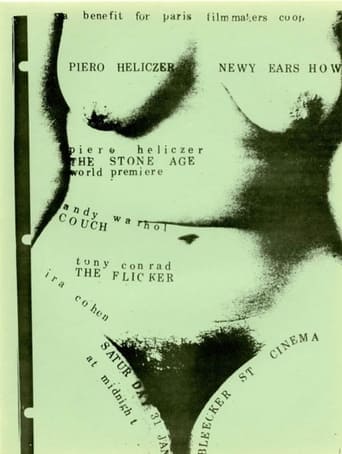
NR"The question is, it is either going to be a stoned age or a new Stone Age" - Louis Brigante
The Stone Age
1970
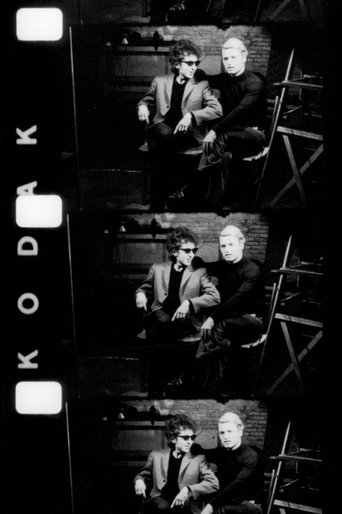 NR
NRThis compilation of Gerard Malanga's short films consists of a collection of extremely rare footage and film portraits providing candid and interesting glimpses of Bob Dylan, Salvador Dalí, Jane Fonda and The Velvet Underground among other 1960s icons and featuring original music by Angus MacLise, who was the first drummer to perform with The Velvet Underground.
Gerard Malanga's Film Notebooks
1970
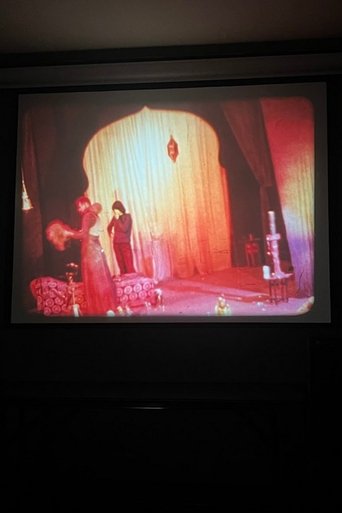 NR
NRPresents Jack Smith in a perfomance entitled Rented Island, an adaptation of Henrik Ibsen's Ghosts.
The Secret of Rented Island
1978
1960s · 28 titles
7.3Also known as Walden, Jonas Mekas’s first diary film is a six-reel chronicle of his life in 1960s New York, interweaving moments with family, friends, lovers, and artistic idols. Blending everyday encounters with portraits of the avant-garde art scene, it forms an epic, personal meditation on community, creativity, and the passage of time.
Diaries, Notes, and Sketches
1968
6.1Ron Rice's Chumlum is one of those films in which the conditions of its construction are integral to the experience of watching it. It is a record of a cadre of creative people having fun on camera, playing dress-up, dancing, flirting, lazing around.
Chumlum
1963
 4.6
4.6Batman Dracula is a 1964 black and white American film produced and directed by Andy Warhol, without the permission of DC Comics. The film was screened only at Warhol's art exhibits. A fan of the Batman series, Warhol made the movie as a homage. Batman Dracula is considered to be the first film featuring a blatantly campy Batman. The film was thought to have been lost until scenes from it were shown at some length in the documentary Jack Smith and the Destruction of Atlantis.
Batman Dracula
1964
 3.0
3.0Jack Smith poses in elaborate costumes, plays with everyday objects, and performs for the camera while his disjointed voiceover unfolds through songs, personal reflections, and provocative stories. Assembled by Ken Jacobs from unfinished footage shot by Bob Fleischner, this experimental film blends performance, fantasy, and dark humor into an unconventional portrait of its subject.
Blonde Cobra
1963
 6.0
6.0At the court of the Yellow Emperor, the Majoon Traveler & Lady Firefly appear in the Hall of Unconscious Magnetism.
The Invasion of Thunderbolt Pagoda
1968
 8.0
8.0The films were made between 1964 and 1966 at Warhol's Factory studio in New York City. Subjects were captured in stark relief by a strong key light, and filmed by Warhol with his stationary 16mm Bolex camera on silent, black and white, 100-foot rolls of film at 24 frames per second. The resulting two-and-a-half-minute film reels were then screened in 'slow motion' at 16 frames per second.
Andy Warhol Screen Tests
1965
 7.0
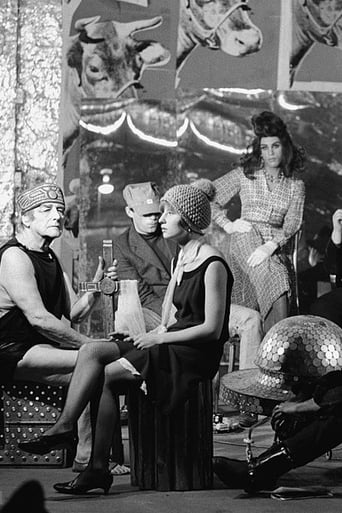
7.0Shot at Warhol's Silver Factory, Camp features a group of Superstars putting on a "summer camp" talent show complete with singing, dancing, jokes, poetry, and Gerard Malanga as master of ceremonies.
Camp
1965
 4.3
4.3Prometheus, on an Odyssean journey, crosses the Brooklyn Bridge in search of the characters of his imagination. After meeting the Muse, he proceeds to the "forest." There, under an apple tree, he communes with his selves, represented by celebrated personages from the New York "underground scene" who appear as modern correlatives to the figures of Greek mythology. The filmmaker, who narrates the situations with a translation of Aeschylus' Prometheus Bound, finds the personalities of his characters to have a timeless universality.
The Illiac Passion
1967
 NR
NRA rapid montage collage featuring Jack Smith and a Warholian kiss.
Jeremelu
1964
Egotistical faded star Hedy Lamarr visits a plastic surgeon to be transformed into the "14-year-old girl" she believes herself to be. She is then caught shoplifting by Mary Woronov and is put on trial, with Tavel as the judge and her five ex-husbands the jury. Hedy remains self-centered and detached throughout, posing and primping and bursting out renditions of "I Feel Pretty" and "Young at Heart."
Hedy
1966
 NR
NROne of four finished Batman Dracula shorts shown publicly by Warhol.
Batman Dracula – “Jack Gerard Smoking”
1964
 NR
NRIimura creates a short self-portrait as well as brief portraits of five of his peers: Brakhage, Vanderbeek, Smith, Mekas and Warhol. In each portrait, Iimura attempts to copy the styles and traits of each artist (Vanderbeek's constantly moving camera; Mekas' experiments with film speed; Warhol's use of flashes of white against a black background), while briefly commenting on the images being shown. The film serves effectively as an introduction to the film styles of these artists.
Filmmakers
1969
 NR
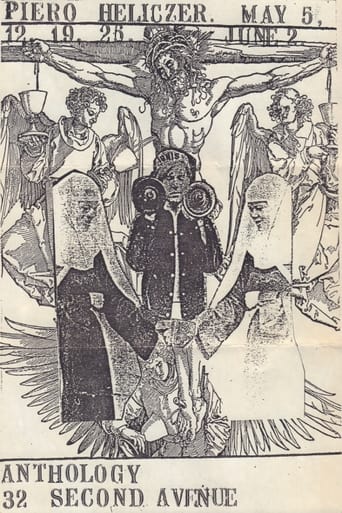
NRThe story of Joan of Arc as applied to the present revolution in arts and more. The Gothic is applied to the War in Vietnam. The film is experimental in the sense that in it the visual becomes tactile.
Joan of Arc
1967
Part of the Dirt Trilogy
Satisfaction
1966
 NR
NRThis is one of several films and slide shows that feature Smith as a mock celebrity. It opens with the excerpt from No President originally called "Marsh Gas of Flatulandia" - several minutes of black and white footage of steam escaping from manholes segues to an interior scene of various creatures emerging from dry ice vapors - then shifts to show the filmmaker, clad in a leopard skin jump suit, attended by a nurse as he sits amidst the detritus of his duplex loft. A fan presents him with a black-and-white glamour shot to autograph as Ondine, dressed entirely in black leather, snaps his picture. Violence erupts as the nurse takes out a whip to discipline the star's fans. When a female creature pulls out the same dagger depicted in the glamour shot, Smith jumps up and shakes the weapon from her hand. The action is post-scripted with footage of a steam shovel patrolling the rubble where the Broadway Central Hotel once stood.
I Was a Male Yvonne De Carlo for the Lucky Landlord.....
1967
 NR
NRA phantasmagoric exploration into the violence we house within ourselves.
The Devil is Dead
1964
NROne of four finished Batman Dracula shorts shown publicly by Warhol.
Batman Dracula – “Batman on Beach with Nymph”
1964
Andy Warhol film.
Andy Warhol Films Jack Smith Filming "Normal Love"
1963
 NR
NRDuring its 1969 showings at the Elgin Theater, No President was preceded by the color short filmed according to Smith’s direction by photographer Don Snyder (who also shot slides during the same session). Smith appeared as his red-wigged, plastic-jawed, alter ego Rose Courtyard, seated in a wheelchair amid the detritus of the Plaster Foundation. The film was accompanied by two rounds of Kate Smith singing “God Bless America”. Dressed in a red satin gown, clutching a bouquet of dead roses, Rose is finally moved to stand up and salute. The film was found in a can labeled “Song for Rent”, title of a 1971 mixed media production in which Smith appeared. (J. Hoberman)
Song for Rent
1969
 NR
NR16mm, color, silent
Electrolux Lover
1965
 NR
NRPart of Andy Warhol's Screen Tests series. Filmmaker and performance artist Jack Smith.
Screen Test: Jack Smith
1964
 10.0
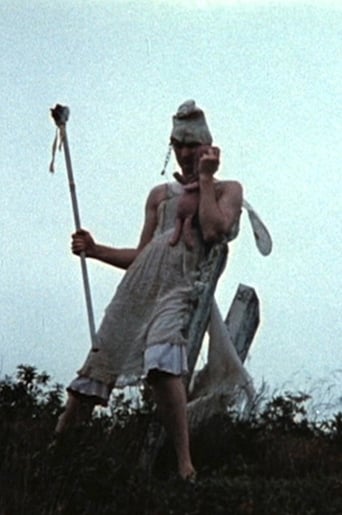
10.0Shot in Provincetown in the summer of '61 with the goal of funding a larger project, the film was never completed due to a violent argument between actor Jack Smith and director Ken Jacobs shortly after the shooting began. A title card explains that Smith 'would've starred as the Fairy Vampire.'
The Death of P'town
1961
 5.8
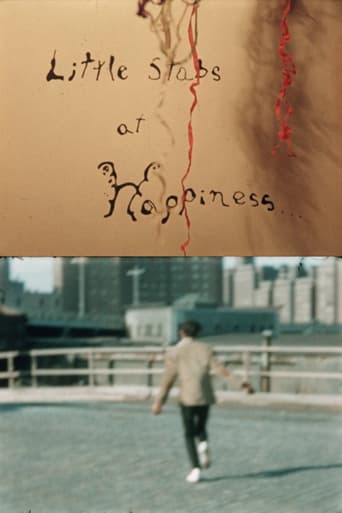
5.8Little Stabs at Happiness is a collection of silent shorts Jacobs shot from the period of 1959-1963. Jaunty tunes (and a somber reflection) accompany the footage.
Little Stabs at Happiness
1963
Two nuns take a bath, then meet a sailor on the Staten Island Ferry.
Dirt
1965
 NR
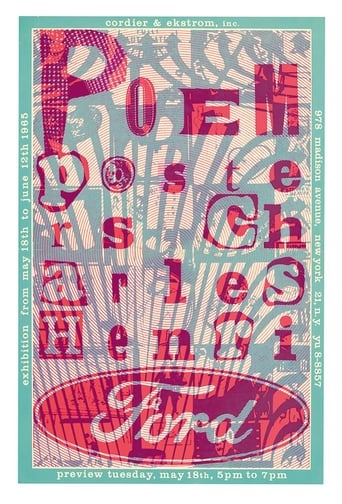
NR... with real-life portraits of Jayne Mansfield, Frak O'Hara, Ruth Ford, Ned Rorem, Virgil Thomson, Claes Oldenburg, Roy Lichtenstein, William Burroughs, Andy Warhol, Rudy Gernreich, Jonas Mekas and others.
Poem Posters
1967
A lonely, bohemian poet befriends the good, the bad and the ugly in this rooftop drama set in New York's lower East side of Eden.
Lovers of Eternity
1964
A documentary on the beginnings of the cultural revolution on the Lower East Side, New York.
The Soap Opera
1964
Features underground film makers and stars Jack Smith, Charles Ludlum, and Bill Vehr. A satirical film, comprising a collection of vignettes of the entertainment personalities who were famous during the "Roaring Twenties". Included is a take-off of the Ziegfeld Follies girl-parade, which features Ava-Graph's own pretty girls. Original music of the twenties. In stunning color
Flaming Twenties
1968
1950s · 2 titles
 NR
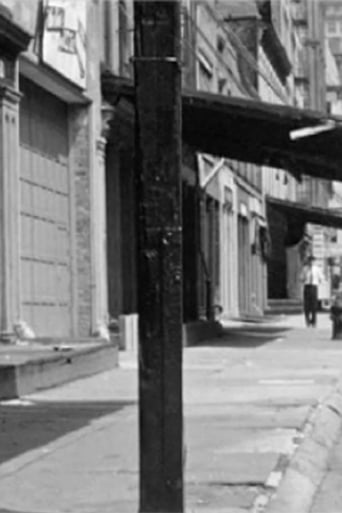
NRShort film with Jack Smith as the mysterious leader of an even-more-mysterious cult, garbed in pseudo-papal regalia and adorned with jewelry and makeup. His followers do his bidding by abducting and cross-dressing an unsuspecting mailman. Smith launches a processional and is soon joined by real neighborhood children in the streets of Lower Manhattan. Eventually, the police came along and shooting ends, but Ken Jacobs gets an overhead shot of Smith trying to explain himself to the cops.
Saturday Afternoon Blood Sacrifice
1956
 NR
NRJack Smith descends a fire escape in a makeshift "Arabian" costume and improvises increasingly frenetic choreography.
Little Cobra Dance
1956
Series credits
Behind the camera
 7.2
7.2A follow-up to now legendary film Flaming Creatures. This vivid, full-color homage to B-movies is a dizzying display of camp that clearly affirms Smith’s role as the driving force behind underground cinema and performance art of the post-war era. The director was known to constantly re-edit the film, often during screenings as it was still unspooling from the projector.
Normal Love
1965
Lost Jack Smith film
In the Grip of the Lobster Claw
1966
 4.8
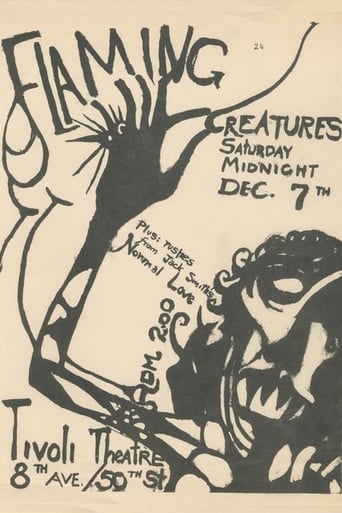
4.8Filmmaker and artist Jack Smith described his own film as a “comedy set in a haunted movie studio.” Flaming Creatures begins humorously enough with several men and women, mostly of indeterminate gender, vamping it up in front of the camera and participating in a mock advertisement for an indelible, heart-shaped brand of lipstick. However, things take a dark, nightmarish turn when a transvestite chases, catches and begins molesting a woman. Soon, all of the titular “creatures” participate in a (mostly clothed) orgy that causes a massive earthquake. After the creatures are killed in the resulting chaos, a vampire dressed like an old Hollywood starlet rises from her coffin to resurrect the dead. All ends happily enough when the now undead creatures dance with each other, even though another orgy and earthquake loom over the end title card.
Flaming Creatures
1963
4.8Filmmaker and artist Jack Smith described his own film as a “comedy set in a haunted movie studio.” Flaming Creatures begins humorously enough with several men and women, mostly of indeterminate gender, vamping it up in front of the camera and participating in a mock advertisement for an indelible, heart-shaped brand of lipstick. However, things take a dark, nightmarish turn when a transvestite chases, catches and begins molesting a woman. Soon, all of the titular “creatures” participate in a (mostly clothed) orgy that causes a massive earthquake. After the creatures are killed in the resulting chaos, a vampire dressed like an old Hollywood starlet rises from her coffin to resurrect the dead. All ends happily enough when the now undead creatures dance with each other, even though another orgy and earthquake loom over the end title card.
Flaming Creatures
1963
4.8Filmmaker and artist Jack Smith described his own film as a “comedy set in a haunted movie studio.” Flaming Creatures begins humorously enough with several men and women, mostly of indeterminate gender, vamping it up in front of the camera and participating in a mock advertisement for an indelible, heart-shaped brand of lipstick. However, things take a dark, nightmarish turn when a transvestite chases, catches and begins molesting a woman. Soon, all of the titular “creatures” participate in a (mostly clothed) orgy that causes a massive earthquake. After the creatures are killed in the resulting chaos, a vampire dressed like an old Hollywood starlet rises from her coffin to resurrect the dead. All ends happily enough when the now undead creatures dance with each other, even though another orgy and earthquake loom over the end title card.
Flaming Creatures
1963
NRThis is one of several films and slide shows that feature Smith as a mock celebrity. It opens with the excerpt from No President originally called "Marsh Gas of Flatulandia" - several minutes of black and white footage of steam escaping from manholes segues to an interior scene of various creatures emerging from dry ice vapors - then shifts to show the filmmaker, clad in a leopard skin jump suit, attended by a nurse as he sits amidst the detritus of his duplex loft. A fan presents him with a black-and-white glamour shot to autograph as Ondine, dressed entirely in black leather, snaps his picture. Violence erupts as the nurse takes out a whip to discipline the star's fans. When a female creature pulls out the same dagger depicted in the glamour shot, Smith jumps up and shakes the weapon from her hand. The action is post-scripted with footage of a steam shovel patrolling the rubble where the Broadway Central Hotel once stood.
I Was a Male Yvonne De Carlo for the Lucky Landlord.....
1967
 NR
NRThe filmmaker brings his camera to the Bowery, filming the homeless, interacting with them.
Wino
1970
NRDuring its 1969 showings at the Elgin Theater, No President was preceded by the color short filmed according to Smith’s direction by photographer Don Snyder (who also shot slides during the same session). Smith appeared as his red-wigged, plastic-jawed, alter ego Rose Courtyard, seated in a wheelchair amid the detritus of the Plaster Foundation. The film was accompanied by two rounds of Kate Smith singing “God Bless America”. Dressed in a red satin gown, clutching a bouquet of dead roses, Rose is finally moved to stand up and salute. The film was found in a can labeled “Song for Rent”, title of a 1971 mixed media production in which Smith appeared. (J. Hoberman)
Song for Rent
1969
 NR
NRRespectable Creatures is an unusual blending of Jack Smith's first known film, Buzzards over Baghdad, with stray images from Normal Love, concluding with material which he shot at Carnaval in Rio.
Respectable Creatures
1966
NRPresents Jack Smith in a perfomance entitled Rented Island, an adaptation of Henrik Ibsen's Ghosts.
The Secret of Rented Island
1978
Lost Jack Smith film
Zombie of Uncle Pawnshop
—
Lost Jack Smith film
Lucky Landlordism of Lobster Lagoon
1981
An addendum to Jack Smith's NORMAL LOVE
Normal Love Addendum Reel
1968
 5.0
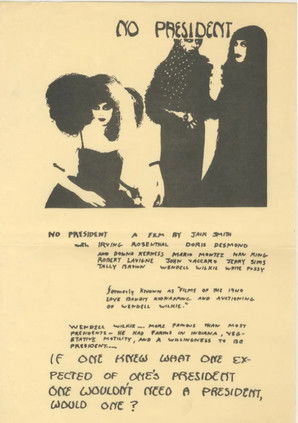
5.0Smith's third feature film was originally titled "The Kidnapping of Wendell Willkie by the Love Bandit," in reaction to the 1968 Presidential Campaign. It mixes B&W footage of Smith's creatures with old campaign footage of Willkie, a liberal Republican who ran against FDR in the 1940's. The climax of the work appears to be the "auctioning" of the presidential candidate at a convention.
No President
1969
5.0Smith's third feature film was originally titled "The Kidnapping of Wendell Willkie by the Love Bandit," in reaction to the 1968 Presidential Campaign. It mixes B&W footage of Smith's creatures with old campaign footage of Willkie, a liberal Republican who ran against FDR in the 1940's. The climax of the work appears to be the "auctioning" of the presidential candidate at a convention.
No President
1969
 NR
NRTwo men dressed as children jump up and down, ad nauseum
Overstimulated
1963
 NR
NRA tropical island fantasy.
Jungle Island
1967
 9.0
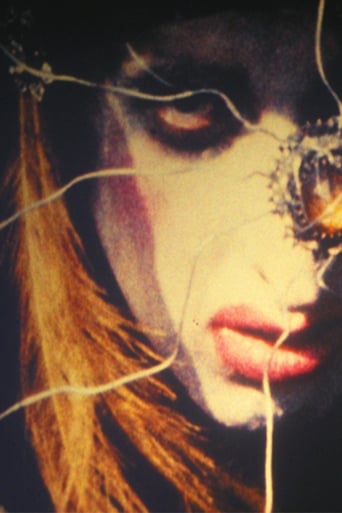
9.0A sort of addendum to Smith's second feature, NORMAL LOVE, but which stands on its own as an anarchic ode to (and explosion of) pop culture, featuring none other than Tiny Tim.
The Yellow Sequence
1965
 NR
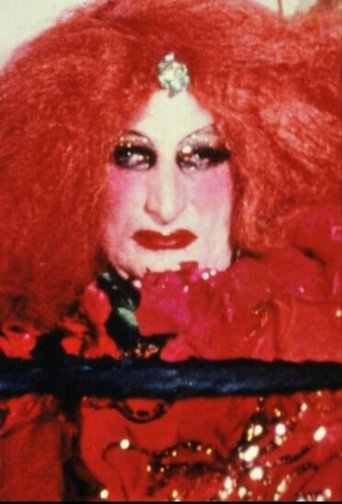
NRA documentation of a Jack Smith drag performance featuring a large red wig.
Hot Air Specialists
1980
 4.4
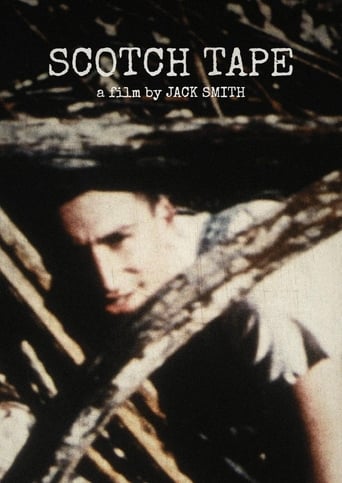
4.4Shot in 1959, Scotch Tape is Jack Smith's first film -- a joyous, three-minute romp, in color, using Peter Duchin's rhumba "Carinhoso" for its soundtrack. Three young men merrily bop through the wreckage of razed buildings at the site of what would become Lincoln Center. Apparently, Scotch Tape was never edited and, instead, was cut in the camera by Smith, combining long shots and close-ups while filming mostly from overhead. The title comes from a small strip of scotch tape that was accidentally stuck on the camera and so is visible in the lower-right corner of the frame throughout the film.
Scotch Tape
1963