
Directing
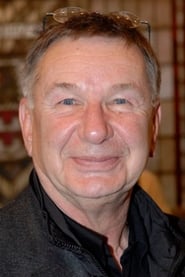
Volker Koepp
Born
1944-06-22 (82)
Place of birth
Stettin (Szczecin), Pomerania
Known for
Directing
Credits
50 titles
Volker Koepp (born June 22, 1944 in Stettin, Pomerania) is a German documentary film director. In 1975, he began a film series about Wittstock. He gained international recognition with Herr Zwilling und Frau Zuckermann (1999).
Known for
 7.3
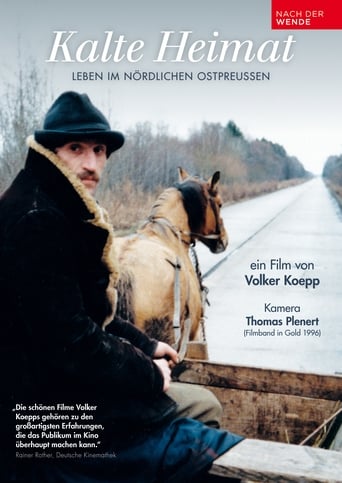
7.3In this documentary Volker Koepp shows part of the history of Prussia. He begins 700 years ago with the land of the Pruzzen situated between the rivers Weichsel and Memel and proceeds the development of the state.
Cold Homeland
1995
 NR
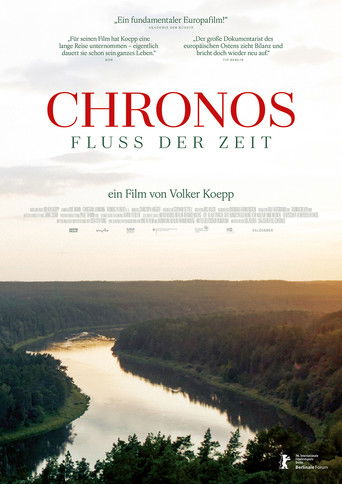
NRTracing biographical lines, Volker Koepp steps into his oeuvre, rich in encounters. Returning to Lithuania, Moldova and Chernivtsi, he looks back and brings things up to date, as the war against Ukraine becomes a determining element of the present. Epic.
Chronos - Flow of Time
2026
Documentary about the sisters Lene and Berta who live in a village in Thuringia.
Hütes-Film
1978
 8.0
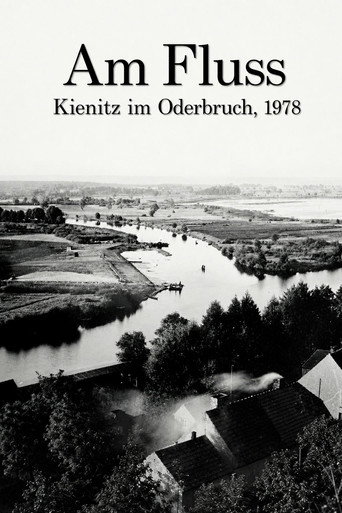
8.0A documentary about the village Kienitz at the river Oder, about the people, their life, their history.
At the River
1979
 7.0
7.0No synopsis available yet.
Sammelsurium - Ein ostelbischer Kulturfilm
1992
 9.0
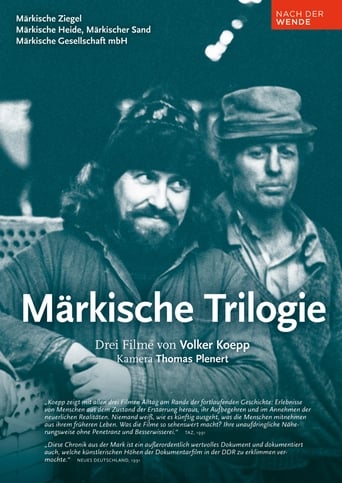
9.0Volker Koepp revisits Zehdenick and Grüneberg, East Germany. People are struggling with the new political and economical conditions shortly before the German Reunification.
Märkische Heide, Märkischer Sand
1990
Film credits
2000s · 2 titles
Documentary by Jan Sebening and Daniel Sponsel.
The Last Documentary
2000
 6.3
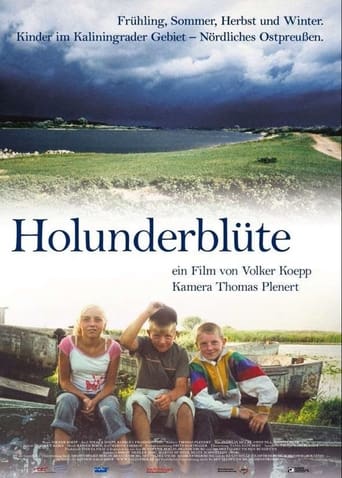
6.3The film tells the story of the East Prussian landscape and its inhabitants. At one time Germans, Poles, Lithuanians and Jews lived here alongside and with one another. After World War II and the expulsion of Germans by Stalin, the Prussian province turned into a Russian enclave. Volker Koepp’s fourth film about the Kaliningrad region is dedicated to the generation, born in the '90s, and familiar with the Soviet Union and East Prussia only from school books. Parents and grandparents who were forcefully resettled to where they are now have never really felt at home. In the meantime they have hopelessly succumbed to unemployment and alcohol. Their children can only rely on themselves. Older siblings look after the younger ones, they play with what lies around, and the girl Ljuda can’t wait to finally turn eighteen, to be able to take her brothers home from the orphanage. The film has much confidence in the children. But what will become of them?
Elder Blossom
2007
1990s · 6 titles
7.0No synopsis available yet.
Sammelsurium - Ein ostelbischer Kulturfilm
1992
 8.0
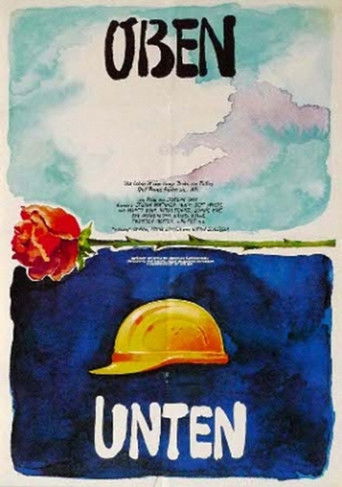
8.0Comedy drama about one of life's perennial losers who finally strikes it lucky with a beautiful woman, but not before experiencing the usual seemingly endless pitfalls.
Up – Down
1994
Interview with Volker Koepp about his filmmaking practice conducted and directed by Christoph Hübner
Documentary filmmaking: Christoph Hübner talks with Volker Koepp
1995
A group of men shoot their mouths off in a pub. Their animated talk is all action-packed yarns and, of course, about women.
Playboys
1998
Documentary about a farmer's wife in former East Prussia.
Fremde Ufer
1996
 8.0
8.0Shortly behind the once East Prussian, now Russian town of Tilsit, the Memel splits into a delta. The widest arms of this delta, the Ruß and Gilge, finally flow into the Curonian Lagoon. The river landscape is characterized by high soil moisture. Cultivation was only possible thanks to a complicated drainage system. The Gilge was also an important waterway. Today, this drainage system is decaying, the Gilge is silting up and the landscape is being renaturalized. The old villages are falling into disrepair due to a lack of money and life is characterized by increasing poverty. We meet the inhabitants, such as the farmer Anatoli, who came here from Siberia and built a new house on the foundations of a German house, or old Anastasia, who can still remember living with the Germans until they were expelled.
Die Gilge
1998
Behind the camera
7.3In this documentary Volker Koepp shows part of the history of Prussia. He begins 700 years ago with the land of the Pruzzen situated between the rivers Weichsel and Memel and proceeds the development of the state.
Cold Homeland
1995
7.3In this documentary Volker Koepp shows part of the history of Prussia. He begins 700 years ago with the land of the Pruzzen situated between the rivers Weichsel and Memel and proceeds the development of the state.
Cold Homeland
1995
NRTracing biographical lines, Volker Koepp steps into his oeuvre, rich in encounters. Returning to Lithuania, Moldova and Chernivtsi, he looks back and brings things up to date, as the war against Ukraine becomes a determining element of the present. Epic.
Chronos - Flow of Time
2026
Documentary about the sisters Lene and Berta who live in a village in Thuringia.
Hütes-Film
1978
Documentary about the sisters Lene and Berta who live in a village in Thuringia.
Hütes-Film
1978
8.0A documentary about the village Kienitz at the river Oder, about the people, their life, their history.
At the River
1979
8.0A documentary about the village Kienitz at the river Oder, about the people, their life, their history.
At the River
1979
7.0No synopsis available yet.
Sammelsurium - Ein ostelbischer Kulturfilm
1992
7.0No synopsis available yet.
Sammelsurium - Ein ostelbischer Kulturfilm
1992
9.0Volker Koepp revisits Zehdenick and Grüneberg, East Germany. People are struggling with the new political and economical conditions shortly before the German Reunification.
Märkische Heide, Märkischer Sand
1990
9.0Volker Koepp revisits Zehdenick and Grüneberg, East Germany. People are struggling with the new political and economical conditions shortly before the German Reunification.
Märkische Heide, Märkischer Sand
1990
No synopsis available yet.
Das 7. Jahr – Ansichten zur Lage der Nation
1997
 9.0
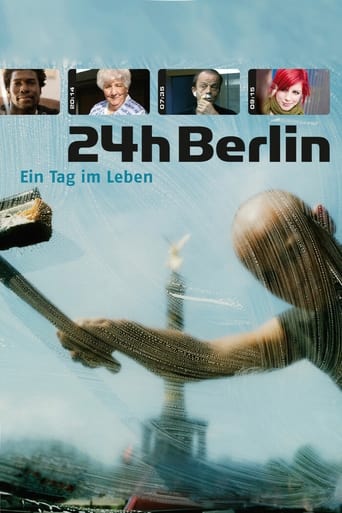
9.024-hour television documentary about Berlin and its inhabitants, reporting in real time on the everyday lives of more than 50 protagonists from a wide range of professions, social classes, religions and ethnicities.
24 Hours Berlin
2009
 10.0
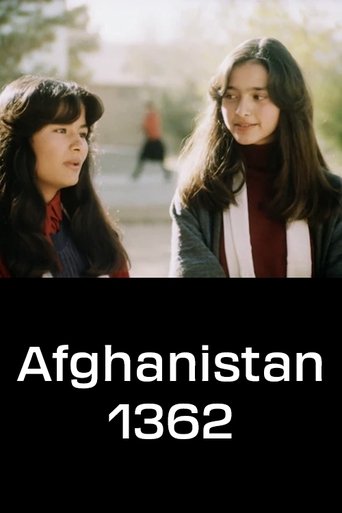
10.0In December 1979, the Soviet Union invaded Afghanistan. Four years later—the Islamic calendar's year 1362—, director Volker Koepp visited Kabul and neighboring provinces. Koepp met a cross-section of people, such as soldiers, intellectuals, kids, and nomads, and with sensitive intensity told stories of their daily lives in the turmoil of an “undeclared war.” This travelogue, which was undertaken with the GDR’s consent, took a political risk because it expresses Koepp’s doubt that conflicts can be solved through military invention.
Afghanistan 1362: Memories of a Journey
1985
 9.0
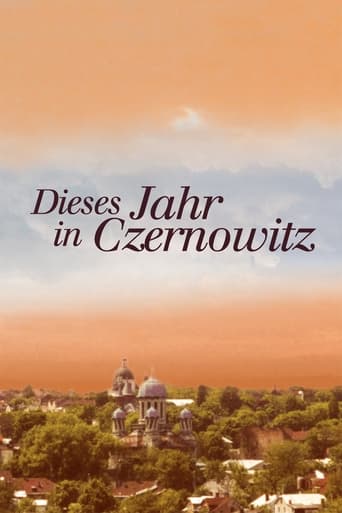
9.0Chernivtsi, an out-of-the-way city in the middle of Europe. It was once part of the Austro-Hungarian monarchy as the capital of the crown province of Bukowina. People of many different nationalities, languages, and cultures lived here together: Ukrainians, Romanians, Germans, Poles, Huzulians. Almost half of the population of Chernivtsi, once amounting to 150,000 inhabitants, were Jews. The southern part of Bukowina is now part of Romania, the north, with Czernowitz/Chernivtsi, belongs to the Ukraine. Six years ago Volker Koepp made his film Herr Zwilling und Frau Zuckermann there. Dieses Jahr in Chernivtsi returns there with emigrants and their descendants.
This Year in Czernowitz
2004
9.0Chernivtsi, an out-of-the-way city in the middle of Europe. It was once part of the Austro-Hungarian monarchy as the capital of the crown province of Bukowina. People of many different nationalities, languages, and cultures lived here together: Ukrainians, Romanians, Germans, Poles, Huzulians. Almost half of the population of Chernivtsi, once amounting to 150,000 inhabitants, were Jews. The southern part of Bukowina is now part of Romania, the north, with Czernowitz/Chernivtsi, belongs to the Ukraine. Six years ago Volker Koepp made his film Herr Zwilling und Frau Zuckermann there. Dieses Jahr in Chernivtsi returns there with emigrants and their descendants.
This Year in Czernowitz
2004
 NR
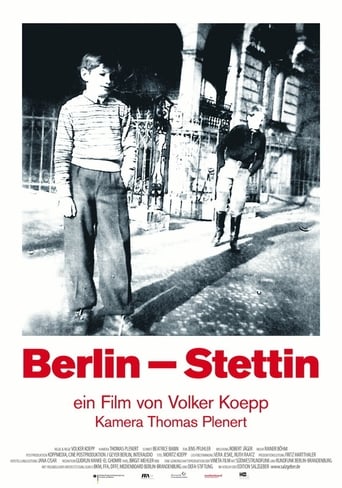
NRIn his film "Berlin-Stettin", well-known documentary film director Volker Koepp embarks on a journey to the places of his own past: Born in 1944 in Stettin (now the Polish city of Szczecin) and grown up in Berlin-Karlshorst, Koepp has again and again met people and found places located between the two cities that he turned into the protagonists of his films – in Brandenburg, in Mecklenburg, and in Pomerania. Now, he once again returns to these places and finds out that his own biography overlaps with the biographies of his found again protagonists as well as with the history of this region. During his search for traces, Koepp at the same time finds new people, new regions, and new themes that are also worth becoming a part of Koepp′s narration.
Berlin - Stettin
2009
NRIn his film "Berlin-Stettin", well-known documentary film director Volker Koepp embarks on a journey to the places of his own past: Born in 1944 in Stettin (now the Polish city of Szczecin) and grown up in Berlin-Karlshorst, Koepp has again and again met people and found places located between the two cities that he turned into the protagonists of his films – in Brandenburg, in Mecklenburg, and in Pomerania. Now, he once again returns to these places and finds out that his own biography overlaps with the biographies of his found again protagonists as well as with the history of this region. During his search for traces, Koepp at the same time finds new people, new regions, and new themes that are also worth becoming a part of Koepp′s narration.
Berlin - Stettin
2009
 NR
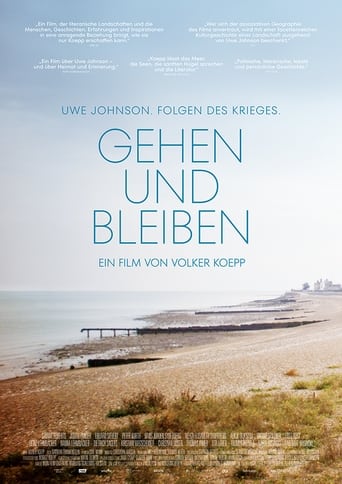
NRMeetings with readers, acquaintances and contemporaries of writer Uwe Johnson at the places where he lived. Volker Koepp, who is also from Pomerania, looks for Johnson’s sophisticated literary voice in the landscapes of the region they both stem from.
Leaving and Staying
2023
NRMeetings with readers, acquaintances and contemporaries of writer Uwe Johnson at the places where he lived. Volker Koepp, who is also from Pomerania, looks for Johnson’s sophisticated literary voice in the landscapes of the region they both stem from.
Leaving and Staying
2023
 7.0
7.0In the west of Ukraine, not far from the border to Romania, there is a faraway European city: Chernivtsi. It was once the centre of Jewish culture in the Bukowina, a border area characterized over centuries by a multi-cultural mixture of peoples. Here, Ukrainians, Poles, Romanians, Germans and Jews lived side by side. Volker Koepp’s film focuses on Mr. Zwilling and Mrs. Zuckermann, two of the last few Jews born in the old Chernivtsi/Czernowitz. They share a friendship but also their love for the German language. Mr. Zwilling visits 90-year-old Mrs. Zuckermann daily in the early hours of the evening. They talk about old times, about shared events, about politics and literature and the worries of everyday life.
Mr. Zwilling and Mrs. Zuckerman
1999
7.0In the west of Ukraine, not far from the border to Romania, there is a faraway European city: Chernivtsi. It was once the centre of Jewish culture in the Bukowina, a border area characterized over centuries by a multi-cultural mixture of peoples. Here, Ukrainians, Poles, Romanians, Germans and Jews lived side by side. Volker Koepp’s film focuses on Mr. Zwilling and Mrs. Zuckermann, two of the last few Jews born in the old Chernivtsi/Czernowitz. They share a friendship but also their love for the German language. Mr. Zwilling visits 90-year-old Mrs. Zuckermann daily in the early hours of the evening. They talk about old times, about shared events, about politics and literature and the worries of everyday life.
Mr. Zwilling and Mrs. Zuckerman
1999
36 year old welder Karin works at an agricultural factory in Mecklenburg, Germany.
Tag für Tag
1979
36 year old welder Karin works at an agricultural factory in Mecklenburg, Germany.
Tag für Tag
1979
 NR
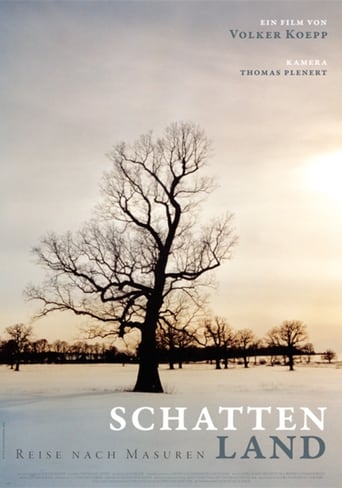
NRA documentary about Masuria, a province in the northeast of Poland, which is probably the most renowned part of former East-Prussia. Albeit a recent boom in tourism, the sparsely populated region still remains one of the poorest regions in Europe. The impressively photographed film reflects upon the eventful history of this land: It portrays farmers, who struggle to work the barren land; fishermen, who fight for their existence, and Ukrainians, who were once forced to relocate and now return to their old home in the East.
Schattenland - Reise nach Masuren
2005
NRA documentary about Masuria, a province in the northeast of Poland, which is probably the most renowned part of former East-Prussia. Albeit a recent boom in tourism, the sparsely populated region still remains one of the poorest regions in Europe. The impressively photographed film reflects upon the eventful history of this land: It portrays farmers, who struggle to work the barren land; fishermen, who fight for their existence, and Ukrainians, who were once forced to relocate and now return to their old home in the East.
Schattenland - Reise nach Masuren
2005
 NR
NRBiographical search for traces of the poet Vladimir Mayakovsky (1893-1930) in Georgia. During his early, pre-Revolution period leading into 1917, Mayakovsky became renowned as a prominent figure of the Russian Futurist movement.
Sommergäste bei Majakowski
1967
NRBiographical search for traces of the poet Vladimir Mayakovsky (1893-1930) in Georgia. During his early, pre-Revolution period leading into 1917, Mayakovsky became renowned as a prominent figure of the Russian Futurist movement.
Sommergäste bei Majakowski
1967
 NR
NRDocumentary about the region next to the river Memel.
Memelland
2008
NRDocumentary about the region next to the river Memel.
Memelland
2008
 9.0
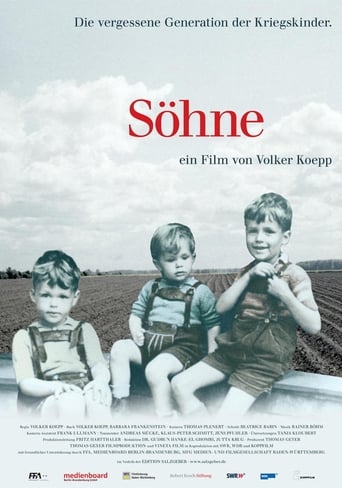
9.0In early 1945, the mother Elisabeth Paetzold flees from the Red Army from West Prussia towards the west with the two oldest of her four sons. Taking all the children at the same time seems too dangerous to her, so she leaves her two youngest in the hope of catching them up later, in the care of grandparents. In post-war Poland, she sets out in search of them, but she no longer succeeds in uniting them all. Only now, in this documentary, a reunion takes place. And there are five stories about the common family history audible that is so incredible, but not rare...
Söhne
2007
9.0In early 1945, the mother Elisabeth Paetzold flees from the Red Army from West Prussia towards the west with the two oldest of her four sons. Taking all the children at the same time seems too dangerous to her, so she leaves her two youngest in the hope of catching them up later, in the care of grandparents. In post-war Poland, she sets out in search of them, but she no longer succeeds in uniting them all. Only now, in this documentary, a reunion takes place. And there are five stories about the common family history audible that is so incredible, but not rare...
Söhne
2007
 NR
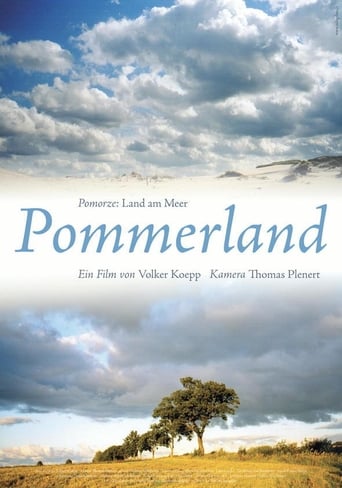
NRIn his documentary film, Volker Koepp portrays the picturesque Polish region of Pomerania. But although the region appears to be idyllic, its inhabitants are struggling with big problems. The villages and cities of Pomerania that traditionally live from agriculture are hit by unemployment rates of up to 75% after the meltdown of the state farms. While most of the young people leave the region, some of them take their chances and start fresh – for instance, a young couple that tries to rebuild an agricultural farm with the help of EU funding. Furthermore, older inhabitants, including a spry 90-year old retiree from the Uckermark region who grew up in Pomerania, tell stories about the region′s eventful past.
Pommerland
2005
NRIn his documentary film, Volker Koepp portrays the picturesque Polish region of Pomerania. But although the region appears to be idyllic, its inhabitants are struggling with big problems. The villages and cities of Pomerania that traditionally live from agriculture are hit by unemployment rates of up to 75% after the meltdown of the state farms. While most of the young people leave the region, some of them take their chances and start fresh – for instance, a young couple that tries to rebuild an agricultural farm with the help of EU funding. Furthermore, older inhabitants, including a spry 90-year old retiree from the Uckermark region who grew up in Pomerania, tell stories about the region′s eventful past.
Pommerland
2005
No synopsis available yet.
The Wheel
1993
 NR
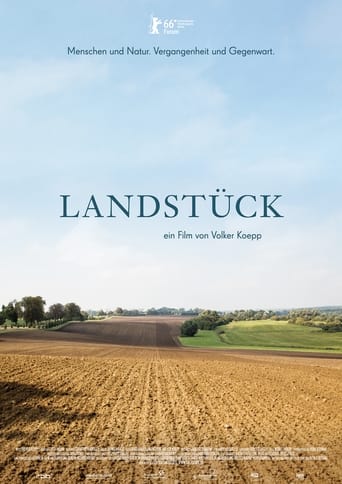
NRThe end moraines of the Uckermark have kept Volker Koepp busy for decades. Following the socio-historical "Uckermark", he devotes himself in "Landstück" even more intensively to conveying the sensory experience of this sparsely populated, ecologically fascinating region between Berlin and the Baltic Sea.
Landstück
2016
NRThe end moraines of the Uckermark have kept Volker Koepp busy for decades. Following the socio-historical "Uckermark", he devotes himself in "Landstück" even more intensively to conveying the sensory experience of this sparsely populated, ecologically fascinating region between Berlin and the Baltic Sea.
Landstück
2016
 7.0
7.0Documentary about the German poet Erich Weinert.
Even Today He’d Speak His Mind
1975
7.0Documentary about the German poet Erich Weinert.
Even Today He’d Speak His Mind
1975
6.3The film tells the story of the East Prussian landscape and its inhabitants. At one time Germans, Poles, Lithuanians and Jews lived here alongside and with one another. After World War II and the expulsion of Germans by Stalin, the Prussian province turned into a Russian enclave. Volker Koepp’s fourth film about the Kaliningrad region is dedicated to the generation, born in the '90s, and familiar with the Soviet Union and East Prussia only from school books. Parents and grandparents who were forcefully resettled to where they are now have never really felt at home. In the meantime they have hopelessly succumbed to unemployment and alcohol. Their children can only rely on themselves. Older siblings look after the younger ones, they play with what lies around, and the girl Ljuda can’t wait to finally turn eighteen, to be able to take her brothers home from the orphanage. The film has much confidence in the children. But what will become of them?
Elder Blossom
2007