
Camera
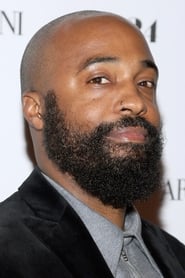
Bradford Young
Born
1977-07-06 (49)
Place of birth
Louisville, Kentucky, USA
Known for
Camera
Credits
6 titles
Bradford Marcel Young, A.S.C (born July 6, 1977) is an American cinematographer. He is best known for his work on the films Selma, A Most Violent Year (both 2014), Arrival (2016)—which earned him a nomination for an Academy Award for Best Cinematography—and Solo: A Star Wars Story (2018), as well as the Netflix miniseries When They See Us (2019). Description above from the Wikipedia article Bradford Young, licensed under CC-BY-SA, full list of contributors on Wikipedia.
Known for
 7.3
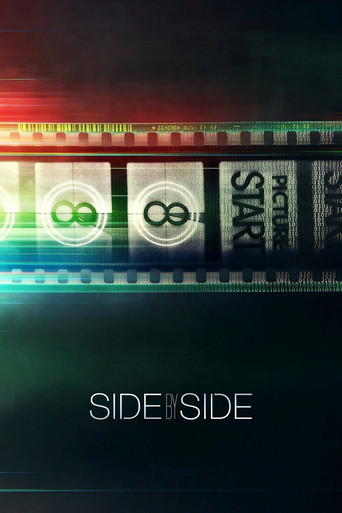
7.3Since the invention of cinema, the standard format for recording moving images has been film. Over the past two decades, a new form of digital filmmaking has emerged, creating a groundbreaking evolution in the medium. Keanu Reeves explores the development of cinema and the impact of digital filmmaking via in-depth interviews with Hollywood masters, such as James Cameron, David Fincher, David Lynch, Christopher Nolan, Martin Scorsese, George Lucas, Steven Soderbergh, and many more.
Side by Side
2012
 7.0
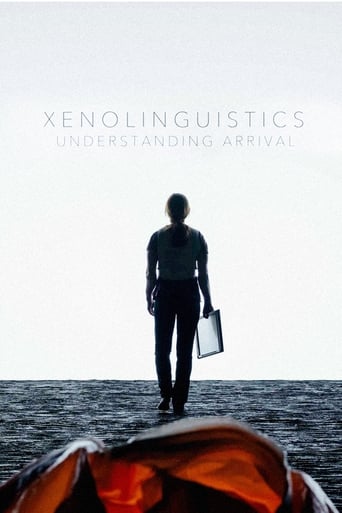
7.0A look at the source story, core human themes, the challenges and process of bringing the story to the screen, casting, creating realistic characters within their fields of expertise, alien ship and being design, costumes, alien language construction, and Denis Villeneuve's work.
Xenolinguistics: Understanding 'Arrival'
2017
 NR
NRInspired by some of the greatest musical recordings and performances 'behind bars', Young imagines a time and place where jails and prisons are no longer filled with bodies but are ruins of a time of isolation, pain and absence. A film about our collective redemption. About second chances, forgiving mistakes, rehabilitation, love and exoneration.
Letter to the Free
2016
 1.0
1.0A visual celebration of the beauty, strength, perseverance and spirit of the Black community in these troubling times.
Black America Again
2016
 NR
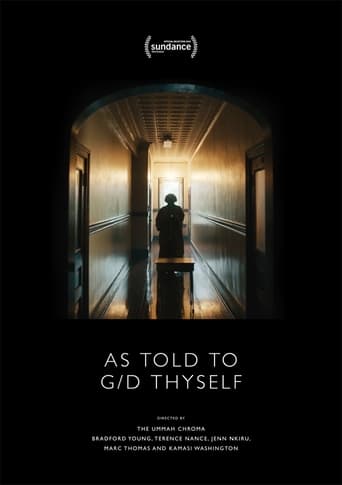
NRThe cosmic journey of sacred youth, during which pain, pleasure, and sublimation are nonnegotiable.
Kamasi Washington - As Told To G/D Thyself
2019
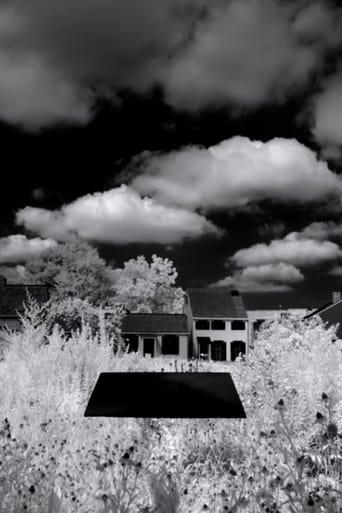
REkOGNIZE is a three-channel video installation and a meditation on photography, memory, and movement. Artist and Academy Award-nominated cinematographer Bradford Young (Selma, Arrival) finds inspiration in Pittsburgh’s Hill District neighborhood, a site of the early 20th-century Great Migration. During this time, millions of African Americans moved from the rural southern United States to cities in the north and west. The Hill District saw a flourishing of culture during these years and was a site of artistic development for luminaries such as August Wilson, Charles “Teenie” Harris, Errol Garner, and many others. REkOGNIZE takes its visual cues from the Pittsburgh landscape, especially the city’s tunnels, which serve not only as literal entry points into the city, but also as metaphors for this movement of people and culture.
REkOGNIZE
—
Film credits
2010s · 2 titles
7.3Since the invention of cinema, the standard format for recording moving images has been film. Over the past two decades, a new form of digital filmmaking has emerged, creating a groundbreaking evolution in the medium. Keanu Reeves explores the development of cinema and the impact of digital filmmaking via in-depth interviews with Hollywood masters, such as James Cameron, David Fincher, David Lynch, Christopher Nolan, Martin Scorsese, George Lucas, Steven Soderbergh, and many more.
Side by Side
2012
7.0A look at the source story, core human themes, the challenges and process of bringing the story to the screen, casting, creating realistic characters within their fields of expertise, alien ship and being design, costumes, alien language construction, and Denis Villeneuve's work.
Xenolinguistics: Understanding 'Arrival'
2017
Behind the camera
NRInspired by some of the greatest musical recordings and performances 'behind bars', Young imagines a time and place where jails and prisons are no longer filled with bodies but are ruins of a time of isolation, pain and absence. A film about our collective redemption. About second chances, forgiving mistakes, rehabilitation, love and exoneration.
Letter to the Free
2016
1.0A visual celebration of the beauty, strength, perseverance and spirit of the Black community in these troubling times.
Black America Again
2016
NRThe cosmic journey of sacred youth, during which pain, pleasure, and sublimation are nonnegotiable.
Kamasi Washington - As Told To G/D Thyself
2019
REkOGNIZE is a three-channel video installation and a meditation on photography, memory, and movement. Artist and Academy Award-nominated cinematographer Bradford Young (Selma, Arrival) finds inspiration in Pittsburgh’s Hill District neighborhood, a site of the early 20th-century Great Migration. During this time, millions of African Americans moved from the rural southern United States to cities in the north and west. The Hill District saw a flourishing of culture during these years and was a site of artistic development for luminaries such as August Wilson, Charles “Teenie” Harris, Errol Garner, and many others. REkOGNIZE takes its visual cues from the Pittsburgh landscape, especially the city’s tunnels, which serve not only as literal entry points into the city, but also as metaphors for this movement of people and culture.
REkOGNIZE
—