
Writing
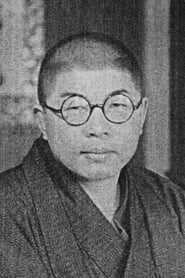
Yasutaro Yagi
Born — Died
1903-02-03 — 1987-09-08
Place of birth
Gunma, Japan
Known for
Writing
Credits
42 titles
Yasutarō Yagi (3 February 1903 – 8 September 1987) was a Japanese screenwriter, mostly famous for his adaptations of literary works for the director Tomu Uchida in the 1930s, such as Jinsei gekijō and Kagirinaki zenshin, and for his collaborations with leftist filmmakers such as Kaneto Shindo and Tadashi Imai in the postwar period. He served as president of the Japan Screenwriters Guild. Wikipedia contributors. "Yasutarō Yagi." Wikipedia, The Free Encyclopedia. Wikipedia, The Free Encyclopedia, 24 Jan. 2021. Web. 3 Nov. 2021.
Known for
 7.4
7.4Historical fiction about the aftermath of the atomic bombing of Hiroshima, Japan, on 6 August 1945, and its effects on various civilians, especially children, of that city.
Hiroshima
1953
 6.8
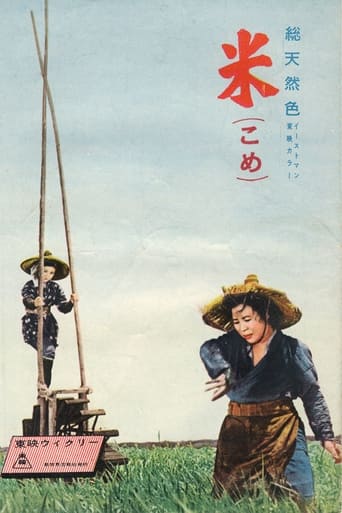
6.8A touching story depicting the harsh lives of farmers in Kasumigaura. An attempt to start a fishery business to revive an ailing farming community creates friction amongst the proud residents.
Rice
1957
 6.6
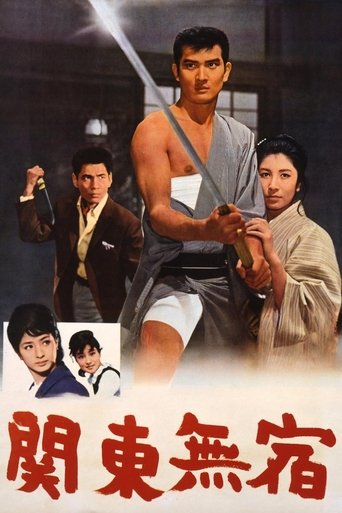
6.6Handsome young Katsuta tries to follow the yakuza code, but even his boss doesn't believe in it. Diamond Fuyu is less ethical, and allows the idiotic Tetsu to trick a schoolgirl he fancies, Hanako, into a type of bonded prostitution. Because of gang conflict, the Izu family (to whom Katsuta belongs) has their last gambling den taken over, and he seeks revenge. This brings him back into contact with a former lover who is also a card trickster - she is also Diamond Fuyu's sister, and is now married to Okaru-Hachi, who has mastered a clever card cheating trick called Okaru, which involves the deft use of mirrors.
Kanto Wanderer
1963
 10.0
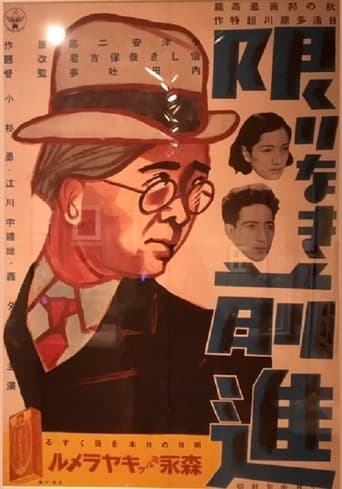
10.0One of Uchida’s early sound films, Unending Advance is based on a curious story by Yasujiro Ozu, in which an examination of the quotidian problems of a middle-aged salaryman and his family segues into an idyllic dream of an implausible future. The surviving print, although incomplete, offers an essential glimpse into Uchida’s prewar period, when he was associated more with realist dramas than with the period films that dominated his work after the war.
Unending Advance
1937
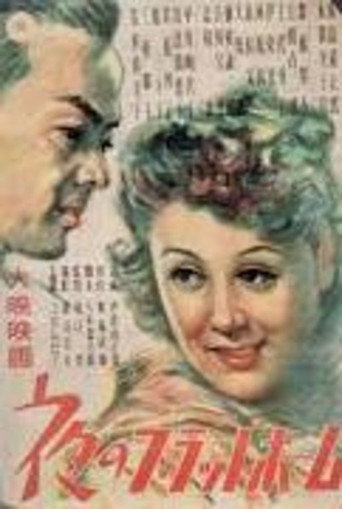 NR
NRA realistic film that sharply portrays a cross-section of postwar society.
Platform at Night
1948
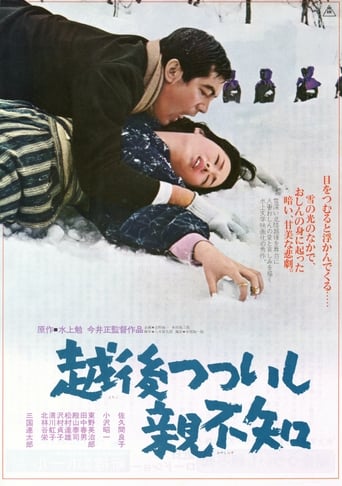 7.2
7.2A sake factory worker on holiday returns to his home town, where he rapes the wife of one of his co-workers in the forest. The other man returns home to find his wife changed and suspects that she has been unfaithful.
A Story from Echigo
1964
Film credits
1930s · 2 titles
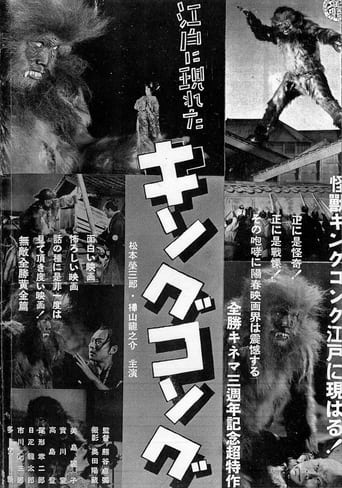 6.7
6.7A lost film considered one of Japan's first Tokusatsu films. The effects were done by Fuminori Ohashi, who claims to have been a modeling consultant for Godzilla 1954 (this claim is disputed by modeler Eizo Kaimai and art staff member Shinji Hiruma). The film's synopsis published in the March 1938 issue of Kinema Junpo indicates that the "Kong" featured in this film was not actually a giant monster.
The King Kong That Appeared in Edo
1938
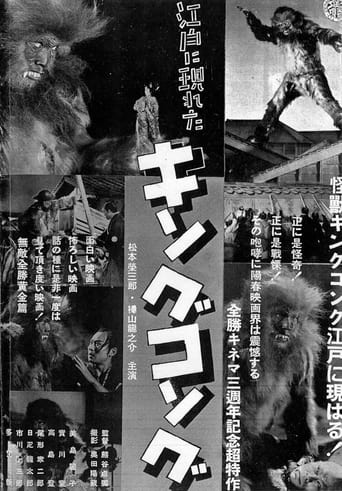 5.0
5.0In part two of this silent two-part film, an ape nicknamed King Kong by its master has kidnapped the daughter of a wealthy man as part of a revenge plot by one of his lackeys. The conclusion of the story from Edo ni arawareta Kingu Kongu: Henge no maki (1938).
King Kong Appears in Edo: The Episode of Gold
1938
Behind the camera
7.4Historical fiction about the aftermath of the atomic bombing of Hiroshima, Japan, on 6 August 1945, and its effects on various civilians, especially children, of that city.
Hiroshima
1953
6.8A touching story depicting the harsh lives of farmers in Kasumigaura. An attempt to start a fishery business to revive an ailing farming community creates friction amongst the proud residents.
Rice
1957
6.6Handsome young Katsuta tries to follow the yakuza code, but even his boss doesn't believe in it. Diamond Fuyu is less ethical, and allows the idiotic Tetsu to trick a schoolgirl he fancies, Hanako, into a type of bonded prostitution. Because of gang conflict, the Izu family (to whom Katsuta belongs) has their last gambling den taken over, and he seeks revenge. This brings him back into contact with a former lover who is also a card trickster - she is also Diamond Fuyu's sister, and is now married to Okaru-Hachi, who has mastered a clever card cheating trick called Okaru, which involves the deft use of mirrors.
Kanto Wanderer
1963
10.0One of Uchida’s early sound films, Unending Advance is based on a curious story by Yasujiro Ozu, in which an examination of the quotidian problems of a middle-aged salaryman and his family segues into an idyllic dream of an implausible future. The surviving print, although incomplete, offers an essential glimpse into Uchida’s prewar period, when he was associated more with realist dramas than with the period films that dominated his work after the war.
Unending Advance
1937
NRA realistic film that sharply portrays a cross-section of postwar society.
Platform at Night
1948
7.2A sake factory worker on holiday returns to his home town, where he rapes the wife of one of his co-workers in the forest. The other man returns home to find his wife changed and suspects that she has been unfaithful.
A Story from Echigo
1964
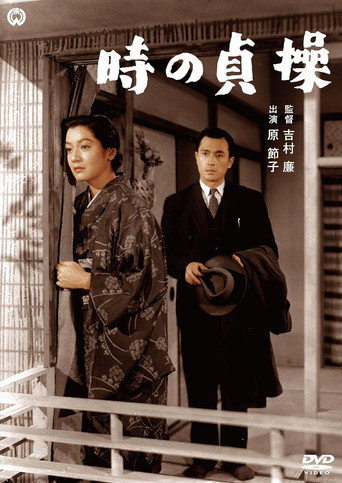 NR
NRA silk mill worker living through a dark and twisted youth… What is chastity? A powerful work that speaks to society through the anguished expression of a woman twisted by torment.
Toki no teizo: Sōshūban
1952
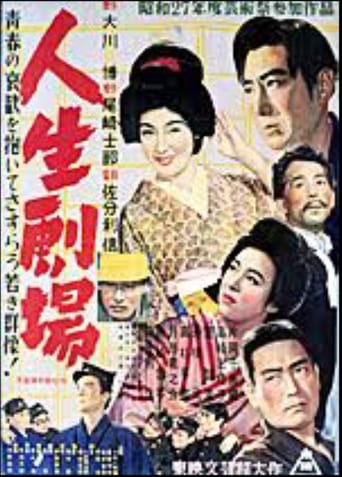 NR
NRPart one of Shin Saburi's Theater of Life adaptation.
Jinsei Gekijo: dai ichi bu
1952
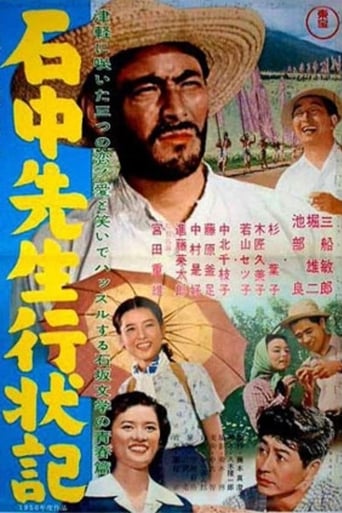 6.9
6.9Three humorous love stories set in rural Japan.
Conduct Report on Professor Ishinaka
1950
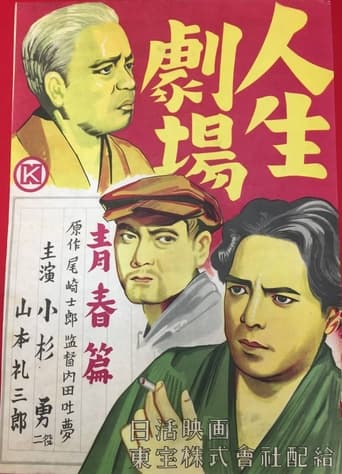 10.0
10.0During the 20s in Japan, a romantic student at Tokyo's Waseda University is filled with noble sentiments absorbed from literature but his naive illusions will be shattered by the ruthless realities of money and power.
Theater of Life: Youth Version
1936
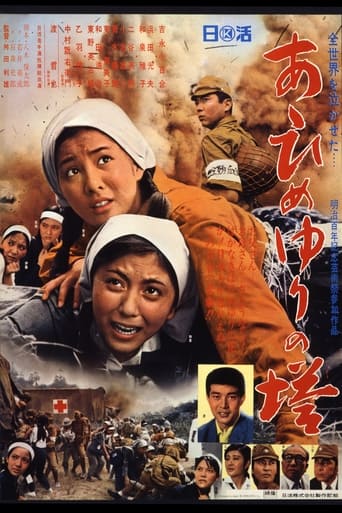 10.0
10.0In 1943, critical developments in the Pacific War have placed Japan at a disadvantage, although the fiery breaths of war hadn't yet reached Okinawa Normal School for women. Nothing seemed the least bit out of the ordinary, as Kazuko and her friends enjoyed a day of sports. A year later the war takes a devastating turn, as US forces plan an amphibious attack known as "Operation Iceberg" on the Ryukyu island.
Monument to the Girl's Corps
1968
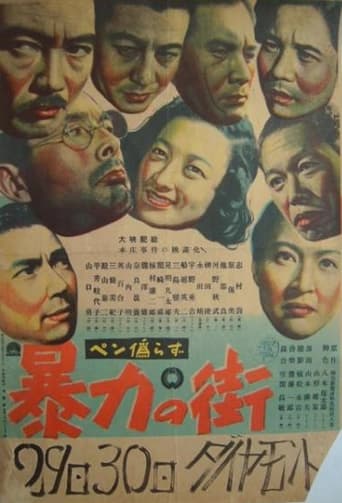 6.5
6.5An attempt is made to suppress a journalist's investigation of collusion between a rural police chief and the local gangster bosses.
Town of Violence
1950
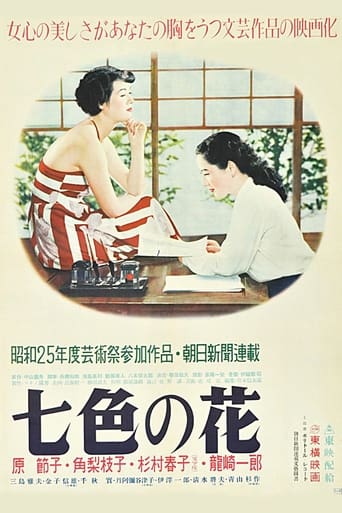 1.0
1.0Ebihara is a budding novelist entangled in a complicated web of relationships with three women from three different generations: Kazue, a coquettish teenage war orphan who tries to offer herself for money but is instead taken in by Ebihara, Koyabu, a middle-aged woman who has spent much of her life as the kept woman of a wealthy man, and Teruko, the modest daughter of Ebihara's former teacher who comes to rely on him after the death of her father.
The Rainbow-Colored Flower
1950
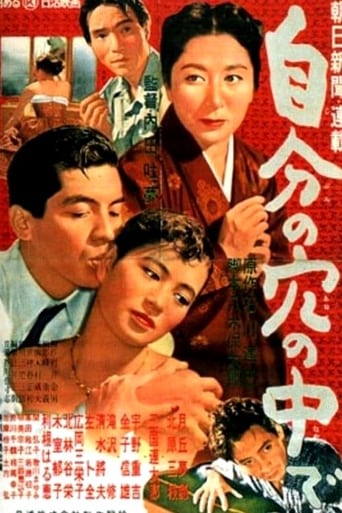 8.0
8.0Nobuko is a widow who lives with her stepchild Tamiko and her brother Junjiro. The family's gatekeeper, Komatsu, is attracted to Tamiko, but she is encouraged to marry a doctor and he is afraid to tell her his feelings.
A Hole of My Own Making
1955
 7.0
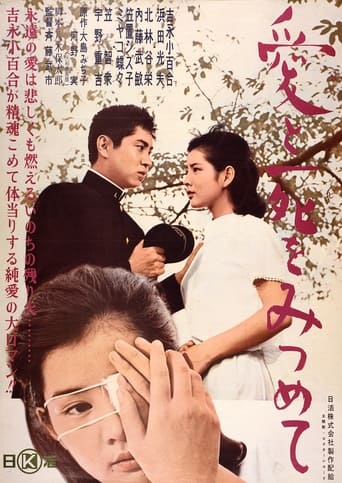
7.0A young girl knows that she is going to die and in this she is supported by the devotion of the boy who loves her. They originally met at the hospital. There it transpired that the only way to save her life was to sacrifice an eye and part of her face. The operation seems a success. Later, however, her other eye becomes affected. She feels she must let the boy go, and yet she depends so much upon his devotion.
Gazing at Love and Death
1964
 6.8
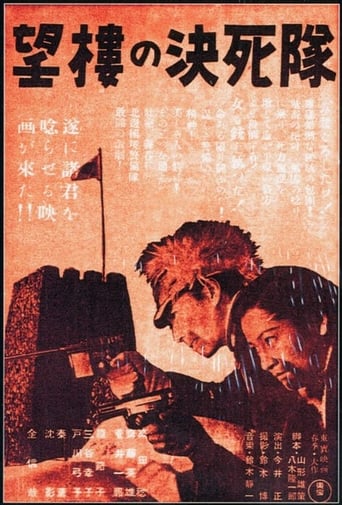
6.8Stalwart soldiers of the Japanese Empire – Japanese and Korean alike – stand in defense of a military outpost threatened by "bandits."
Suicide Troops of the Watchtower
1943
 7.5
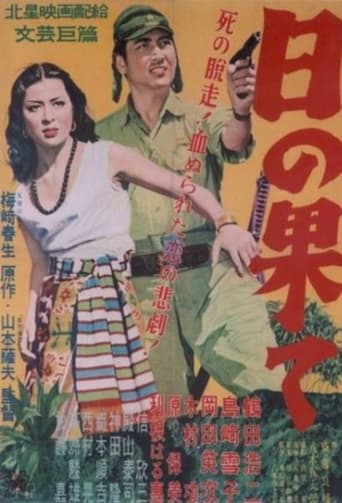
7.5Military doctor Leutenant Hanada deserts during the war in the Philippines with a local girl. The officer in command orders Lieutenant Uji to shoot Hanada. Uji takes a sharpshooter called Takagi and tracks him. At first Uji cannot forgive Hanada but as Uji is isolated from the main force he too starts to think of desertion.
The End of a Day
1954
 7.5
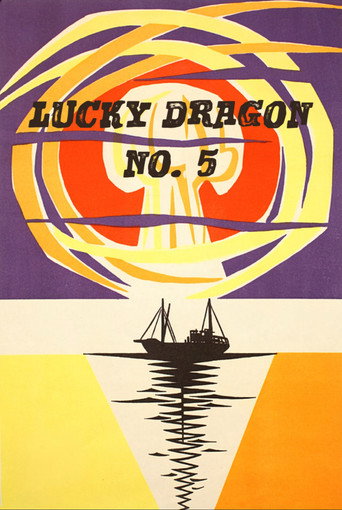
7.5An ageing fishing boat, Dai-go Fukuryu Maru ("Lucky Dragon No. 5") sets out from the port of Yaizu in Shizuoka Prefecture. It travels around the Pacific line fishing. While the ship is near Bikini Atoll, the ship's navigator sees a flash. All the crew come up to watch. They realize it is an atomic explosion, but take time to clear their fishing gear. A short time later, grey ash starts to fall on the ship. When the ship returns to port the sailors have been burned brown. They unload the fish, which are then transported away. They visit the local doctor and then go to Tokyo for an examination. It turns out they are all highly radioactive. Their symptoms become worse, and the contaminated fish causes a panic.
Lucky Dragon No. 5
1959
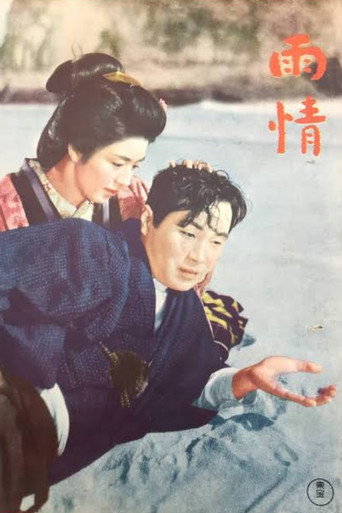 NR
NRNo synopsis available yet.
Ujō
1957
 10.0
10.0As Japan's economic growth policies intensify, small-scale farmers embark on a first-ever communal dairy farming initiative in their village. They are joined by Riki, a young man who thinks communal farming will give him some leisure time.
Farm Girls
1962
 NR
NRTwo brothers run a factory canning crabs. The elder brother Kotaro is righteous and insists on honesty. The younger brother is fixated on money. They are polar opposites. When a boat sails out looking for crab and does not return one day the brothers begin to argue over how to run their facility. They had just received a large order from a foreign country and had obtained a loan from a lender that needed to be repaid.
The Crown of Life
1936
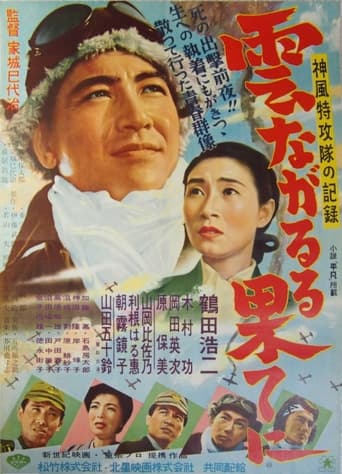 NR
NRA movie that depicts the tragic fate of many Yokaren flight-academy pilots.
At the End of the Clouds
1953
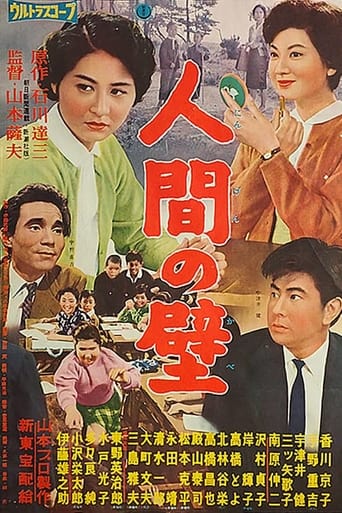 6.2
6.2Drama which shows the struggle of Fumiko, a female teacher, at work and at home.
The Human Wall
1959
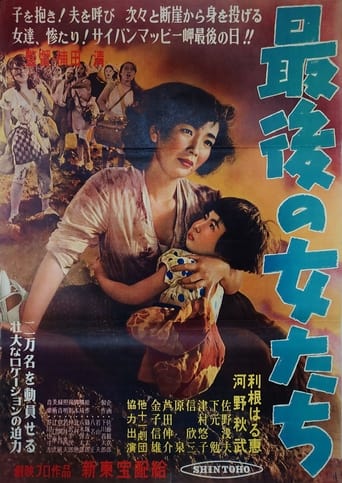 NR
NRThe events of the film are based on the real facts of the Pacific War, when in June 1944 the American troops began landing on the Saipan island. On July 7, an order comes that everyone must die in order not to be captured by the enemy.
The Last Women
1954
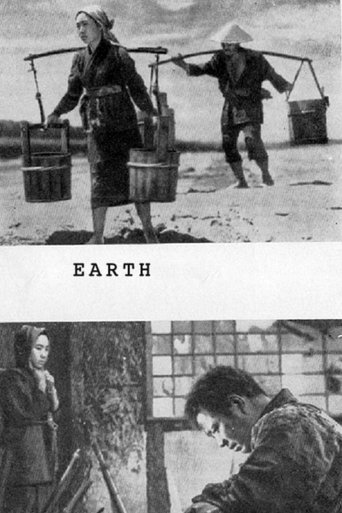 7.5
7.5Kanji is a poor peasant widower who struggles to earn a living for his daughter and himself and to pay off his father-in-law's debts.
Earth
1939
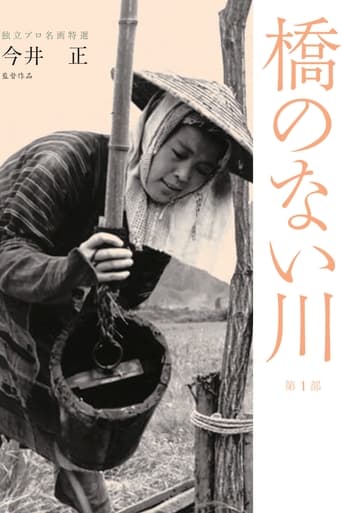 7.5
7.5Brothers Koji and Seitaro Hatana, belong to the "outcast" caste. Despite their personal qualities—intelligence and fairness—they encounter numerous obstacles due to their caste affiliation. Together with other "outcasts," the brothers take up the fight for their human rights.
River Without a Bridge
1969
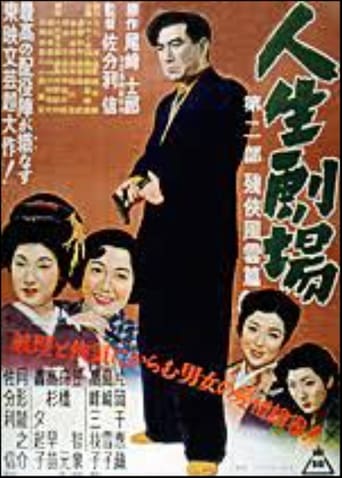 NR
NRPart two of Shin Saburi's Theater of Life adaptation.
Jinsei Gekijo: dai ni bu
1953
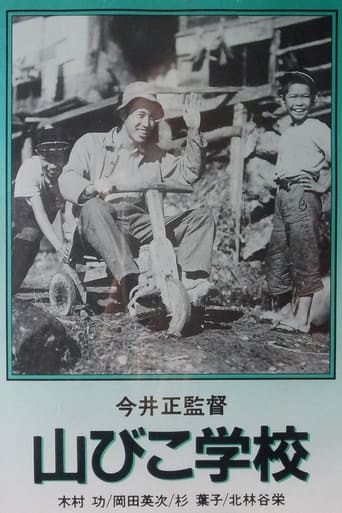 NR
NRA story of a passionate teacher and his great effort for the children in a poor village.
The Yamabiko School
1952
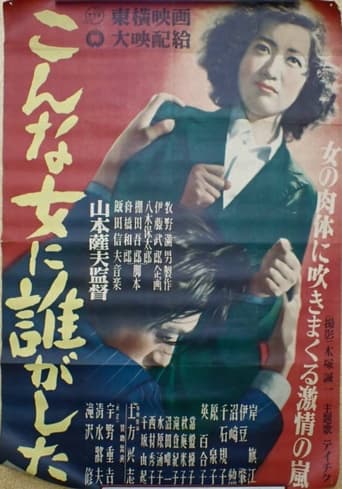 NR
NRNo synopsis available yet.
Utako's Story
1949
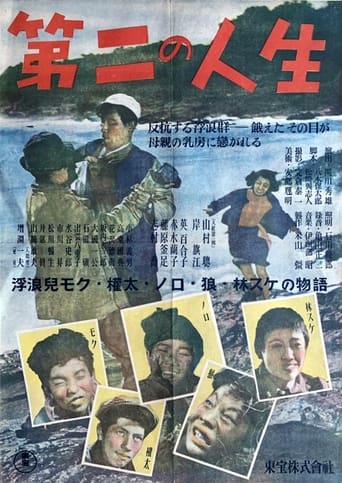 7.0
7.01948 Japanese drama film.
A Second Life
1948
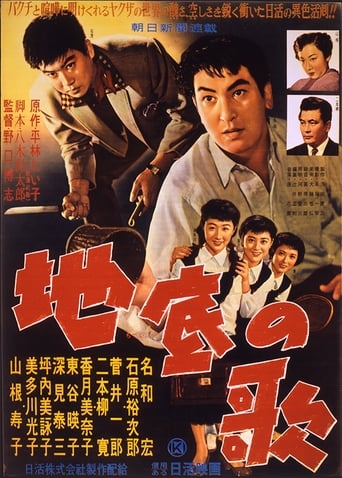 NR
NRA conflict between two yakuza families in Tokyo, the Izus and the Yoshidas, has recently broken out. When an Izu underling starts a fight with a Yoshida man, Fuyu, the Izu family sends Tsuruta, a senior member of the clan, to make a personal apology to Fuyu. Tsuruta discovers that the woman he is in love with is Fuyu's sister, Tatsuko. Tsuruta ends up gambling with a swindler, who is in fact Tatsuko's husband. (The general plot of the film was re-used for Seijun Suzuki's Kanto Wanderer).
Song of the Underworld
1956
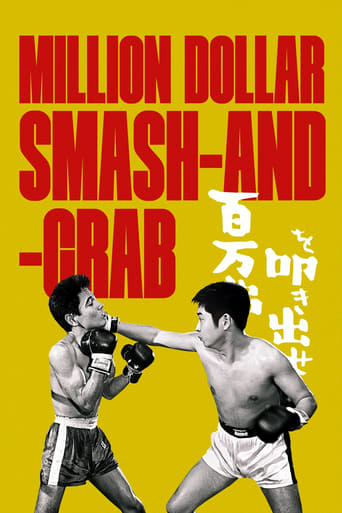 10.0
10.0A boxing melodrama. Two friends become boxers and begin training for the championship. These two boys eventually face each other in the ring.
Million Dollar Smash-and-Grab
1961
Japanese film.
Blood Festival of Akagi
1955
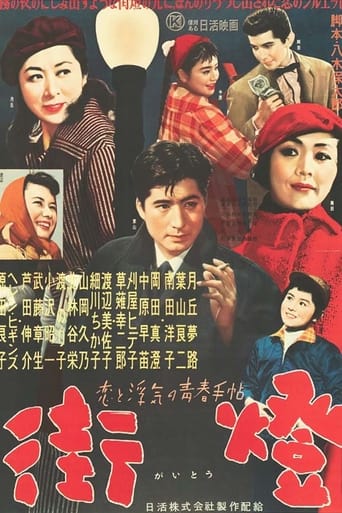 NR
NRA sophisticated comedy about love games between men and women that arise from an intentionally dropped train ticket.
Streetlights
1957
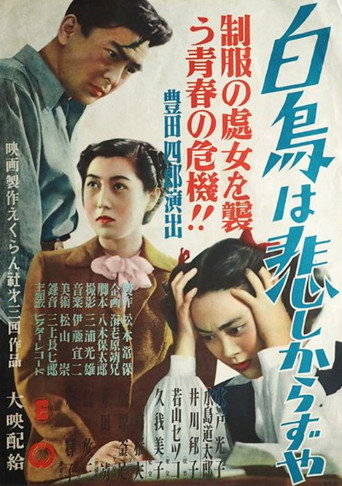 NR
NRReiko Nishida, though she had both parents, felt lonely because she couldn’t fit in with the cold atmosphere at home. A student at Wakaba Academy in Osaka, she eventually succumbed to the allure of a superficial lifestyle and joined a group of delinquents, but Kimiko Kimizuka, a student council member, tried desperately to save her friend from the path of crime.
Hakuchō wa kanashikarazuya
1949
Born into a poor farming family, Yukie left home with her only son Ryokichi, leaving her grandfather Heisaku behind, to search for her husband Ryohei, who had run away. Ryohei was working in a coal mine in Hokkaido, but he was already living with a woman named Otami, who was pregnant with his child. With no time to wallow in despair, Yukie resolved to work single-handedly to support Ryokichi, but no matter how hard she worked, she could not provide for him adequately. Yet, thinking of Ryokichi’s future, she could not bring herself to die, so she took a job as a barmaid at Yamagataya, living on the premises.
Wagakoyue ni
1949
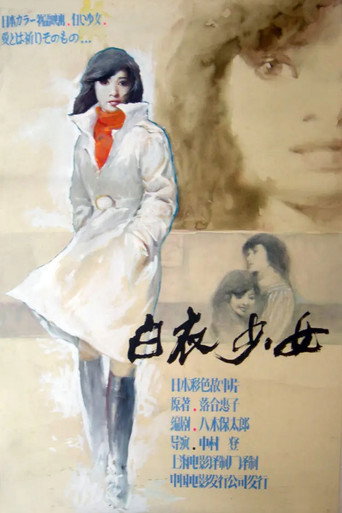 NR
NRNo synopsis available yet.
Isho: Shiroi shōjo
1976
 7.2
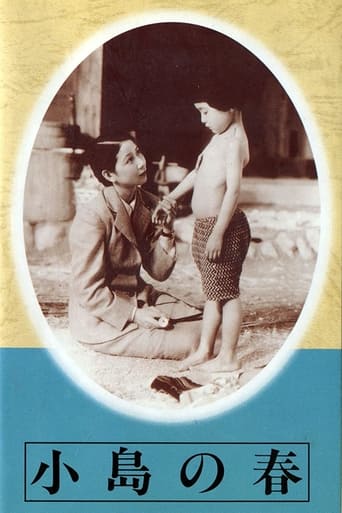
7.2A female doctor's story of her life in an isolated leper colony.
Spring on Leper's Island
1940
 NR
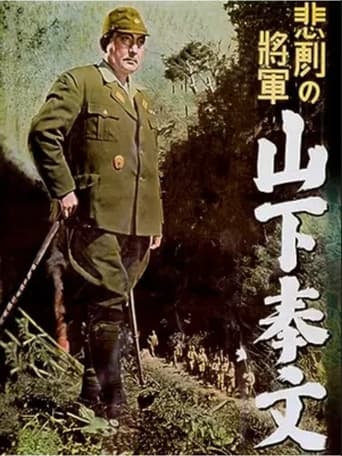
NRWhen Japan entered into the great tragedy that was unforgettable, the general general of the history of the Ming Dynasty, hokudai Yamashita, left the Malay front and occupied Singapore at once, and was praised as a "Malay tiger." However, the situation in Japan changed steadily by the failure of Sai pan from the GA Talca translation.
The Tragic General: Yamashita Tomoyuki
1953
 NR
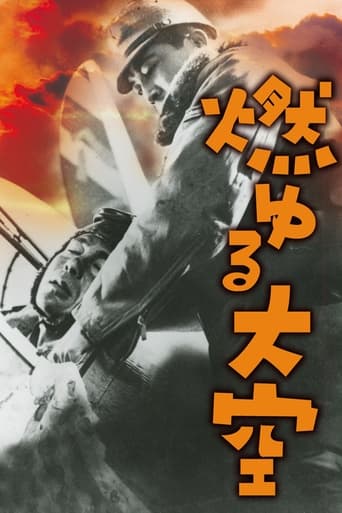
NRThe film was produced during Second Sino-Japanese War, before the Pearl Harbor Attack in 1941. The film mainly concerns the training of newly-recruited pilots and their daily life, then their subsequent fighting experiences in China. Army supported the production, providing all the authentic airplanes, training and actual actions. They even provided the older biplanes disguised as Chinese fighter planes. Obinata plays the trainer-turned-combat-leader, who is passionate and cool at the same time. All his boys love him, of course. The film is not as intense, full of sugar-coated camaraderie, until young pilots are killed in action one by one. Last twenty minutes are fairly grim, as the message of self-sacrifice is heard loud and clear.
The Burning Sky
1940