
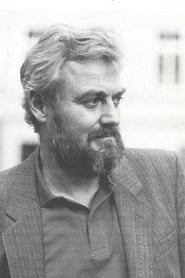
Directing
Peter Nestler
Born
1937-06-01 (89)
Place of birth
Freiburg im Breisgau, Germany
Known for
Directing
Credits
56 titles
Peter Nestler was born on 1 June 1937 in Freiburg im Breisgau, Germany.
Known for
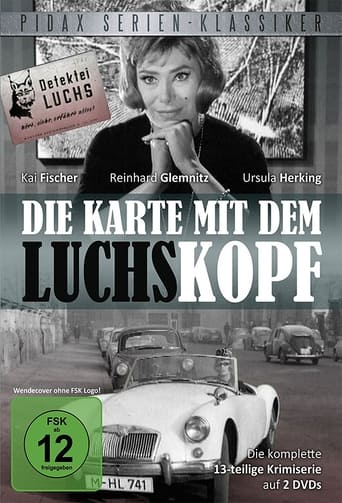 9.0
9.0No synopsis available yet.
Die Karte mit dem Luchskopf
1963
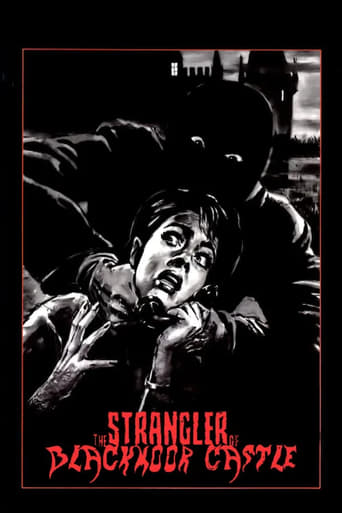 6.4
6.4A strangler is loose on a British estate, and he not only strangles his victims but brands an "M" onto their foreheads before he decapitates them.
The Strangler of Blackmoor Castle
1963
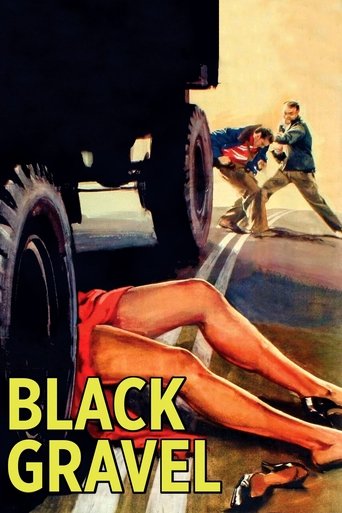 7.1
7.1Tensions rise when a U.S. military base is built in a small village in post-war Germany.
Black Gravel
1961
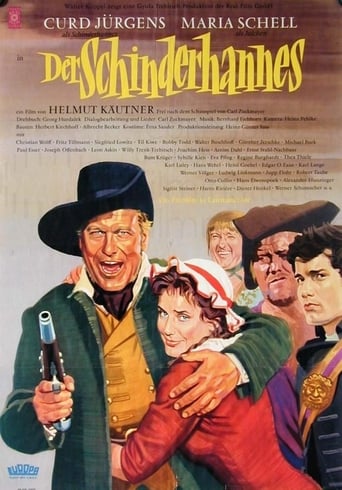 7.3
7.31802: The adventurous life story of Hans Bückler, known as “Schinderhannes”, who fights against the French occupying forces and large landowners who exploit poor farmers in the Hunsrück region during the Napoleonic Wars.
Der Schinderhannes
1958
 9.0
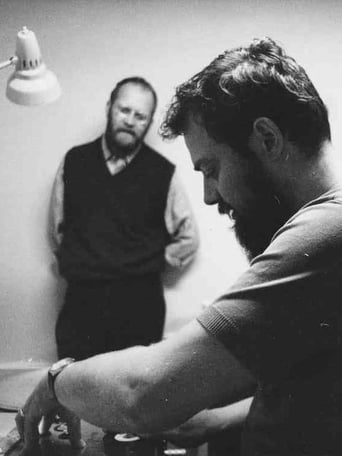
9.0The film develops 5 questions about documentary film against the background of the media-political situation of the early 1970s in West Germany. The following topics are developed: (1) the personal approach of filmmaker Klaus Wildenhahn to his profession; (2) the technical and technical approach of cameraman Rudolf Körösi; (3) the development of documentary film based on John Grierson's British School of Documentary Film; (4) the working conditions and political framework for the production of documentary films at WDR and NDR; (5) the constitutive characteristics of socially relevant documentary film.
5 Bemerkungen zum Dokumentarfilm
1974
 NR
NRA short pamphlet based on a text by Peter Weiss and on the contrapuntal use of the relation between image and sound. The commercial activities and fantasies linked to tourism in Sweden are contradicted by the geopolitics of capitalist imperialism, in particular with the war in Vietnam.
Sightseeing
1968
Film credits
2010s · 2 titles
 NR
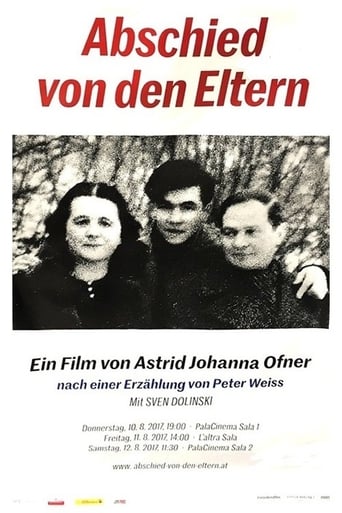
NRThe film is based on the eponymous 1960 novel by author Peter Weiss. In this autobiographical text, the author describes the years of his childhood and youth in Germany in the 20s and 30s as well as the flight of his half-Jewish family from persecution by the Nazis. This odyssey also portrays the young first-person narrator’s struggle for his artistic existence, as he was striving to establish himself as a painter and writer. In a free, sensual essay between fiction and document, realistic description and stylised invention, the film attempts to kindle today’s flame based on the past’s, and to create a new and vibrant third work from it. (Locarno Festival)
Farewell to the Parents
2017
NRThe film is based on the eponymous 1960 novel by author Peter Weiss. In this autobiographical text, the author describes the years of his childhood and youth in Germany in the 20s and 30s as well as the flight of his half-Jewish family from persecution by the Nazis. This odyssey also portrays the young first-person narrator’s struggle for his artistic existence, as he was striving to establish himself as a painter and writer. In a free, sensual essay between fiction and document, realistic description and stylised invention, the film attempts to kindle today’s flame based on the past’s, and to create a new and vibrant third work from it. (Locarno Festival)
Farewell to the Parents
2017
2000s · 2 titles
 NR
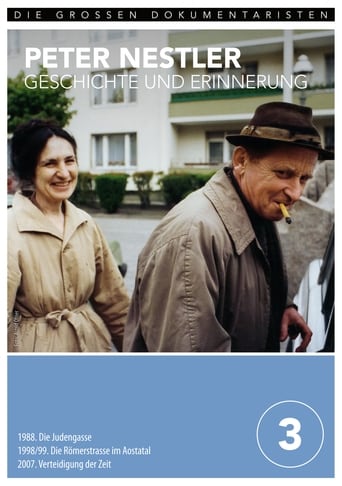
NRA hommage to Jean-Marie Straub's and Danièle Huillet's film Quei loro incontri (2005), and to their access to cinema itself. In various encounters and conversations Nestler offers an insight into their life and work, including passages from Italian poet Cesare Pavese.
Defense of the Time
2007
 5.0
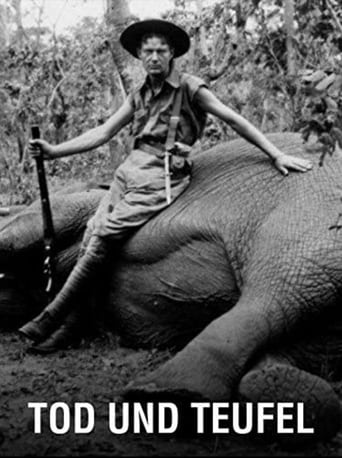
5.0Ethnologist and adventurer, Count Eric von Rosen was a man of contradictions: interested in the natives of Africa and colonial racism. Nestler embarks on a journey in search of his grandfather.
Death and the Devil
2009
1970s · 2 titles
9.0The film develops 5 questions about documentary film against the background of the media-political situation of the early 1970s in West Germany. The following topics are developed: (1) the personal approach of filmmaker Klaus Wildenhahn to his profession; (2) the technical and technical approach of cameraman Rudolf Körösi; (3) the development of documentary film based on John Grierson's British School of Documentary Film; (4) the working conditions and political framework for the production of documentary films at WDR and NDR; (5) the constitutive characteristics of socially relevant documentary film.
5 Bemerkungen zum Dokumentarfilm
1974
 5.7
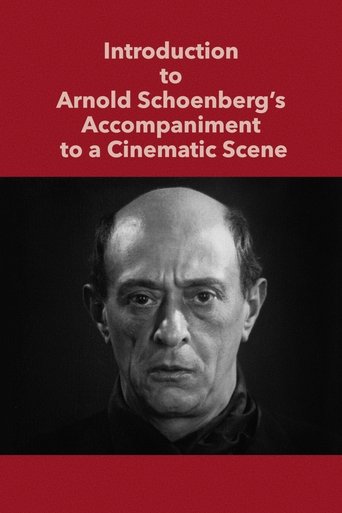
5.7This is a small, intense film based on Schoenberg’s opus of the same name with the subtitle “danger, fear, catastrophe”. It deals with emerging fascism and the persecution of Jews, as well as with their historical continuities.
Introduction to Arnold Schoenberg’s Accompaniment to a Cinematic Scene
1973
1960s · 5 titles
6.4A strangler is loose on a British estate, and he not only strangles his victims but brands an "M" onto their foreheads before he decapitates them.
The Strangler of Blackmoor Castle
1963
7.1Tensions rise when a U.S. military base is built in a small village in post-war Germany.
Black Gravel
1961
 8.0
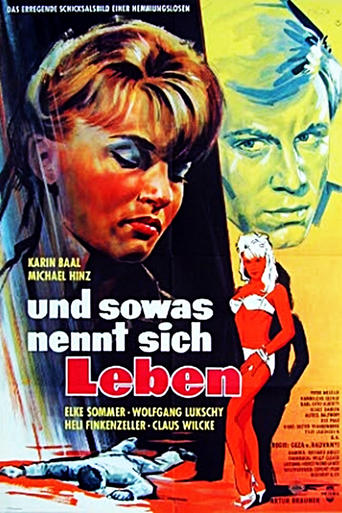
8.0A large German city at the beginning of the 1960s. This is where the well-to-do Berger family lives. Outwardly a bourgeois idyll, but behind the scenes the family is in turmoil. The relationship between father and son in particular is extremely tense. Martin Berger is seduced by the attractive Britta. It is the beginning of an affair that ends tragically. When the young man finds out that his father is also having sex with the young woman, Martin decides to kill her and also cleans up his friends who are not averse to the vices of life...
Und sowas nennt sich Leben
1961
The burial of an old woman leads to several complications among family and friends.
Abschied
1966
In this tale based on a Brothers Grimm story, Prince Alfred searches for an enchanted castle that holds a magic fountain whose waters can cure his seriously ill father, the king. His two evil brothers are determined to stop him so they can have the kingdom for themselves when their father dies. A magic dwarf hears of Prince Alfred's plight and sets out to help him.
The Magic Fountain
1961
Series credits
Behind the camera
NRA short pamphlet based on a text by Peter Weiss and on the contrapuntal use of the relation between image and sound. The commercial activities and fantasies linked to tourism in Sweden are contradicted by the geopolitics of capitalist imperialism, in particular with the war in Vietnam.
Sightseeing
1968
 NR
NRThe film presents artists from the Sinti and Roma minority who shape the trauma of persecution and very personal experiences in their works.
The Open View
2022
NRThe film presents artists from the Sinti and Roma minority who shape the trauma of persecution and very personal experiences in their works.
The Open View
2022
 NR
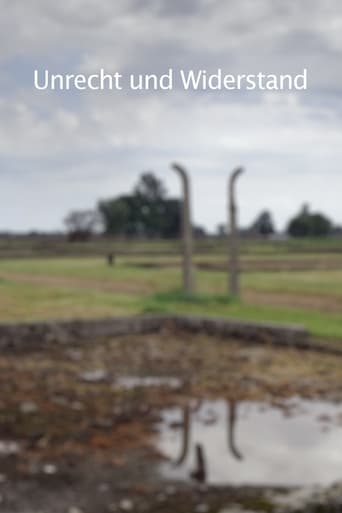
NRFor more than eight decades, German Sinti and Roma experienced injustice. The film tells of the family of activist Romani Rose, their resistance and insistence on justice. The painful story of a minority between trauma and self-assertion. The two-part film deals with various forms of resistance by German and Austrian Sinti and Roma over eight decades. It is about rebellion against injustice and the insistence on dignity and justice.
Injustice and Resistance
2022
NRFor more than eight decades, German Sinti and Roma experienced injustice. The film tells of the family of activist Romani Rose, their resistance and insistence on justice. The painful story of a minority between trauma and self-assertion. The two-part film deals with various forms of resistance by German and Austrian Sinti and Roma over eight decades. It is about rebellion against injustice and the insistence on dignity and justice.
Injustice and Resistance
2022
 5.5
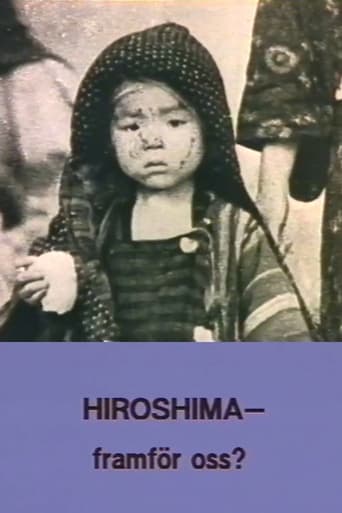
5.5This work produced by Swedish television, where Swedish kids reads texts written by Japanese kids about their experiencing of and surviving the bombings. In the film we see images/drawings painted by these children. Nestlers inspiration comes from the book Children of the A Bomb "Five years after the atom bomb fell on Hiroshima, a Professor of Education at Hiroshima University organized a project to preserve for the record the stories of those who had been on the receiving side of that catastrophic explosion. (Martin Grennberger)
Hiroshima - Ahead of Us?
1981
The first part of a history about the history of paper.
About the History of Paper, Pt. 1
1972
 NR
NRNestler highlights visits by several German entrepreneurs to oil facilities. In the 1970s, Peter and his wife, Zsóka Nestler, collaborated on a series of educational films for television that focused on craft-making. These “biographies of objects” are rigorous investigations into the history of working techniques, production processes, and materials.
Mining/Ironworks, Pt. 2
1974
Peter Nestler illustrates a poem by Hans Sachs from 1540.
Hararna fångar och steker jägaren
1996
 NR
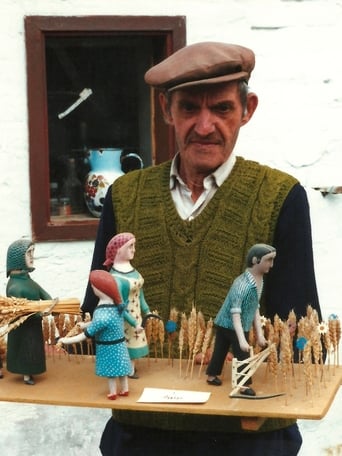
NRA film of Hungarian folk artists, sharing their handicrafts and paintings with the filmmakers.
Time
1992
NRA film of Hungarian folk artists, sharing their handicrafts and paintings with the filmmakers.
Time
1992
Jewish painter Leopold Mayer fled his native Frankfurt at the rise of the Nazi regime. Although briefly finding refuge in France, where he changed his name to Leo Maillet, his stay was cut short by Germany's invasion of Paris. Flucht traces Maillet's escape from the Gestapo and the French police, using Maillet's "Entre chien et loup" series of paintings as the framework for the film. Accompanied by Maillet's son Daniel, Peter Nestler revisits the late artist's hiding places and depicts a hauntingly beautiful portrait of an outstanding artist on the run.
Flight
2000
Jewish painter Leopold Mayer fled his native Frankfurt at the rise of the Nazi regime. Although briefly finding refuge in France, where he changed his name to Leo Maillet, his stay was cut short by Germany's invasion of Paris. Flucht traces Maillet's escape from the Gestapo and the French police, using Maillet's "Entre chien et loup" series of paintings as the framework for the film. Accompanied by Maillet's son Daniel, Peter Nestler revisits the late artist's hiding places and depicts a hauntingly beautiful portrait of an outstanding artist on the run.
Flight
2000
 6.5
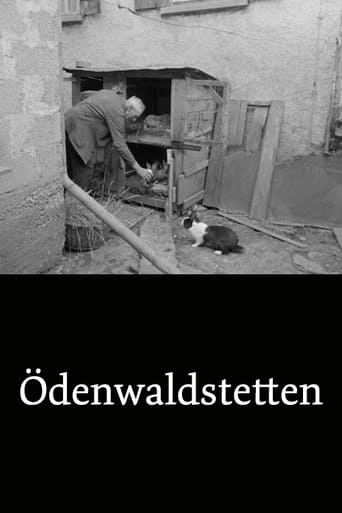
6.5Portrait of a small south German village and its residents in the early sixties. Rural culture is undergoing a transformation caused by the intrusion of the industrial world. Gestures at work and words of its inhabitants.
Ödenwaldstetten
1964
6.5Portrait of a small south German village and its residents in the early sixties. Rural culture is undergoing a transformation caused by the intrusion of the industrial world. Gestures at work and words of its inhabitants.
Ödenwaldstetten
1964
Documentary about empty space in Berlin
Am Rand
1991
The story begins on a hilltop, at an old castle that served as a German observation post in 1942. The traces of German fascism have also left their mark on this landscape.
Lofoten
1994
 6.3
6.3A documentary of the town of Sheffield's main pub and the people who went there.
A Working Men's Club in Sheffield
1965
6.3A documentary of the town of Sheffield's main pub and the people who went there.
A Working Men's Club in Sheffield
1965
Essay film about the origins of war in human history.
Varför är det krig?
1970
Essay film about the origins of war in human history.
Varför är det krig?
1970
 7.7
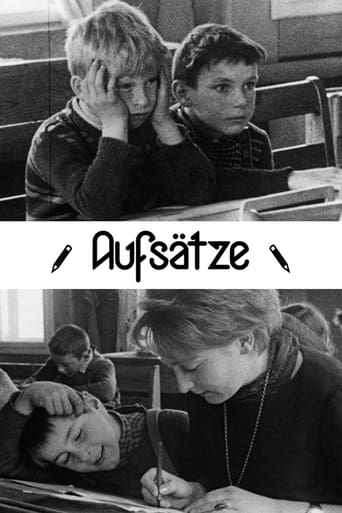
7.7A cheerful take on the lives of school children in a Swiss rural environment. Young pupils recite short essays they have written on subjects such as the long walk to school, the distribution of milk during breaks, and a brawl in the courtyard.
Essays
1963
7.7A cheerful take on the lives of school children in a Swiss rural environment. Young pupils recite short essays they have written on subjects such as the long walk to school, the distribution of milk during breaks, and a brawl in the courtyard.
Essays
1963
Documentary about the journey of a barge through East Germany.
Die Reise der Ida Irma nach Lunow
1991
 10.0
10.0The revolt at Sobibór extermination camp in October 1943 is a central episode of resistance against national socialism. Thomas «Toivi» Blatt, son of a Jewish businessman, was 15 when he was deported to Sobibór. Blatt was among those who managed to escape during the uprising only to find his newly found freedom deceptive when old friends and neighbours refused to help. Director Peter Nestler accompanied Toivi Blatt on his trips through Poland.
The Metamorphosis of the Good Neighbor
2002
10.0The revolt at Sobibór extermination camp in October 1943 is a central episode of resistance against national socialism. Thomas «Toivi» Blatt, son of a Jewish businessman, was 15 when he was deported to Sobibór. Blatt was among those who managed to escape during the uprising only to find his newly found freedom deceptive when old friends and neighbours refused to help. Director Peter Nestler accompanied Toivi Blatt on his trips through Poland.
The Metamorphosis of the Good Neighbor
2002
NRA hommage to Jean-Marie Straub's and Danièle Huillet's film Quei loro incontri (2005), and to their access to cinema itself. In various encounters and conversations Nestler offers an insight into their life and work, including passages from Italian poet Cesare Pavese.
Defense of the Time
2007
NRA hommage to Jean-Marie Straub's and Danièle Huillet's film Quei loro incontri (2005), and to their access to cinema itself. In various encounters and conversations Nestler offers an insight into their life and work, including passages from Italian poet Cesare Pavese.
Defense of the Time
2007
 NR
NRA tribute to the victims of a mining disaster that happened in 1930 in Silesia before the reign of Nazi Germany.
Väntan
1985
The film consists of a staged discussion between Greek political refugees in Sweden. Dialogue is mainly in Greek, but the first few minutes shows one of the participators giving some background to the political situation in Greece in Swedish. This historical background is also illustrated with some archival material. The film was produced for Swedish public television but was never aired.
Greeks in Sweden
1968
 NR
NR“Don’t be scared,” he’d whisper, “There’s nothing to be scared of. It’s just the hollow people.” Peter Nestler has made a film based on Israeli author and scriptwriter Etgar Keret’s short story “The Hollow Men”. a man’s memories of his childhood, marked by the fear of bodiless voices and masks. A beautiful and terrible miniature at the same time.
The Hollow People
2015
 5.9
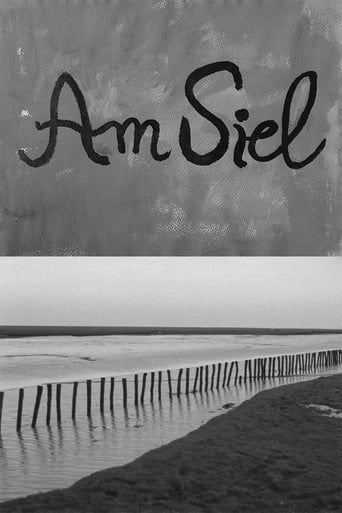
5.9In his first film, Peter Nestler gives voice to an old floodgate. A nearby village, its inhabitants, wooden posts and twisted willow rods are presented from this unusual perspective. The floodgate ponders the fisher boats coming home from the sea along the shipping channel which is fed at low tide by a small river.
By the Dike Sluice
1963
5.9In his first film, Peter Nestler gives voice to an old floodgate. A nearby village, its inhabitants, wooden posts and twisted willow rods are presented from this unusual perspective. The floodgate ponders the fisher boats coming home from the sea along the shipping channel which is fed at low tide by a small river.
By the Dike Sluice
1963
 6.2
6.2Roma and Sinti people talk about their experiences in the Third Reich and the Federal Republic of Germany, inspired by Otto Pankok’s paintings of Romani theme and subject in the 1930s, declared degenerate art by the Nazis. These are moving narratives of persecution, discrimination, marginalisation, of life as second-class human beings, all of which lasts, incredibly enough, right up to the allegedly democratic present day of the film, since they live in inhumane conditions in barracks at the margins of cities and society and are not officially recognised as Nazi victims. Long, nearly uncut sequences open space for the people and their stories. That’s all it takes for one of Peter and Zsóka Nestler’s most important works.
Being Gypsy
1970
6.2Roma and Sinti people talk about their experiences in the Third Reich and the Federal Republic of Germany, inspired by Otto Pankok’s paintings of Romani theme and subject in the 1930s, declared degenerate art by the Nazis. These are moving narratives of persecution, discrimination, marginalisation, of life as second-class human beings, all of which lasts, incredibly enough, right up to the allegedly democratic present day of the film, since they live in inhumane conditions in barracks at the margins of cities and society and are not officially recognised as Nazi victims. Long, nearly uncut sequences open space for the people and their stories. That’s all it takes for one of Peter and Zsóka Nestler’s most important works.
Being Gypsy
1970
 6.0
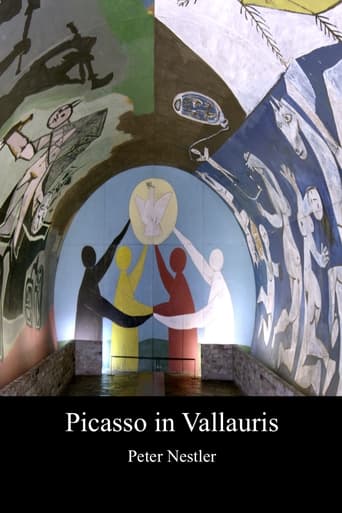
6.0In 1950, Picasso was offered a room that had once been used as a chapel in his hometown of Vallauris. He pictured turning it into a “pagan site for a unique cult” that would “unite all the people and be dedicated to peace.”
Picasso in Vallauris
2021
 5.8
5.8Today, the Römerstrasse in Italy's Aosta valley, is a significant traffic artery in the center of modern Europe. Nestler's journey explores the moving history of the Aosta valley, which passed through many hands - from the Roman Empire to Burgundian and Frankish kingdoms - until it was acquired by Italy in the 11th century. The now busy motorway, which runs from the Po Valley to the Great and Little St. Bernhard passes, is revealed through the timeless eyes of a historian. At the same time, the documentary sheds light on cultural traditions and contemporary life in the region.
The Roman Street in the Aosta Valley
1999
5.8Today, the Römerstrasse in Italy's Aosta valley, is a significant traffic artery in the center of modern Europe. Nestler's journey explores the moving history of the Aosta valley, which passed through many hands - from the Roman Empire to Burgundian and Frankish kingdoms - until it was acquired by Italy in the 11th century. The now busy motorway, which runs from the Po Valley to the Great and Little St. Bernhard passes, is revealed through the timeless eyes of a historian. At the same time, the documentary sheds light on cultural traditions and contemporary life in the region.
The Roman Street in the Aosta Valley
1999
 6.6
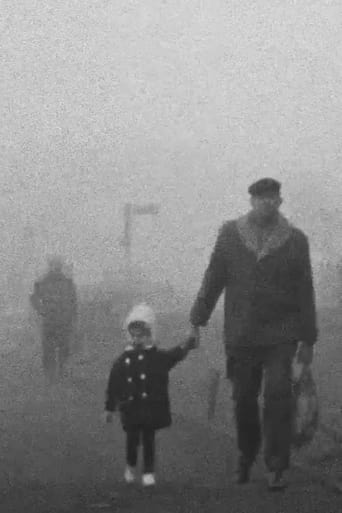
6.6This dialogue-free short is edited to music and the rhythms of change in a small town in the Ruhr region, shot a few years after the first mining pits were closed in the area. Nestler takes his audience on a journey through mining pits, coal heaps, cold stores, and to workingmen settlements and pubs of Mülheim.
Mülheim on the Ruhr
1964
6.6This dialogue-free short is edited to music and the rhythms of change in a small town in the Ruhr region, shot a few years after the first mining pits were closed in the area. Nestler takes his audience on a journey through mining pits, coal heaps, cold stores, and to workingmen settlements and pubs of Mülheim.
Mülheim on the Ruhr
1964