

Acting
Concha Piquer
Born — Died
1908-12-08 — 1990-12-12
Place of birth
Valencia, España
Known for
Acting
Credits
10 titles
María de la Concepción Piquer López (8 December 1908 – 12 December 1990) better known as Concha Piquer (and sometimes billed as Conchita Piquer) was a Spanish singer and actress. She was known for her work in the copla form, and she performed her own interpretations of some of the key pieces in the Spanish song tradition, mostly works of the mid-20th century trio of composers Quintero, León y Quiroga. Piquer was born in Valencia, Spain. In 1922, she made her stage debut in New York City at the age of 14, and later appeared with Eddie Cantor, Al Jolson, and Fred and Adele Astaire. On 15 April 1923, she appeared in a short film, From Far Seville, made by Lee de Forest in his Phonofilm sound-o…
Known for
 6.8
A particular reading of the hard years of famine, repression and censorship after the massacre of the Spanish Civil War (1936-39), through popular culture: songs, newspapers and magazines, movies and newsreels.
Songs for After a War
1976
 6.0
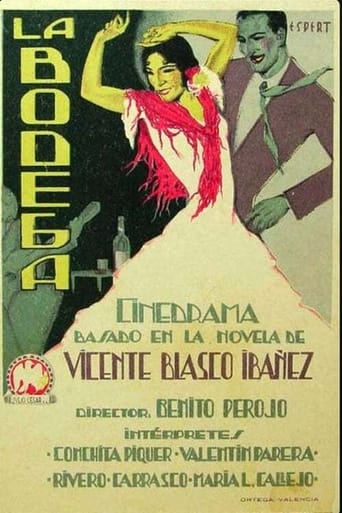
Wine Cellars itself is a Spanish-French co-production. He shot the film in the Paris studios and also in Spain, Andalusia and Seville. According to the critics, his story of love, honour, revenge, bulls and vineyards masterfully captures the spirit of this region, the sun beating down on the parched earth, life on the farms and vineyards and the celebrations coloured by the famous flamenco dance. Wine Cellars was originally a silent film and its soundtrack was only added later.
Wine Cellars
1930
 7.0
No synopsis available yet.
Canciones de nuestra vida
1975
 6.0
Pedro (played by a white actor in blackface), a son of a former slave, leaves Cuba (where he was being mistreated for being black) to seek his fortune in Paris. While working as a bellboy at a dance club, his dancing prowess is discovered and then he goes to become a famous dancer of the Charleston in the city. He falls in love with his dancing partner, who could not stand the thought of marrying him because of his skin color.
The Black Man Who Had a White Soul
1927
 9.0
A humble boy who works in a theater company must become the husband of an actress so that she can get her son back.
Me casé con una estrella
1951
 8.0
No synopsis available yet.
Yo canto para ti
—
Film credits
1970s · 2 titles
1940s · 2 titles
 5.0
Dolores, a beautiful young woman, works at the inn Daroca and is courted by the local barber Melchor, and Mr. Patricio, the richest farmer in the region. One day the young Lazarus appears at the inn, a Latin student who falls for the girl and is repaid in the same way. Frustrated, Melchor invents the famous song of Dolores, known by all, staining the honor of the girl.
La Dolores
1940
 6.5
Filigrana is in the prime of his career. His dressing room is full of flowers and always the same fan: William Harrison who asks her to marry him. Watermark says he heard those same words in the mouth of another man, the Earl of Montepalma, player and womanizer who loved and yet humiliated by a gypsy.
Filigrana
1949
1920s · 2 titles
6.0Pedro (played by a white actor in blackface), a son of a former slave, leaves Cuba (where he was being mistreated for being black) to seek his fortune in Paris. While working as a bellboy at a dance club, his dancing prowess is discovered and then he goes to become a famous dancer of the Charleston in the city. He falls in love with his dancing partner, who could not stand the thought of marrying him because of his skin color.
The Black Man Who Had a White Soul
1927
 8.0
Spanish dancer Conchita Piquer performs in a short film produced in the DeForest Phonofilm sound-on-film process.
From Far Seville
1923
