
Sound
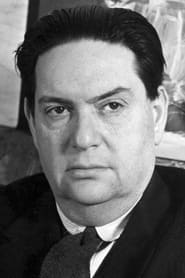
Darius Milhaud
Born — Died
1892-09-04 — 1974-06-22
Place of birth
Marseille, Bouches-du-Rhône, France
Known for
Sound
Credits
6 titles
Darius Milhaud (4 September 1892 – 22 June 1974) was a French composer, conductor, and teacher. He was a member of Les Six—also known as The Group of Six—and one of the most prolific composers of the 20th century. His compositions are influenced by jazz and Brazilian music and make extensive use of polytonality. Milhaud is considered one of the key modernist composers. A renowned teacher, he taught many future jazz and classical composers, including Burt Bacharach, Dave Brubeck, Philip Glass, Steve Reich, Karlheinz Stockhausen and Iannis Xenakis among others. Milhaud was born in Marseille, the son of Sophie (Allatini) and Gad Gabriel Milhaud. His father was from an Ashkenazi Jewish family f…
Known for
 8.0
No synopsis available yet.
Discorama
1959
 7.0
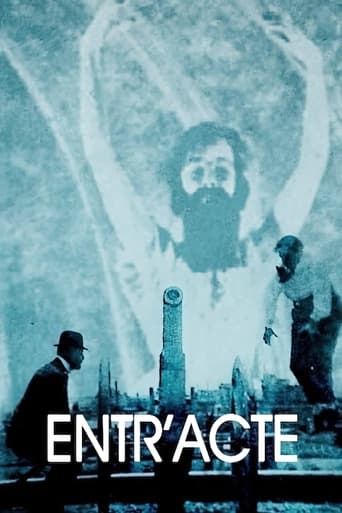
Stop-motion photography blends with extreme slow-motion in Clair's first and most dada film, composed of a series of zany, interconnected scenes. We witness a rooftop chess match between Marcel Duchamp and Man Ray, a hearse pulled by a camel (and chased by its pallbearers) and a dizzying roller coaster finale. A film of contradictions and agreements.
Entr'acte
1924
 6.2
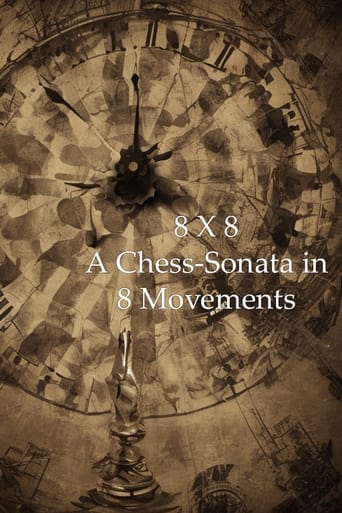
8 x 8: A Chess-Sonata in 8 Movements is an American experimental film directed by Hans Richter, Marcel Duchamp, and Jean Cocteau. Described by Richter as "part Freud, part Lewis Carroll" and filmed partially on the lawn of Duchamp's summer house in Southbury, Connecticut.
8 x 8: A Chess-Sonata in 8 Movements
1957
 6.8
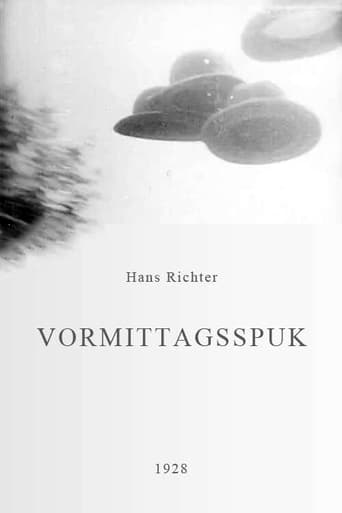
Hans Richter, noted for his abstract shorts, has everyday objects rebelling against their daily routine.
Ghosts Before Breakfast
1928
 NR
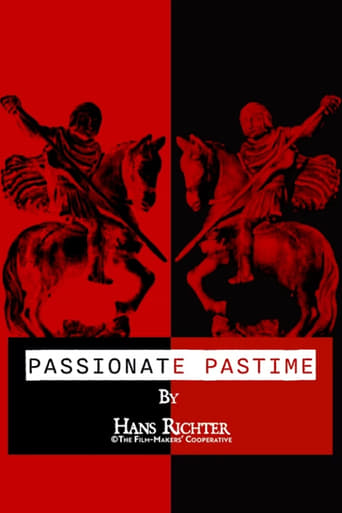
Hans Richter's documentary on the game of chess. Narrated by Vincent Price. Outlines the history of chess from ancient times to the present and traces its origins in India, China, and Persia. Prints, painting, illuminated manuscripts, live photography and rare chess pieces are shown as well as chess figures designed after Picasso and Braque.
Passionate Pastime
1958
 6.6
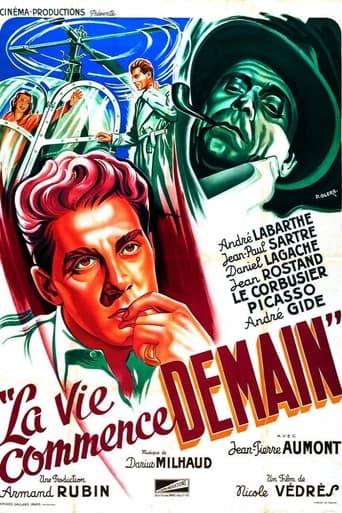
Documentary filmmaker Védrès' first semi-fictional feature was released in France in 1949 as La Vie Commence Demain. The film made it to the U.S. in 1952 as Life Begins Tomorrow. Made in cooperation with UNESCO, the film speculates on the future of mankind after the advent of Atomic Energy. Many prominent French artists and intellects contribute to the narration: Jean-Pierre Aumont plays The Man of Today, Andre Labarthe is the Man of Tomorrow, and Jean-Paul Sartre, Daniel Agache, Jean Rostand, Le Corbusier, Pablo Picasso and Andre Gide are respectively seen as "The Existentialist," "The Psychiatrist,' "The Biologist," "The Architect," "The Artist" and "The Author". Film clips of hospitals, schoolrooms, scientific laboratories, and even nightclubs are woven into Védrès' fascinating tapestry.
Life Begins Tomorrow
1950
Film credits
1950s · 3 titles
6.28 x 8: A Chess-Sonata in 8 Movements is an American experimental film directed by Hans Richter, Marcel Duchamp, and Jean Cocteau. Described by Richter as "part Freud, part Lewis Carroll" and filmed partially on the lawn of Duchamp's summer house in Southbury, Connecticut.
8 x 8: A Chess-Sonata in 8 Movements
1957
NRHans Richter's documentary on the game of chess. Narrated by Vincent Price. Outlines the history of chess from ancient times to the present and traces its origins in India, China, and Persia. Prints, painting, illuminated manuscripts, live photography and rare chess pieces are shown as well as chess figures designed after Picasso and Braque.
Passionate Pastime
1958
6.6Documentary filmmaker Védrès' first semi-fictional feature was released in France in 1949 as La Vie Commence Demain. The film made it to the U.S. in 1952 as Life Begins Tomorrow. Made in cooperation with UNESCO, the film speculates on the future of mankind after the advent of Atomic Energy. Many prominent French artists and intellects contribute to the narration: Jean-Pierre Aumont plays The Man of Today, Andre Labarthe is the Man of Tomorrow, and Jean-Paul Sartre, Daniel Agache, Jean Rostand, Le Corbusier, Pablo Picasso and Andre Gide are respectively seen as "The Existentialist," "The Psychiatrist,' "The Biologist," "The Architect," "The Artist" and "The Author". Film clips of hospitals, schoolrooms, scientific laboratories, and even nightclubs are woven into Védrès' fascinating tapestry.
Life Begins Tomorrow
1950
1920s · 2 titles
7.0Stop-motion photography blends with extreme slow-motion in Clair's first and most dada film, composed of a series of zany, interconnected scenes. We witness a rooftop chess match between Marcel Duchamp and Man Ray, a hearse pulled by a camel (and chased by its pallbearers) and a dizzying roller coaster finale. A film of contradictions and agreements.
Entr'acte
1924
6.8Hans Richter, noted for his abstract shorts, has everyday objects rebelling against their daily routine.
Ghosts Before Breakfast
1928