
Writing
Yusaku Yamagata
Born — Died
1908-03-13 — 1991-08-03
Known for
Writing
Credits
28 titles
Known for
 8.5
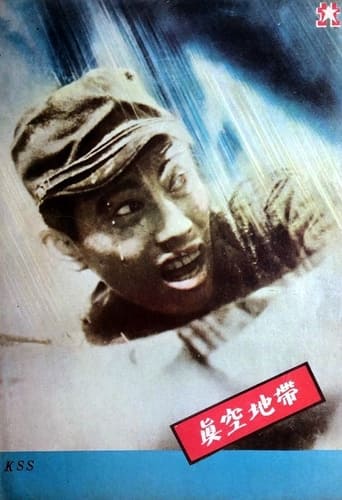
8.5Just before the end of the war, Japanese soldier Kitani is released from prison, having served his term for theft. Told in flashback, viewers learn about Kitani's past and reasons behind his prison sentence.
Vacuum Zone
1952
 4.0
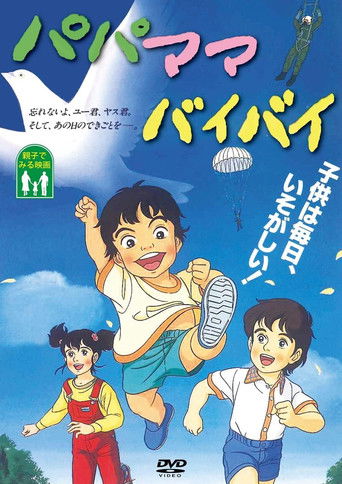
4.0Dungaree-wearing teenage tomboy Kaori lives next door to the brothers Ko and Yasu. One day as Kaori is walking to school, a US jet crashes near the boys' house. Based on the real life 1977 Yokohama F-4 crash incident.
Papa Mama Bye Bye
1984
 10.0
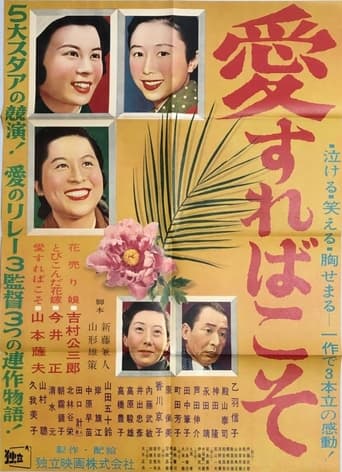
10.0The film consists of three short stories. Tomiko, the heroine of the first story, "The Flower Girl" (dir. Kozaburo Yoshimura), is a little girl who bears the unbearable burden of caring for her family. Tomiko's father has been unable to find work for a long time, and her older sister is terminally ill—it is unlikely that she will ever recover. To feed her family, Tomiko runs around the city from morning until late at night selling flowers... The second novella (dir. Tadashi Imai) also depicts the lives of the poor. An unfamiliar girl brings young Kavano a letter from his mother. It turns out that the girl's name is Kuniko, she is very hardworking, but her family is dying of hunger. Therefore, her mother decided to send Kuniko to her son so that he would marry her. The short story is called "The Unexpected Bride." The third short story, which gave the film its title, is particularly interesting: "When You Love" (dir. Satsuo Yamamoto). It shows the family of a young peace activist.
If Indeed One Loves
1955
 NR
NRNo synopsis available yet.
How Do You Live?
1960
 10.0
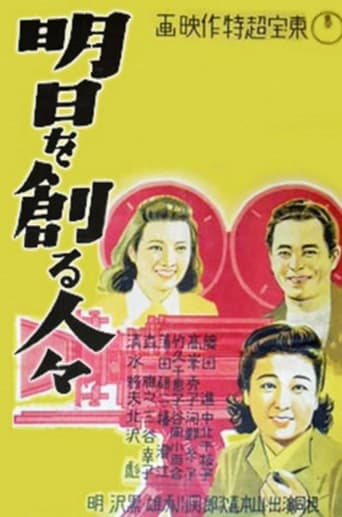
10.0In postwar Japan, two sisters—a film studio script girl and a revue dancer—become swept up in the growing labor movement when workers around them strike for better conditions. As their conservative father opposes their activism, his own dismissal forces him to confront the realities of class struggle and join their fight for a fairer future. Now considered a lost film, Those Who Make Tomorrow was produced by Toho to promote unionization during Japan’s Allied Occupation.
Those Who Make Tomorrow
1946
 6.8
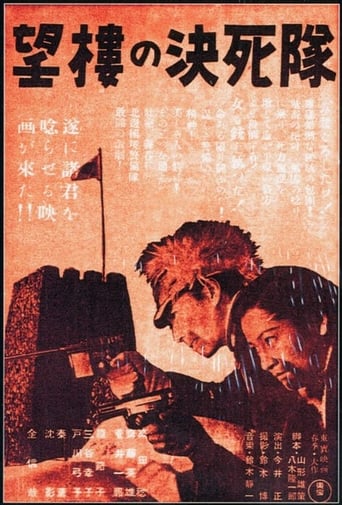
6.8Stalwart soldiers of the Japanese Empire – Japanese and Korean alike – stand in defense of a military outpost threatened by "bandits."
Suicide Troops of the Watchtower
1943
Behind the camera
8.5Just before the end of the war, Japanese soldier Kitani is released from prison, having served his term for theft. Told in flashback, viewers learn about Kitani's past and reasons behind his prison sentence.
Vacuum Zone
1952
4.0Dungaree-wearing teenage tomboy Kaori lives next door to the brothers Ko and Yasu. One day as Kaori is walking to school, a US jet crashes near the boys' house. Based on the real life 1977 Yokohama F-4 crash incident.
Papa Mama Bye Bye
1984
10.0The film consists of three short stories. Tomiko, the heroine of the first story, "The Flower Girl" (dir. Kozaburo Yoshimura), is a little girl who bears the unbearable burden of caring for her family. Tomiko's father has been unable to find work for a long time, and her older sister is terminally ill—it is unlikely that she will ever recover. To feed her family, Tomiko runs around the city from morning until late at night selling flowers... The second novella (dir. Tadashi Imai) also depicts the lives of the poor. An unfamiliar girl brings young Kavano a letter from his mother. It turns out that the girl's name is Kuniko, she is very hardworking, but her family is dying of hunger. Therefore, her mother decided to send Kuniko to her son so that he would marry her. The short story is called "The Unexpected Bride." The third short story, which gave the film its title, is particularly interesting: "When You Love" (dir. Satsuo Yamamoto). It shows the family of a young peace activist.
If Indeed One Loves
1955
NRNo synopsis available yet.
How Do You Live?
1960
10.0In postwar Japan, two sisters—a film studio script girl and a revue dancer—become swept up in the growing labor movement when workers around them strike for better conditions. As their conservative father opposes their activism, his own dismissal forces him to confront the realities of class struggle and join their fight for a fairer future. Now considered a lost film, Those Who Make Tomorrow was produced by Toho to promote unionization during Japan’s Allied Occupation.
Those Who Make Tomorrow
1946
6.8Stalwart soldiers of the Japanese Empire – Japanese and Korean alike – stand in defense of a military outpost threatened by "bandits."
Suicide Troops of the Watchtower
1943
 10.0
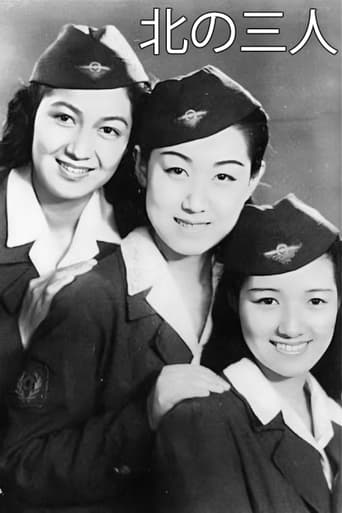
10.0The story of an airport and its air traffic control crew in a remote and northern Japanese town. Three of the air traffic controllers are female with one of them working with her dead fiancé's sister. The engaged man had gone to war and never returned.
Three Women of the North
1945
 6.5
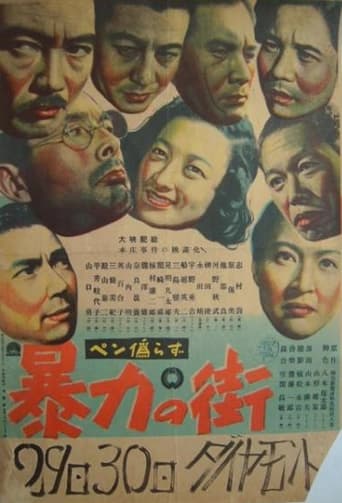
6.5An attempt is made to suppress a journalist's investigation of collusion between a rural police chief and the local gangster bosses.
Town of Violence
1950
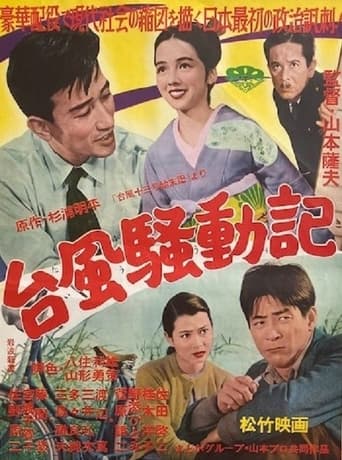 10.0
10.0A group of shady politicians want to make money after a typhoon by claiming the schoolhouse has been destroyed and then cashing in on building a new one.
Typhoon Furor
1956
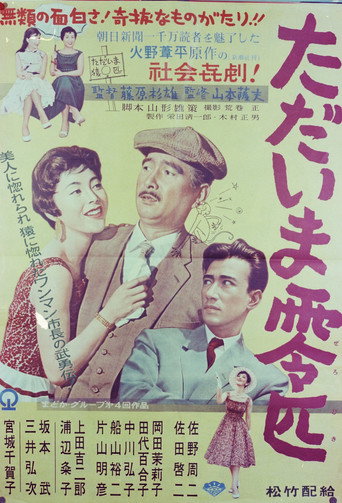 NR
NRNo synopsis available yet.
Monkey Business
1957
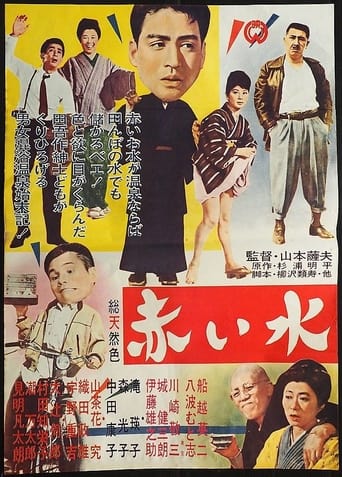 8.0
8.0Comedy drama film
The Red Water
1963
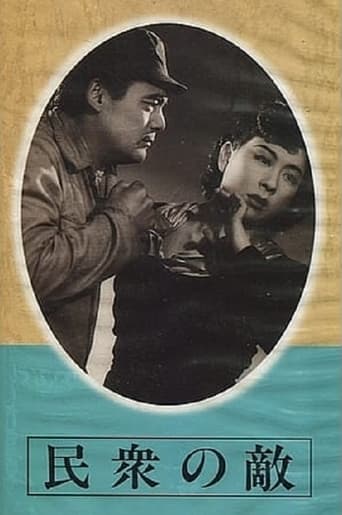 9.0
9.0Tadashi Imai 1946 movie
An Enemy of the People
1946
 NR
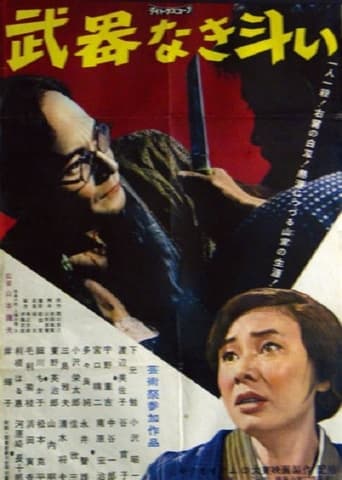
NRIt's a story of the life of a man who advocated the necessity of sex education to children, which was unusual at the time, solely opposed to the amendment of the Peace Preservation Law, and was assassinated by a rightist prior to his opposition speech.
The War Without Weapons
1960
 9.0
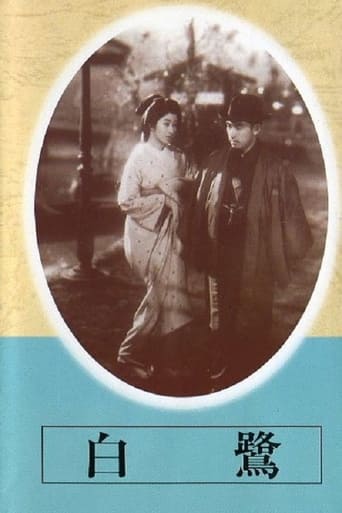
9.0OSHINO, the beautiful daughter of restaurant owners, is in love with SHIRASAGI the painter. But there is another young man, the son of a moneylender family, who is desperately in love with Oshino...
White Heron
1941
 8.0
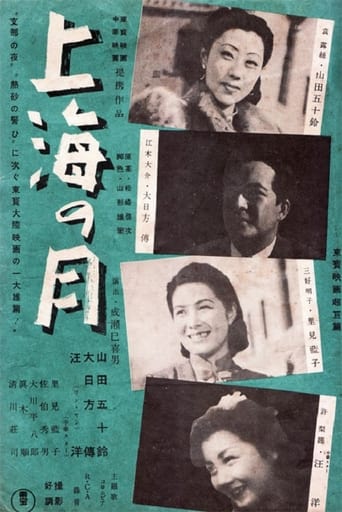
8.0In 1937 fighting erupted between Japanese and Chinese troops at the Marco Polo Bridge. A team of Japanese spies broadcasting radio programs to promote pro-Japanese sentiment were searching for a Chinese speaking announcer. Only 53 minutes of the film survives.
Shanghai Moon
1941
 4.0
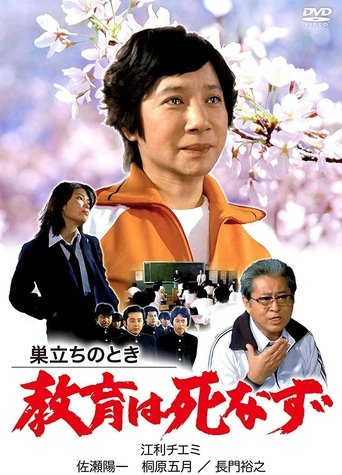
4.0Here is a school that has never expelled a single student, believing in its children even after betrayal and betrayal after betrayal! Yoji (Yoichi Sase), the son of a doctor in Suwa, and Nobuko (Mayuki Kirihara), the daughter of a weaver in Kyoto, are transferred to the class of Omura (Chiemi Eri), a PE teacher at Shinonoi Asahi High School, a private school for troubled children. The school principal (Hiroyuki Nagato) says that the school's policy of "not letting anyone drop out of school" must be upheld, and Omura struggles to do everything in his power to respond. Based on a true story by Shigeta Wakabayashi, an education critic, the film depicts the relationship between a student abandoned by his parents and a teacher who sincerely deals with them.
Sudachi no toki kyoiku wa shinazu
1981
 NR
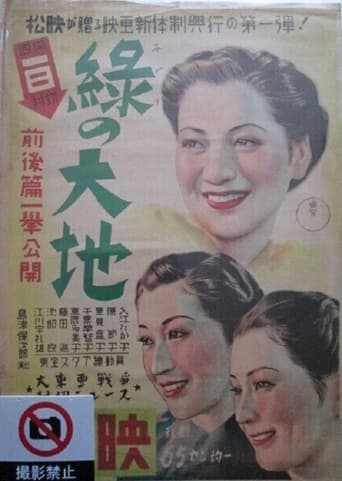
NRSet in Qingdao, China, a Japanese company locates an office there and begins work and cooperation with a local Chinese company for business. Many Japanese engineers also move to China, with their families, for the company in order to construct a canal. There are young Chinese resisting the Japanese in this area.
Green Earth
1942
1946 Toho film directed by Kiyoshi Saeki
Yoki na onna
1946
 10.0
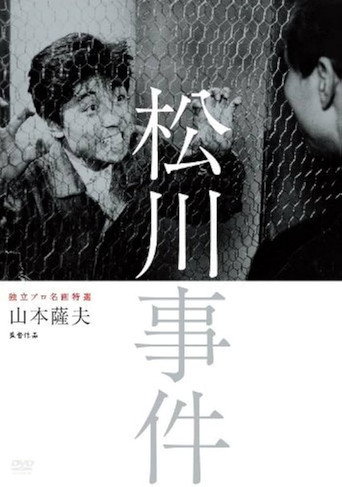
10.0Satsuo Yamamoto's filmic depiction of the famous 1949 Matsukawa Incident.
The Matsukawa Incident
1961
 NR
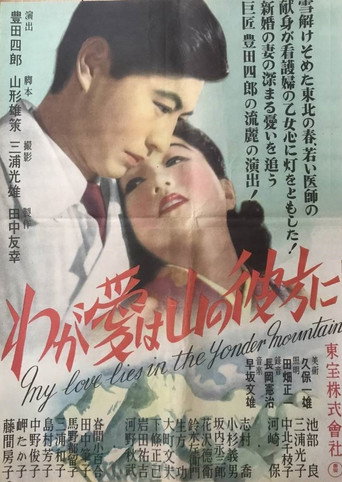
NRNo synopsis available yet.
My Love on the Other Side of the Mountain
1948
1947 Toho film directed by Tadashi Imai
Chikagai nijuyojikan
1947
 NR
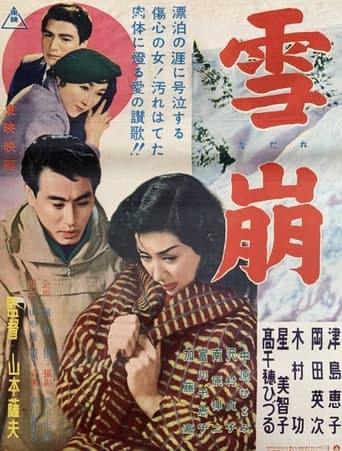
NRNo synopsis available yet.
Avalanche
1956
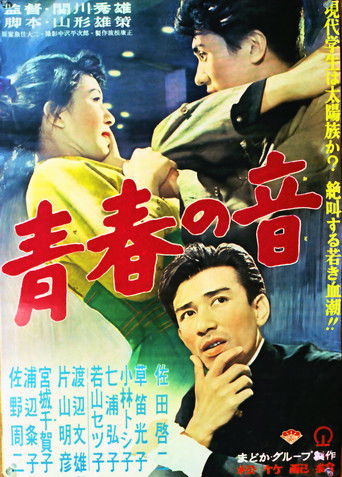 9.0
9.0No synopsis available yet.
Sound of Youth
1956
1944 war movie
敵は幾万ありとても
1944
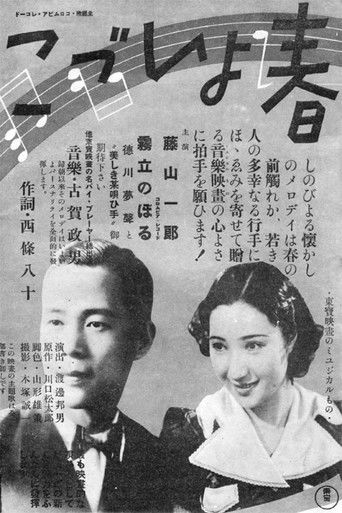 NR
NRDr Sogawa is considering making his son, Taro, take over the family business, but Taro is completely absorbed in music. Nevertheless, he makes him enrol in a medical school. Taro's songs are recorded by the popular singer Shintaro.
Haru yo izuko
1940
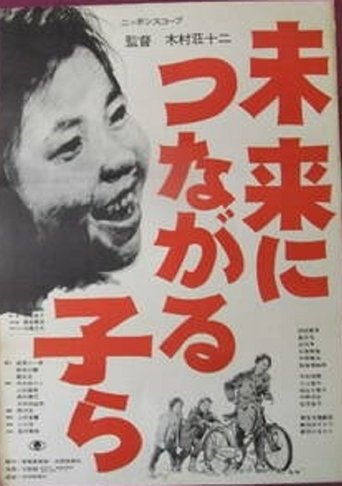 NR
NR1962 Japanese movie
Mirai ni tsunagaru ko ra
1962
Government-sponsored film set during the Pacific War, depicting the lives of people working as stevedores.
Harbor of Life
1944
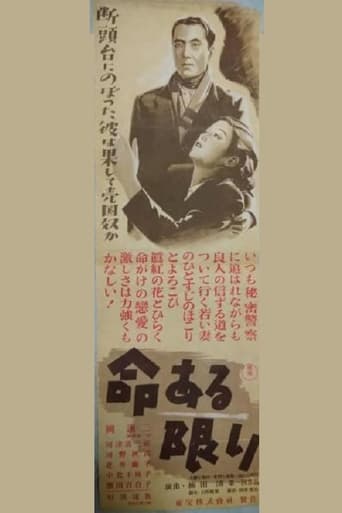 NR
NRNo synopsis available yet.
As Long as I Live
1946