

Directing
Hideo Sekigawa
Born — Died
1908-12-01 — 1977-12-16
Place of birth
Sado, Niigata Prefecture, Japan
Known for
Directing
Credits
37 titles
Hideo Sekigawa (関 川 秀雄, Sekigawa Hideo, 1 December 1908 – 16 December 1977) was a Japanese film director known mainly for films with a left-wing agenda made in the late 1940s and early 1950s. His most noted works are the anti-war films Listen to the Voices of the Sea (1950) and Hiroshima (1953). Hideo Sekigawa joined the documentary branch of P.C.L. film studios (later Toho) in the 1930s where he worked on militarist propaganda films despite his Communist leanings. After the Second World War, Sekigawa debuted as co-director of the pro-unionist Those Who Make Tomorrow (1946) which was intended to illustrate the purpose of the workers' union at the Toho film studios. Having difficulties find…
Known for
 7.4
Historical fiction about the aftermath of the atomic bombing of Hiroshima, Japan, on 6 August 1945, and its effects on various civilians, especially children, of that city.
Hiroshima
1953
 10.0
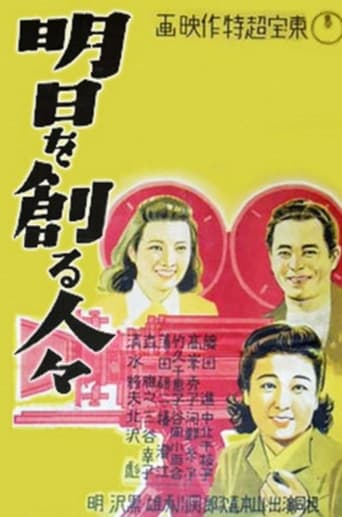
In postwar Japan, two sisters—a film studio script girl and a revue dancer—become swept up in the growing labor movement when workers around them strike for better conditions. As their conservative father opposes their activism, his own dismissal forces him to confront the realities of class struggle and join their fight for a fairer future. Now considered a lost film, Those Who Make Tomorrow was produced by Toho to promote unionization during Japan’s Allied Occupation.
Those Who Make Tomorrow
1946
 NR
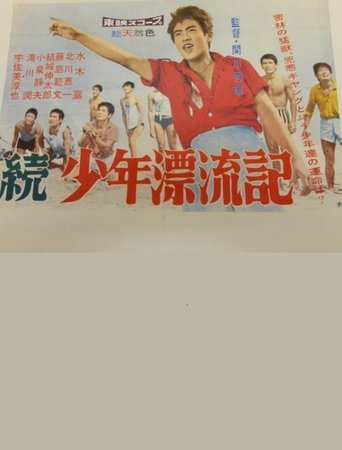
Young boys learn survival skills on a remote island and rescue a girl abducted by a gang of foreigners.
Tale of Young Drifter 2
1960
 9.0
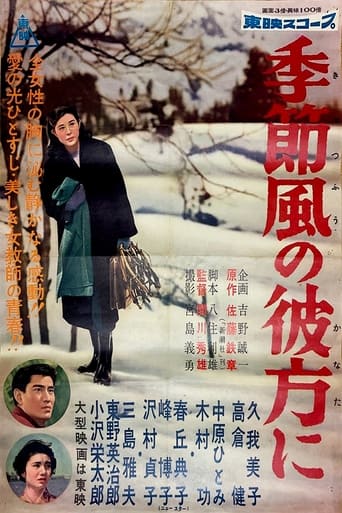
Japanese drama film.
Beyond the Seasonal Wind
1958
 7.0
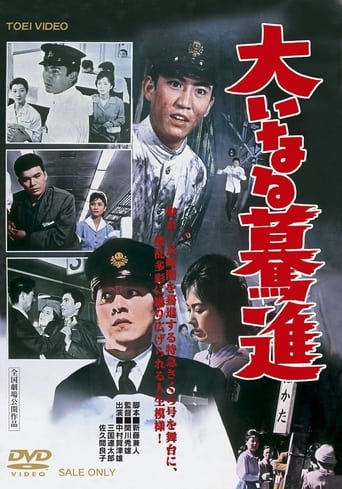
A human drama of crew and passengers on a special express train named “Sakura” from Tokyo to Nagasaki...
Devotion to Railway
1960
 NR
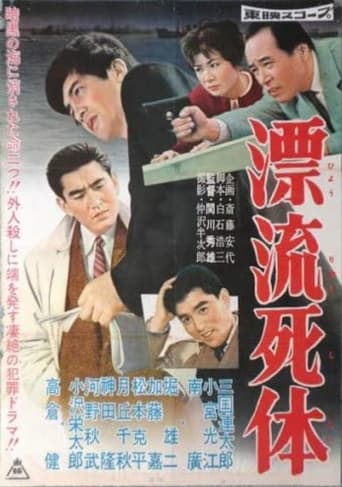
A Dead Drifter / Hyoryû shitaî
A Dead Drifter
1959
Behind the camera
7.4Historical fiction about the aftermath of the atomic bombing of Hiroshima, Japan, on 6 August 1945, and its effects on various civilians, especially children, of that city.
Hiroshima
1953
10.0In postwar Japan, two sisters—a film studio script girl and a revue dancer—become swept up in the growing labor movement when workers around them strike for better conditions. As their conservative father opposes their activism, his own dismissal forces him to confront the realities of class struggle and join their fight for a fairer future. Now considered a lost film, Those Who Make Tomorrow was produced by Toho to promote unionization during Japan’s Allied Occupation.
Those Who Make Tomorrow
1946
NRYoung boys learn survival skills on a remote island and rescue a girl abducted by a gang of foreigners.
Tale of Young Drifter 2
1960
9.0Japanese drama film.
Beyond the Seasonal Wind
1958
7.0A human drama of crew and passengers on a special express train named “Sakura” from Tokyo to Nagasaki...
Devotion to Railway
1960
NRA Dead Drifter / Hyoryû shitaî
A Dead Drifter
1959
 NR
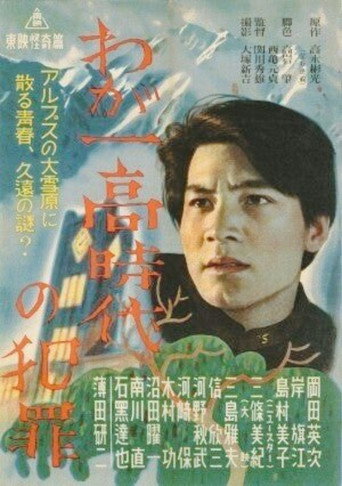
Based on a novella in the Kyosuke Kozu series. The story depicts the meeting between Kyosuke Kozu and Kenzo Matsushita, as well as student dorm life and social customs in the 1930s, and the social climate following the Second Sino-Japanese War.
Waga ichidaka jidai no hanzai
1951
 8.0
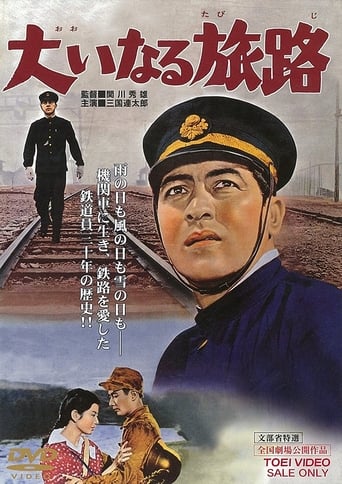
The story of a certain engineer from his youth until he retired from the Japanese National Railways after the war .
The Great Road
1960
 NR
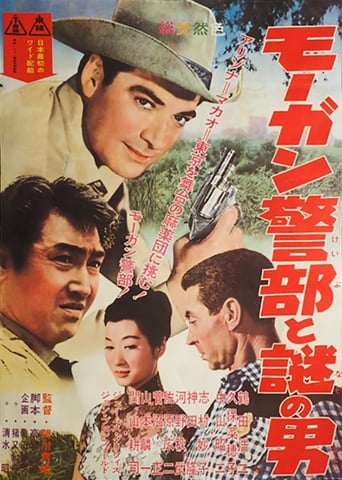
Detective Morgan and the Japanese police cooperate to unveil the truth of the mysterious death of Morgan’s friend in Arizona.
Officer Morgan and a Man of Mystery
1961
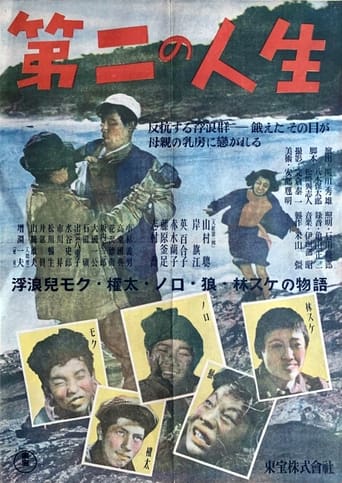 7.0
1948 Japanese drama film.
A Second Life
1948
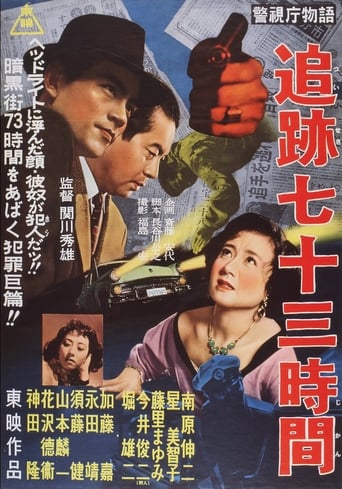 NR
A robbery and murder occurred at a gas station facing the national highway at 1:00am. Detectives Nagata, head of the First Investigation Division, begins investigating. Two bullets were removed from the corpse of a staff member on duty at the station, and the last car to be refilled with gasoline, Sakura Taxi No. 5-E1044, appears on the line of investigation. The same night, a robbery murder case was discovered using the same US military gun that was used on the gas station victim.
Police Precinct: The Left-Handed Killer
1956
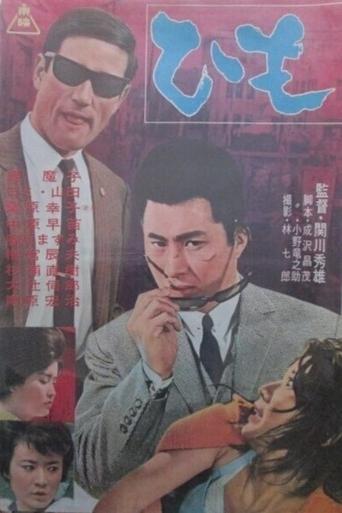 7.0
The "Nighttime Youth Series" vividly depicts the lives of men and women consumed by lust and desire in the nighttime entertainment districts of a neon-lit metropolis. The first installment, "The Pimp," portrays the life of a yakuza who makes a living as a pimp, and Tatsuo Umemiya's portrayal of a womanizer who can manipulate women at will was a perfect fit and garnered much attention.
Sex Peddlers
1965
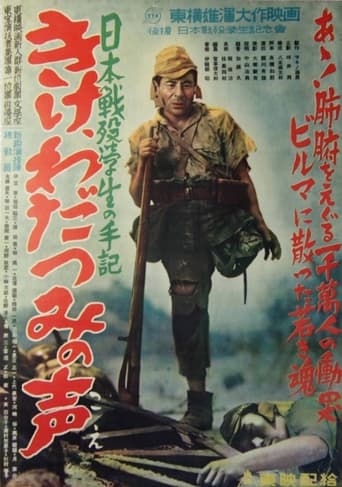 7.5
This film is strongly anti-war film. The film is based on the collection of writings by Japanese student soldiers who died during World War II. The film is located to Burma. It shows the everyday problems of soldiers in contrast of their ideas and the cynicism of their commanders. Soldiers are also victims of military bullying by their commanders.
Listen to the Voices of the Sea
1950
1947 Toho film directed by Tadashi Imai
Chikagai nijuyojikan
1947
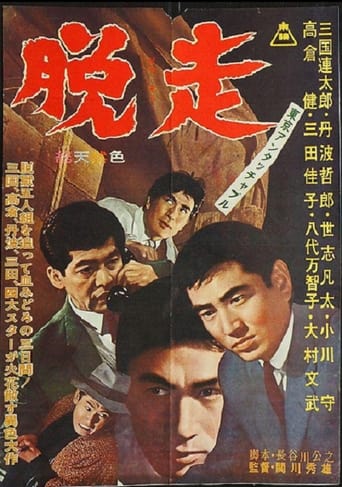 9.0
No synopsis available yet.
Tokyo Untouchable: Escape
1963
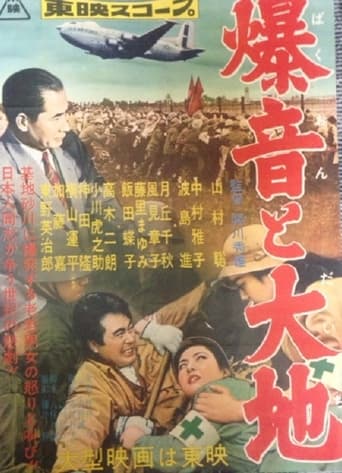 8.0
Roar and Earth
Roar and Earth
1957
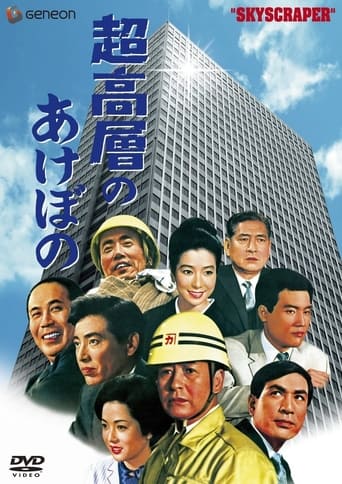 7.0
A film about the construction of the Kasumigaseki Building, the first high-rise building in Japan.
Sky Scraper!
1969
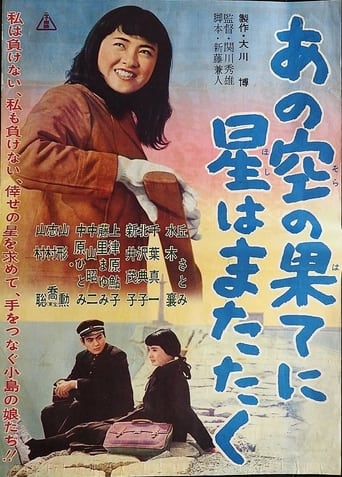 NR
After her father gets incapacitated due to a stroke, a young girl named Sanae takes over his postal job to support her family.
Ano sora no hate ni hoshi wa matataku
1962
 NR
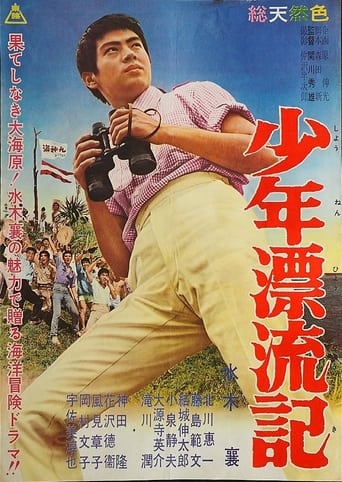
Young boys learn survival skills on a remote island and rescue a girl abducted by a gang of foreigners.
Tale of Young Drifter
1960
 7.0
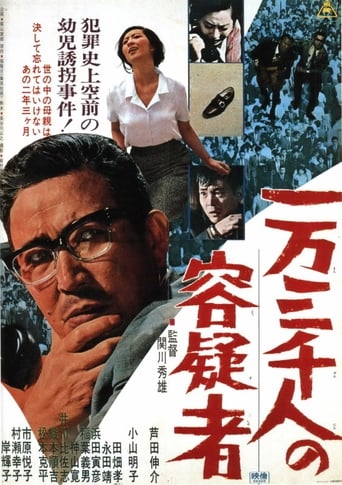
Suspense film based on Ryuji Hori's non-fiction book about the kidnapping and murder of 4-year-old Yoshinobu Murakoshi in 1963.
A Thousand Suspects
1966
 10.0
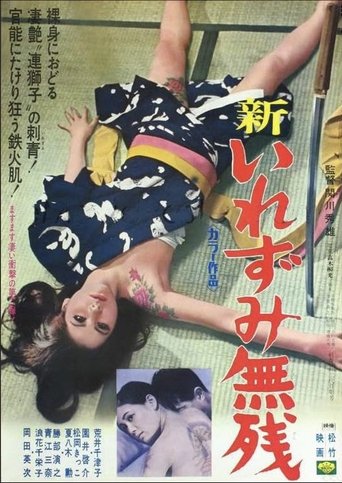
Modern sex and thrill film about tattooed prostitute.
Devil in My Flesh
1968
 8.0
A man with many disguises uses robotic beetles, man-made monsters and other devices to try and steal atomic power.
Shonen Tanteidan: Kabu to Mushi no Yoki
1957
No synopsis available yet.
Crossing the Flames of War
1950
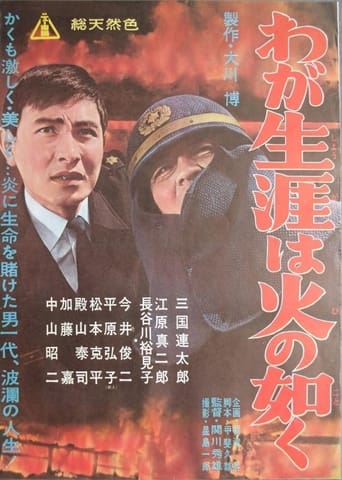 NR
No synopsis available yet.
Like Fire is My Life
1961
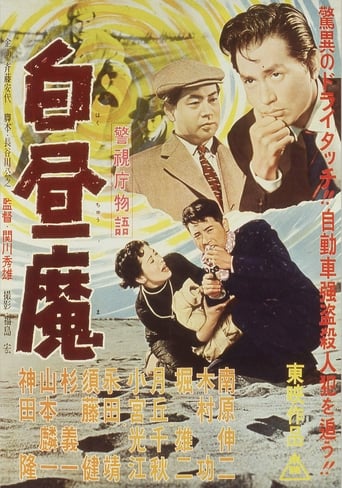 NR
A luxury car was stolen near a certain nightclub in Akasaka, and the owner of the car was shot and killed. The investigation by detective Nagata, head of the Metropolitan Police Department's Investigation Headquarters, revealed that the perpetrator shot a silenced gun, and that a film camera was taken away from the car he abandoned. Furthermore, fluids left at the scene indicate that the perpetrator was a tuberculosis patient...
Police Precinct: Crime at High Noon
1957
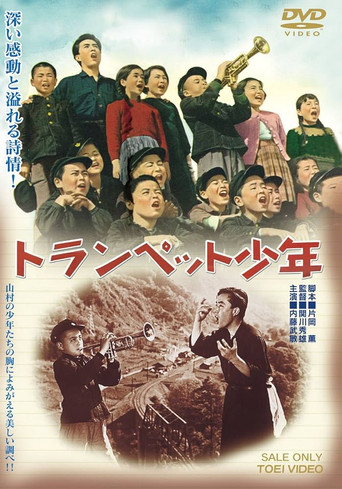 NR
No synopsis available yet.
A Trumpet Boy
1955
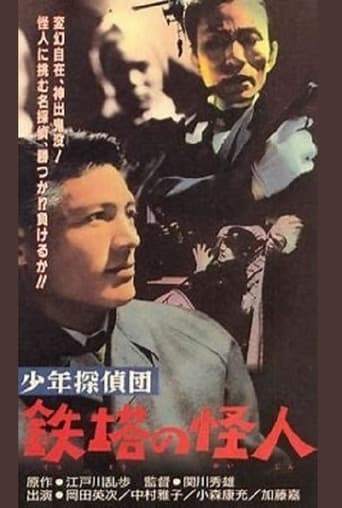 9.0
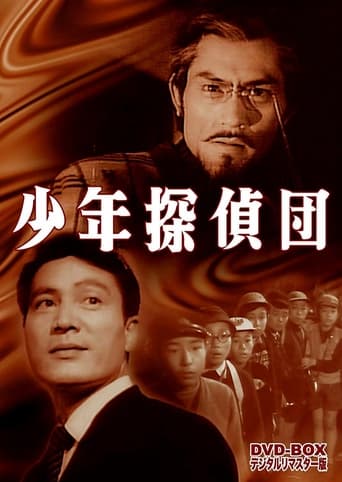
Fourth film in the Boy Detectives Club series.
The Boy Detectives Club – The Iron Fiend
1957
 9.0
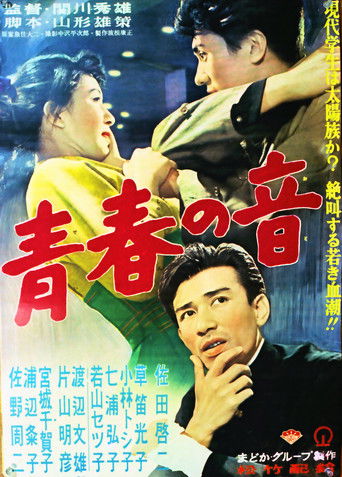
No synopsis available yet.
Sound of Youth
1956
 9.0
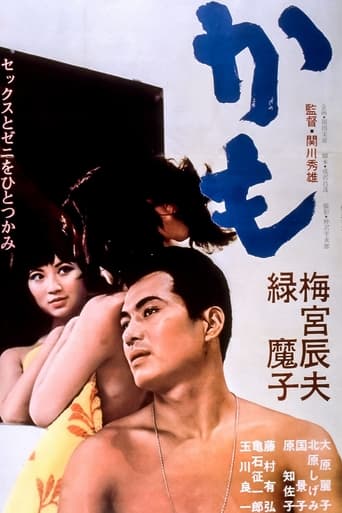
A man who hunts for women and sells them to bars and cabarets. This film depicts the lives of men and women who breathe the dark side of the city and live with a mysterious strength amidst vice. The fourth film in the Night Youth series by the duo Umemiya Tatsuo and Midori Mako.
Dupe
1965
Tonomura has a singular taste in women. He likes them, but he wants them tattooed. To this end, young Osayo has herself decorated with a celebrated flying-angel pattern and in this way brings much pleasure to her patron. A young hoodlum named Shinnosuke also covets the tattooed maiden. He, decorated with the design of a famous thief, finally gets to her and she responds as she rarely does with her older lover. Also in love with her is a young girl named Okimi who has herself tattooed with a courtesan design just to please the older woman. Having done so, however, she becomes fair prey to the tattoo-loving Tonomura who loses no time in seducing her.
Tattooed Temptress
1968
 8.0
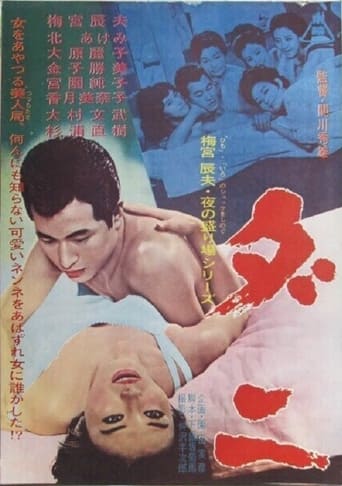
No synopsis available yet.
Vermin
1965
 NR
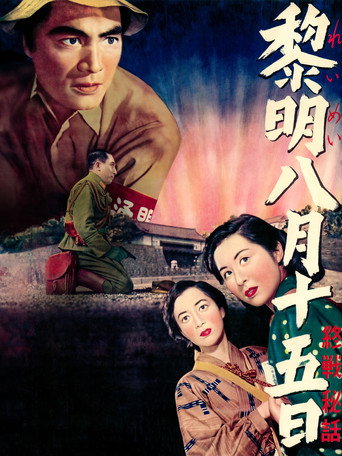
July 1945. War‑exhausted Japan groans under the heel of a brutal military regime. Young journalist Saeki struggles to cling to a fading sense of justice. Writer Yoshida slowly loses his convictions to the darkness of unquestioning orders. Kimiko, a young woman, bears the scars of cruelty from the cold‑hearted military police. Private Yamada has deserted the army. His wife, Ryōko, is branded a traitor's wife and relentlessly hunted. When Yamada finally reaches home, he finds his sick child Toshiko lying in bed. The military police drag him away in front of his family; a struggle ensues, and Yamada is shot dead before his wife's eyes. Hiroshima is annihilated by an atomic bomb. Rumors spread of a final decisive battle on the mainland. The people clutch bamboo spears with gaunt hands. Then August 15th arrives: Japan's defeat is laid bare before the stunned populace.
August 15, 1945, New Dawn For Japan
1952
 NR
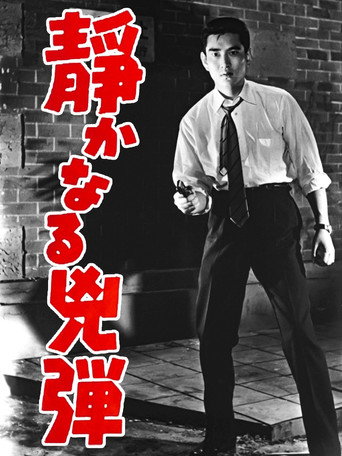
A veteran officer and a young detective investigate a late-night taxi-driver killing; tracing an illegally held pistol leads them through a chain of owners—and toward an unexpected conclusion.
The Silent Murder
1959
 10.0
At a bar in Honmoku, Yokohama, several yakuza members, desperate for some spare change, surrounded a pair of bartenders. Just as one of the yakuza was about to attack the blind bartender, a man who had been sitting at the bar turned around and slammed a left straight into the man's face. The man's name was Paul. He would later become Takeshi Fuji.
Fuji Takeshi monogatari: Yamato-damashii
1968
 NR
Depicts the boyhood days of Dr. Noguchi, world famous bacteriologist, who was born in a poor village as a farmer's son.
The Boyhood of Dr. Noguchi
1956
No synopsis available yet.
The River Watches
—
No synopsis available yet.
The River Watches
—