
Directing
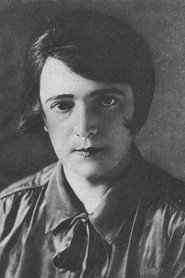
Esfir Shub
Born — Died
1894-03-16 — 1959-09-21
Place of birth
Surazh, Russian Empire
Known for
Directing
Credits
21 titles
Esfir Shub, also referred to as Esther Il'inichna Shub, was a pioneering Soviet filmmaker and editor in both the mainstream and documentary fields. She was one of few women to play a significant role behind the scenes in the Soviet film industry. She is best known for her trilogy of films, Fall of the Romanov Dynasty (1927), The Great Road (1927), and The Russia of Nicholas II and Leo Tolstoy (1928). Shub is credited as the creator of compilation film. Esfir Shub was born into a family of landowners. She studied literature in Moscow, but after Revolution she began to attend the classes at the Institute for Women's Higher Education and then got a job as a 'theater officer' at the State Comm…
Known for
On the development of domestic cinema during the first two decades of Soviet rule.
Twenty Years of Soviet Cinema
1940
 6.5
6.5A visual composition of the world.
Today
1929
 10.0
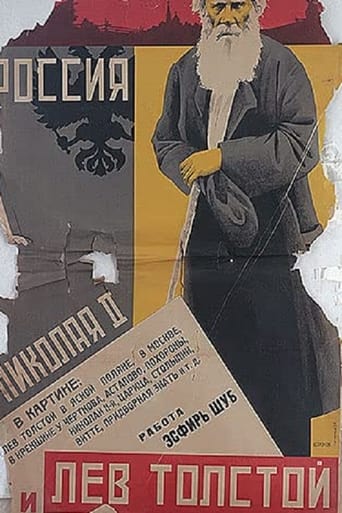
10.0Lev Tolstoy and the Russia of Nicolai II is a 1928 Soviet silent documentary film directed by Esfir Shub. The film is considered lost. Lev Tolstoy and the Russia of Nicolai II is the final film in Esfir Shub's trilogy of films that began with The Fall of the Romanov Dynasty (1927) and continued with The Great Road (1927).
Lev Tolstoy and the Russia of Nicolai II
1928
 6.4
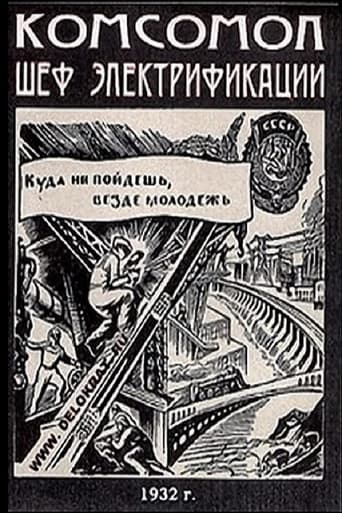
6.4In this pioneering documentary, one of the earliest Soviet sound films, Shub shot a contemporary chronicle of the progress of establishing electricity across the Soviet nation, a struggle spearheaded by the Komsomol.
The Komsomol - Chief of Electrification
1932
 NR
NRIn the early years of cinema, editors were usually women. This short documentary looks at how they wielded power, and how their work was made invisible.
After the Facts
2018
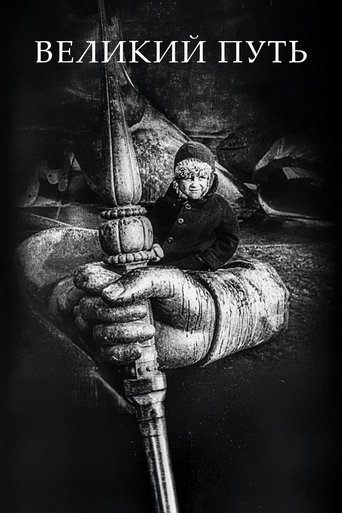 3.0
3.0The Great Road (1927) is a Soviet silent documentary directed by Esfir Shub. Serving as the second part of her trilogy on Russian history—between The Fall of the Romanov Dynasty (1927) and Lev Tolstoy and the Russia of Nicolai II (1928)—the film chronicles the revolutionary path of the Soviet Union, assembling archival footage to depict the struggle, transformation, and aspirations of the early Soviet state.
The Great Road
1927
Film credits
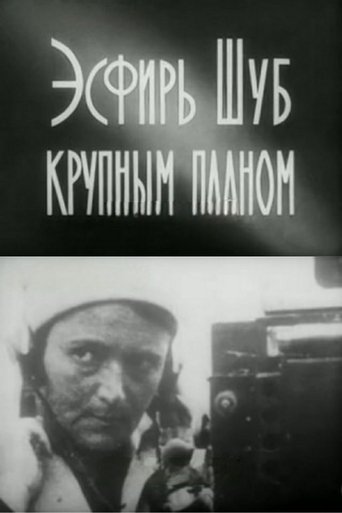
Behind the camera
On the development of domestic cinema during the first two decades of Soviet rule.
Twenty Years of Soviet Cinema
1940
On the development of domestic cinema during the first two decades of Soviet rule.
Twenty Years of Soviet Cinema
1940
6.5A visual composition of the world.
Today
1929
6.5A visual composition of the world.
Today
1929
10.0Lev Tolstoy and the Russia of Nicolai II is a 1928 Soviet silent documentary film directed by Esfir Shub. The film is considered lost. Lev Tolstoy and the Russia of Nicolai II is the final film in Esfir Shub's trilogy of films that began with The Fall of the Romanov Dynasty (1927) and continued with The Great Road (1927).
Lev Tolstoy and the Russia of Nicolai II
1928
10.0Lev Tolstoy and the Russia of Nicolai II is a 1928 Soviet silent documentary film directed by Esfir Shub. The film is considered lost. Lev Tolstoy and the Russia of Nicolai II is the final film in Esfir Shub's trilogy of films that began with The Fall of the Romanov Dynasty (1927) and continued with The Great Road (1927).
Lev Tolstoy and the Russia of Nicolai II
1928
6.4In this pioneering documentary, one of the earliest Soviet sound films, Shub shot a contemporary chronicle of the progress of establishing electricity across the Soviet nation, a struggle spearheaded by the Komsomol.
The Komsomol - Chief of Electrification
1932
6.4In this pioneering documentary, one of the earliest Soviet sound films, Shub shot a contemporary chronicle of the progress of establishing electricity across the Soviet nation, a struggle spearheaded by the Komsomol.
The Komsomol - Chief of Electrification
1932
3.0The Great Road (1927) is a Soviet silent documentary directed by Esfir Shub. Serving as the second part of her trilogy on Russian history—between The Fall of the Romanov Dynasty (1927) and Lev Tolstoy and the Russia of Nicolai II (1928)—the film chronicles the revolutionary path of the Soviet Union, assembling archival footage to depict the struggle, transformation, and aspirations of the early Soviet state.
The Great Road
1927
3.0The Great Road (1927) is a Soviet silent documentary directed by Esfir Shub. Serving as the second part of her trilogy on Russian history—between The Fall of the Romanov Dynasty (1927) and Lev Tolstoy and the Russia of Nicolai II (1928)—the film chronicles the revolutionary path of the Soviet Union, assembling archival footage to depict the struggle, transformation, and aspirations of the early Soviet state.
The Great Road
1927
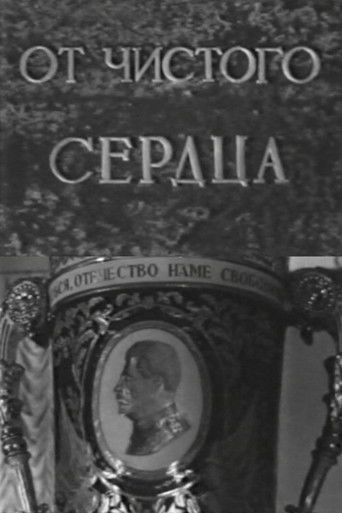 NR
NRA film record of the gifts and gift-givers to comrade Stalin on the occasion of his 70th birthday in 1948. The majority of the action takes place in the Halls of Gifts to Comrade Stalin in the Museum of the Revolution in Moscow.
With Heartfelt Sincerity
1949
NRA film record of the gifts and gift-givers to comrade Stalin on the occasion of his 70th birthday in 1948. The majority of the action takes place in the Halls of Gifts to Comrade Stalin in the Museum of the Revolution in Moscow.
With Heartfelt Sincerity
1949
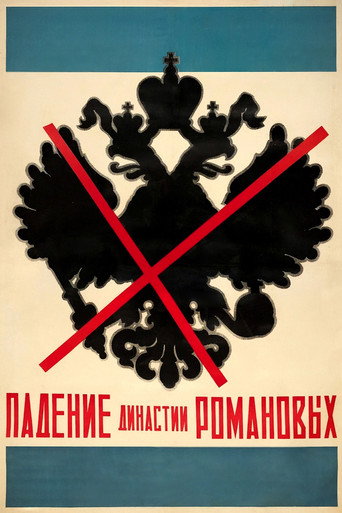 6.3
6.3A compilation of newsreels shot between 1913 and 1917 - the years leading up to the Russian Revolution.
The Fall of the Romanov Dynasty
1927
6.3A compilation of newsreels shot between 1913 and 1917 - the years leading up to the Russian Revolution.
The Fall of the Romanov Dynasty
1927
 6.5
6.5Propaganda film presenting the Soviet side of the Iran crisis of 1946 and the short-lived Azerbaijan People's Government.
On the Other Side of the Araks
1949
6.5Propaganda film presenting the Soviet side of the Iran crisis of 1946 and the short-lived Azerbaijan People's Government.
On the Other Side of the Araks
1949
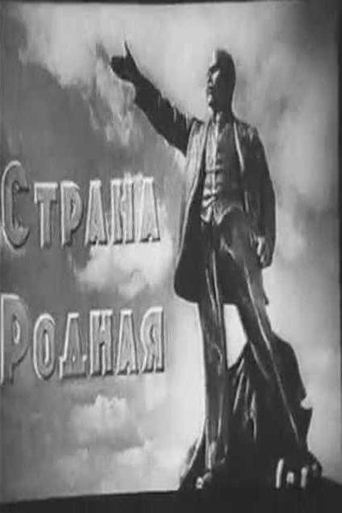 10.0
10.0A commemoration of the 25th anniversary of the October Revolution, Native Land praises the early years of the Soviet Union.
Native Land
1942
А Soviet documentary film about Turkey.
Turkey at the Turning Point
1937
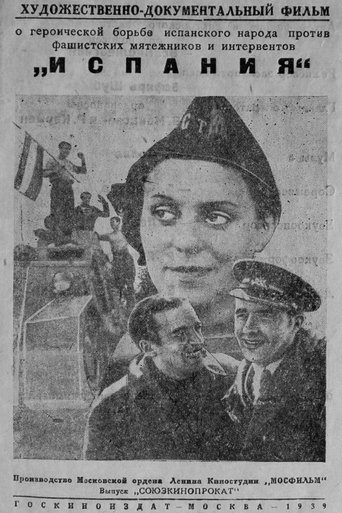 7.0
7.0A feature-length documentary based on film reports from the Spanish civil war.
Spain
1939