
Directing
Joseph Cornell
Born 1903-12-24 · Nyack, New York, USA
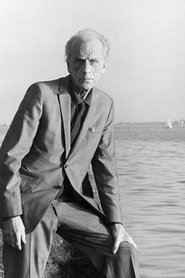
Joseph Cornell (December 24, 1903 – December 29, 1972) was an American artist and sculptor, one of the pioneers and most celebrated exponents of assemblage. Influenced by the Surrealists, he was also an avant-garde experimental filmmaker. He was largely self-taught in his artistic efforts, and improvised his own original style incorporating cast-off and discarded artifacts. He lived most of his life in relative physical isolation, cared for his parents and his disabled brother at home, but remained aware of and in contact with other contemporary artists.
Acting credits
 10.0
10.0This exhibition focuses on Jonas Mekas’ 365 Day Project, a succession of films and videos in calendar form. Every day as of January 1st, 2007 and for an entire year, as indicated in the title, a large public (the artist's friends, as well as unknowns) were invited to view a diary of short films of various lengths (from one to twenty minutes) on the Internet. A movie was posted each day, adding to the previously posted pieces, resulting altogether in nearly thirty-eight hours of moving images.
365 Day Project
2007
 NR
NRThis is a 1991 documentary film about the legendary artist and filmmaker, Joseph Cornell, who made those magnificent and strange collage boxes. He was also one of our great experimental filmmakers and once apparently made Salvador Dali extremely jealous at a screening of his masterpiece, Rose Hobart. In this film we get to hear people like Susan Sontag, Stan Brakhage, and Tony Curtis talk about their friendships with the artist. It turns out that Curtis was quite a collector and he seemed to have a very deep understanding of what Cornell was doing in his work.
Joseph Cornell: Worlds in a Box
1991
Lawrence Jordan's portrait of the reclusive artist Joseph Cornell.
Cornell, 1965
1978
Behind the camera
 5.5
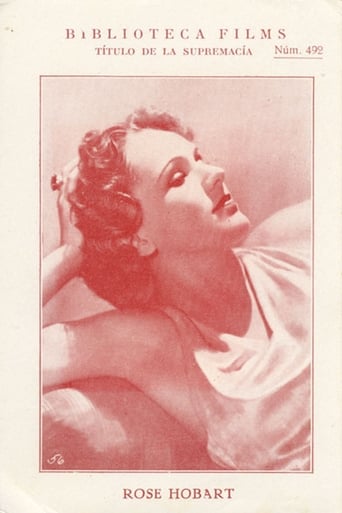
5.5Cornell employs clips from 1931's jungle melodrama East of Borneo – more specifically, clips of its lead actress, Rose Hobart – to disquieting effect. Through Cornell's collage editing, Hobart becomes a singular object of desire and dread, trapped in an exotic paradise.
Rose Hobart
1936
 5.8
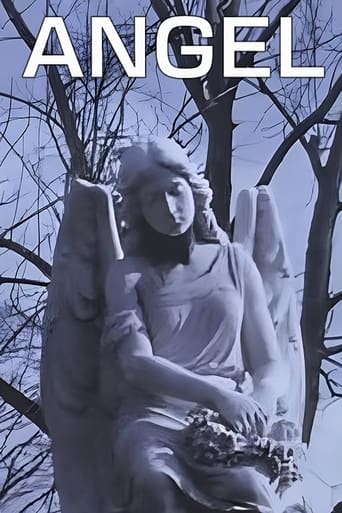
5.8Short film of a statue of an angel by an ornamental pond on a summer's day.
Angel
1957
 5.1
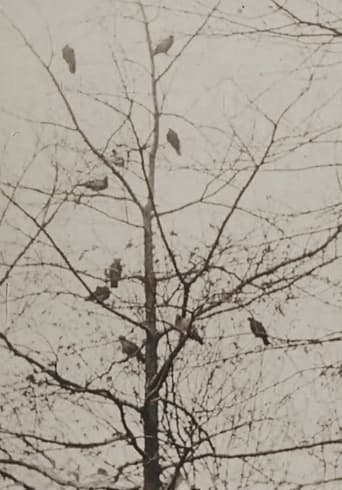
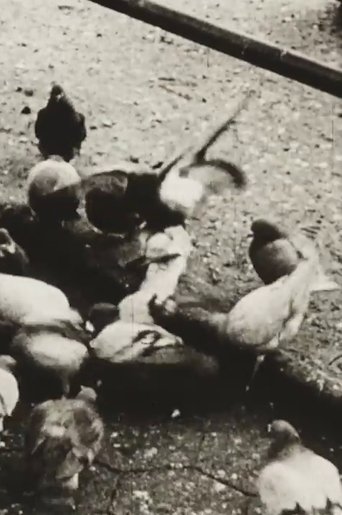
5.1A collaboration between Joseph Cornell and Rudy Burckhardt, Aviary is an impression of Union Square. The location held a particular fascination for Cornell who wanted to establish a foundation for artists and art therapy there. In the film, he treats the park as an outdoor aviary.
The Aviary
1955
 5.6
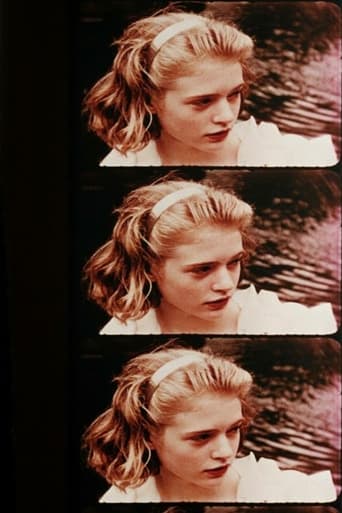
5.6A short, avant-garde movie, starring twelve-year-old ballet student Gwen Thomas, Nymphlight is a lovely blend of fact and fiction, using Bryant Park at the New York Public Library as a stage set for the fantasy inclusion of a certain nymph. A meditation on an ephemeral day in the the life of a park shared by birds, the young and the old.
Nymphlight
1957
"I have not changed the editing structure. I have made the films printable. They are the first known fully collaged films, i.e., films made from found footage, and were done sometime in the ‘40s. Cornell combines Vaudeville jugglers, animal acts, circus performers, children eating and dancing, science demonstrations, mythical excerpts, and crucial freeze-frames of faces into a timeless structure, totally unconcerned with our usual expectations of “montage” or cinematic progression. He collects images and preserves them in some kind of cinematic suspension that is hard – impossible – to describe. But it’s a delight to anyone whose soul has not been squashed by the heavy dictates of Art." —Larry Jordan
Cotillion
1969
 6.3
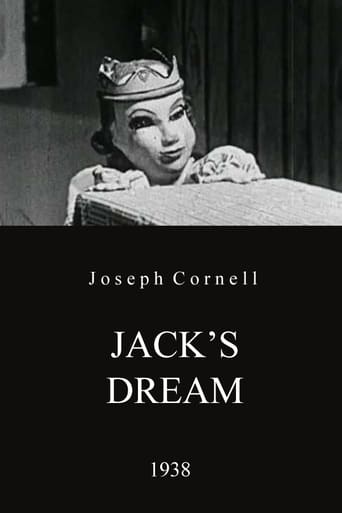
6.3A lucid dream turned nightmarish reality. A ship sinking into a world of fear. A short film that’s mostly puppetry by one of America's most prolific twentieth century artists.
Jack's Dream
1938
 NR
NRSlightly different version of Cornell's Mulberry Street. Scenes of Mulberry Street on New York City's Lower East Side, as seen from the point of view of a bust of Mozart sitting in a store window.
Children
1957
 NR
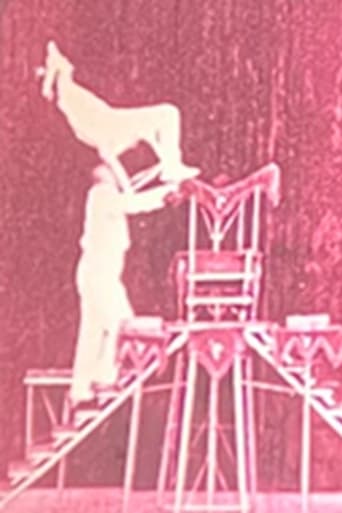
NRIn Vaudeville Deluxe, Cornell assembles footage of performers, like a man who balances in his mouth a frame that supports a seated woman. (Release date is approximately 1940s.)
Vaudeville Deluxe
1940
 7.4
7.4One of Joseph Cornell’s funniest films, Thimble Theater is structured like a vaudeville variety show about nature.
Thimble Theater
1938
A short film where circus performers entertain children.
The Midnight Party
1969
A short film where circus performers entertain children.
The Midnight Party
1969
A short film where circus performers entertain children.
The Midnight Party
1969
 NR
NRA couple on a street corner and in a cafe, birds circling above the city street, window displays in a shop.
Capuccino
1957
Joseph Cornell's ode to the memory of his friend Joyce Hunter is a meditative series of scenes recorded at Flushing Cemetery in Queens, where Cornell arranged for Hunter to be buried.
Flushing Meadows
1965
 5.7
5.7A film composed of the out-takes from Brakhage’s The Wonder Ring (1955), which Cornell had commissioned. There has been a long-standing misconception that the film "Gnir Rednow" is simply "The Wonder Ring" mirrored or projected in reverse. However, Mark Toscano of the Academy Film Archive has definitively established that the original roll of each one of these two films is "unmistakably, completely comprised of camera original Kodachrome," and that no two shots are precisely the same from one film to the other.
Gnir Rednow
1955
 NR
NRShorter version with sound
The Aviary (Short Sound Version)
1955
 NR
NRThe contents consist mostly of found footage, similar to the repurposed imagery favored by Cornell in his other films. Edited with Cornell’s distinctive splicing tape, the 23-minute film was composed by the artist sometime between 1940 and 1955.
Untitled Joseph Cornell Film (The Wool Collage)
1955
 5.0
5.0A short made by Joseph Cornell in the late 1930s-- An ode to imagination, travel and literature. In true Cornellian fashion, the film borrows footage from, among other films, a Burton Holmes travelogue; Sightseeing tours of Dutch Marken and agrarian Asia therefore become the dream of a boy at a bookstall.
Bookstalls
1938
Joseph Cornell film with input from Rudolph Burckhardt. Also the title to one of Cornell's collages.
Seraphina's Garden
1958
 5.8
5.8A montage of elephants, children, Native Americans, logging, a barnstormer, a blimp, people on and in the water, and a man who sings like a bird.
The Children's Jury
1938
 NR
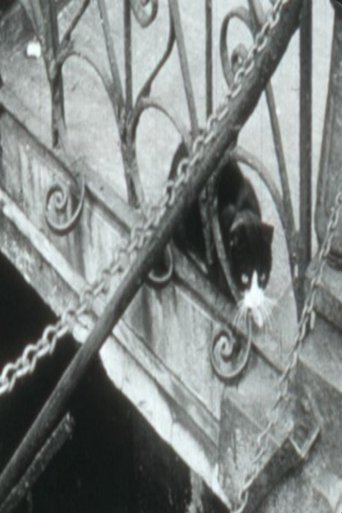
NRJoseph Cornell shot footage on Mulberry Street with Rudolph Burckhardt and made this silent film. Burckhardt would make his own sound version, "What Mozart Saw on Mulberry Street," and Cornell would also make Children out of the same material.
Mulberry Street
1956
 5.4
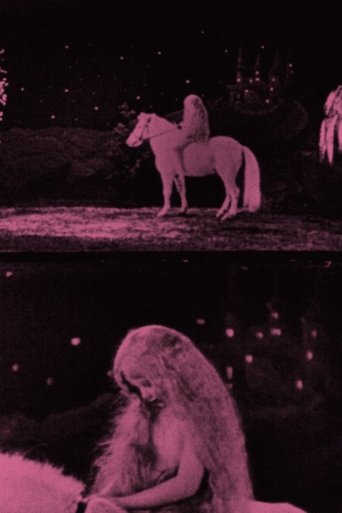
5.4Director Joseph Cornell evokes the nostalgia of childhood by filming a children's party.
Children's Party
1938
 NR
NRJoseph Cornell's original compilation from his own film collection is based on the low-budget slapstick cartoons produced in the 1920s and 1930s by the Weiss Brothers, which Cornell turns into a parody of newsreels through subtle textual intervention.
Unreal Newsreels
1928
Joseph Cornell film from 1957, color.
Boys' Games
1957