
Directing
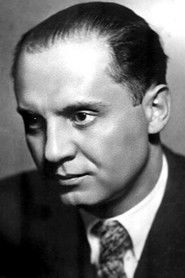
Leonid Trauberg
Born — Died
1902-01-04 — 1990-11-13
Place of birth
Odessa, Russian Empire (Ukraine)
Known for
Directing
Credits
40 titles
Leonid Zakharovich Trauberg was a Soviet film director and screenwriter. He directed 17 films between 1924 and 1961 and was awarded the Stalin Prize in 1941. Trauberg was Jewish, and was fiercely attacked by Soviet authorities during the so-called "anti-cosmopolitan" period following World War II.
Known for
 3.8
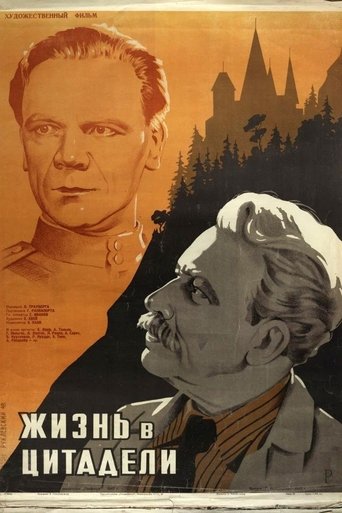
3.8Professor August Miilas has succeeded in hiding in his private house from the war. He thinks this is mainly caused by his complete devotion to science. As August is not interested in anything that is going on outside his citadel, his family members avoid disturbing him. However, the political situation disrupt August's quietude. Right in the middle of his domestic citadel, the professor finds out about dangerous secrets so that he must give up this apolitical attitude and open up for the new reality.
Life in the Citadel
1947
 6.8
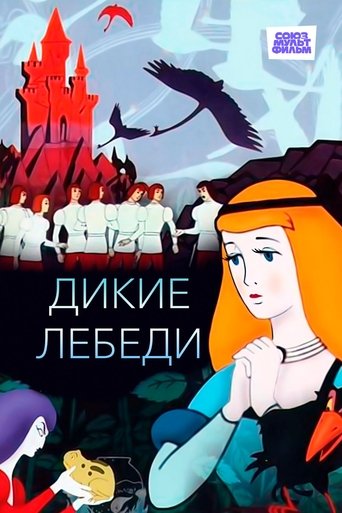
6.8When a witch transforms her brothers into swans, a young princess must find a way to change them back.
The Wild Swans
1962
 NR
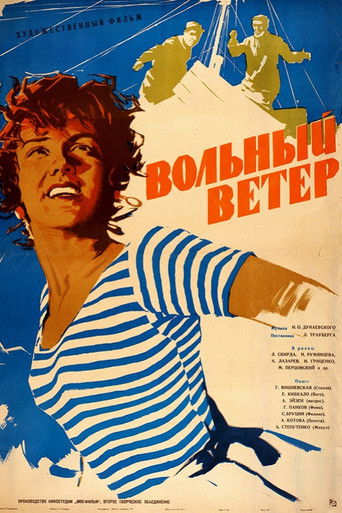
NRThe port town of one of the small southern countries. After the Nazi occupiers left, the port's berths were empty, the steamers did not smoke, cargo cranes stood. Fearing retaliation for collaborating with enemies, port owner Georg Stan fled the city. After waiting a while and securing the support of local authorities, Stan nonetheless returns - and loading operations begin in the port. While loading oranges, the sailor Yango and the beautiful Stella are preparing for the wedding. Suddenly, Stan makes a proposal to the girl and tricks her into agreeing. Upon learning of the deception, the girl runs away to Yango. Having discovered weapons intended to support fascism in the drawer of the hold, the heroes do everything possible to make the boxes fall to the bottom of the sea.
Wind of Freedom
1961
Lost film.
Мишки против Юденича
1925
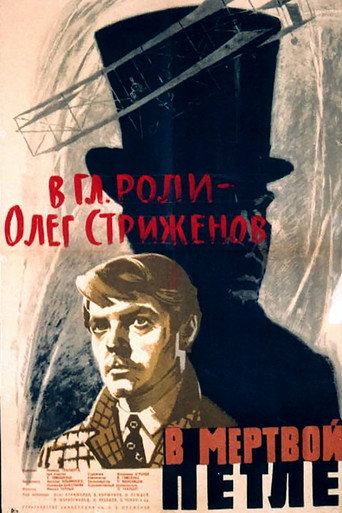 9.0
9.0A biographical film about the famous Russian pilot Sergei Utochkin, about the first conquerors of the sky who paved the way for Russian aviation.
In Death's Noose
1963
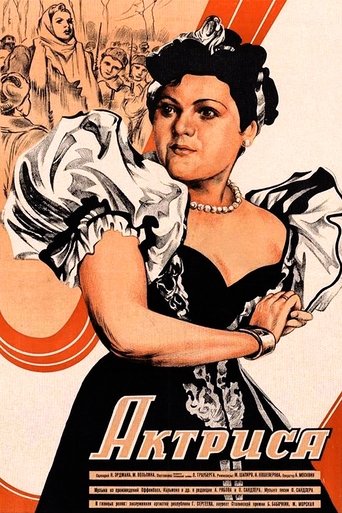 5.4
5.4Zoya Vladimirovna Strelnikova, a famous operetta actress, quits the theater and gets a nanny in a military hospital. There she meets the wounded major Peter Nikolayevich Markov.
Actress
1943
Film credits
1960s · 1 titles

Behind the camera
3.8Professor August Miilas has succeeded in hiding in his private house from the war. He thinks this is mainly caused by his complete devotion to science. As August is not interested in anything that is going on outside his citadel, his family members avoid disturbing him. However, the political situation disrupt August's quietude. Right in the middle of his domestic citadel, the professor finds out about dangerous secrets so that he must give up this apolitical attitude and open up for the new reality.
Life in the Citadel
1947
6.8When a witch transforms her brothers into swans, a young princess must find a way to change them back.
The Wild Swans
1962
NRThe port town of one of the small southern countries. After the Nazi occupiers left, the port's berths were empty, the steamers did not smoke, cargo cranes stood. Fearing retaliation for collaborating with enemies, port owner Georg Stan fled the city. After waiting a while and securing the support of local authorities, Stan nonetheless returns - and loading operations begin in the port. While loading oranges, the sailor Yango and the beautiful Stella are preparing for the wedding. Suddenly, Stan makes a proposal to the girl and tricks her into agreeing. Upon learning of the deception, the girl runs away to Yango. Having discovered weapons intended to support fascism in the drawer of the hold, the heroes do everything possible to make the boxes fall to the bottom of the sea.
Wind of Freedom
1961
Lost film.
Мишки против Юденича
1925
Lost film.
Мишки против Юденича
1925
9.0A biographical film about the famous Russian pilot Sergei Utochkin, about the first conquerors of the sky who paved the way for Russian aviation.
In Death's Noose
1963
9.0A biographical film about the famous Russian pilot Sergei Utochkin, about the first conquerors of the sky who paved the way for Russian aviation.
In Death's Noose
1963
5.4Zoya Vladimirovna Strelnikova, a famous operetta actress, quits the theater and gets a nanny in a military hospital. There she meets the wounded major Peter Nikolayevich Markov.
Actress
1943
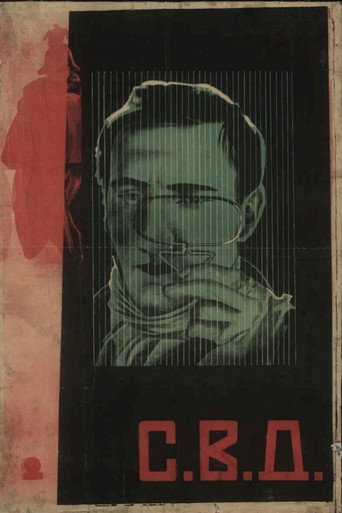 5.4
5.4Right before the Decembrist Revolt of 1825, a chevalier of fortune decides that it's time for a game. But on whom make a bet? He asks the cards. But he's not the only one who makes the choice.
The Club of the Big Deed
1927
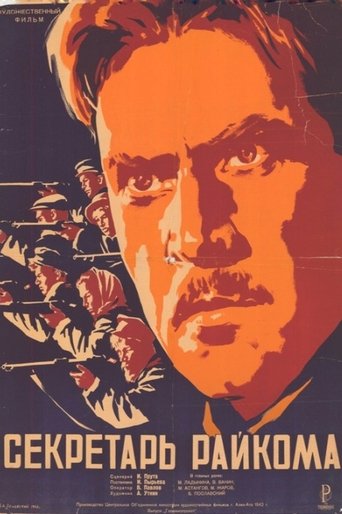 4.7
4.7A story about a Secretary of the Communist Party District Committee who is leading partisans in their fight with the Nazis during WWII.
The District Secretary
1942
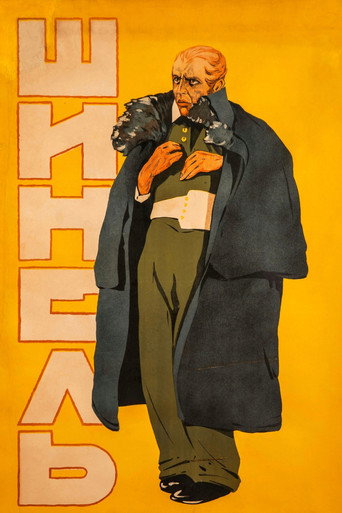 5.1
5.1Bashmachkin, a lowly, impoverished government clerk in St. Petersburg, endures workplace mockery and dedicates his meager savings to buying a new winter coat.
The Overcoat
1926
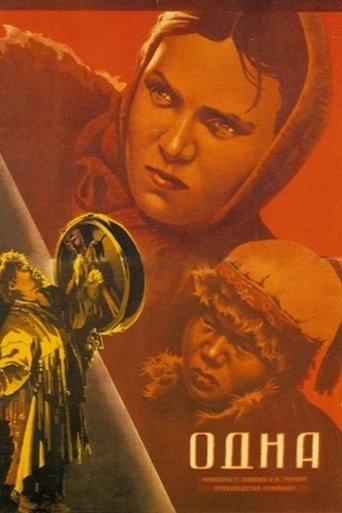 5.5
5.5A young teacher is sent to a remote province, separating her from her lover, and sets about the difficult task of building a school there.
Alone
1931
5.5A young teacher is sent to a remote province, separating her from her lover, and sets about the difficult task of building a school there.
Alone
1931
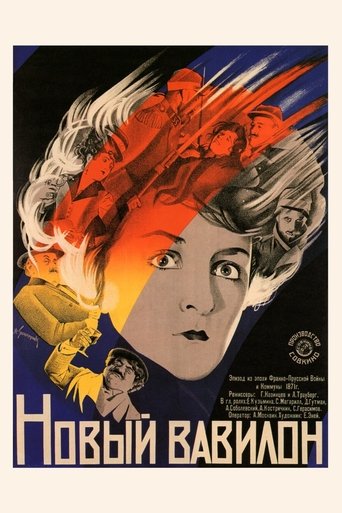 6.1
6.1In the short-lived Commune of Paris, a conscripted soldier falls in love with a Communard saleswoman. As the army cracks down on the revolutionaries, the soldier is forced to fight against the Commune, and the pair's love is put to the test.
The New Babylon
1929
6.1In the short-lived Commune of Paris, a conscripted soldier falls in love with a Communard saleswoman. As the army cracks down on the revolutionaries, the soldier is forced to fight against the Commune, and the pair's love is put to the test.
The New Babylon
1929
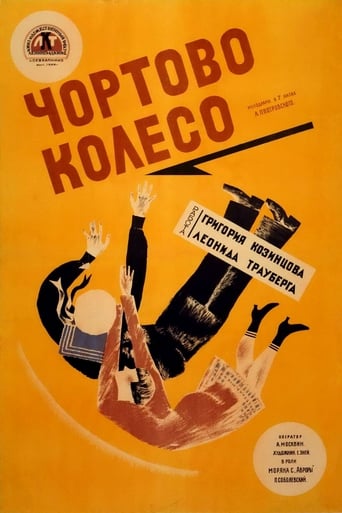 5.7
5.7Young Soviet navy sailor Vanya Shorin misses his ship after meeting a girl at a funfair. They ride a carnival attraction called The Devil's Wheel, which triggers a series of events pulling the sailor into a dangerous criminal underworld before he finds the courage to return to his comrades.
The Devil's Wheel
1926
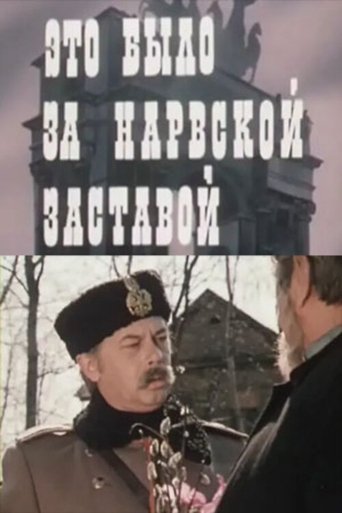 9.0
9.0In St. Petersburg, behind the Narva outpost, there is great excitement - the revolutionary Nechaev has appeared, who will incite the workers to fight. Neither the policeman, nor the policeman, nor the owner of the tavern - no one knows what he looks like. But everyone is determined to catch him.
It Was Behind the Narva Outpost
1981
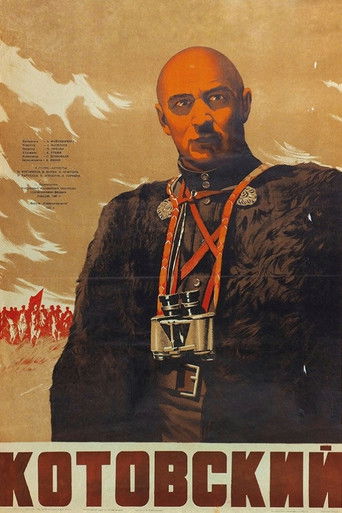 9.7
9.7Kotovsky, who went a long revolutionary way and became the recognized military commander of the cavalry troops: commander, brigade commander, commander. Six times he escaped from prison, was sentenced to death, and again escaped to become one of the most ardent warriors of the revolution. His famous equestrian brigade fought with the enemy near Kiev and the Belaya Tserkov, at Nikolaev and Odessa, and did not know defeat anywhere.
Kotovsky
1943
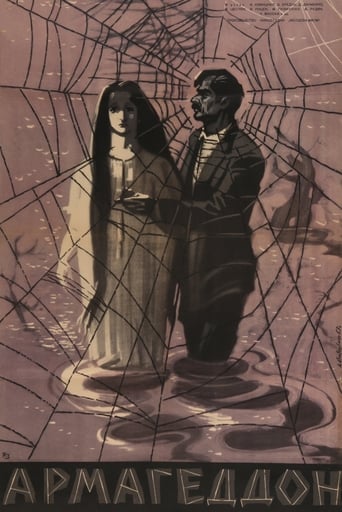 7.0
7.0A melodrama about the ill-fated love between two young people in a Moldovan village. He is a communist, and she is a Jehovah's Witness who believes that their relationship is a sin.
Armageddon
1963
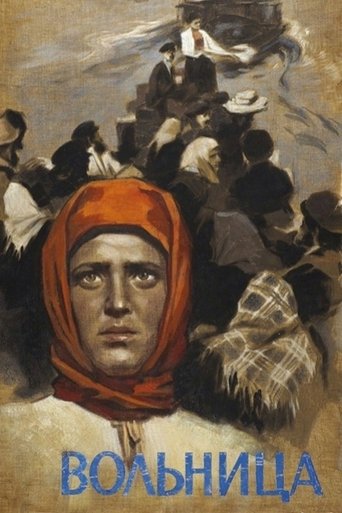 6.7
6.7Drama of the life of a peasant family, who came to work in the fisheries of Astrakhan. The film is set in the late XIX - early XX centuries.
Flames on the Volga
1956
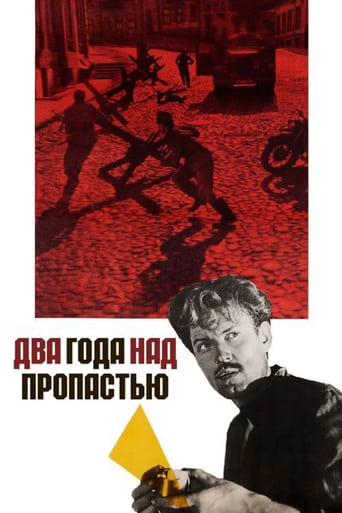 7.7
7.7A drama about an underground war in the occupied Kyiv during WWII.
Two Years above the Abyss
1967
 4.9
4.9The final part of trilogy about the life of a young factory worker, Maxim. Following the Russian Revolution, Maksim is appointed state commissar in charge of the national bank. With great efforts, he learns the complexies of the banking trade and begins to fight off sabotaging underlings. Dymba, now a violent enemy of the Republic, tries to rob a wine store but is arrested with Maksim's help. Maksim also exposes a conspiracy of a group of tsarist officers who prepare an attempt against Lenin. He then joins the Red Army in its fight against the German occupation.
The Vyborg Side
1939
4.9The final part of trilogy about the life of a young factory worker, Maxim. Following the Russian Revolution, Maksim is appointed state commissar in charge of the national bank. With great efforts, he learns the complexies of the banking trade and begins to fight off sabotaging underlings. Dymba, now a violent enemy of the Republic, tries to rob a wine store but is arrested with Maksim's help. Maksim also exposes a conspiracy of a group of tsarist officers who prepare an attempt against Lenin. He then joins the Red Army in its fight against the German occupation.
The Vyborg Side
1939
 7.0
7.0October 1917. Russian and German soldiers, exhausted by three years of war, began to fraternize. But officers' bullets shot the fraternizers. The survivors - Ilya, Matvey, nurse Olga and German soldier Jakob - swore in front of the fallen soldiers to reach St. Petersburg and achieve peace for all.
Soldiers Were Walking
1959
7.0October 1917. Russian and German soldiers, exhausted by three years of war, began to fraternize. But officers' bullets shot the fraternizers. The survivors - Ilya, Matvey, nurse Olga and German soldier Jakob - swore in front of the fallen soldiers to reach St. Petersburg and achieve peace for all.
Soldiers Were Walking
1959
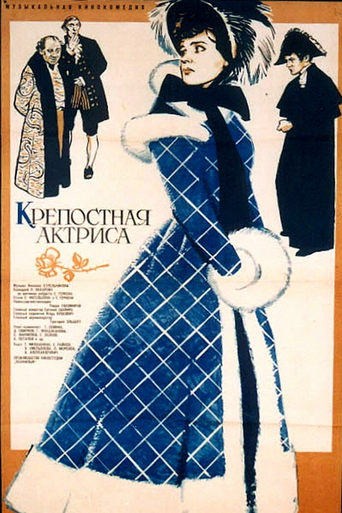 5.2
5.2Batmanova, once a serf, sets Paris aflame with her singing and now returns to the court of the Prince in 19th-century Russia. The Prince wants Batmanova for himself, but she loves a young nobleman who is technically still a serf because his papers have been lost.
The Serf Actress
1963
 6.2
6.2A 1945 Soviet war film which, along with the second part of Eisenstein's Ivan the Terrible was harshly criticized by Andrei Zhdanov and banned. A version of the film, released in 1956 during the Khrushchev Thaw, was disowned by director Grigori Kozintsev because the reediting was done without his participation.
Simple People
1945
6.2A 1945 Soviet war film which, along with the second part of Eisenstein's Ivan the Terrible was harshly criticized by Andrei Zhdanov and banned. A version of the film, released in 1956 during the Khrushchev Thaw, was disowned by director Grigori Kozintsev because the reediting was done without his participation.
Simple People
1945
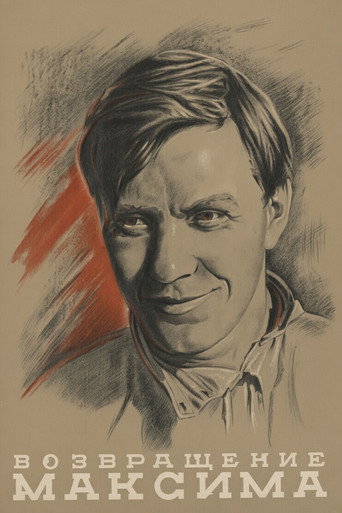 5.3
5.3The second part of trilogy about the life of a young factory worker, Maxim. In July 1914, the Bolsheviks and Mensehviks compete for representation of the working-class in the Duma. Maksim, who just returned from exile, calls the workers to strike as a protest against the firing of six of their colleagues. The traitor Platon Dymba assaults Maksim, wounding him severely. When the strike unfolds the workers demonstrate by the thousands, the news of the outbreak of World War I suddenly arrives. Maksim gets drafted.
The Return of Maxim
1937
5.3The second part of trilogy about the life of a young factory worker, Maxim. In July 1914, the Bolsheviks and Mensehviks compete for representation of the working-class in the Duma. Maksim, who just returned from exile, calls the workers to strike as a protest against the firing of six of their colleagues. The traitor Platon Dymba assaults Maksim, wounding him severely. When the strike unfolds the workers demonstrate by the thousands, the news of the outbreak of World War I suddenly arrives. Maksim gets drafted.
The Return of Maxim
1937
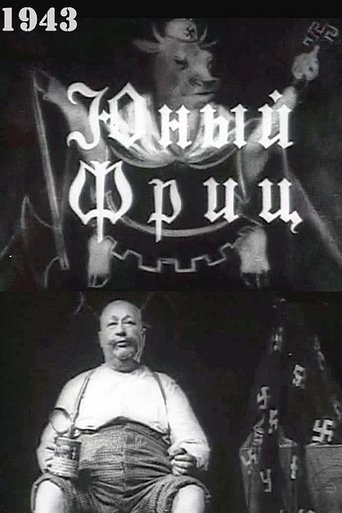 6.5
6.5War-time satire about the inhumanity of the nazis. Based on Samuil Marshak's play which was extremely popular among soldiers at the front.
Young Fritz
1943
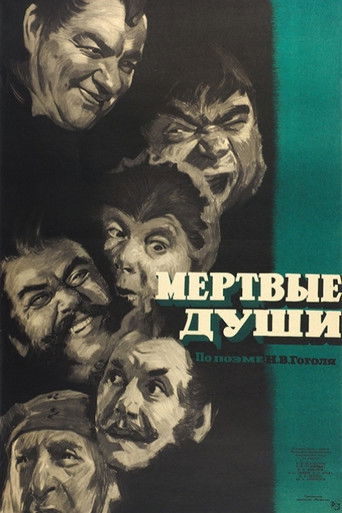 5.3
5.3No synopsis available yet.
Dead Souls
1960
5.3No synopsis available yet.
Dead Souls
1960
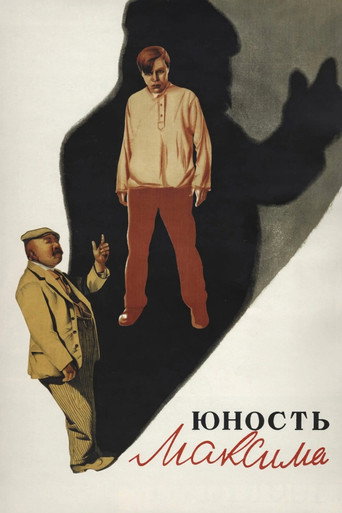 5.7
5.7A 1935 USA trade-paper reviewer called it... "an impressive and technically outstanding historical drama dealing with czarist terrorism and revolutionary boiling in the days of 1907. Picture is one of the Soviet prize winners and has particular merits in realistic performance, photography and movement, plus some musical touches in way of folk songs."
The Youth of Maxim
1935
5.7A 1935 USA trade-paper reviewer called it... "an impressive and technically outstanding historical drama dealing with czarist terrorism and revolutionary boiling in the days of 1907. Picture is one of the Soviet prize winners and has particular merits in realistic performance, photography and movement, plus some musical touches in way of folk songs."
The Youth of Maxim
1935
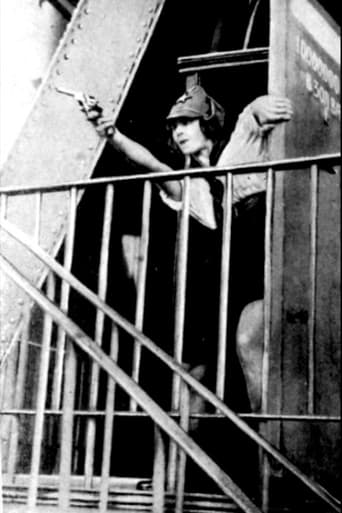 10.0
10.0Satire of the bourgeoisie and the West, anti-religious propaganda, agitation for a new lifestye, sees a young female revolutionary in a military helmet and miniskirt, ride a motorcycle through St. Petersburg
The Adventures of Oktyabrina
1924
10.0Satire of the bourgeoisie and the West, anti-religious propaganda, agitation for a new lifestye, sees a young female revolutionary in a military helmet and miniskirt, ride a motorcycle through St. Petersburg
The Adventures of Oktyabrina
1924
 6.0
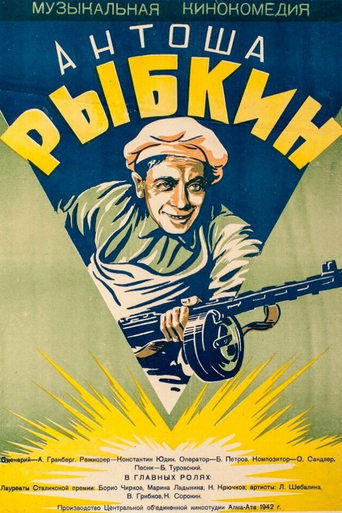
6.0Before the attack on the village, captured by the Nazis, the commander decides to carry out a distraction — a concert of the front-line brigade of artists. Chef Antosha Rybkin is assigned to play the role of... a German corporal. Dressed in an enemy uniform, he gets to the rear of the enemy and helps his liberate the village.
Antosha Rybkin
1941