
Directing
Robert Beavers
Born 1949-01-01 · Brookline, Massachusetts, USA
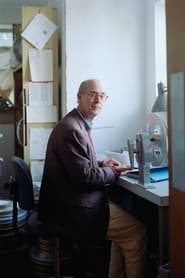
Robert Beavers (born 1949) is an American experimental filmmaker whose work stands among the most significant in postwar avant-garde cinema. He is best known for My Hand Outstretched to the Winged Distance and Sightless Measure, an 18-film cycle spanning decades of work, much of it later re-edited. Beavers developed a distinctive visual language using hand-cut mattes, filters, and precise sound–image structures, often focusing on craft and manual labor as metaphors for filmmaking itself. Born in Brookline, Massachusetts, he began making films in New York before moving to Europe in 1967 with his partner, Gregory J. Markopoulos. Together they withdrew their films from distribution, presenting them only at the Temenos screenings in Arcadia, Greece (1980–86). After Markopoulos’s death in 1992, Beavers founded Temenos, Inc. to preserve both of their legacies. His films draw deeply on place and history, from Florence in From the Notebook of… (1971/1998) and Venice in Ruskin (1975/1997) to the Greek landscapes of Wingseed (1985), The Hedge Theater (1986–90/2002), and The Ground (1993–2001). Later works include Pitcher of Colored Light (2007), The Suppliant (2012), Listening to the Space in My Room (2013), and The Sparrow Dream (2022). Beavers continues to live and work between Berlin and Massachusetts with filmmaker Ute Aurand, while overseeing the preservation of both his own films and Markopoulos’s Eniaios.
Acting credits
 7.0
7.0Jonas Mekas assembles 160 portraits, appearances, and fleeting sketches of underground and independent filmmakers captured between 1955 and 1996. Fast-paced and archival in spirit, the film celebrates the avant-garde as its own “nation of cinema,” a vital community existing outside the dominance of commercial film.
Birth of a Nation
1997
 6.3
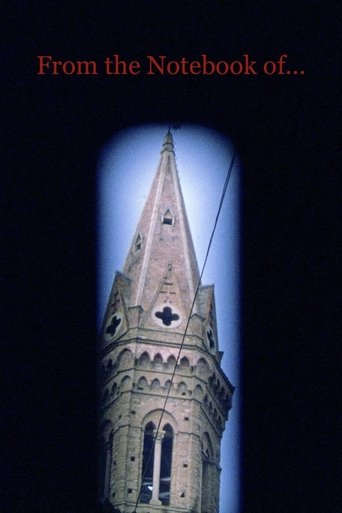
6.3Shot in Florence, the film draws on Leonardo da Vinci’s notebooks and Paul Valéry’s essay on da Vinci’s creative process to explore parallels between Renaissance space and the moving image. Beavers employs rapid pans and tilts along the city’s facades, interspersed with glimpses of his own face, linking camera movement to the filmmaker’s investigative gaze. The work marks a turning point in his practice, foregrounding presence and perception as central to his method. (Note: The film was re-edited and re-released in 1999.)
From the Notebook of...
1972
 NR
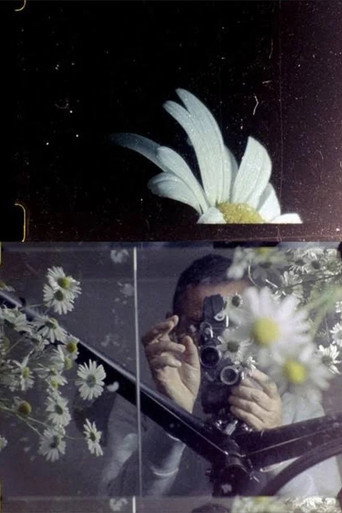
NRMy Hand Outstretched to the Winged Distance and Sightless Measure is a film cycle by American avant-garde filmmaker Robert Beavers. It consists of eighteen films in three parts. The films were made from the late 1960s through the early 2000s in different European countries, particularly Greece, Switzerland, and Italy. Most of the works in the cycle are radically re-edited, condensed versions of the original films. The cycle premiered in its entirety in 2005.
My Hand Outstretched to the Winged Distance and Sightless Measure
2005
 6.5
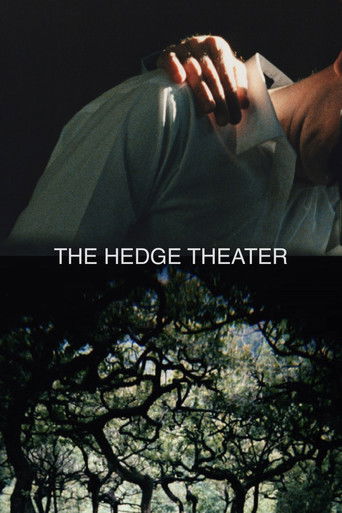
6.5Filmed in Rome in the 1980s, the work draws on Borromini’s Baroque architecture and Il Sassetta’s St. Martin and the Beggar. Beavers contrasts winter’s subdued light with the verdant growth of spring, constructing a precise montage in which image and sound form a poetic dialogue.
The Hedge Theater
2002
 4.0
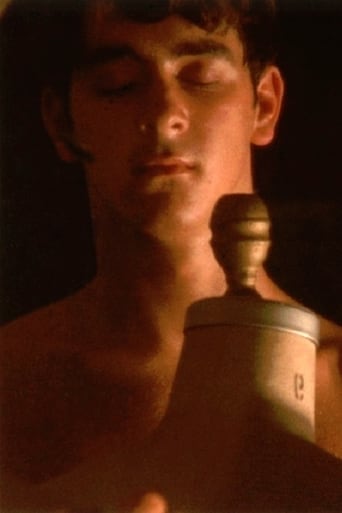
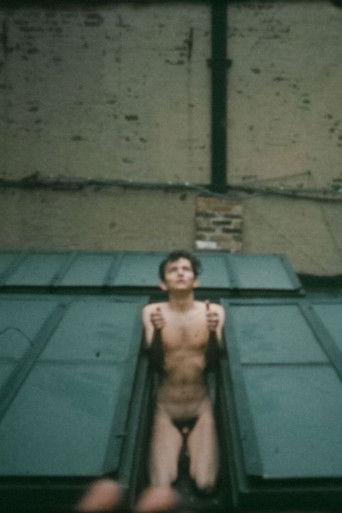
4.0Structured in nine tableaux each a study of a simple action or situation involving a lone, naked figure, the blind Eros, searching for fulfilment, for self. The objects he touches - books, paintings - can be seen as icons of the creative spirit; there is also a motor cycle and film equipment. In succeeding scenes he appears to try on identities offered by institutional doctrines of religion and social traditions of (overt) masculinity. Much of the film was constructed in-camera with a small amount of editing afterwards. An innovation was the use of in-camera fade-outs as phrase markers, not as terminal points, within a single set-up or shot.
Eros, O Basileus
1967
 8.5
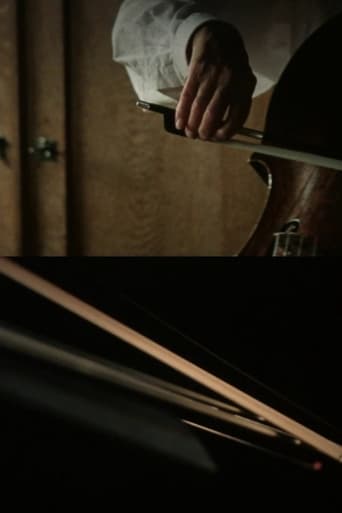
8.5A portrait of a recently vacated home, the film evokes both memory and the lingering presence of past inhabitants. Through precise, enigmatic sound–image construction, Beavers crafts an intimate meditation on art, existence, and the search for meaning.
Listening to the Space in My Room
2013
 NR
NRA romantic and lyric study of a young friend and readings he encouraged, especially Mallarmé.
The Mirror Garden
1967
 8.0
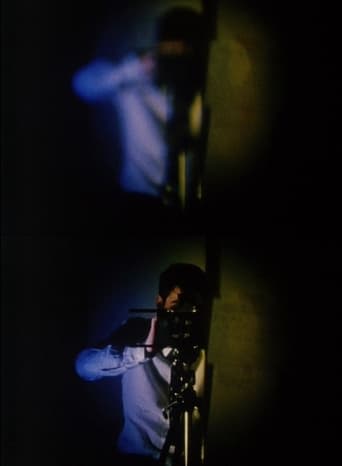
8.0Filmed when Beavers was 18–19, this self-portrait depicts him and Gregory J. Markopoulos in their Swiss apartment. A diary of domestic life, it transforms everyday objects and intimate details into a charged meditation on love, memory, and desire.
Early Monthly Segments
2003
 NR
NRAn early exploration of intimacy and perception, the film portrays the body’s beauty and sexuality as animated by the soul. Through dissolving and vanishing images, Beavers creates a sensuous interplay of touch, memory, and after-image, leaving an imprint on both eye and mind.
Winged Dialogue
1967
 6.8
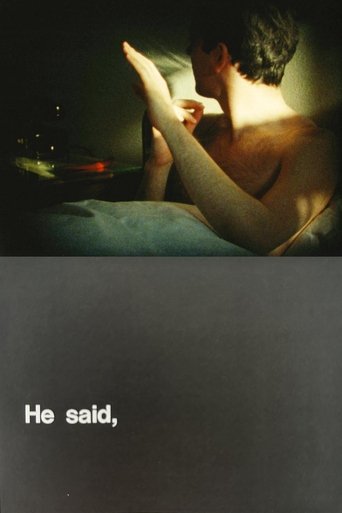
6.8Distilled in 1996 from an earlier 50-minute trilogy, this 26-minute film was shot in Greece and Austria and structured around two recurring intertitles, “He said” and “he said.” Each introduces delicate studies of light and place—hotel interiors, cafés, hillsides, storefronts, and street life—framed in parallel variations. The title invokes Apollo as savior and healer.
Sotiros
2000
 6.0
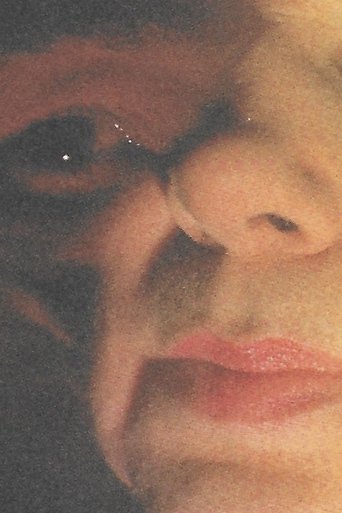
6.0Filmed in a Brussels hotel room, Beavers alternates between his work desk and lying nude on the bed, while rapid cuts and superimpositions conjure a rush of street scenes and fleeting encounters. The film abandons narrative for a psychic montage of memory, desire, and urban impression.
Plan of Brussels
1968
 NR
NRThe story of Jacob wrestling the angel at the stream called Jabbok.
Jabbok
1967
 6.5
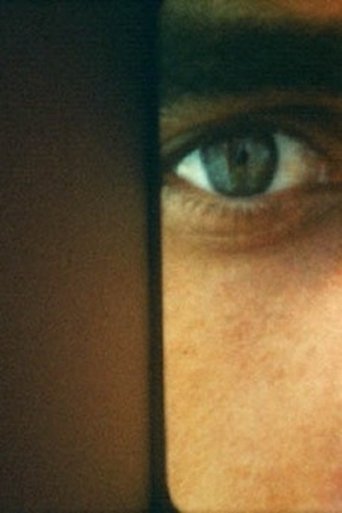
6.5Filmed on Hydra, the work studies a young man’s face across shifting light and landscape, framed through customized masks and filters. The constant visage, set against iconic surroundings, evokes a Renaissance portrait while reflecting on binaries of youth and age, creation and critique, image and text.
Still Light
1971
 NR
NRShort video by Tom Chomont, features Robert Beavers and his mother during the filming of Pitcher of Colored Light. Consists of sections titled Bathed in Light, Going For a Ride. Mother Garden, Robert's Mother's Flowers, Time Taken, and Brief Visit.
Mother's Day
2006
 NR
NRNo synopsis available yet.
Cape Cod
2018
Short film shot in Rapallo, 1987.
Due film-maker in giardino - Robert Beavers & Gregory J. Markopoulos
2010
 6.0
6.0Filmed in Switzerland and released as part of a triptych with A Walk, Zuoz features the filmmaker Robert Beavers skating on ice. Beavers represents another “new beginning” in Aurand’s practice. She recalls seeing his work in the late ‘90s and “enter[ing] a space beyond the images where one is entirely within oneself and simultaneously in the world … where one is simply present and receives the full gift of the film.”
Zuoz
2008
 NR
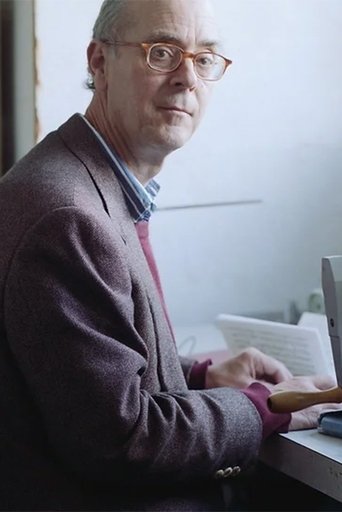
NRIn Spring 2013 I was artist in residence at Dartmouth College in New England. This was a vital time for me developing films and projects with artists Toshiya Tsunoda, Christian Wolff and Larry Polanski. I recently discovered a roll I shot during this time - whilst on a visit to the Cape with Robert. The occasion stuck in my memory because of a particularly infection I had caught which made me reticent to travel or do anything. I recall Robert encouraging me to come anyway and to use my Bolex as a way of counter-acting the virus and my general state of malaise.
A Visit With Robert
2024
 NR
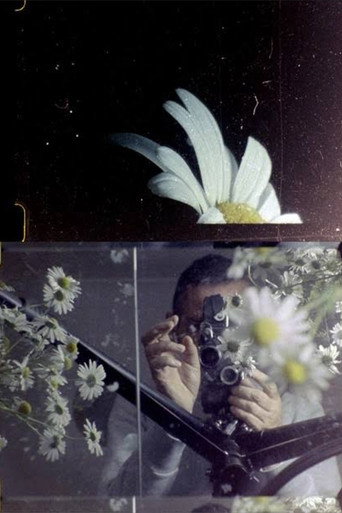
NRMy Hand Outstretched to the Winged Distance and Sightless Measure is a film cycle by American avant-garde filmmaker Robert Beavers. It consists of eighteen films in three parts.
My Hand Outstretched to the Winged Distance and Sightless Measure
—
Behind the camera
 6.2
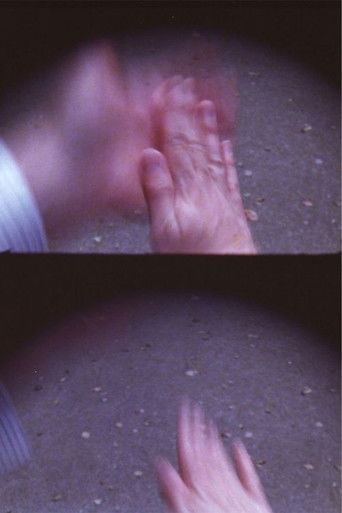
6.2Shot in Rome and Salzburg’s natural theatre, the film uses cutting and sewing as metaphors for love, separation, and the craft of montage. Cloth being trimmed, hands clapping, and tools striking accompany images of tailoring, architectural restoration, and Beavers himself in a new suit, linking gesture and sound to the editing process.
Amor
1980
6.3Shot in Florence, the film draws on Leonardo da Vinci’s notebooks and Paul Valéry’s essay on da Vinci’s creative process to explore parallels between Renaissance space and the moving image. Beavers employs rapid pans and tilts along the city’s facades, interspersed with glimpses of his own face, linking camera movement to the filmmaker’s investigative gaze. The work marks a turning point in his practice, foregrounding presence and perception as central to his method. (Note: The film was re-edited and re-released in 1999.)
From the Notebook of...
1972
NRMy Hand Outstretched to the Winged Distance and Sightless Measure is a film cycle by American avant-garde filmmaker Robert Beavers. It consists of eighteen films in three parts. The films were made from the late 1960s through the early 2000s in different European countries, particularly Greece, Switzerland, and Italy. Most of the works in the cycle are radically re-edited, condensed versions of the original films. The cycle premiered in its entirety in 2005.
My Hand Outstretched to the Winged Distance and Sightless Measure
2005
 10.0
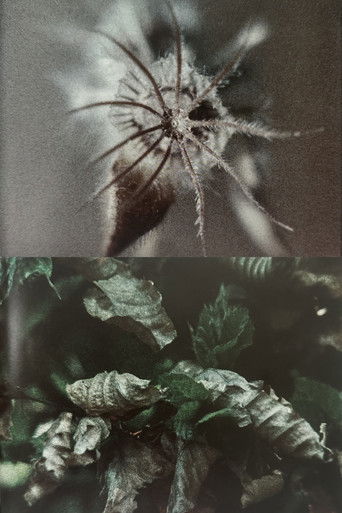
10.0A meditation on landscape and desire, the film juxtaposes arid terrain, wild grasses, and herds of goats with the naked figure of a torso in shifting light. Shepherd’s calls, flute phrases, and the rhythm of bells echo Beavers’ quick, side-to-side camera movements, building to a vibrant visual and sonic ostinato.
Wingseed
1985
6.5Filmed in Rome in the 1980s, the work draws on Borromini’s Baroque architecture and Il Sassetta’s St. Martin and the Beggar. Beavers contrasts winter’s subdued light with the verdant growth of spring, constructing a precise montage in which image and sound form a poetic dialogue.
The Hedge Theater
2002
 NR
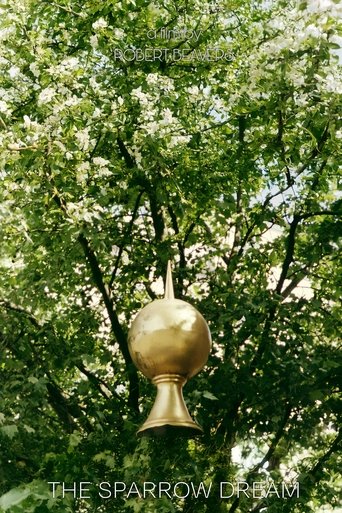
NRBeavers revisits locations in Berlin first filmed in Diminished Frame (1970), alongside sites in Massachusetts, to reflect on how lived places shape vision and memory. Moving between past and present, the film becomes a meditation on perception, time, and the persistence of personal landscapes.
The Sparrow Dream
2022
8.5A portrait of a recently vacated home, the film evokes both memory and the lingering presence of past inhabitants. Through precise, enigmatic sound–image construction, Beavers crafts an intimate meditation on art, existence, and the search for meaning.
Listening to the Space in My Room
2013
8.0Filmed when Beavers was 18–19, this self-portrait depicts him and Gregory J. Markopoulos in their Swiss apartment. A diary of domestic life, it transforms everyday objects and intimate details into a charged meditation on love, memory, and desire.
Early Monthly Segments
2003
NRAn early exploration of intimacy and perception, the film portrays the body’s beauty and sexuality as animated by the soul. Through dissolving and vanishing images, Beavers creates a sensuous interplay of touch, memory, and after-image, leaving an imprint on both eye and mind.
Winged Dialogue
1967
 6.2
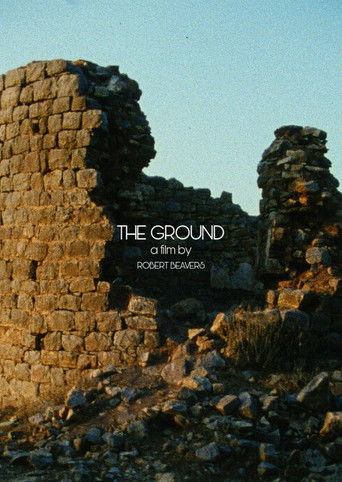
6.2Interweaving stonework and filmmaking, Beavers evokes memory through hammer strokes and chisel sounds that shape both image and rhythm. In this dialogue of repetition and variation, the film carves out a space where emptiness itself gains form, allowing vision beyond sight.
The Ground
2001
6.8Distilled in 1996 from an earlier 50-minute trilogy, this 26-minute film was shot in Greece and Austria and structured around two recurring intertitles, “He said” and “he said.” Each introduces delicate studies of light and place—hotel interiors, cafés, hillsides, storefronts, and street life—framed in parallel variations. The title invokes Apollo as savior and healer.
Sotiros
2000
 8.0
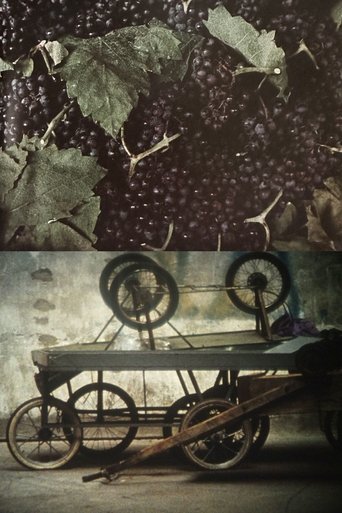
8.0Named for the colonnades of the ancient Lyceum, the film juxtaposes industrial arcades in golden morning light with lush images of streams and wooded glens. Empty of human figures yet rich in presence, Beavers composes landscapes that evoke both 19th-century painting and a quiet sense of spiritual immanence.
The Stoas
1997
6.0Filmed in a Brussels hotel room, Beavers alternates between his work desk and lying nude on the bed, while rapid cuts and superimpositions conjure a rush of street scenes and fleeting encounters. The film abandons narrative for a psychic montage of memory, desire, and urban impression.
Plan of Brussels
1968
 NR
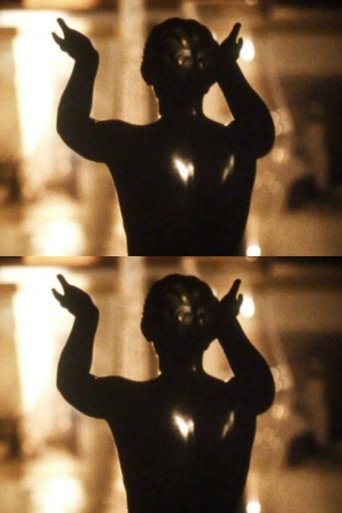
NRFilmed in 2003 while staying in a Brooklyn Heights apartment, the work centers on a small Greek statue revealed in shifting morning and afternoon light. Beavers weaves these images with views of the East River and Manhattan Bridge, later completing the film in 2010 as a meditative elegy for his friend Jacques Dehornois.
The Suppliant
2010
 NR
NR“Last August, several filmmakers joined me to repair the splices in Markopoulos’s Eniaios. I interrupted our work for a moment; the generosity of James, Silvia, Nina, Alexandre and Julia prompted me to film them. Then I filmed James Edmonds a second time with the avocado plant that he had grown while we were working together.” (RB)
Shared Table
2016
 7.0
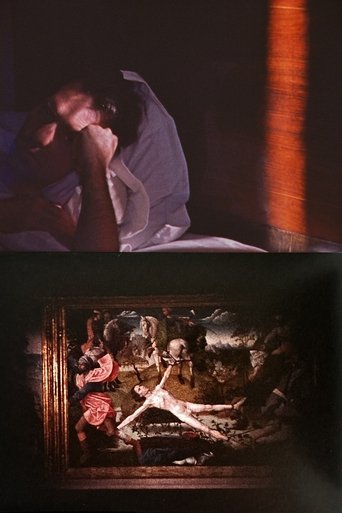
7.0Beavers intercuts scenes of traffic in Bern with details from the 15th-century altarpiece The Martyrdom of St. Hippolytus. In its revised form, the film gains a psychodramatic intensity, juxtaposing Markopoulos in shafts of light with a torn self-portrait and recurring shots of a shattered windowpane.
The Painting
1972
 8.5
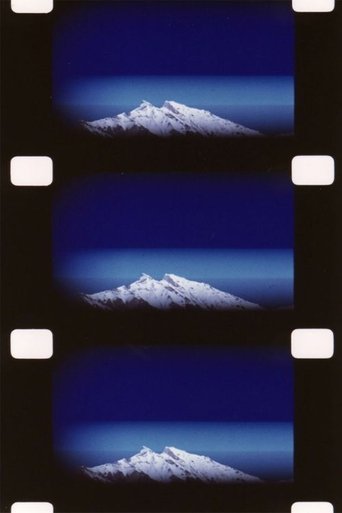
8.5Shot in Florence and the Alps, the film contemplates traditional European labor—ice vaults, bookbinding, cooking—while largely omitting human protagonists. Through textural equivalences between workshop and field, book and forest, stone and mountain, Beavers reflects on the resonance of craft and place.
Work Done
1973
“Call them spontaneous or occasional films. I did not know if I would show this publicly when I filmed. The gift was Luke Fowler suggesting that I film his and Corin’s first child, Liath, while I visited them in Glasgow. The images are left in the order of filming, and the editing is only a few excisions.” (RB)
First Weeks
2014
6.5Filmed on Hydra, the work studies a young man’s face across shifting light and landscape, framed through customized masks and filters. The constant visage, set against iconic surroundings, evokes a Renaissance portrait while reflecting on binaries of youth and age, creation and critique, image and text.
Still Light
1971
 7.0
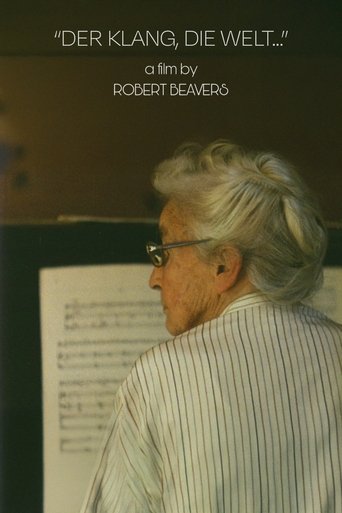
7.0Conceived as a gift for Cécile Staehelin after the death of her husband Dieter, the film reflects on music as both memory and philosophy. Dieter speaks about sound as harmony, proportion, and inner life, while he and Cécile are seen performing Bohuslav Martinů’s Arabesque. Beavers punctuates their playing with luminous passages of white light, shaping an intimate portrait of friendship, loss, and the transcendent reach of music.
“Der Klang, die Welt…”
2018
 6.2
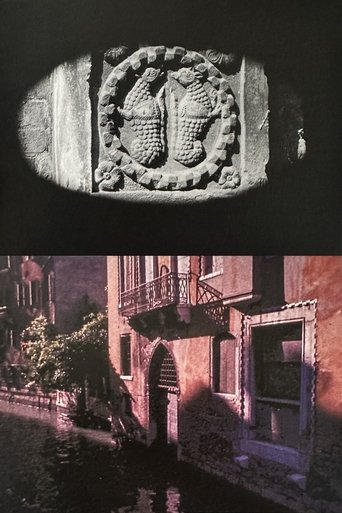
6.2Beavers traces John Ruskin’s legacy from London to the Alps and especially Venice, where the camera lingers on stone and water in dialogue with Ruskin’s writings. Turning pages and images of Unto This Last evoke the critic’s enduring perceptions and political vision, preserved through acts of reading.
Ruskin
1974
 NR
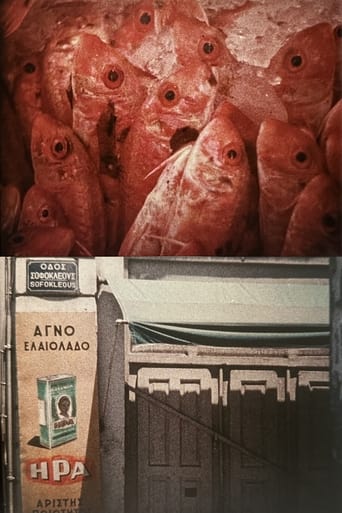
NR“The details of the young actor’s face – his eyes, eyebrows, earlobe, chin, etc. – are set opposite the old buildings in the market quarter of Athens, where every street is named after a classic ancient Greek playwrite. In this setting of intense stillness, sometimes interrupted by sudden sounds and movements in the streets, he speaks a single word, “teleftea”, meaning the last (one), and as he repeats this word, it moves differently each time across his face and gains another sense from one scene to the next, suggesting the uncanny proximity of eroticism, the sacred and chance.” (Robert Beavers)
Efpsychi
1983
 NR
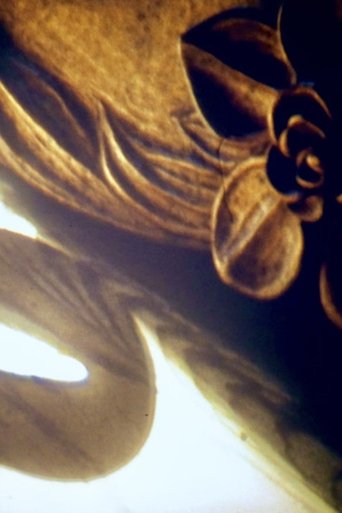
NR“I walked into Bernice Hodges’s garden when I was seven years old and asked her to read to me. She was in her mid-seventies. Out of this came an important friendship. In 1966, I tried to film her—it was perhaps the second time that I had put a roll of film in the Bolex camera, and I was very nervous; part of the time I inadvertently left the lens cap on while filming. I was so disappointed that I threw the footage away except for two short film strips. Decades later, during the making of The Sparrow Dream, I re-filmed these two film strips on my editing table and objects associated with her, such as a wooden tray that she had carved. She was the first person to explain to me what an artist might be and in teaching me how to carve wood, I learned how to go with the grain or against it”
Dedication: Bernice Hodges
2024
 NR
NRPortrait studies of Mrs. Hodges, Gail Beavers (the filmmaker’s sister) and Gregory J. Markopoulos.
Spiracle
1967