
Acting
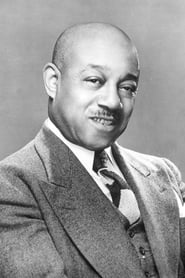
Eubie Blake
Born — Died
1887-02-07 — 1983-02-12
Place of birth
Baltimore, Maryland, USA
Known for
Acting
Credits
11 titles
Eubie Blake was born James Hubert Blake in Baltimore, Maryland, on February 7. He died later on February 12, 1983, having become one of the most important figures in early 20th-century African American music and a major contributor to ragtime and early jazz music and culture. Blake began his musical journey at age four playing a pump organ. At fifteen, he became a professional musician playing ragtime songs in a brothel. In 1905, he moved to New York City, where he asked Will Cook to assist him in promoting his first song, “Sounds of Africa.” When a buyer offered $100, Blake was elevated to the status of a professional songwriter. Although negotiations between Blake and the buyer ended …
Known for
 7.6
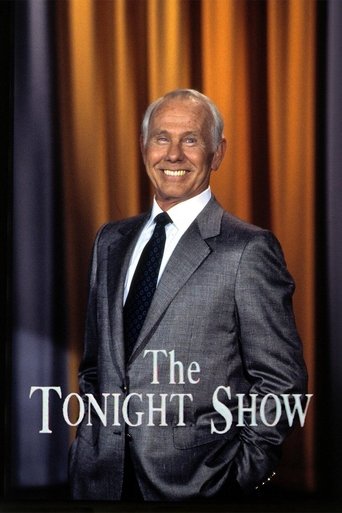
7.6The Tonight Show Starring Johnny Carson is a talk show hosted by Johnny Carson under The Tonight Show franchise from 1962 to 1992. It originally aired during late-night. For its first ten years, Carson's Tonight Show was based in New York City with occasional trips to Burbank, California; in May 1972, the show moved permanently to Burbank, California. In 2002, The Tonight Show Starring Johnny Carson was ranked #12 on TV Guide's 50 Greatest TV Shows of All Time.
The Tonight Show Starring Johnny Carson
1962
 5.8
5.8The Mike Douglas Show is an American daytime television talk show hosted by Mike Douglas that originally aired only in the Cleveland area during much of its first two years on the air. It then went into syndication in 1963 and remained on television until 1982. It was distributed by Westinghouse Broadcasting and for much of its run, originated from studios of two of the company's TV stations in Cleveland and Philadelphia.
The Mike Douglas Show
1961
 6.9
6.9A late-night live television sketch comedy and variety show created by Lorne Michaels. The show's comedy sketches, which parody contemporary culture and politics, are performed by a large and varying cast of repertory and newer cast members. Each episode is hosted by a celebrity guest, who usually delivers an opening monologue and performs in sketches with the cast, and features performances by a musical guest.
Saturday Night Live
1975
 8.0
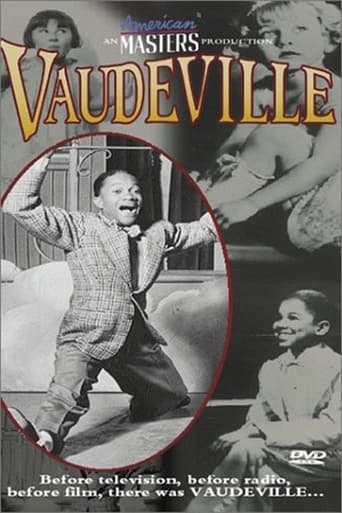
8.0Vaudeville is a 1997 PBS documentary under its American Masters program. Using film clips and photos, the art and history of vaudeville (1890-1930s) is illustrated.
Vaudeville
1997
 NR
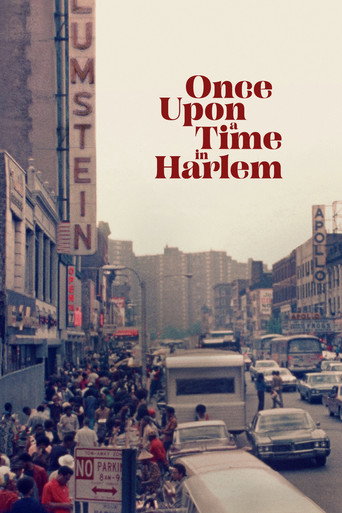
NRA decade after his death, genre-defying filmmaker William Greaves has one last trick up his sleeve with what he considered the most important event he captured on film: a 1972 party he engineered with the living luminaries of the Harlem Renaissance.
Once Upon a Time in Harlem
2026
 4.5
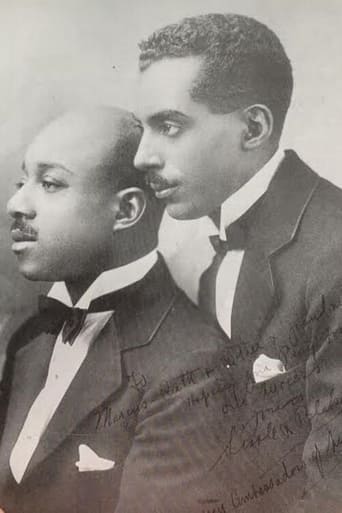
4.5Noble Sissle and Eubie Blake sing snappy songs.
Noble Sissle and Eubie Blake Sing Snappy Songs
1923
Film credits
1970s · 1 titles
1930s · 2 titles
 7.5
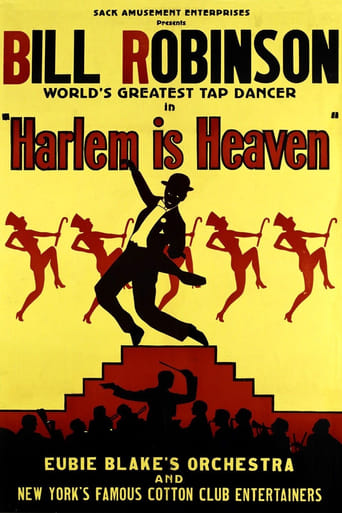
7.5Bill "Bojangles" Robinson made his movie acting debut in this 1932 film, featuring Putney Dandridge, James Baskett (Oscar winner for "Song of the South"), Cotton Club dancer Anita Boyer, Henri Wassell, Alma Smith, Bob Sawyer, and composer/bandleader Eubie Blake and his orchestra.
Harlem Is Heaven
1932
Short featuring musician Eubie Blake and his orchestra, singer Nina Mae McKinney, and young tap dancers Fayard and Harold Nicholas.
Pie, Pie Blackbird
1932
1920s · 2 titles
4.5Noble Sissle and Eubie Blake sing snappy songs.
Noble Sissle and Eubie Blake Sing Snappy Songs
1923
 9.0
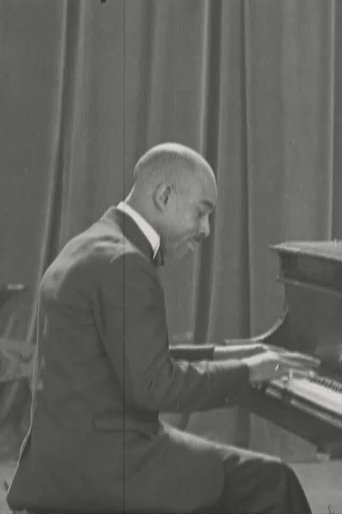
9.0Blake plays his "Fantasy on Swanee River" (two takes of same piece, in different styles). The highest notes failed to record in this seminal experiment with synchronized sound.
Eubie Blake Plays His Fantasy on Swanee River
1923
Series credits
7.6The Tonight Show Starring Johnny Carson is a talk show hosted by Johnny Carson under The Tonight Show franchise from 1962 to 1992. It originally aired during late-night. For its first ten years, Carson's Tonight Show was based in New York City with occasional trips to Burbank, California; in May 1972, the show moved permanently to Burbank, California. In 2002, The Tonight Show Starring Johnny Carson was ranked #12 on TV Guide's 50 Greatest TV Shows of All Time.
The Tonight Show Starring Johnny Carson
1962
5.8The Mike Douglas Show is an American daytime television talk show hosted by Mike Douglas that originally aired only in the Cleveland area during much of its first two years on the air. It then went into syndication in 1963 and remained on television until 1982. It was distributed by Westinghouse Broadcasting and for much of its run, originated from studios of two of the company's TV stations in Cleveland and Philadelphia.
The Mike Douglas Show
1961
6.9A late-night live television sketch comedy and variety show created by Lorne Michaels. The show's comedy sketches, which parody contemporary culture and politics, are performed by a large and varying cast of repertory and newer cast members. Each episode is hosted by a celebrity guest, who usually delivers an opening monologue and performs in sketches with the cast, and features performances by a musical guest.
Saturday Night Live
1975