

Directing
Jan Łomnicki
Born — Died
1929-06-30 — 2002-12-18
Place of birth
Podhajce k. Lwowa, Polska [obecnie Ukraina]
Known for
Directing
Credits
35 titles
Jan Łomnicki (30 June 1929 – 18 December 2002) was a Polish film director and screenwriter. A graduate of the National Film School in Łódź. He directed more than thirty films between 1954 and 2000. His 1976 film To Save the City (Polish: Ocalić miasto) was awarded at the Polish Film Festival (1976) and was entered into the 10th Moscow International Film Festival (1977).
Known for
 7.3
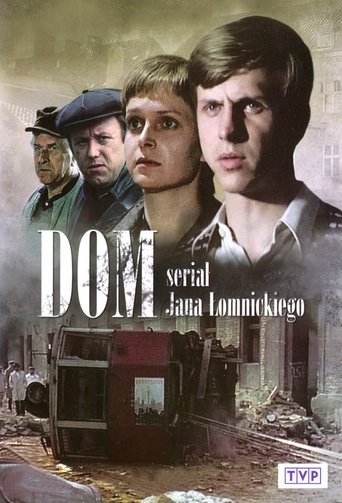
7.3The story of the residents of a tenement house on Złota Street in Warsaw from 1945 to 1980.
Dom
1980
 NR
NRNo synopsis available yet.
Jan Englert. Spróbuję jeszcze raz pofrunąć
2025
 9.0
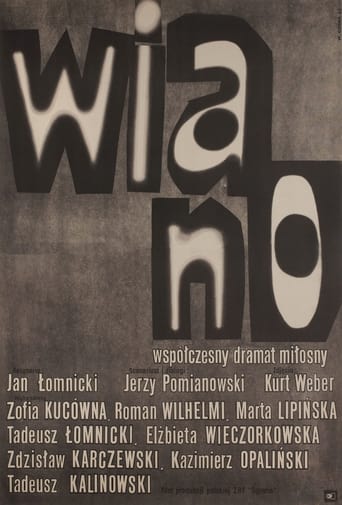
9.0A peasant girl is abandoned by her fiancé after she has talked her father into giving her his land as a dowry.
Wiano
1964
 5.6
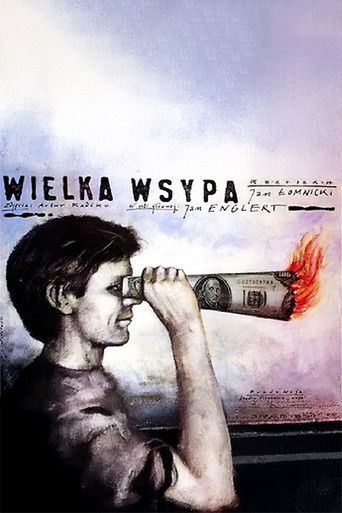
5.6A well-known wheeler dealer joins the underground opposition to avoid responsibility after stealing valuable coins. When he is released from prison, he sets up a private bank with high interest rates together with a Security Service colonel. However, the colonel has bigger ambitions.
The Great Give-Away
1993
 4.7
4.7First short film by Wajda, based on the story "A Naughty Boy" by A. Chekhov.
The Bad Boy
1951
 9.0
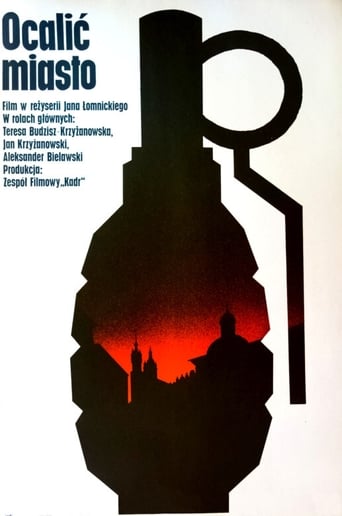
9.01945. Soviet offensive is approaching Cracow. Local resistance cooperate despite political differences to save the city from destruction planned by Germans.
To Save the City
1976
Film credits
1990s · 2 titles
5.6A well-known wheeler dealer joins the underground opposition to avoid responsibility after stealing valuable coins. When he is released from prison, he sets up a private bank with high interest rates together with a Security Service colonel. However, the colonel has bigger ambitions.
The Great Give-Away
1993
 7.0
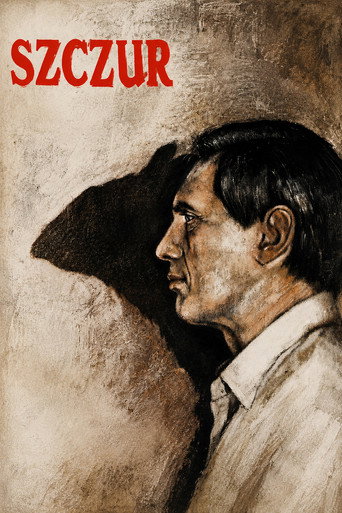
7.0Polish businessman Jarek Branicki organizes a beauty pageant. As the man in charge, he expects his girlfriend to win it and suggests this outcome to the judges. At the same time, however, he is on the verge of bankruptcy and tries to escape the country after being cornered by his creditors. Recognized by a passenger on the train, he flees and finds refuge in the underground passages of Warsaw’s central railway station.
Rat
1994
Series credits
Behind the camera
9.0A peasant girl is abandoned by her fiancé after she has talked her father into giving her his land as a dowry.
Wiano
1964
5.6A well-known wheeler dealer joins the underground opposition to avoid responsibility after stealing valuable coins. When he is released from prison, he sets up a private bank with high interest rates together with a Security Service colonel. However, the colonel has bigger ambitions.
The Great Give-Away
1993
9.01945. Soviet offensive is approaching Cracow. Local resistance cooperate despite political differences to save the city from destruction planned by Germans.
To Save the City
1976
9.01945. Soviet offensive is approaching Cracow. Local resistance cooperate despite political differences to save the city from destruction planned by Germans.
To Save the City
1976
 10.0
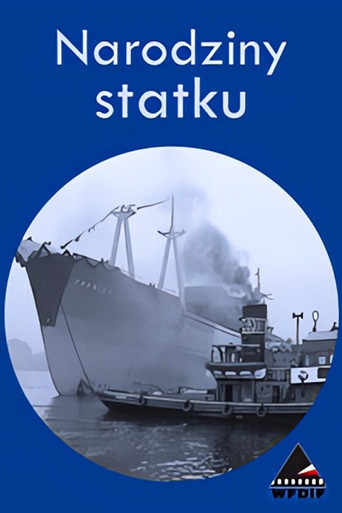
10.0This documentary shows the birth of a 10,000-ton ship called "Phenian" (the deadweight tonnage of this cargo ship is 10,000 tons). The film is devoid of commentary, which emphasizes the importance of the forms and the almost mystical nature of the "birth" of the ship.
Birth of a Ship
1961
10.0This documentary shows the birth of a 10,000-ton ship called "Phenian" (the deadweight tonnage of this cargo ship is 10,000 tons). The film is devoid of commentary, which emphasizes the importance of the forms and the almost mystical nature of the "birth" of the ship.
Birth of a Ship
1961
 8.0
8.0A cinematic ode to actor Adolf Dymsza, one of the biggest stars of pre-war Polish cinema. The film combines footage from Dymsza's new movies and contextualises in the frame story of Mr. Dodek, a retired actor who recounts his past exploits while trying to earn an allotment for a plot of land.
Pan Dodek
1971
A documentary devoted to the paintings of Nikifor Krynicki, who was a representative of primitivism.
Master Nikifor
1956
 6.8
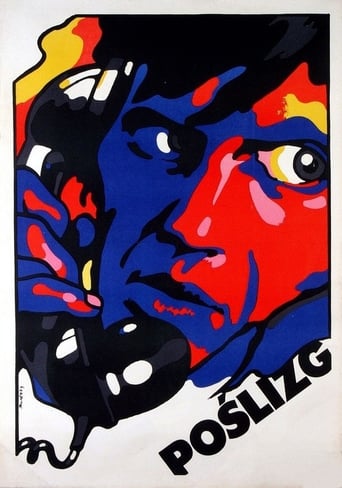
6.8A young man strikes up an ill-fated romance with a married woman.
A Slip-Up
1972
 7.2
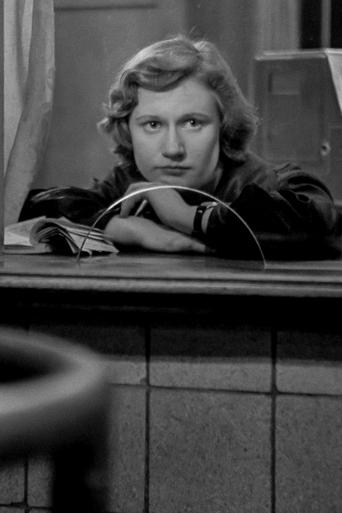
7.2Warsaw Central Station, 1958. A place of greetings and farewells, an intersection of people from different parts of Poland and Europe. A girl waits in vain, she goes away. Soon the station would belong to the past too.
Warsaw Main Station
1958
7.2Warsaw Central Station, 1958. A place of greetings and farewells, an intersection of people from different parts of Poland and Europe. A girl waits in vain, she goes away. Soon the station would belong to the past too.
Warsaw Main Station
1958
 10.0
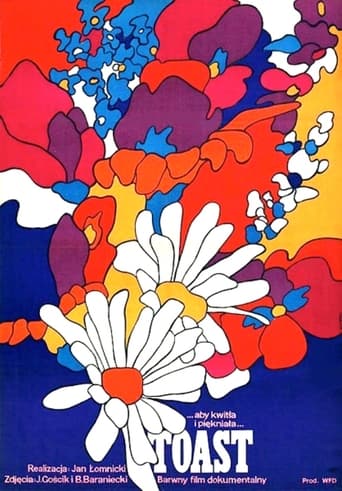
10.0In 1969, on the occasion of the 25th anniversary of the Polish People's Republic, documentary filmmakers analyze the achievements of the past 25 years. Contemporary, color photos contrast with black and white, archival photos. Workers of different generations are the hosts of the country.
Toast
1969
The film shows the miners' dedicated work on the construction of a tunnel connecting two mines—lead and zinc.
Szarlejka
1955
 9.0
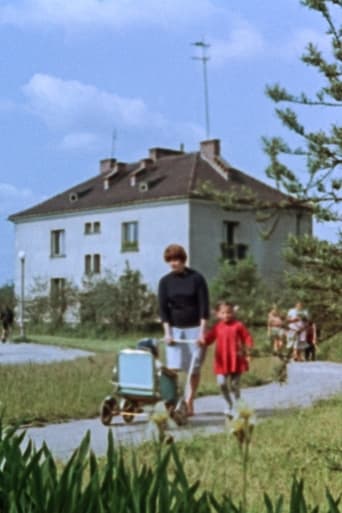
9.0On the 10th anniversary of Nowa Huta, documentary filmmakers go back to the beginnings of the town's construction and the conglomerate, using archival footage from the Polish Film Chronicle. The city is born to the rhythm of seven days of creation, and the jubilee is celebrated by children - its peers and former builders.
The Birth of a City
1959
 6.8
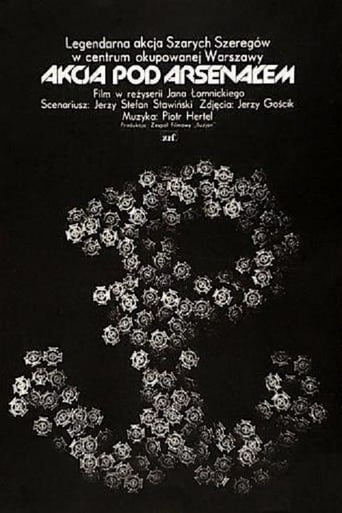
6.8In Nazi-occupied Warsaw, teenage scouts Alek, Rudy, and Zośka risk their lives pulling down a swastika and hoisting the Polish flag atop the German “Zachęta” cultural center and then blowing up a mobile propaganda cinema.
Operation Arsenal
1977
 6.4
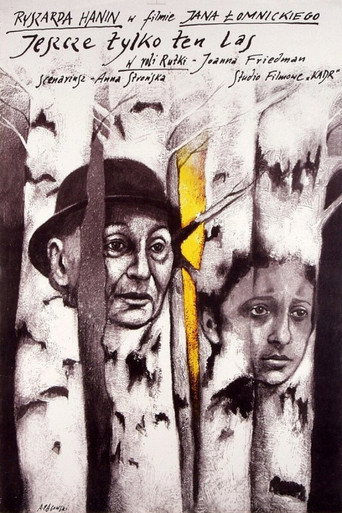
6.4The laundress working at the doctor's house agrees to take her daughter out of the ghetto for a fee and get her settled with her family in the countryside. The old woman's attitude to the Jews is ambivalent but the action is unambiguous.
Just Beyond This Forest
1992
 10.0
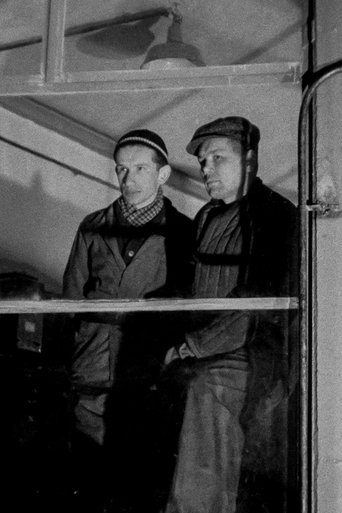
10.0In February 1956, after several months of construction, the largest rolling mill in Poland, the rolling mill of the Lenin Smelter, started to operate. The viewers could see the final preparations and the launch of the machine.
Rolling Mill
1956
7.0Polish businessman Jarek Branicki organizes a beauty pageant. As the man in charge, he expects his girlfriend to win it and suggests this outcome to the judges. At the same time, however, he is on the verge of bankruptcy and tries to escape the country after being cornered by his creditors. Recognized by a passenger on the train, he flees and finds refuge in the underground passages of Warsaw’s central railway station.
Rat
1994
7.0Polish businessman Jarek Branicki organizes a beauty pageant. As the man in charge, he expects his girlfriend to win it and suggests this outcome to the judges. At the same time, however, he is on the verge of bankruptcy and tries to escape the country after being cornered by his creditors. Recognized by a passenger on the train, he flees and finds refuge in the underground passages of Warsaw’s central railway station.
Rat
1994
A film encouraging farmers to grow corn.
Kukurydza
1955
A montage film produced on the occasion of the 4th Congress of the Polish United Workers' Party, depicting the achievements of the Polish People's Republic.
Rzecz niepospolita
1964
 10.0
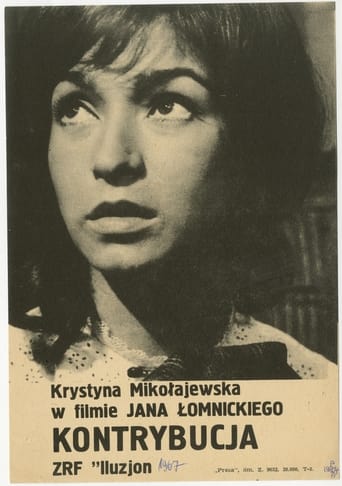
10.0A bank robbery conducted by Polish Underground members goes awry and the brother-in-law of the group's leader, Paweł gets arrested. Now Paweł must choose between helping his loved ones and staying loyal to the underground.
The Contribution
1967
 8.0
8.0After the Second World War, a cemetery turns into a city. The camera flies over Warsaw to take a bird's-eye view of its mosaic beauty: the Old Town, Śródmieście, and modern blocks of flats. The soundtrack reflects the mood of the summer of 1965.
Ab urbe condita
1965
18 years old boy struggles to make decisions about his future.
Cyrograf dojrzałości
1970
 8.0
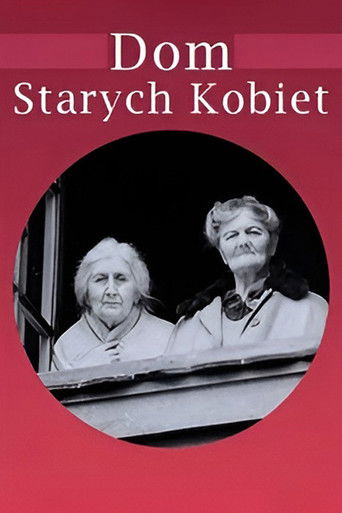
8.0A documentary portrait of elderly women living in a Kraków nursing home, observing daily rituals, illness, and waiting, shaped by recurring symbolic images of time and decline.
Old Women's House
1957
8.0A documentary portrait of elderly women living in a Kraków nursing home, observing daily rituals, illness, and waiting, shaped by recurring symbolic images of time and decline.
Old Women's House
1957
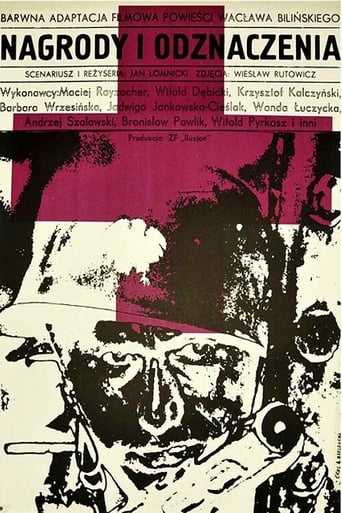 9.0
9.0A wartime drama set in a 1944 military hospital where wounded officers and staff from opposing political camps confront ideological conflict and moral uncertainty.
Awards and Decorations
1974
9.0A wartime drama set in a 1944 military hospital where wounded officers and staff from opposing political camps confront ideological conflict and moral uncertainty.
Awards and Decorations
1974
Docuemantary about a small town preparing for a bicycle race.
Jubileuszowy
1968
 10.0
10.0The film encourages people to settle in the so-called Regained Territories. Not only cities and towns but also villages that offer brick buildings and fertile soil. The region of Zielona Góra, Szczecin, Wrocław, Olsztyn – people are wanted there.
The Land Is Waiting
1954