
Camera
John Spotton
Born — Died
1927-08-08 — 1991-03-03
Place of birth
Toronto, Ontario, Canada
Known for
Camera
Credits
8 titles
John Spotton was a Canadian filmmaker, cinematographer, and editor associated with the National Film Board of Canada (NFB). He played a pivotal role in developing the Direct Cinema movement, contributing to documentaries that emphasized naturalistic and unobtrusive filming techniques. Spotton's notable works include Buster Keaton Rides Again (1965), a documentary capturing the making of Keaton's short film The Railrodder, and Memorandum (1965), which explores the Holocaust's impact on survivors. His contributions significantly influenced documentary filmmaking in Canada and beyond.
Known for
 7.2
In the fall of 1964, just over a year before his death, Buster Keaton traveled to Canada to make The Railrodder, a short subject that now enjoys a small cult following. Documenting this mobile production in fascinating and unexpected detail, Buster Keaton Rides Again offers a rare glimpse of the comedy legend’s temperament, philosophies, hobbies, marriage (his third), and the occasionally combative creative process behind the scenes. An intimate look at one of cinema’s most enduring legends.
Buster Keaton Rides Again
1965
 7.0
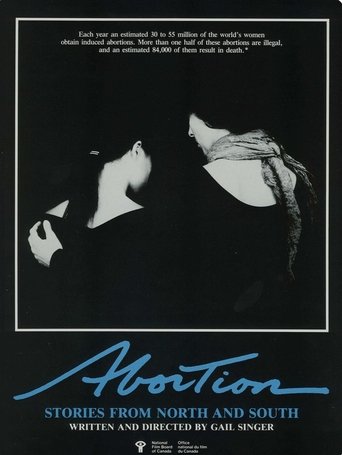
Women have always sought ways to terminate unwanted pregnancies, despite powerful patriarchal structures and systems working against them. This film provides a historical overview of how church, state and the medical establishment have determined policies concerning abortion. From this cross-cultural survey--filmed in Ireland, Japan, Thailand, Peru, Colombia, and Canada--emerges one reality: only a small percentage of the world's women has access to safe, legal operations.
Abortion: Stories from North and South
1984
 9.0
This feature documentary is a profile of Canadian press tycoon Roy Thomson, whose single-minded attention to business brought him riches, power, and even a baronetcy in England. A native of Timmins, Ontario, Thomson had a tremendous career as publisher, television magnate, financier, and owner of many newspapers, including leading London dailies. The film is a frank study of an equally frank man.
Never a Backward Step
1966
 NR
This finely crafted drama, set in Ontario's cottage country, revolves around two teenaged boys from the city who pick up two local girls on a Saturday night and take them for a ride. Based on an Alice Munro short story, Thanks for the Ride is about values and morals, expectations and broken dreams, class differences and peer pressure. It is also about the overwhelming intensity of adolescent emotions and that momentous event--the first sexual encounter. An excellent film for use in family life, values education, Canadian literature, and creative writing courses.
Thanks for the Ride
1983
 7.3
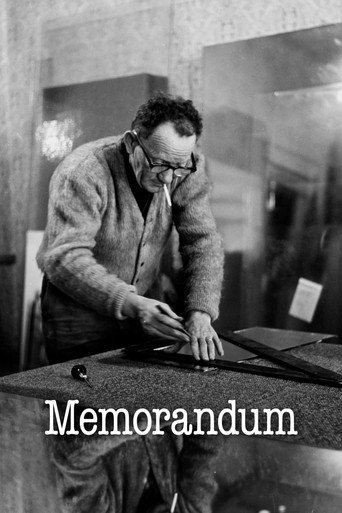
A Jewish Holocaust survivor travels through Germany recalling scenes from his memory. This documentary follows a Holocaust survivor in 1965 on an emotional pilgrimage to Bergen Belsen, the last of 11 concentration camps where he was held by the Nazis. He and 30 other former Jewish inmates travel through the new Germany. Scenes still vivid in his mind are recalled in flashback. The memorandum of the title refers to Hitler's memo offering a "final solution" to the "Jewish problem."
Memorandum
1967
 9.0
In 1977, Prince Charles was inducted as honorary chief of the Blood Indians on their reserve in southwestern Alberta. The ceremony, conducted in the great Circle of the Sun Dance, commemorated the centennial anniversary of the original signing of Treaty 7 by Queen Victoria.
A Pinto for the Prince
1979
Behind the camera
7.2In the fall of 1964, just over a year before his death, Buster Keaton traveled to Canada to make The Railrodder, a short subject that now enjoys a small cult following. Documenting this mobile production in fascinating and unexpected detail, Buster Keaton Rides Again offers a rare glimpse of the comedy legend’s temperament, philosophies, hobbies, marriage (his third), and the occasionally combative creative process behind the scenes. An intimate look at one of cinema’s most enduring legends.
Buster Keaton Rides Again
1965
7.0Women have always sought ways to terminate unwanted pregnancies, despite powerful patriarchal structures and systems working against them. This film provides a historical overview of how church, state and the medical establishment have determined policies concerning abortion. From this cross-cultural survey--filmed in Ireland, Japan, Thailand, Peru, Colombia, and Canada--emerges one reality: only a small percentage of the world's women has access to safe, legal operations.
Abortion: Stories from North and South
1984
9.0This feature documentary is a profile of Canadian press tycoon Roy Thomson, whose single-minded attention to business brought him riches, power, and even a baronetcy in England. A native of Timmins, Ontario, Thomson had a tremendous career as publisher, television magnate, financier, and owner of many newspapers, including leading London dailies. The film is a frank study of an equally frank man.
Never a Backward Step
1966
NRThis finely crafted drama, set in Ontario's cottage country, revolves around two teenaged boys from the city who pick up two local girls on a Saturday night and take them for a ride. Based on an Alice Munro short story, Thanks for the Ride is about values and morals, expectations and broken dreams, class differences and peer pressure. It is also about the overwhelming intensity of adolescent emotions and that momentous event--the first sexual encounter. An excellent film for use in family life, values education, Canadian literature, and creative writing courses.
Thanks for the Ride
1983
7.3A Jewish Holocaust survivor travels through Germany recalling scenes from his memory. This documentary follows a Holocaust survivor in 1965 on an emotional pilgrimage to Bergen Belsen, the last of 11 concentration camps where he was held by the Nazis. He and 30 other former Jewish inmates travel through the new Germany. Scenes still vivid in his mind are recalled in flashback. The memorandum of the title refers to Hitler's memo offering a "final solution" to the "Jewish problem."
Memorandum
1967
9.0In 1977, Prince Charles was inducted as honorary chief of the Blood Indians on their reserve in southwestern Alberta. The ceremony, conducted in the great Circle of the Sun Dance, commemorated the centennial anniversary of the original signing of Treaty 7 by Queen Victoria.
A Pinto for the Prince
1979
Evidence of Viking presence in North America has challenged archaeologists and historians for years. Did the Vikings come to northern Canada nearly 1,000 years ago? Did they later migrate inland? This film explores the legends of the Viking visits to North America, which remain shrouded in mystery, but continue to be the subject of much debate.
Viking Visitors to North America
1979
 10.0
St. Joseph's Oratory, a picturesque shrine silhouetted against Mount Royal, draws pilgrims by the thousands every year. They come from California by Greyhound bus, from Vancouver by plane, and on foot from many parishes surrounding Montréal. What is the fame of this shrine, that it attracts the devout and the curious alike? The story is told by Brother Placide Vermandère of the Order of the Holy Cross, who was personally acquainted with Brother André, after whom the shrine's famous temple is named. Cameras follow a procession of the League of the Sacred Heart through the streets of the city to the famous sanctuary and show many of the religious observances conducted in the church, including Mass attended by invalids who come in the hope of being healed of various afflictions.
Pilgrimage
1958