
Directing
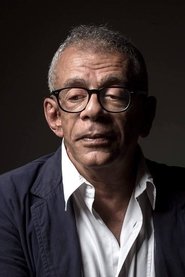
Yousry Nasrallah
Born
1952-07-26 (74)
Place of birth
Cairo, Egypt
Known for
Directing
Credits
28 titles
Yousry was born in Cairo in 1952 to a Coptic family. He studied economics at Cairo University before studying cinema at the Higher Institute for Cinema in Cairo in 1973. Initially, Yousry worked as a cinema critic for a Lebanese paper named al-Safeer and as a director’s assistant in Beirut. He also worked as a director’s assistant with Youssif Chahine on the film projects “Wada’an Bonaparte” and “Hadoutta Masriyah” (1981). Furthermore, Yousry also worked with Folker Shlondorf on “al-Muzayyaf” and with ‘Umar Amiraly on the documentary title “Massaib Qoum”. Next, he participated in writing the screenplay for “Iskandiriyah Kaman wa Kaman” (1989) with Youssif Chahine and worked with him again …
Known for
 6.5
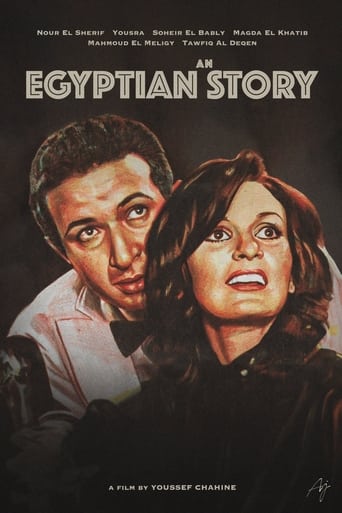
6.5After we last see him in "Alexandria, Why?" Egyptian filmmaker Yehia Mourad is in his thirties, and successful in his work, he has grown distant from his wife and children and suffers a symbolic blockage of the heart while shooting the final scenes of his latest film. After being flown to England for evaluation, it's determined that Yehia must undergo emergency surgery. Fact and fiction blend seamlessly—with healthy doses of cleverly absurdist fantasy—as the film explores the various personalities and forces that have made Yehia (and Youssef Chahine) the man he has become.
An Egyptian Story
1982
 4.8
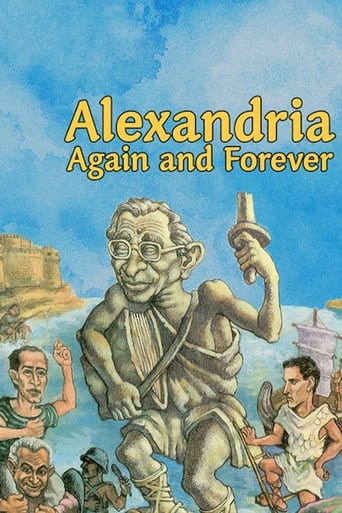
4.8Set in 1987 against the backdrop of a hunger strike by the Egyptian film industry, Chahine himself steps in to play Yehia, the famed Egyptian director whose life is chronicled in "Alexandria, Why?" and "An Egyptian Story". Obsessed with Amr, the handsome actor he discovered and cast as his alter-ego in parts one and two of The Alexandria Trilogy, Yehia pressures Amr to star in various film projects that change even as Yehia's perception of the young actor begins to change. He first casts Amr as Hamlet, which the actor deems too demanding for his talents, then as the lead in a musical biopic of demigod Alexander the Great, who founded the city of Alexandria in 332 B.C.
Alexandria Again and Forever
1989
 6.1
6.1After more than 20 years, Sue returns from Switzerland to her home country Egypt because her mother Fairouz is in a hospital bed. Sue ran away from the eccentric aristocrat as a young adult. Now she feels compelled to meet her again.
Back to Alexandria
2024
 5.9
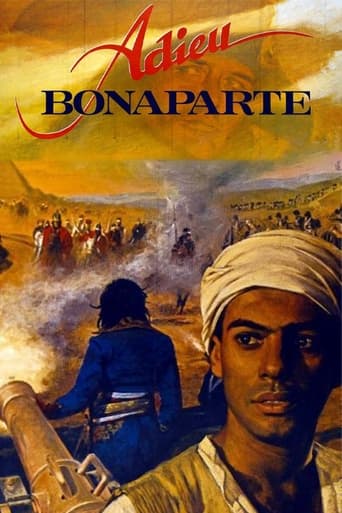
5.9This big-budget historical epic from acclaimed Egyptian director Youssef Chahine features a crazed turn by Patrice Chereau as Napoleon Bonaparte. The film, an Egyptian-French co-production, deals with Napoleon's occupation of Alexandria and its effect on a typical Egyptian family. Michel Piccoli leads the cast as a general in Napoleon's army who tentatively befriends a local poet and falls in love with two young Egyptian brothers, reflecting complex themes of colonial desire, affection, and personal connection.
Adieu Bonaparte
1985
 7.4
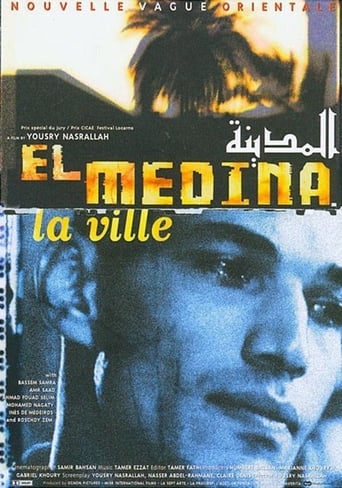
7.4Ali, an aspiring actor, works in a government-aided butchery and takes part in a cheap play. Defying his father's wishes, he moves to Paris to fulfill his dreams and starts living illegally alongside many other Arabs. Ali has a life-changing experience there that he won't fully remember until he returns to Egypt.
The City
1999
 5.5
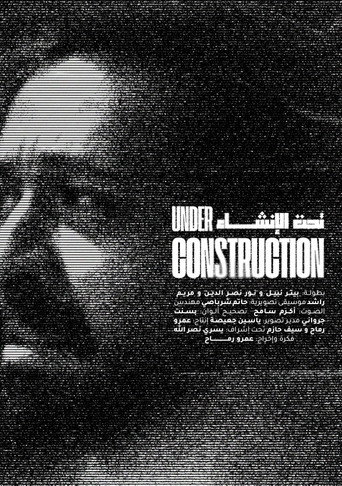
5.5Youssef Kamal lives on the outskirts of society, estranged from a world he once knew. Now, homeless and living out of his car in isolated areas, he confronts the consequences of his choices daily.
Under Construction
2025
Film credits
2010s · 2 titles
 7.6
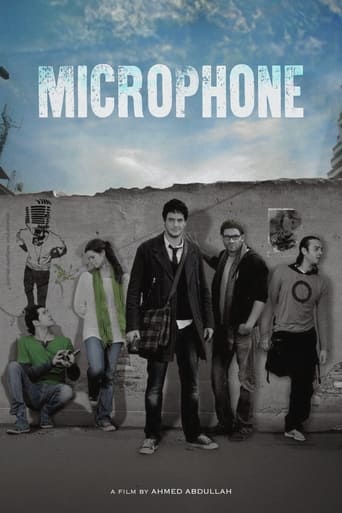
7.6Upon his return to Alexandria, Khaled becomes intrigued with a graffiti mural opposite his apartment. As he pursues this further, a larger underground arts scene slowly reveals itself, composed of musicians, filmmakers, and graffiti artists. As they struggle to get their voices heard, Khaled is compelled to help them acquire some much deserved visibility.
Microphone
2010
 NR
NRNo synopsis available yet.
Into Studio Masr
2019
Behind the camera
4.8Set in 1987 against the backdrop of a hunger strike by the Egyptian film industry, Chahine himself steps in to play Yehia, the famed Egyptian director whose life is chronicled in "Alexandria, Why?" and "An Egyptian Story". Obsessed with Amr, the handsome actor he discovered and cast as his alter-ego in parts one and two of The Alexandria Trilogy, Yehia pressures Amr to star in various film projects that change even as Yehia's perception of the young actor begins to change. He first casts Amr as Hamlet, which the actor deems too demanding for his talents, then as the lead in a musical biopic of demigod Alexander the Great, who founded the city of Alexandria in 332 B.C.
Alexandria Again and Forever
1989
6.1After more than 20 years, Sue returns from Switzerland to her home country Egypt because her mother Fairouz is in a hospital bed. Sue ran away from the eccentric aristocrat as a young adult. Now she feels compelled to meet her again.
Back to Alexandria
2024
5.9This big-budget historical epic from acclaimed Egyptian director Youssef Chahine features a crazed turn by Patrice Chereau as Napoleon Bonaparte. The film, an Egyptian-French co-production, deals with Napoleon's occupation of Alexandria and its effect on a typical Egyptian family. Michel Piccoli leads the cast as a general in Napoleon's army who tentatively befriends a local poet and falls in love with two young Egyptian brothers, reflecting complex themes of colonial desire, affection, and personal connection.
Adieu Bonaparte
1985
7.4Ali, an aspiring actor, works in a government-aided butchery and takes part in a cheap play. Defying his father's wishes, he moves to Paris to fulfill his dreams and starts living illegally alongside many other Arabs. Ali has a life-changing experience there that he won't fully remember until he returns to Egypt.
The City
1999
7.4Ali, an aspiring actor, works in a government-aided butchery and takes part in a cheap play. Defying his father's wishes, he moves to Paris to fulfill his dreams and starts living illegally alongside many other Arabs. Ali has a life-changing experience there that he won't fully remember until he returns to Egypt.
The City
1999
5.5Youssef Kamal lives on the outskirts of society, estranged from a world he once knew. Now, homeless and living out of his car in isolated areas, he confronts the consequences of his choices daily.
Under Construction
2025
 6.5
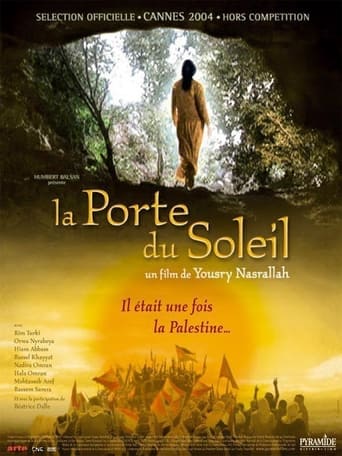
6.5Yousry Nasrallah's powerful adaptation of Lebanese writer Elias Khoury's epic novel of fifty years of Palestinian dispossession, exile, and resistance. The film follows the flight of Younes, his wife Nahila, and those around them, from their village in northern Palestine to a refugee camp in Lebanon. Some vow to continue the struggle, most simply struggle to survive. Unsparingly detailing the impact of the nakba (disaster) on Palestinian life and society and the refugees' often-contentious relationship with their reluctant Lebanese hosts, Gate of the Sun spans generations, mixing personal stories with historical events.
The Gate of the Sun
2004
6.5Yousry Nasrallah's powerful adaptation of Lebanese writer Elias Khoury's epic novel of fifty years of Palestinian dispossession, exile, and resistance. The film follows the flight of Younes, his wife Nahila, and those around them, from their village in northern Palestine to a refugee camp in Lebanon. Some vow to continue the struggle, most simply struggle to survive. Unsparingly detailing the impact of the nakba (disaster) on Palestinian life and society and the refugees' often-contentious relationship with their reluctant Lebanese hosts, Gate of the Sun spans generations, mixing personal stories with historical events.
The Gate of the Sun
2004
 6.3
6.3Heba is a TV presenter interested in broadcasting stories that touch on the everyday secret lives of women and the social injustices they face. Her frank style in broadcasting puts her husband's job and consequently her marriage in jeopardy.
Scheherazade, Tell Me a Story
2009
 4.8
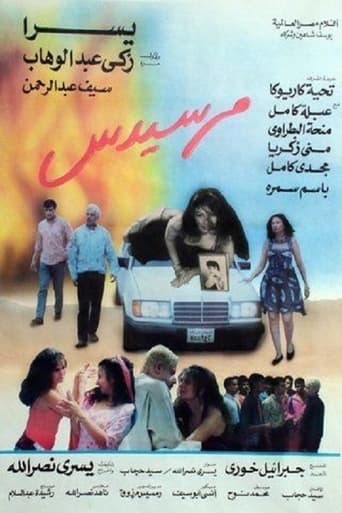
4.8Nubi, a wealthy man with Communist ties, sets out to find his half-brother Gamal, who has been disowned for being gay, to let him inherit his father's fortune. In the process, Nubi is supposed to kill Gamal's stepmother Raifa, a suspected drug dealer, before she can kill his half-brother.
Mercedes
1993
4.8Nubi, a wealthy man with Communist ties, sets out to find his half-brother Gamal, who has been disowned for being gay, to let him inherit his father's fortune. In the process, Nubi is supposed to kill Gamal's stepmother Raifa, a suspected drug dealer, before she can kill his half-brother.
Mercedes
1993
 6.6
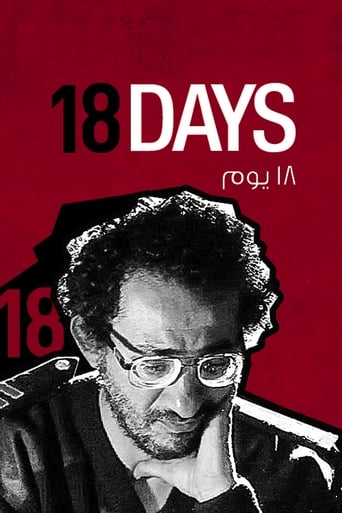
6.610 filmmakers provide 10 separate stories focusing on the 18 days of the 2011 Egyptian revolution. Ten stories they have experienced, heard, or imagined.
18 Days
2011
6.610 filmmakers provide 10 separate stories focusing on the 18 days of the 2011 Egyptian revolution. Ten stories they have experienced, heard, or imagined.
18 Days
2011
 6.7
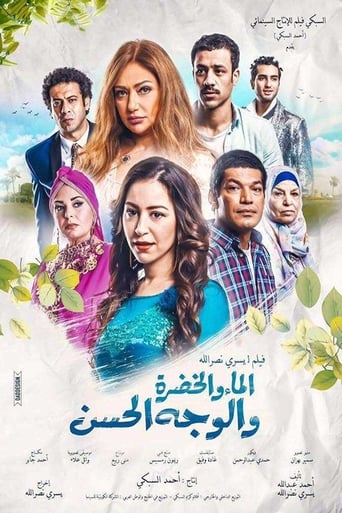
6.7Yehia runs a catering business with his sons, Ref’at and Galal; the former is engaged to marry Karima, who actually loves his brother and is trying to find a way to reveal her feelings for him; while he himself is in love with Shadia who just returned from the UAE, but fear the differences between them.
Brooks, Meadows and Lovely Faces
2016
6.7Yehia runs a catering business with his sons, Ref’at and Galal; the former is engaged to marry Karima, who actually loves his brother and is trying to find a way to reveal her feelings for him; while he himself is in love with Shadia who just returned from the UAE, but fear the differences between them.
Brooks, Meadows and Lovely Faces
2016
 9.0
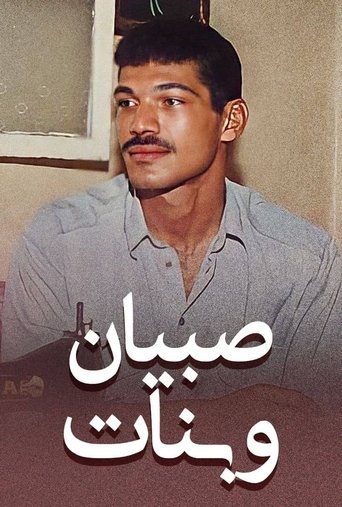
9.0A documentary which depicts the life of Bassem Samra and his friends and family. The film discusses issues concerning love and the veil.
Boys and Girls
1995
 6.8
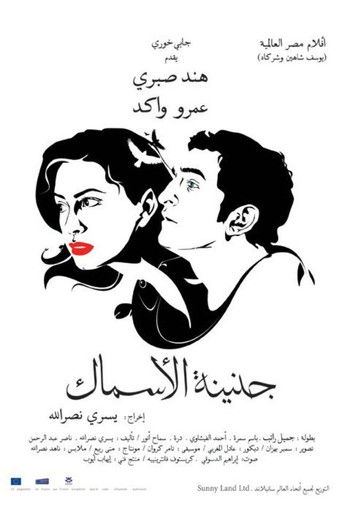
6.8Youssef is a hotshot anesthesiologist who often sleeps in his car for privacy. Laila is the careerist host of a late night radio call-in show. These two members of Cairo's elite, lost souls traveling parallel paths of longing and disconnection, are the principal fish in Yousry Nasrallah's The Aquarium, a meditation on the intellectual capital of the Middle East, now bent under the sway of repression in all its forms.
The Aquarium
2008
6.8Youssef is a hotshot anesthesiologist who often sleeps in his car for privacy. Laila is the careerist host of a late night radio call-in show. These two members of Cairo's elite, lost souls traveling parallel paths of longing and disconnection, are the principal fish in Yousry Nasrallah's The Aquarium, a meditation on the intellectual capital of the Middle East, now bent under the sway of repression in all its forms.
The Aquarium
2008
 6.6
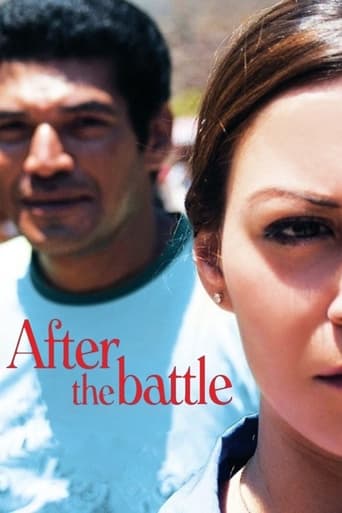
6.6Reem is a young political activist who works for an advertisement company. As she tries to uncover the truth behind the incide of the Battle of the Camel, she accompanies her friend Farah to Nazlet Al Seman where she meets and falls for Mahmoud, one of the people involved in the incident.
After the Battle
2012
6.6Reem is a young political activist who works for an advertisement company. As she tries to uncover the truth behind the incide of the Battle of the Camel, she accompanies her friend Farah to Nazlet Al Seman where she meets and falls for Mahmoud, one of the people involved in the incident.
After the Battle
2012
 8.8
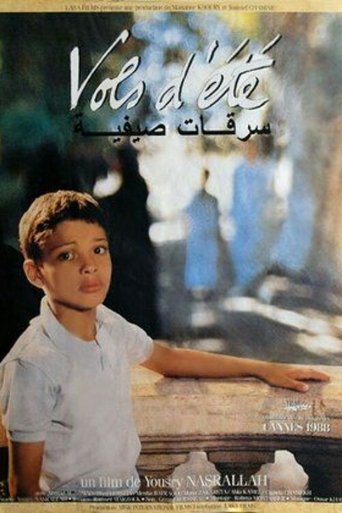
8.8Set in the summer of 1961 during President Nasser's land reforms, this is a story of the childhood friendship between Yasser, the son of a bourgeois landowner, and Leil, the son of an Egyptian peasant. When turbulent times tear Yasser's family apart, the boys team up for a money-making scheme that results in misadventures.
Summer Thefts
1988
8.8Set in the summer of 1961 during President Nasser's land reforms, this is a story of the childhood friendship between Yasser, the son of a bourgeois landowner, and Leil, the son of an Egyptian peasant. When turbulent times tear Yasser's family apart, the boys team up for a money-making scheme that results in misadventures.
Summer Thefts
1988
In a small Egyptian town, Zeinab, a young girl, strongly believes in myths and superstitions. With the help of Noah, her Christian neighbor, she abducts her mother’s body. During the escape journey, both Zeinab and Noah are confronted with many of the myths and fears they so strongly believed were true.
The Legend of Zeineb and Noah
—
In the mid-1990s, what did young Egyptians think of wearing the hijab? And of love? Where would their future lie, in their village or in Cairo? Yousry Nasrallah, one of the biggest names in Arab cinema, shows the diversity of their answers, from both male and female perspectives. The central figure is Bassem Samra, a 24-year-old teacher and aspiring actor in a film by Youssef Chahine. He holds lively conversations with friends, family and colleagues about their lives, with topics ranging from family pressure to get married to the complexities of dating in Arab society. The hijab turns out to mean something different to each of them—a means to be able to walk down the street undisturbed, an expression of faith. These relaxed, introspective discussions paint a varied picture of society that undermines many Western prejudices. What ultimately matters for these young people is to find their way in a world in which men and women receive mixed messages.
On Boys, Girls and the Veil
—
In the mid-1990s, what did young Egyptians think of wearing the hijab? And of love? Where would their future lie, in their village or in Cairo? Yousry Nasrallah, one of the biggest names in Arab cinema, shows the diversity of their answers, from both male and female perspectives. The central figure is Bassem Samra, a 24-year-old teacher and aspiring actor in a film by Youssef Chahine. He holds lively conversations with friends, family and colleagues about their lives, with topics ranging from family pressure to get married to the complexities of dating in Arab society. The hijab turns out to mean something different to each of them—a means to be able to walk down the street undisturbed, an expression of faith. These relaxed, introspective discussions paint a varied picture of society that undermines many Western prejudices. What ultimately matters for these young people is to find their way in a world in which men and women receive mixed messages.
On Boys, Girls and the Veil
—