
Sound
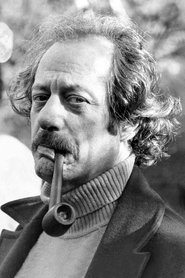
Philippe Arthuys
Born — Died
1928-11-22 — 2010-01-06
Place of birth
Paris, Ile-de-France, France
Known for
Sound
Credits
11 titles
Philippe Arthuys is a French musician and director born in Paris on November 22, 1928 and died on January 6, 2010 in Toulouse. He is the son of the politician and resistance fighter Jacques Arthuys, and father of the actress Sophie Arthuys, the director Bertrand Arthuys and the composer Christophe Arthuys. It was within the GRMC, with Pierre Schaeffer and Pierre Henry, that Philippe Arthuys became familiar with musique concrete. The basic principle of musique concrete consists of working the sound material directly on the recording medium, from diligent listening to the recorded elements, in accordance with the idea, which Schaeffer formulated in 1948, "that there exists another path than n…
Known for
 6.5
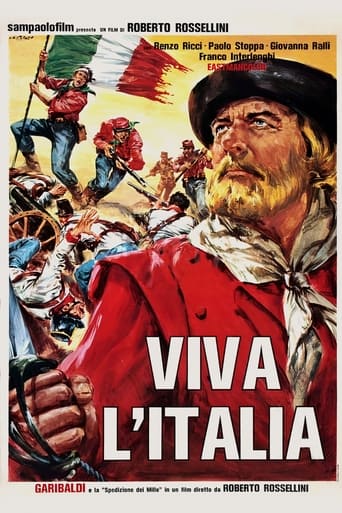
6.5The film shows how Italy's historic national hero Giuseppe Garibaldi (embodied by Renzo Ricci) leads a military campaign known as Expedition of the Thousand in 1860 and conquers Sicily and Naples. When the Bourbon monarchy has left Southern Italy, he supports Victor Emmanuel II of Italy who achieves a lasting unification under the aegis the House of Savoy. Roberto Rossellini has said he was prouder of this film than of any other film he ever made.
Viva l'Italia!
1961
 6.5
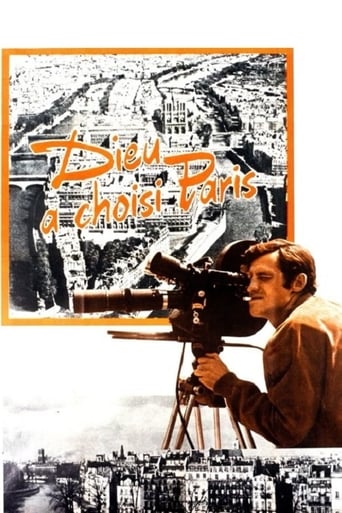
6.5An interesting mixture of filmed scenes with Belmondo and archival footage regarding cultural aspects of all kind around Paris, starting at the end of the 19th century and ending in the mid-1960's. Jean-Paul Belmondo leads us through the movie starting as a young photographer around 1900, a reporter in both world-wars and doing fictional interviews with lots of celebrities.
God Chose Paris
1969
 10.0
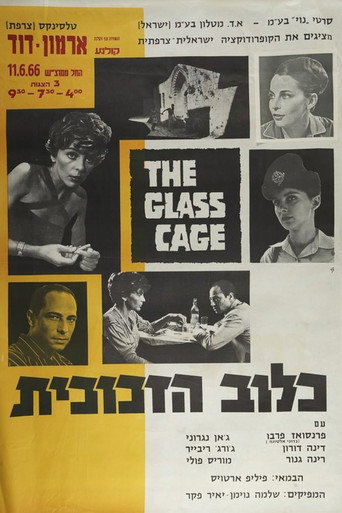
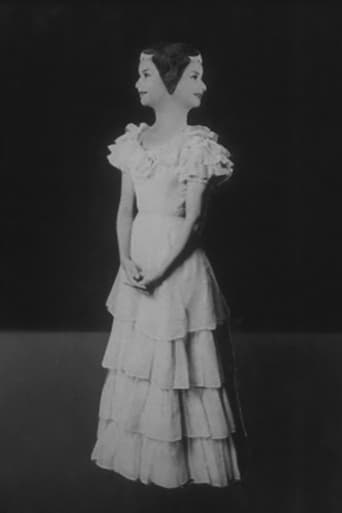
10.0A study of conscience set against the trial of Eichmann in Israel.
The Glass Cage
1965
 6.0
6.0A story of "La Pasta", a renowned prima donna, and her extraordinary rival.
La prima donna
1964
 10.0
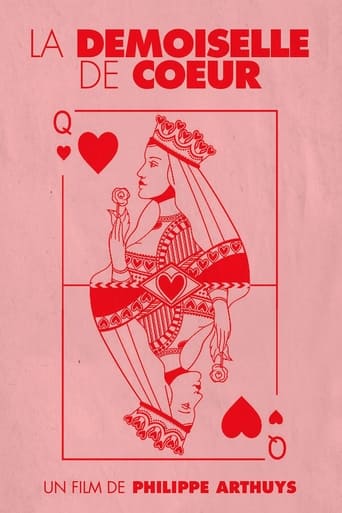
10.0The kings of the card game, tired of serving for the amusement of men, decide to participate in the lives of humans and behave like them.
La Demoiselle de Coeur
1963
 9.5
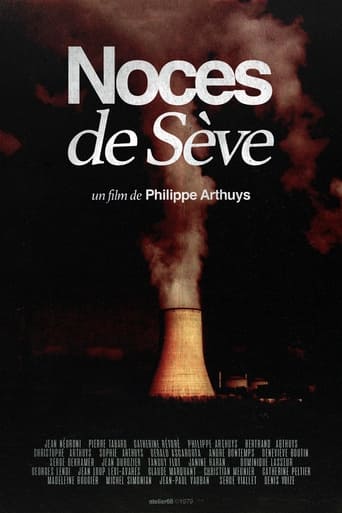
9.5An anti-nuclear parable, the film tells the story of villagers who each year traditionally hold "sap weddings", thus paying homage to the forest. But a nuclear power plant must be built there. The film was presented in competition at the Thonon-les-Bains festival in 1978.
Noces de Sève
1979
Film credits
1960s · 2 titles
6.5The film shows how Italy's historic national hero Giuseppe Garibaldi (embodied by Renzo Ricci) leads a military campaign known as Expedition of the Thousand in 1860 and conquers Sicily and Naples. When the Bourbon monarchy has left Southern Italy, he supports Victor Emmanuel II of Italy who achieves a lasting unification under the aegis the House of Savoy. Roberto Rossellini has said he was prouder of this film than of any other film he ever made.
Viva l'Italia!
1961
6.0A story of "La Pasta", a renowned prima donna, and her extraordinary rival.
La prima donna
1964
Behind the camera
6.5An interesting mixture of filmed scenes with Belmondo and archival footage regarding cultural aspects of all kind around Paris, starting at the end of the 19th century and ending in the mid-1960's. Jean-Paul Belmondo leads us through the movie starting as a young photographer around 1900, a reporter in both world-wars and doing fictional interviews with lots of celebrities.
God Chose Paris
1969
10.0A study of conscience set against the trial of Eichmann in Israel.
The Glass Cage
1965
10.0A study of conscience set against the trial of Eichmann in Israel.
The Glass Cage
1965
10.0The kings of the card game, tired of serving for the amusement of men, decide to participate in the lives of humans and behave like them.
La Demoiselle de Coeur
1963
10.0The kings of the card game, tired of serving for the amusement of men, decide to participate in the lives of humans and behave like them.
La Demoiselle de Coeur
1963
9.5An anti-nuclear parable, the film tells the story of villagers who each year traditionally hold "sap weddings", thus paying homage to the forest. But a nuclear power plant must be built there. The film was presented in competition at the Thonon-les-Bains festival in 1978.
Noces de Sève
1979
9.5An anti-nuclear parable, the film tells the story of villagers who each year traditionally hold "sap weddings", thus paying homage to the forest. But a nuclear power plant must be built there. The film was presented in competition at the Thonon-les-Bains festival in 1978.
Noces de Sève
1979
 7.0
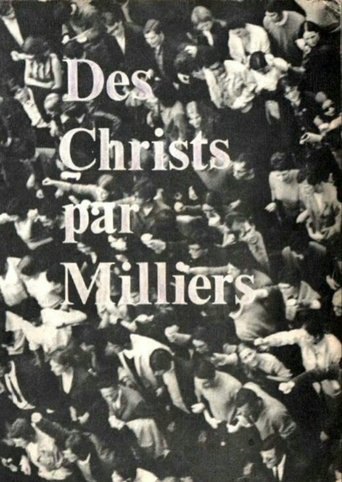
7.0When a museum depicting the violence man inflicts on himself opens, a doctor, a woman and a museum official go through the building before the grand opening. Discussing the subject matter, their attention quickly turns to the May Day riots that plagued Paris. This symbolic film tries to portray all victims of violence as Christlike figures. Stock footage of war and suffering are used to underscore the effectiveness of the subject matter in this uneven feature.
Christs in the Thousands
1969