
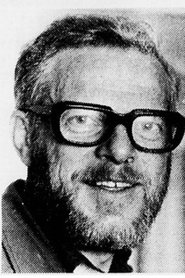
Directing
Erik Løchen
Born — Died
1924-04-22 — 1983-01-11
Place of birth
Oslo, Norway
Known for
Directing
Credits
20 titles
Director, Writer. Born May 22, 1924 in Oslo, Norway. Norwegian jazz musician and experimental, director, writer and editor Erik Løchen, born May 22, 1924, made himself a substantial place in Norwegian film history. He came to film from theater, and was a prisoner of war during WWII.
Known for
 5.0
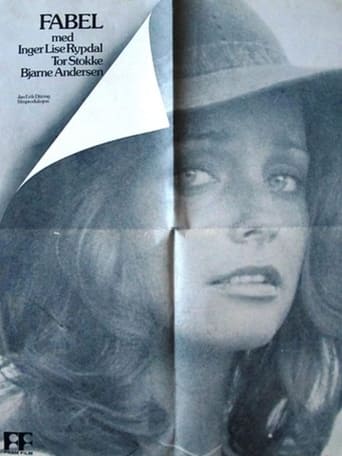
5.0A woman runs over a dog, and the accident is investigated by the police. She meets a man in a gallery, and they begin a relationship. But aside from this straightforward storyline, nothing about Fabel is simple. It is an absurd film, inspired by Eugène Ionesco and Samuel Beckett’s theatre of the absurd.
Fabel
1980
 6.5
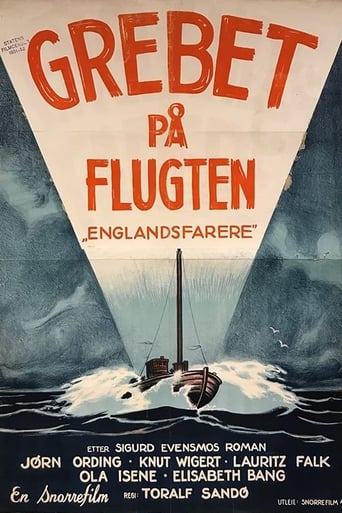
6.5The secret smuggling of Wanted persons from the westcoast of Norway over to England during the WWII, based upon the novel by Nowegian novelist Sigurd Evensmo, telling the true story about his own experiences during the war.
Englandsfarere
1946
A local theatre company prepares for a production of Ivar Aasen's Ervingen.
The Barstad Vikings
1977
A short film about how to help juvenile delinquents to get a job and a position in socitety.
People in the Shadow
1960
 5.5
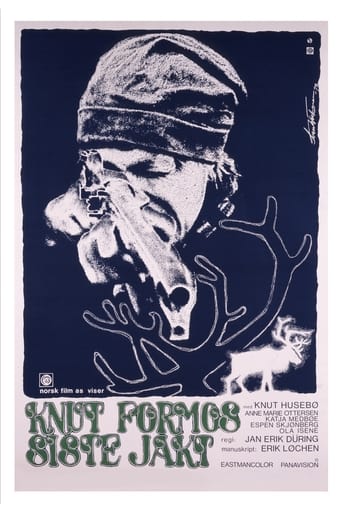
5.5The film is set in the Norwegian high mountains in the 1820s, where mysterious natural phenomena play an important part in the plot. Young Knut Formo has gone to the mountains to hunt the great white reindeer. He spends five days hunting the buck, but never manages to catch it. We experience the tension as the rifle is aimed at the buck and his fingers curl around the trigger, and we experience the disappointment when the buck runs away after the shot. Knut gradually becomes exhausted. He begins to mix dreams and reality as his strength ebbs away. The fantasy world becomes a natural part of life for a person closely connected to a powerful nature. Based on an original screenplay by Erik Løchen.
Knut Formos siste jakt
1973
 NR
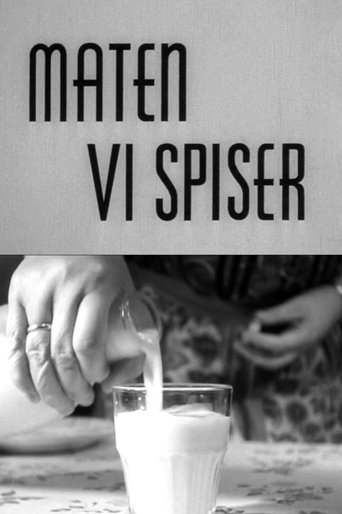
NREvery day, fresh foods are transported to Oslo to saturate the city's nearly 500,000 mouths. The food is distributed in various distribution centers on its way to the consumers: fish halls, slaughterhouses, dairies and marketplaces. ***** Oslofilm was a series of public information films about life in and around Oslo, produced between 1940 and 1980. Funded by the state, the films offer valuable insight into postwar Norwegian society. A wide range of Norwegian filmmakers contributed to the productions, resulting in a rich variety of styles and expressions. Several of the films also possess notable cinematic qualities, standing out as more than just informational material. The Oslofilms represent a unique and important chapter in Norwegian film history.
Oslofilm: Maten vi spiser
1953
Film credits
Behind the camera
5.0A woman runs over a dog, and the accident is investigated by the police. She meets a man in a gallery, and they begin a relationship. But aside from this straightforward storyline, nothing about Fabel is simple. It is an absurd film, inspired by Eugène Ionesco and Samuel Beckett’s theatre of the absurd.
Fabel
1980
A local theatre company prepares for a production of Ivar Aasen's Ervingen.
The Barstad Vikings
1977
A short film about how to help juvenile delinquents to get a job and a position in socitety.
People in the Shadow
1960
5.5The film is set in the Norwegian high mountains in the 1820s, where mysterious natural phenomena play an important part in the plot. Young Knut Formo has gone to the mountains to hunt the great white reindeer. He spends five days hunting the buck, but never manages to catch it. We experience the tension as the rifle is aimed at the buck and his fingers curl around the trigger, and we experience the disappointment when the buck runs away after the shot. Knut gradually becomes exhausted. He begins to mix dreams and reality as his strength ebbs away. The fantasy world becomes a natural part of life for a person closely connected to a powerful nature. Based on an original screenplay by Erik Løchen.
Knut Formos siste jakt
1973
NREvery day, fresh foods are transported to Oslo to saturate the city's nearly 500,000 mouths. The food is distributed in various distribution centers on its way to the consumers: fish halls, slaughterhouses, dairies and marketplaces. ***** Oslofilm was a series of public information films about life in and around Oslo, produced between 1940 and 1980. Funded by the state, the films offer valuable insight into postwar Norwegian society. A wide range of Norwegian filmmakers contributed to the productions, resulting in a rich variety of styles and expressions. Several of the films also possess notable cinematic qualities, standing out as more than just informational material. The Oslofilms represent a unique and important chapter in Norwegian film history.
Oslofilm: Maten vi spiser
1953
 6.5
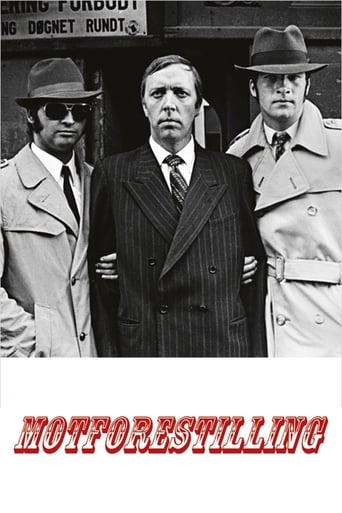
6.5A meta-film about a film and the common man in our own political reality. A reality that is just scenes of a film without any cinematic development, but which might be plain reality tomorrow.
Remonstrance
1972
6.5A meta-film about a film and the common man in our own political reality. A reality that is just scenes of a film without any cinematic development, but which might be plain reality tomorrow.
Remonstrance
1972
 NR
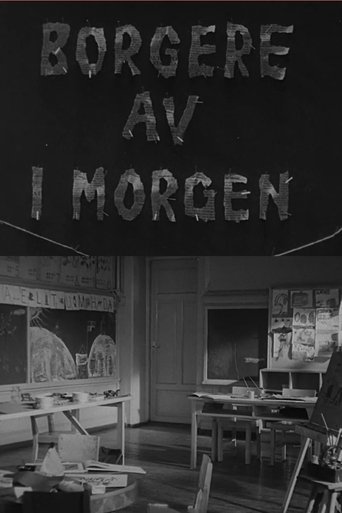
NRA unique insight in Oslo's school system, post war. ***** Oslofilm was a series of public information films about life in and around Oslo, produced between 1940 and 1980. Funded by the state, the films offer valuable insight into postwar Norwegian society. A wide range of Norwegian filmmakers contributed to the productions, resulting in a rich variety of styles and expressions. Several of the films also possess notable cinematic qualities, standing out as more than just informational material. The Oslofilms represent a unique and important chapter in Norwegian film history.
Oslofilm: Citizens of Tomorrow
1950
 NR
NRWhen the film was made, 15 smallholdings were being abandoned every day. People were moving to the city for better income opportunities and cultural improvement. But were they any happier?
15 Smallholdings a Day
1967
 NR
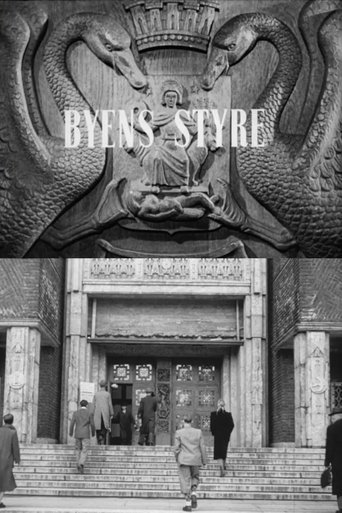
NRA film about municipal governance and administration in Oslo in 1951. We follow the planning process for the redevelopment of the slum area of Vestre Vika. ***** Oslofilm was a series of public information films about life in and around Oslo, produced between 1940 and 1980. Funded by the state, the films offer valuable insight into postwar Norwegian society. A wide range of Norwegian filmmakers contributed to the productions, resulting in a rich variety of styles and expressions. Several of the films also possess notable cinematic qualities, standing out as more than just informational material. The Oslofilms represent a unique and important chapter in Norwegian film history.
Oslofilm: Byens styre
1951
 NR
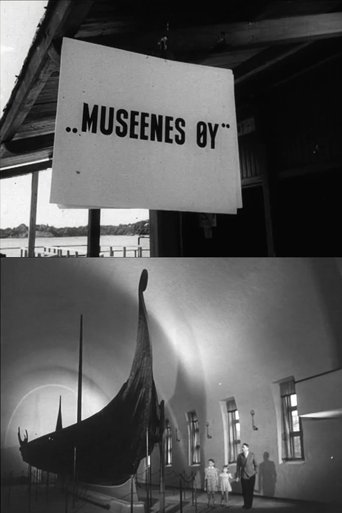
NRA short film about the museums at Bygdøy in Oslo. ***** Oslofilm was a series of public information films about life in and around Oslo, produced between 1940 and 1980. Funded by the state, the films offer valuable insight into postwar Norwegian society. A wide range of Norwegian filmmakers contributed to the productions, resulting in a rich variety of styles and expressions. Several of the films also possess notable cinematic qualities, standing out as more than just informational material. The Oslofilms represent a unique and important chapter in Norwegian film history.
Oslofilm: Museenes øy
1951
 NR
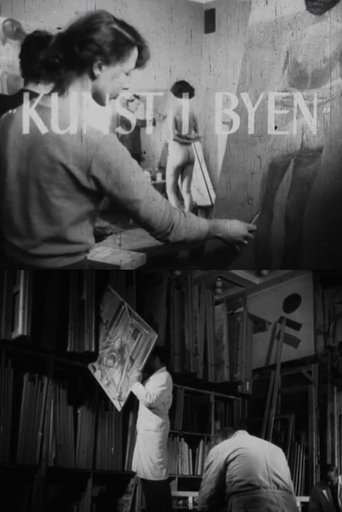
NRThe film offers an insight into Oslo’s art scene, from teaching at the National Academy of Fine Arts and Kunstnernes Hus to major galleries and museums. We visit the National Gallery and encounter key artists such as I.C. Dahl, Christian Krohg, and Edvard Munch. **** Oslofilm was a series of public information films about life in and around Oslo, produced between 1940 and 1980. Funded by the state, the films offer valuable insight into postwar Norwegian society. A wide range of Norwegian filmmakers contributed to the productions, resulting in a rich variety of styles and expressions. Several of the films also possess notable cinematic qualities, standing out as more than just informational material. The Oslofilms represent a unique and important chapter in Norwegian film history.
Oslofilm: Kunst i byen
1952
 NR
NRErik Løchen struggles to find the midnight sun.
These Bright Northern Nights
1976
 7.4
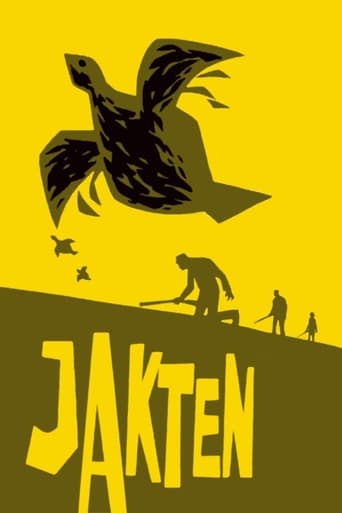
7.4A love triangle of two men who desire the same woman. We follow them through three days of grouse hunting, a chase that ends violently. Or does it?
The Chasers
1959
7.4A love triangle of two men who desire the same woman. We follow them through three days of grouse hunting, a chase that ends violently. Or does it?
The Chasers
1959
 NR
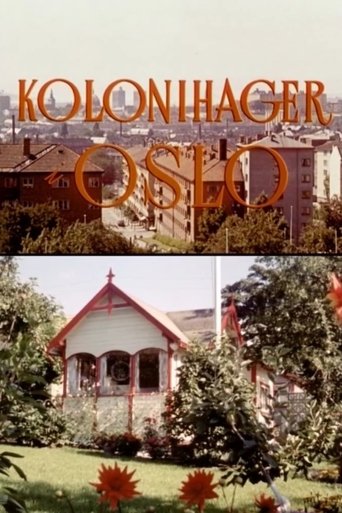
NRA sought-after community for recreation and an opportunity for cultivating the land for city residents. Well-known actors take part. ***** Oslofilm was a series of public information films about life in and around Oslo, produced between 1940 and 1980. Funded by the state, the films offer valuable insight into postwar Norwegian society. A wide range of Norwegian filmmakers contributed to the productions, resulting in a rich variety of styles and expressions. Several of the films also possess notable cinematic qualities, standing out as more than just informational material. The Oslofilms represent a unique and important chapter in Norwegian film history.
Oslofilm: Kolonihager i Oslo
1958
 NR
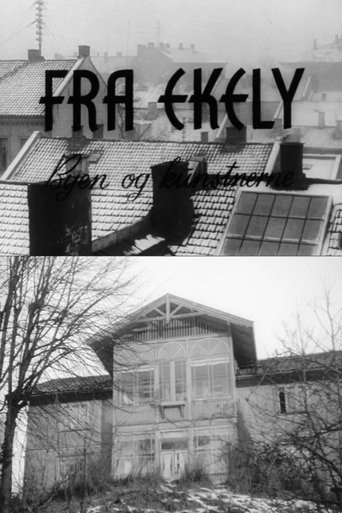
NREkely was painter Edvard Munch's property in Oslo, where the Oslo municipality established a colony for artists. Norwegian artists, such as sculptor Hilt, are seen at work. ***** Oslofilm was a series of public information films about life in and around Oslo, produced between 1940 and 1980. Funded by the state, the films offer valuable insight into postwar Norwegian society. A wide range of Norwegian filmmakers contributed to the productions, resulting in a rich variety of styles and expressions. Several of the films also possess notable cinematic qualities, standing out as more than just informational material. The Oslofilms represent a unique and important chapter in Norwegian film history.
Oslofilm: From Ekely. The city and the artists
1953
 NR
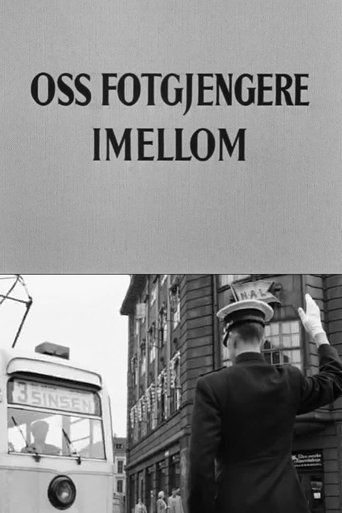
NRIn Oslo, traffic accidents have increased sharply, and pedestrians' behavior are the cause of many of these accidents. Both the Traffic Police and Oslo Kinematografer have made this film to convince their audience to be more aware of the traffic, so the number of accidents could be reduced. ***** Oslofilm was a series of public information films about life in and around Oslo, produced between 1940 and 1980. Funded by the state, the films offer valuable insight into postwar Norwegian society. A wide range of Norwegian filmmakers contributed to the productions, resulting in a rich variety of styles and expressions. Several of the films also possess notable cinematic qualities, standing out as more than just informational material. The Oslofilms represent a unique and important chapter in Norwegian film history.
Oslofilm: Oss fotgjengere imellom
1953
 NR
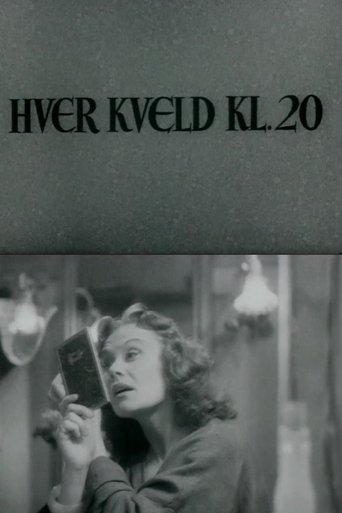
NRTheater and concert are offered in Oslo a fall night. For the evening, Norwegian actors go to work and prepare for the performance. **** Oslofilm was a series of public information films about life in and around Oslo, produced between 1940 and 1980. Funded by the state, the films offer valuable insight into postwar Norwegian society. A wide range of Norwegian filmmakers contributed to the productions, resulting in a rich variety of styles and expressions. Several of the films also possess notable cinematic qualities, standing out as more than just informational material. The Oslofilms represent a unique and important chapter in Norwegian film history.
Oslofilm: Every Evening at 8 O'Clock
1952