
Known for
 6.5
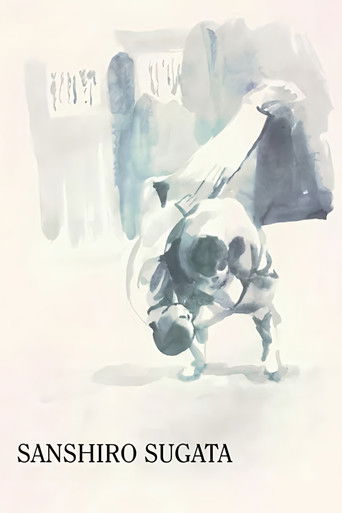
6.5A hotheaded youth in 1880s Meiji Japan apprentices to judo master Shōgorō Yano, trading brute jujutsu bravado for discipline and humility. As Sanshirō matures, he proves judo’s spirit against old-guard challengers—including a deadly duel—while falling for his vanquished opponent’s daughter. Based on the novel by Tsuneo Tomita, son of Tomita Tsunejirō, the earliest disciple of judo.
Sanshiro Sugata
1943
 10.0
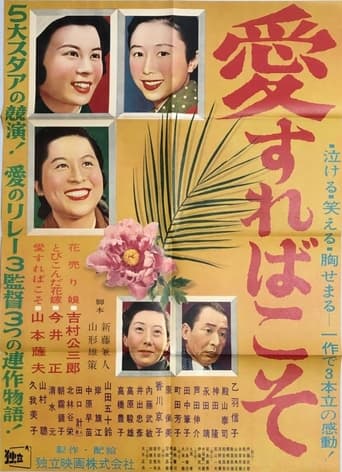
10.0The film consists of three short stories. Tomiko, the heroine of the first story, "The Flower Girl" (dir. Kozaburo Yoshimura), is a little girl who bears the unbearable burden of caring for her family. Tomiko's father has been unable to find work for a long time, and her older sister is terminally ill—it is unlikely that she will ever recover. To feed her family, Tomiko runs around the city from morning until late at night selling flowers... The second novella (dir. Tadashi Imai) also depicts the lives of the poor. An unfamiliar girl brings young Kavano a letter from his mother. It turns out that the girl's name is Kuniko, she is very hardworking, but her family is dying of hunger. Therefore, her mother decided to send Kuniko to her son so that he would marry her. The short story is called "The Unexpected Bride." The third short story, which gave the film its title, is particularly interesting: "When You Love" (dir. Satsuo Yamamoto). It shows the family of a young peace activist.
If Indeed One Loves
1955
 7.0
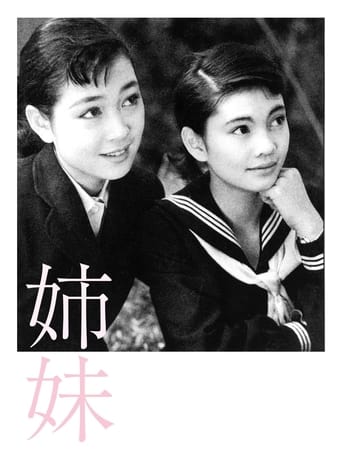
7.0Keiko and Toshiko are sisters who leave their mountain home, where their parents live in a hydroelectric plant company house to study in the city. They stay with their kind-hearted aunt and her jovial but heavy-drinking carpenter husband. Keiko, the 17-year-old eldest of five siblings, is gentle and responsible, while 14-year-old Toshiko is lively and childlike, affectionately called "Konchi."
Sisters
1955
 NR
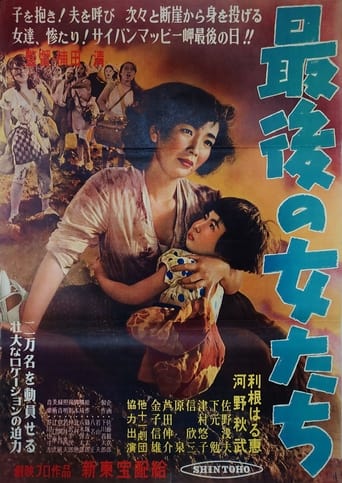
NRThe events of the film are based on the real facts of the Pacific War, when in June 1944 the American troops began landing on the Saipan island. On July 7, an order comes that everyone must die in order not to be captured by the enemy.
The Last Women
1954
 6.8
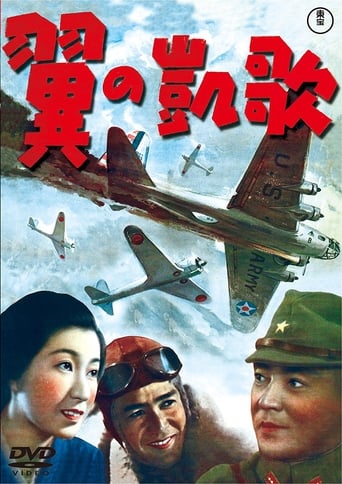
6.8No synopsis available yet.
Wings of Victory
1942
 7.0
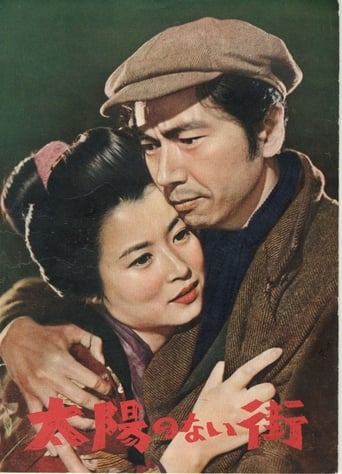
7.0Based on the novel by proletarian writer Sunao Tokunaga. The story is about a long strike by workers at a large printing house and the strikers' steadfastness, which neither hunger nor violence could break. The heroine of this story actively participates in her colleagues' struggle against layoffs, oppression, and police brutality.
The Street Without Sun
1954
Film credits
1950s · 4 titles
10.0The film consists of three short stories. Tomiko, the heroine of the first story, "The Flower Girl" (dir. Kozaburo Yoshimura), is a little girl who bears the unbearable burden of caring for her family. Tomiko's father has been unable to find work for a long time, and her older sister is terminally ill—it is unlikely that she will ever recover. To feed her family, Tomiko runs around the city from morning until late at night selling flowers... The second novella (dir. Tadashi Imai) also depicts the lives of the poor. An unfamiliar girl brings young Kavano a letter from his mother. It turns out that the girl's name is Kuniko, she is very hardworking, but her family is dying of hunger. Therefore, her mother decided to send Kuniko to her son so that he would marry her. The short story is called "The Unexpected Bride." The third short story, which gave the film its title, is particularly interesting: "When You Love" (dir. Satsuo Yamamoto). It shows the family of a young peace activist.
If Indeed One Loves
1955
7.0Keiko and Toshiko are sisters who leave their mountain home, where their parents live in a hydroelectric plant company house to study in the city. They stay with their kind-hearted aunt and her jovial but heavy-drinking carpenter husband. Keiko, the 17-year-old eldest of five siblings, is gentle and responsible, while 14-year-old Toshiko is lively and childlike, affectionately called "Konchi."
Sisters
1955
NRThe events of the film are based on the real facts of the Pacific War, when in June 1944 the American troops began landing on the Saipan island. On July 7, an order comes that everyone must die in order not to be captured by the enemy.
The Last Women
1954
7.0Based on the novel by proletarian writer Sunao Tokunaga. The story is about a long strike by workers at a large printing house and the strikers' steadfastness, which neither hunger nor violence could break. The heroine of this story actively participates in her colleagues' struggle against layoffs, oppression, and police brutality.
The Street Without Sun
1954
1940s · 10 titles
6.5A hotheaded youth in 1880s Meiji Japan apprentices to judo master Shōgorō Yano, trading brute jujutsu bravado for discipline and humility. As Sanshirō matures, he proves judo’s spirit against old-guard challengers—including a deadly duel—while falling for his vanquished opponent’s daughter. Based on the novel by Tsuneo Tomita, son of Tomita Tsunejirō, the earliest disciple of judo.
Sanshiro Sugata
1943
6.8No synopsis available yet.
Wings of Victory
1942
 9.0
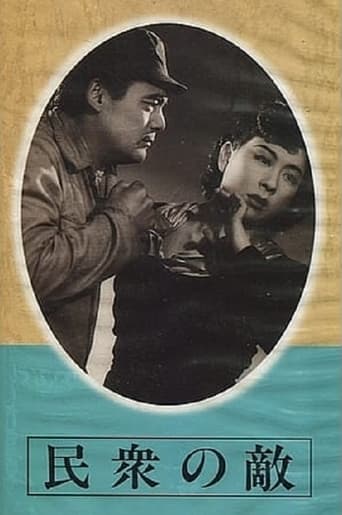
9.0Tadashi Imai 1946 movie
An Enemy of the People
1946
 7.0
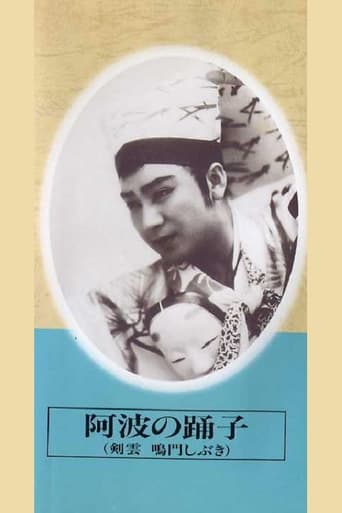
7.0Jurobei, a kaisen tonya (wholesaler in port) in Awa, was wronged and killed on the day of the Dance Festival by the evil merchant & the chamberlin. His brother (Kazuo Hasegawa) vowed vengeance on the day of his brother's death. So every year the villains are worried during the Awa Dance Festival (which is part of the Obon festival), but nothing has ever happened, until seven years later...
Dancers of Awa
1941
 7.0
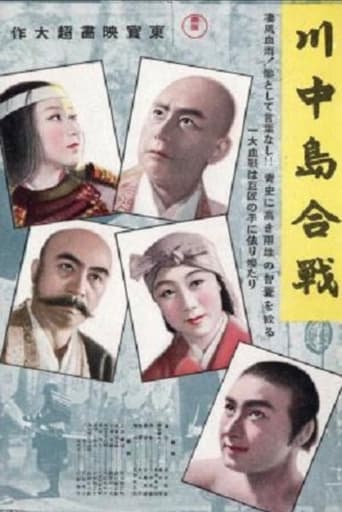
7.0This epic depicts the battle between Uesugi Kenshin and Takeda Shingen. The focus of the story is the struggle by the unit leader in charge of the main supply wagons and the supply troops to transport materiel to the Uesugi army. To this are added episodes involving an itinerant woman.
The Battle of Kawanakajima
1941
 6.4
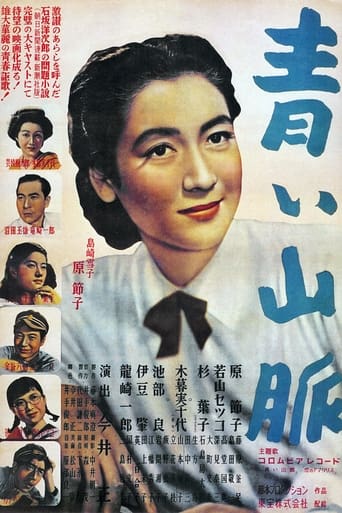
6.4Teacher Yukiko finds herself in opposition to conservative faculty and villagers after defending a student for being in a relationship with a young man from Tokyo.
The Blue Mountains: Part I
1949
 6.2
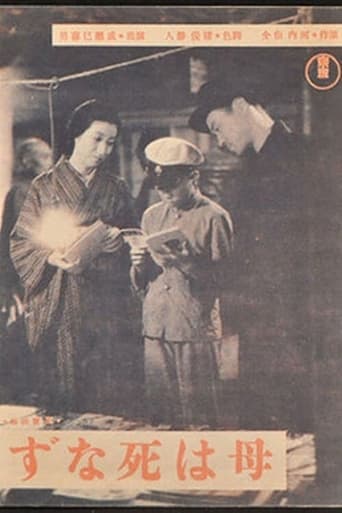
6.2The premature death of a young mother serves as inspiration for her husband and son.
Mother Never Dies
1942
 7.0
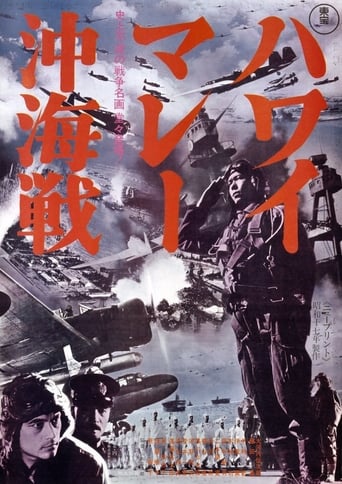
7.0Japanese Navy air cadets train for the attacks on Pearl Harbor and the HMS Prince of Wales.
The War at Sea from Hawaii to Malaya
1942
 7.0
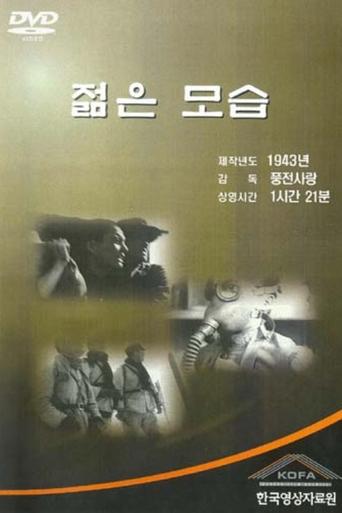
7.0No synopsis available yet.
Wakaki sugata
1943
 8.0
8.0Jidaigeki from 1940
Flowers Blooming In the Storm
1940