
Known for
 10.0
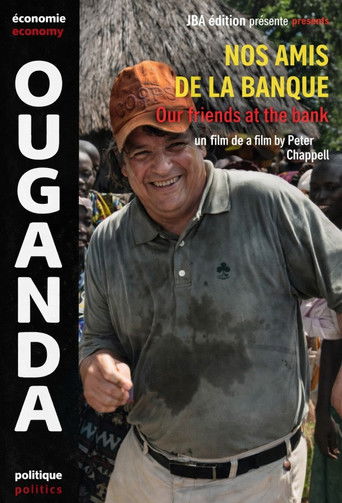
10.0The future of many developing countries is largely dependent on an institution which is already fifty years old, the World Bank. Criticized and questioned as to its utility, and confronted with numerous setbacks, the Bank is going through a perplexing time in regard to deciding what new strategies to adopt, especially in Africa. For fourteen months, Peter Chappel followed negotiations between the World Bank and Uganda in order to understand and describe the obscure and abstract mechanisms that shape the reality of North-South relations, as well as the future of millions of people.
Our Friends at the Bank
2002
 NR
NROn the culture and politics of radical black theatre work in South Africa under apartheid, featuring Ingoapele Madingoane, Matsemela Manaka, Gibson Kente and the women of Crossroads
I Talk About Me, I Am Africa
1981
 NR
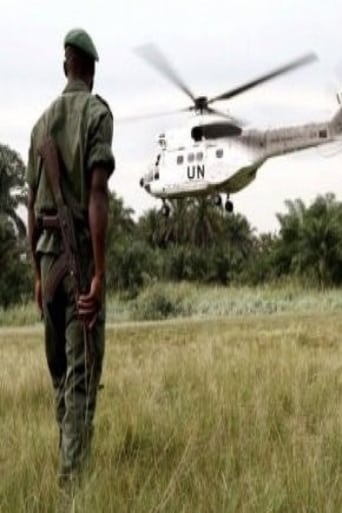
NRApril, 1994. Genocide in Rwanda. 800,000 dead. A catastrophe that upset the balance in the entire region. The Great Lakes region of Africa ended the year with a bloodbath. This documentary shows the intrigues, the dramatic effects, the treasons, the vengeances that prevailed over those years and whose only goal was to maintain or increase each faction’s area of influence. In just ten years, the population saw all their hopes vanish: The dream of an Africa in control of its own destiny, alimentary self-sufficiency, the end of interethnic conflicts
Africa in Pieces: The Tragedy of the Great Lakes
2000
A drama adapted from Nobel laureate Nadine Gordimer's short story 'Oral History'
Oral History
1983
 7.9
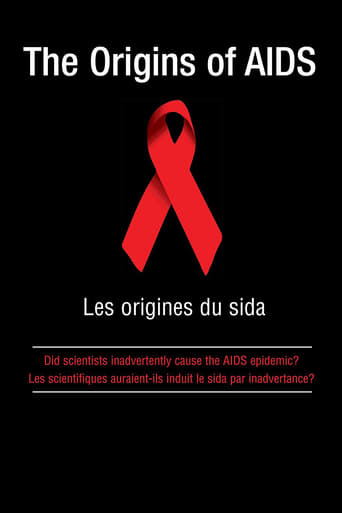
7.9While AIDS may be one of the most feared diseases of modern times, there is still a degree of scientific debate over the subject of just how the disease originated, and how the first cases spread. Two filmmakers explore a controversial theory about the beginnings of the disease. Using interviews, newsreel footage, and documented research experiments, The Origin of AIDS examines how a combination of benevolence, careless lab procedures, and the need of a desperate few to cover their tracks could have led to one of the most serious pandemics of the 20th century.
The Origins of AIDS
2004
The 1947 British subdivision of colonial India into Pakistan and the independent Indian nation caused the loss of 500,000 lives and the relocation of millions—one of the most extensive movement of peoples ever. After centuries of coexistence, Hindus, Sikhs, and Muslims became victims of mutual suspicion as violence swept through the countryside. The resulting mass relocations of these groups transformed village populations overnight.
Division of Hearts
—
Behind the camera
10.0The future of many developing countries is largely dependent on an institution which is already fifty years old, the World Bank. Criticized and questioned as to its utility, and confronted with numerous setbacks, the Bank is going through a perplexing time in regard to deciding what new strategies to adopt, especially in Africa. For fourteen months, Peter Chappel followed negotiations between the World Bank and Uganda in order to understand and describe the obscure and abstract mechanisms that shape the reality of North-South relations, as well as the future of millions of people.
Our Friends at the Bank
2002
NROn the culture and politics of radical black theatre work in South Africa under apartheid, featuring Ingoapele Madingoane, Matsemela Manaka, Gibson Kente and the women of Crossroads
I Talk About Me, I Am Africa
1981
NRApril, 1994. Genocide in Rwanda. 800,000 dead. A catastrophe that upset the balance in the entire region. The Great Lakes region of Africa ended the year with a bloodbath. This documentary shows the intrigues, the dramatic effects, the treasons, the vengeances that prevailed over those years and whose only goal was to maintain or increase each faction’s area of influence. In just ten years, the population saw all their hopes vanish: The dream of an Africa in control of its own destiny, alimentary self-sufficiency, the end of interethnic conflicts
Africa in Pieces: The Tragedy of the Great Lakes
2000
A drama adapted from Nobel laureate Nadine Gordimer's short story 'Oral History'
Oral History
1983
7.9While AIDS may be one of the most feared diseases of modern times, there is still a degree of scientific debate over the subject of just how the disease originated, and how the first cases spread. Two filmmakers explore a controversial theory about the beginnings of the disease. Using interviews, newsreel footage, and documented research experiments, The Origin of AIDS examines how a combination of benevolence, careless lab procedures, and the need of a desperate few to cover their tracks could have led to one of the most serious pandemics of the 20th century.
The Origins of AIDS
2004
7.9While AIDS may be one of the most feared diseases of modern times, there is still a degree of scientific debate over the subject of just how the disease originated, and how the first cases spread. Two filmmakers explore a controversial theory about the beginnings of the disease. Using interviews, newsreel footage, and documented research experiments, The Origin of AIDS examines how a combination of benevolence, careless lab procedures, and the need of a desperate few to cover their tracks could have led to one of the most serious pandemics of the 20th century.
The Origins of AIDS
2004
The 1947 British subdivision of colonial India into Pakistan and the independent Indian nation caused the loss of 500,000 lives and the relocation of millions—one of the most extensive movement of peoples ever. After centuries of coexistence, Hindus, Sikhs, and Muslims became victims of mutual suspicion as violence swept through the countryside. The resulting mass relocations of these groups transformed village populations overnight.
Division of Hearts
—
 8.0
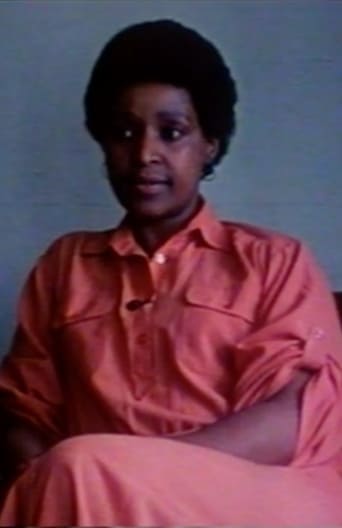
8.0The story of the lives of five ordinary black South African women living under the apartheid system, secretly shot with the help of journalist Nomavenda Mathiane, also featuring interviews with Fatima Meer and for the first time, Winnie Mandela
South Africa Belongs to Us
1980